

Small Side Chest
When you search for a small antique side chest, you are looking for compact storage that combines period craftsmanship with practical utility in a room.
Small Side Chest
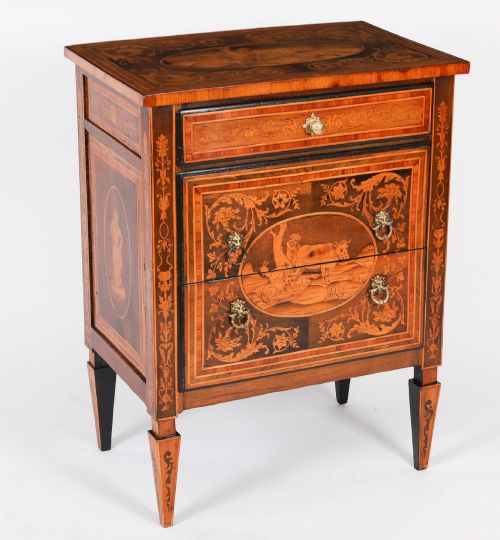
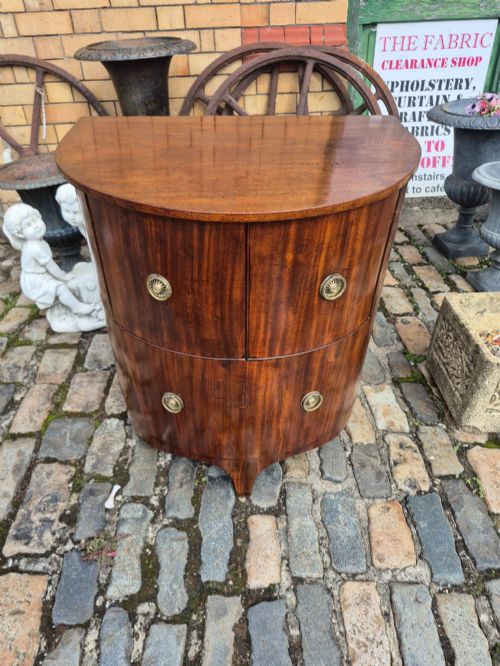
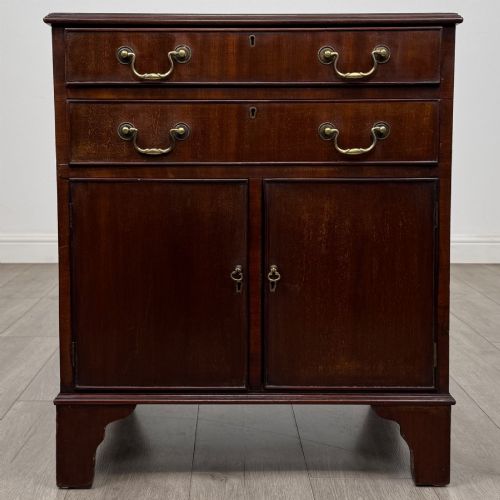
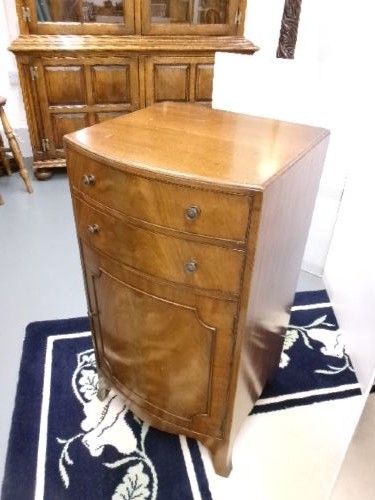
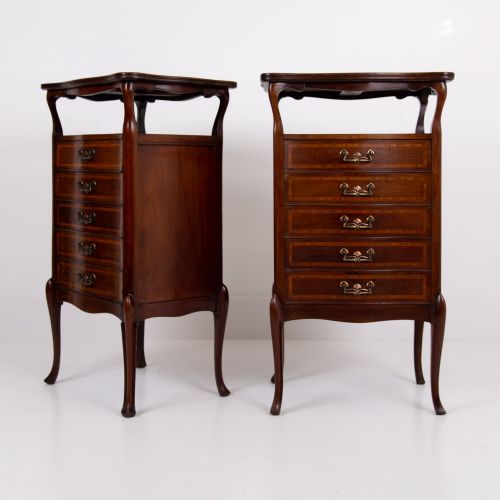
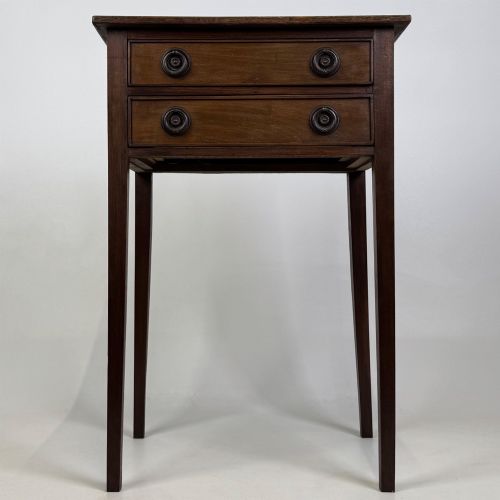
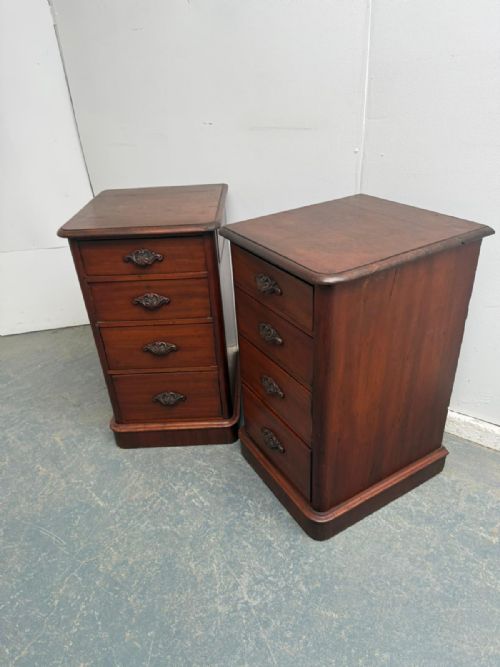
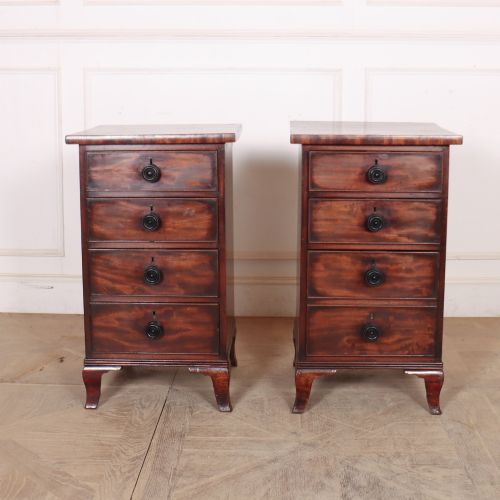
A small antique side chest serves as a compact storage piece, frequently functioning as a bedside cabinet, lamp table or small drawer unit. These items appear across multiple eras, including Georgian, Victorian, and Edwardian periods.
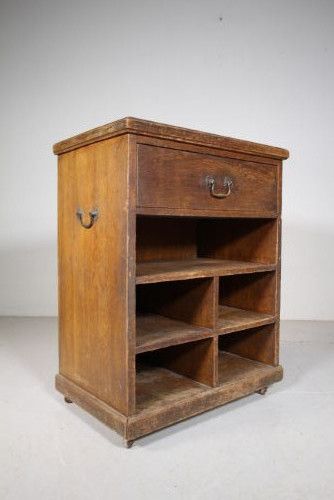
The form encompasses bedside tables, chests of drawers, and small side cabinets constructed in various timber types. Buyers often encounter pieces originating from English, French, and Swedish workshops.
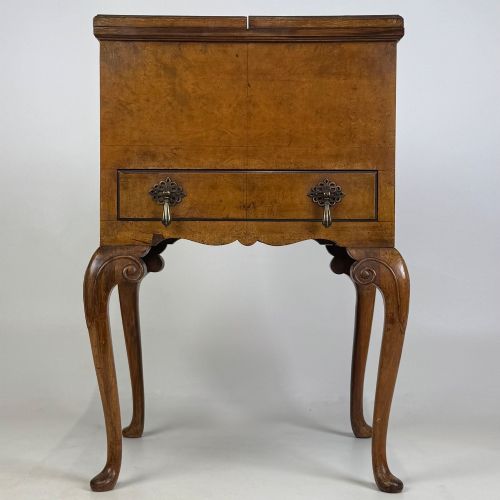
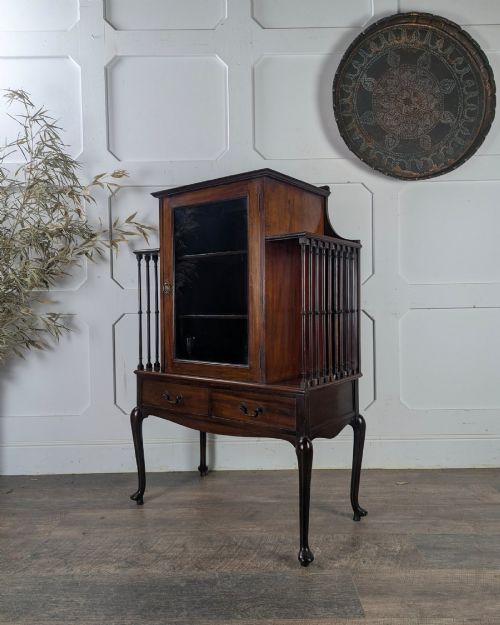
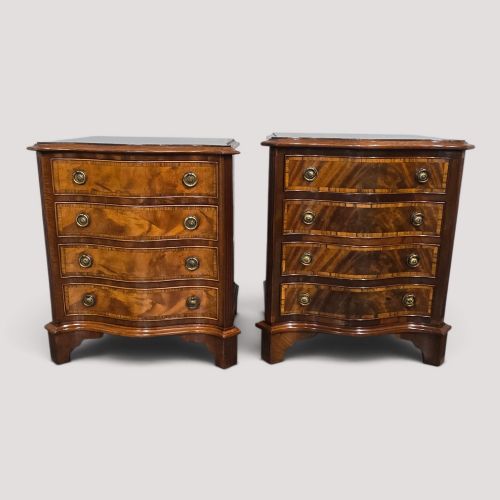
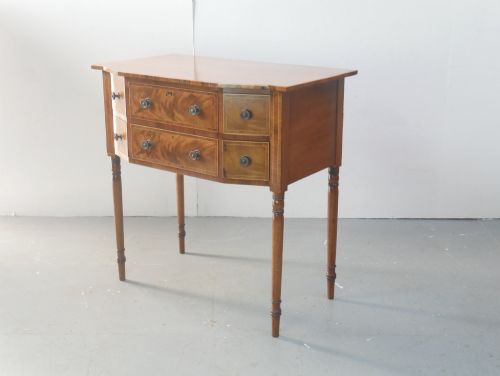
Object variations include lowboys, music cabinets, and serpentine commodes designed for domestic convenience. The scale remains small, allowing these items to fit neatly beside seating or beds.
How They Were Made
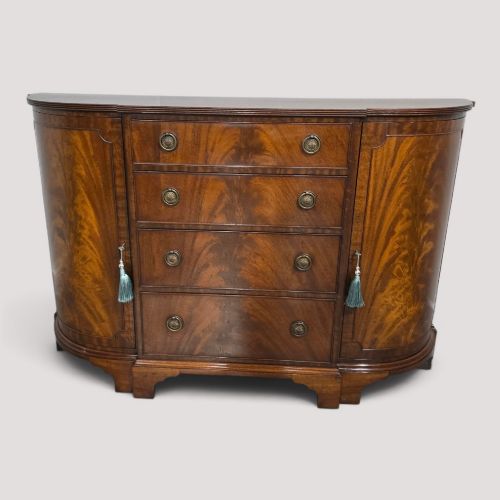
Cabinet makers utilised dense hardwoods such as mahogany, walnut, burr walnut, and oak to build the carcasses and drawers of these chests. Timber selection often featured figured veneers and flame mahogany to create decorative grain patterns on drawer fronts and tops.
Joinery techniques involved precise dovetailing for drawer construction and sturdy framing to support marble slabs or solid timber tops. Brass handles, key escutcheons, and occasional parquetry work provided functional and decorative metallic accents.
Listings feature woods including mahogany, walnut, burr walnut, oak, yew wood, satin birch, and pitch pine alongside marble and brass.
What Varies in Quality
The refinement of timber figure and veneer selection distinguishes standard production from superior pieces. Highly figured burr walnut and matched flame mahogany require greater skill to cut and apply.
Construction details such as hand-cut dovetailing in the drawer boxes and the weight of brass hardware indicate the level of craftsmanship invested in the cabinet. Subtle shaping, such as serpentine fronts or fine stringing inlay, elevates the sophistication of the design.
The Small Side Chest Glossary
- Burr Walnut
- A timber derived from the abnormal growth of a walnut tree, yielding complex, swirling grain patterns. It was frequently utilised as a decorative veneer on Edwardian and Victorian furniture.
- Serpentine Front
- A furniture front characterised by a concave central section flanked by two convex ends, or the reverse. This undulating profile requires expert carpentry to shape accurately.
- Lowboy
- A small occasional table featuring one or more rows of drawers, standing on relatively tall legs. This form gained popularity during the Georgian era for domestic use.
- Wellington Chest
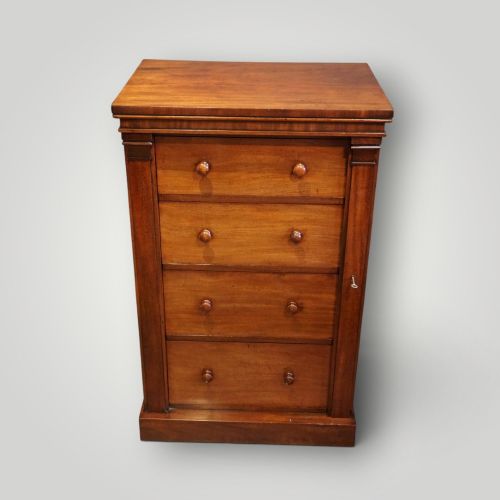
- A tall, narrow chest of drawers secured by a hinged locking side flap that is often locked with a key. The style originated in the Victorian period to maximise storage in confined footprints.
- Parquetry
- A geometric mosaic of wood pieces used for decorative surfaces on tables and cabinets. It demonstrates meticulous precision in cutting and fitting small tiles of contrasting timber.
Small Side Chest: Frequently Asked Questions
Where should I place a small antique side chest?
These compact pieces fit naturally beside a bed or sofa to hold lamps and books while providing discreet drawer storage.
Their modest dimensions also suit narrow hallways or landings where larger furniture would block movement.
How do I identify a Georgian side chest?
Georgian pieces often display sober, clean lines in solid mahogany or oak, sometimes featuring flame veneers and understated brass pulls.
Construction methods from this era typically rely on hand-cut dovetails and heavy timber boards without modern adhesives.
Are these chests suitable for modern homes?
The small footprint makes them highly adaptable for storing personal items in contemporary bedrooms or living spaces.
Their warm timber tones and period details introduce textural contrast against minimalist interior design.
What is the difference between a bedside cabinet and a side chest?
Bedside cabinets generally feature a cupboard door enclosing a shelf, whereas side chests are defined primarily by stacked drawers.
Both serve similar functional roles for small-scale storage but offer different internal layouts for organising belongings.