
Small Framed Art
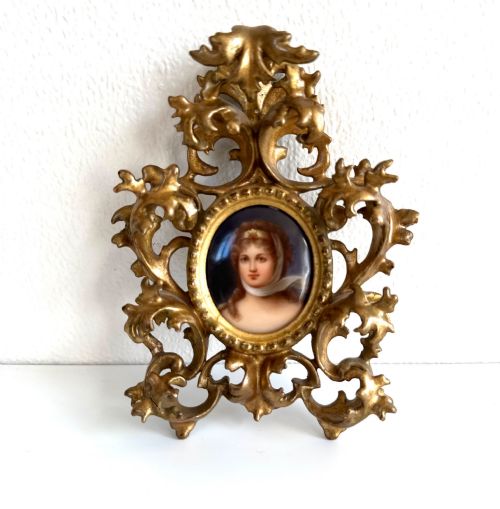
Small antique framed art comprises delicate portrait miniatures, landscapes, and botanical studies housed in period timber, brass, and gilt frames.
Small Framed Art
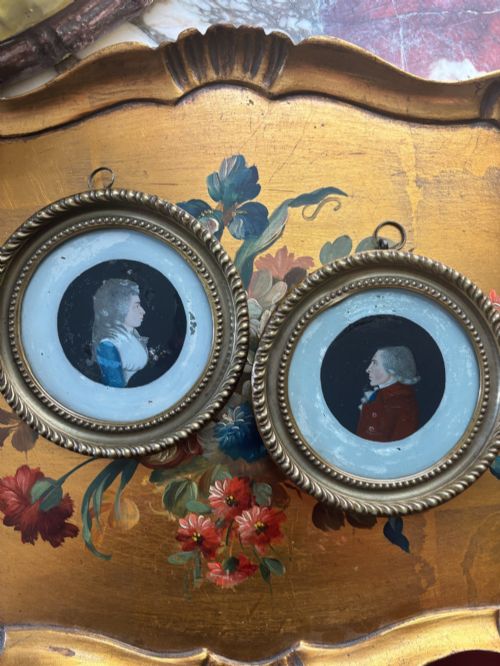
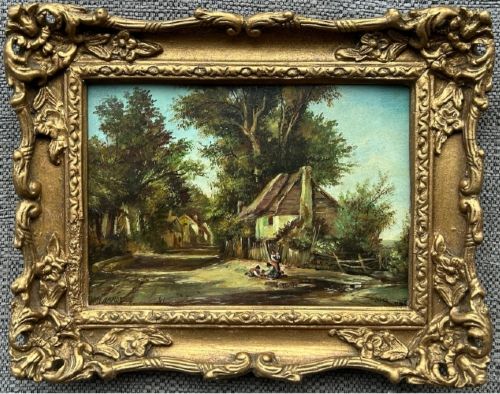
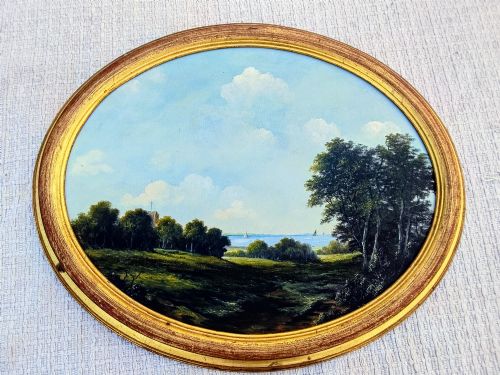
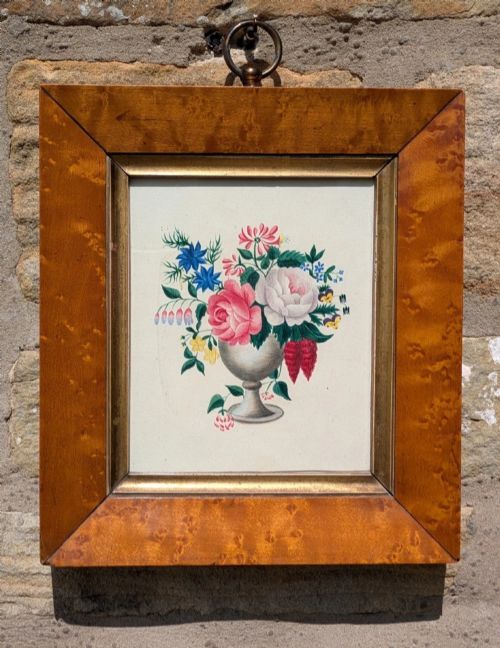
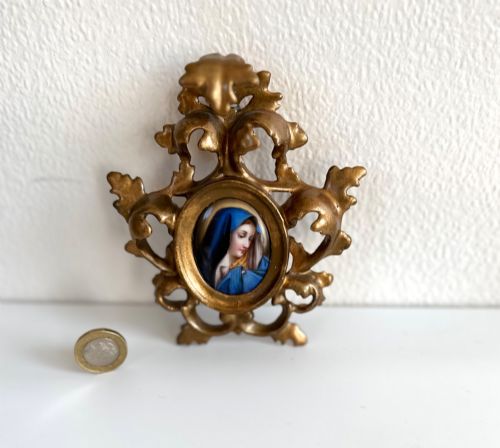
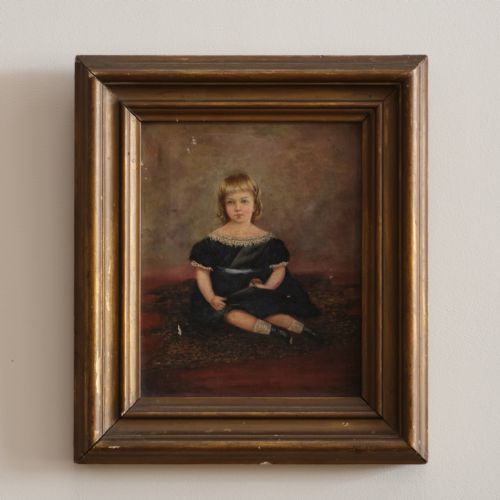
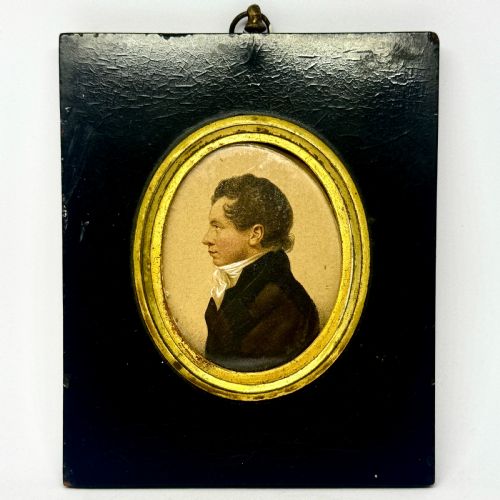
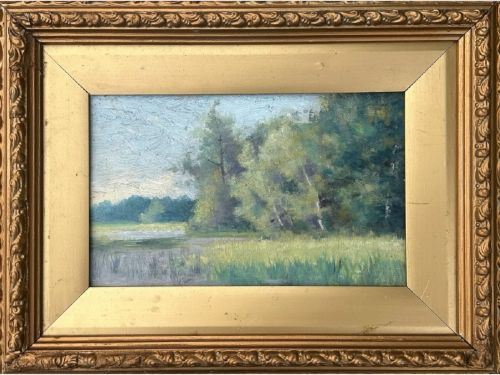
Small antique framed art encompasses compact works on paper, panel, and canvas produced across the Georgian, Regency, and Victorian periods. These pieces range from naive landscapes and botanical watercolours to detailed portrait miniatures executed with fine brushwork.
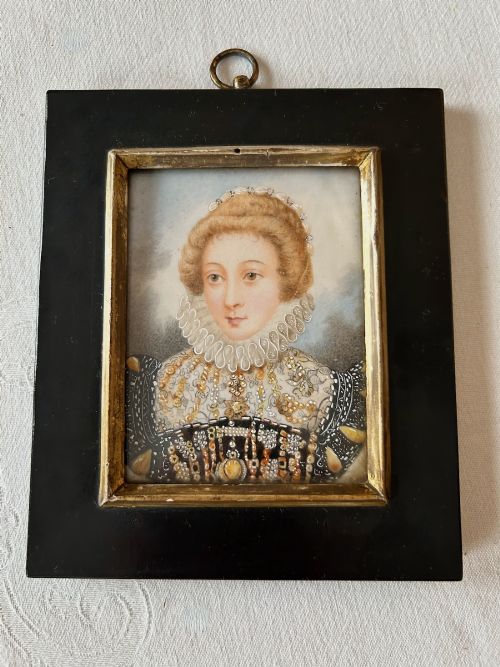
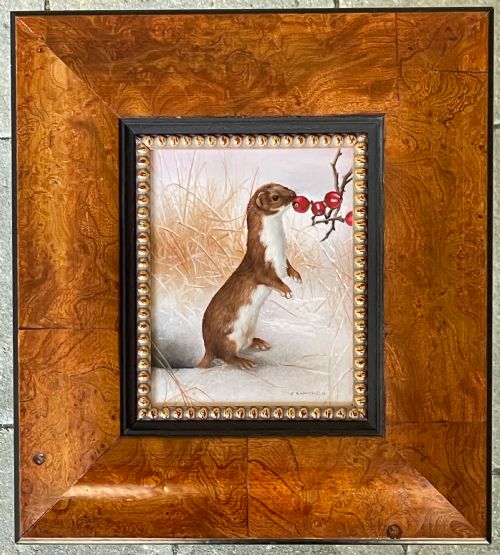
The most common examples encountered in this category are nineteenth-century miniature paintings and framed prints or watercolours scaled for intimate domestic spaces. Subjects span landscapes, seascapes, animal studies, and portraits of known and unknown sitters.
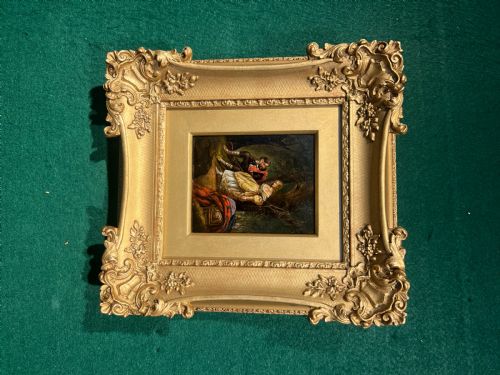
Makers and schools recorded in these works include British and European artists working in oil, watercolour, and pastel. Many pieces retain their original surrounds, which include ebonised wood, Hogarth frames, and elaborate gilt gesso mouldings.
Materials and construction
Paintings and watercolours within this selection utilise traditional supports such as paper, stretched canvas, wood panel, and glass. Pigments are applied with precision, particularly in portrait miniatures where artists worked on ivory, vellum, or prepared card.
Frames are constructed from native and exotic timbers including oak, beech, and ebonised wood, alongside cast or repoussé brass and gilt metal. Many incorporate gold leaf applied over gesso mouldings or detailed wooden joinery.
Listings feature works spanning the Georgian, Regency, Victorian, and Edwardian periods, utilising watercolour, oil, and glass on wood, brass, and paper supports.
Quality factors
Quality in small antique framed art rests upon the dexterity of the brushwork and the anatomical or topographical accuracy of the composition. Finer works display deliberate handling of light and proportion, whereas simpler pieces rely on naive charm.
The relationship between the artwork and its surround dictates overall merit, with period-matching frames carrying greater integrity than later replacements. The preservation of the painted surface, free from excessive retouching or pigment flaking, remains paramount.
Henri Fradelle·Richard Cosway·William Howard Hardy·Maud Raphael Jones·Florence Small·Miles Birkett Foster·Dumont·Evelyn Chester·Samuel Raven·J. Phipps·M. C. Hider
The Small Framed Art Glossary
- Portrait Miniature
- A small-scale painting, often executed on ivory, vellum, or card during the eighteenth and nineteenth centuries. These intimate works were designed to be carried or displayed in small domestic settings.
- Gilt Gesso
- A plaster-like material applied to wooden frame mouldings and carved before being gilded with gold leaf. This technique creates ornate, light-reflecting borders popular in the nineteenth century.
- Hogarth Frame
- A narrow, dark wooden frame with a distinct profile, frequently moulded with a inner slip of gilt brass or wood. Named after the eighteenth-century artist William Hogarth who favoured this style.
- Repoussé
- A metalworking technique where the design is hammered into relief from the reverse side. This method appears on brass and gilt metal dressing table items and mirror frames.
- Ebonised
- Wood treated with a chemical stain or finish to imitate ebony. This dark finish was widely utilised on nineteenth-century picture frames to contrast with gilt sight edges.
Small Framed Art: Frequently Asked Questions
How were small antique paintings originally displayed in homes?
These compact works were hung in small groupings on parlour walls or placed upon desks and dressing tables using easel backs or miniature stands.
Their modest scale allowed owners to arrange them closely together, creating gallery walls within intimate rooms.
Are these frames original to the artwork?
Many pieces retain their period frames, such as ebonised wood, Hogarth profiles, or gilt gesso mouldings dating from the same era as the painting.
Collectors look for original mountings because they preserve the historical context and aesthetic balance intended by the maker.
What is the difference between an oil painting and a portrait miniature?
Oil paintings in this category are typically executed on canvas, board, or panel using thick, blendable pigments that capture landscapes and still lifes. Portrait miniatures are exceptionally small paintings created with meticulous detail on specialised supports like card or ivory.
Miniatures often feature delicate glass covers and protective cases or lockets containing woven hair on the reverse.
How do I care for antique watercolours and paper art?
Works on paper and watercolour require protection from direct sunlight to prevent the fading of fugitive pigments. Displaying them in rooms with stable humidity levels prevents warping and foxing on the paper surface.
Glazing should remain intact to shield the delicate medium from dust and atmospheric pollutants.