

Small Artwork
These small antique artwork pieces bring centuries of painting and portraiture into domestic spaces through panels, canvases, and delicate frames.
Small Artwork
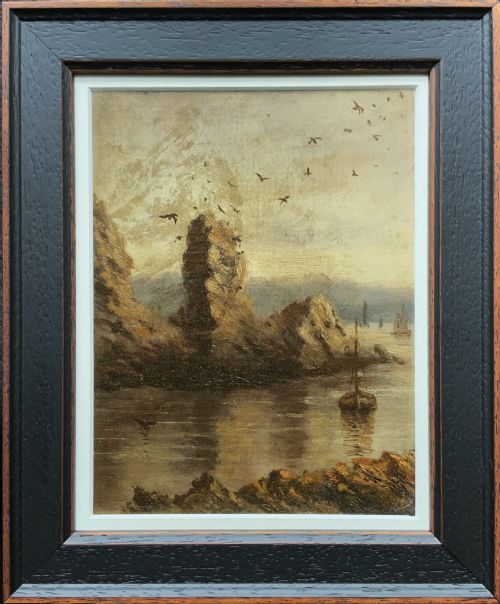
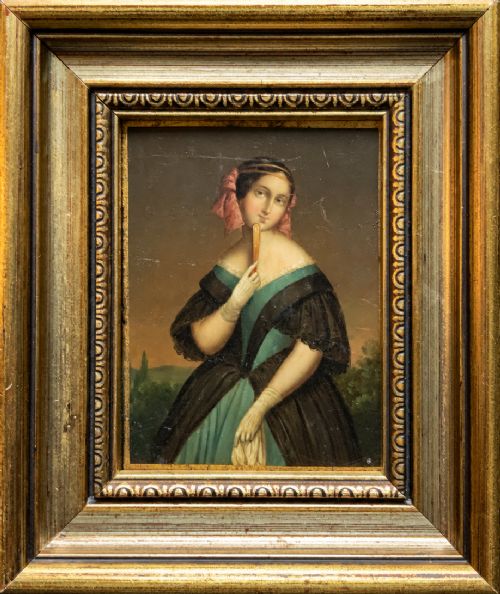
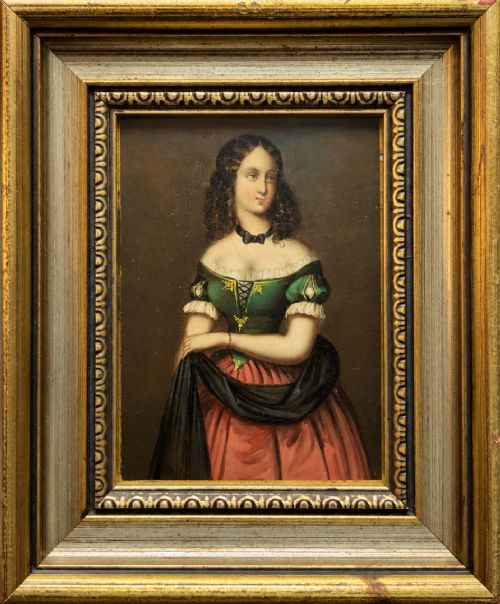
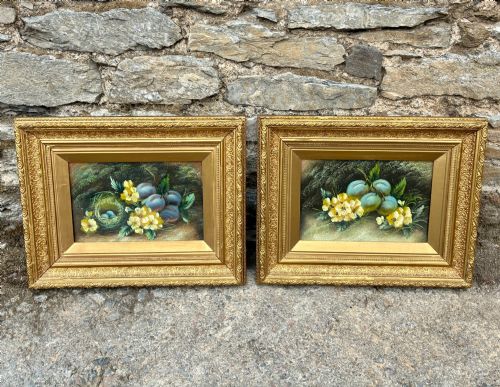
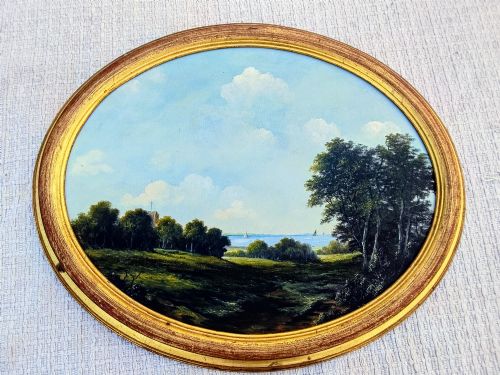
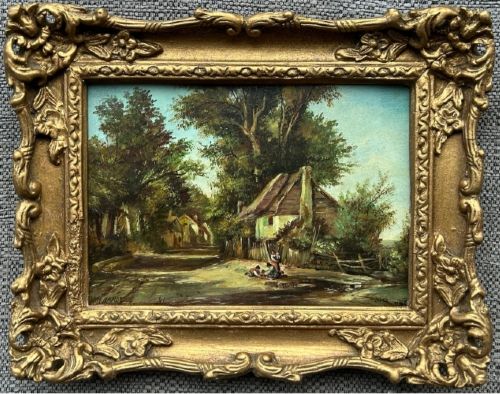
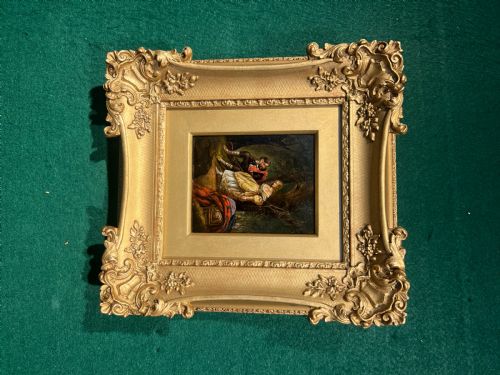
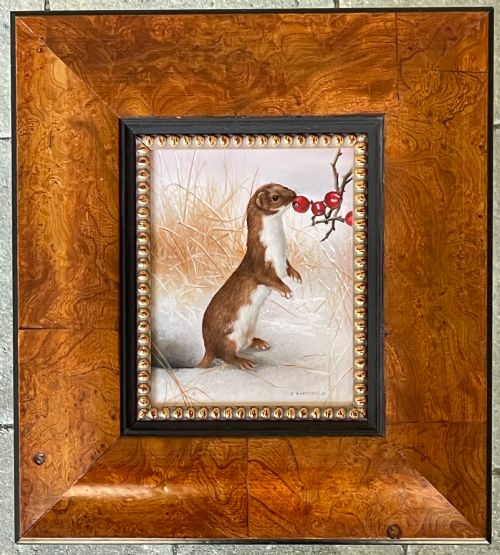
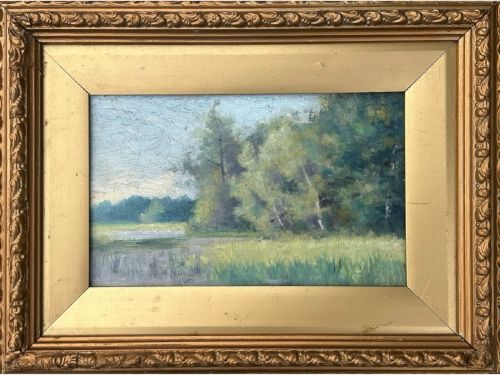
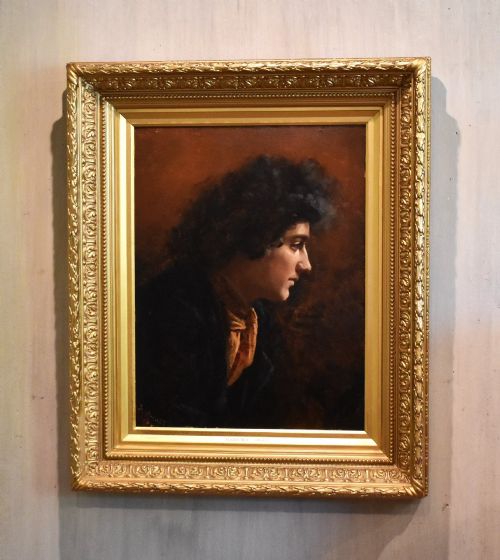
Small antique artwork encompasses framed oil paintings, watercolours, and portrait miniatures created across the eighteenth, nineteenth, and early twentieth centuries. These pieces record landscapes, botanical studies, domestic animals, and individual portraits executed by regional schools and named artists.
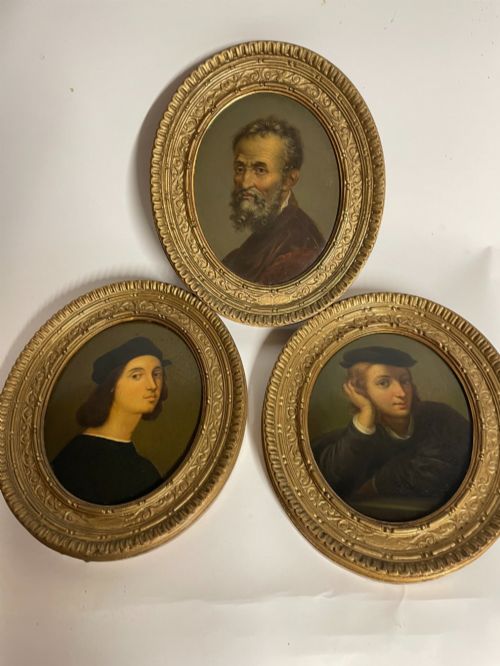
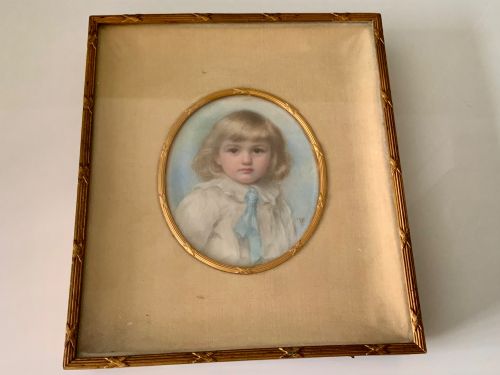
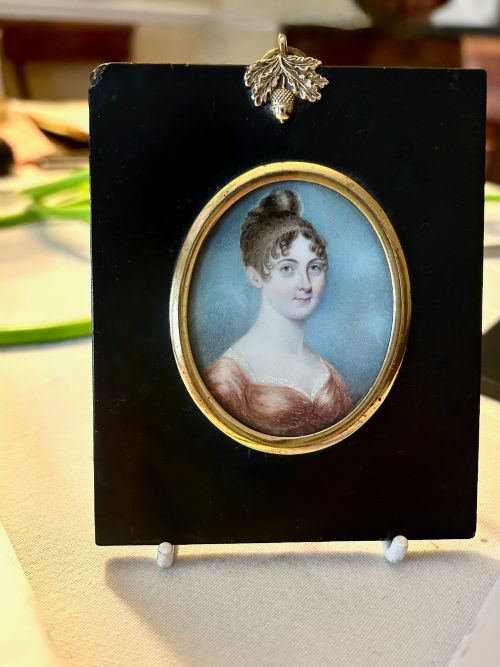
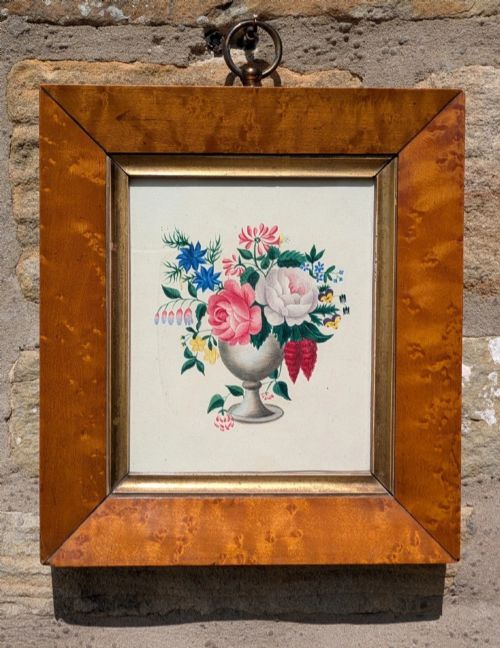
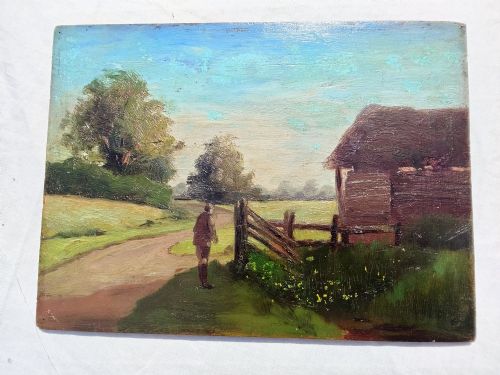
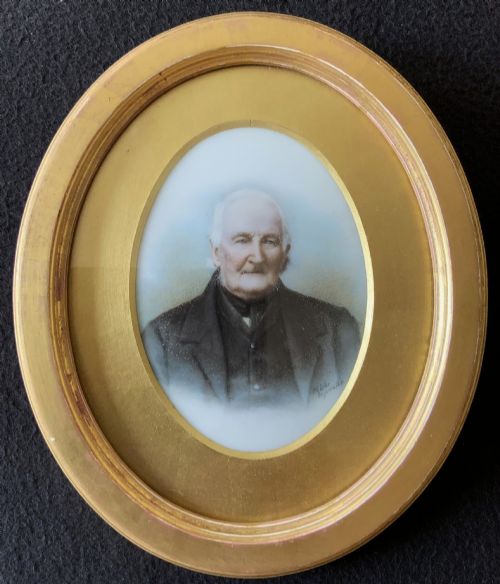
Buyers frequently encounter compact landscape panels, oval portraits, and botanical watercolours bearing the stylistic marks of the Georgian, Victorian, and Edwardian periods. Many retain their original gilt wood, ebonised, or Hogarth frames, preserving the complete object as historical makers intended.
The domestic scale of these works reflects their original placement in parlours and private chambers rather than grand galleries. Painters utilised panel, canvas, paper, and glass to capture intimate subjects, from local village views to detailed likenesses of sitters.
Materials and Technique
Makers applied oil paint or watercolour to surfaces including wooden boards, canvas, stiff paper, and ivory, relying on brushes of varying fineness to render detail. Ground layers prepared panels and canvases to receive pigments, while protective glass safeguarded watercolours and delicate portrait miniatures.
Frames constructed from gilt wood, brass, or ebonised timber complete these works, often incorporating gold leaf highlights. Joinery techniques in the framing secure the painted surface against environmental shifts while maintaining the proportions expected of smaller formats.
Small Artwork Retail Price Guide 2026
Typical asking prices for small artwork among the pieces listed under this phrase on Sellingantiques today, from the lower quarter to the upper quarter. They describe what is for sale here now, not the wider market.
Materials span oil paint on panel, watercolours on paper, and delicate portraits painted on glass.
Evaluating Quality
Quality rests in the precision of the brushwork and the anatomical or perspective accuracy achieved within a limited scale. Superior execution demonstrates confidence in handling light, shadow, and texture, whether depicting a landscape or a sitter's expression.
The integrity of the original pairing between artwork and frame influences the overall standard, as does the condition of the pigment surface. Works retaining their initial signed inscriptions or attributed hand show greater documentary value alongside artistic merit.
William Howard Hardy·Maud Raphael Jones·Florence Small·Miles Birkett Foster·Evelyn Chester·Samuel Raven·Eugene Verboeckhoven·J. Phipps·M. C. Hider·Florence Hess·Kershaw Schofield·Andreas Schelfhout·Cornelius Pearson·Eliza Maddock
The Small Artwork Glossary
- Oil Paint
- Pigment suspended in a drying oil, typically applied to canvas or wooden board. This medium allows for rich colour blending and substantial surface texture.
- Watercolour
- Pigment ground in a water-soluble binder, traditionally painted on paper or ivory. It relies on the white of the ground showing through transparent washes.
- Gilt Wood
- Timber carved and surfaced with a thin layer of gold leaf. It frames pictures with a reflective border that catches ambient light.
- Portrait Miniature
- A small-scale portrait painted on ivory, paper, or vellum, often encased behind glass. These portable likenesses served as personal tokens of affection.
- Panel
- A flat piece of wood used as a rigid support for painting instead of stretched canvas. Panels provide a stable ground for detailed nineteenth-century works.
Small Artwork: Frequently Asked Questions
How should I hang small antique artwork?
These compact pieces suit narrow wall spaces, alcoves, or groupings where larger canvases would overwhelm the room. Pair frames of similar periods to create a cohesive gallery wall without cluttering the surface.
Position paintings away from direct sunlight to protect watercolours and oil pigments from fading. Secure them using appropriate wall fixings that match the weight of the timber frames.
What periods do these artworks represent?
The selection spans from the eighteenth century through the Georgian and Victorian eras into the early twentieth century. Each period brings distinct framing styles and subject matter, from detailed botanical watercolours to atmospheric landscape panels.
Observing the materials, such as early wooden boards or ivories, helps distinguish eighteenth-century pieces from later nineteenth-century productions.
How are miniature portraits constructed?
Portrait miniatures employ fine watercolours or oils on supports like ivory, paper, or glass. Artists used magnifying lenses to achieve striking facial detail within a compass of just a few inches.
Protective convex glass and slim ebonised or gilt frames usually encase these delicate paintings to shield them from dust and handling.
Can I identify the artist from the frame?
Original frames often provide clues through maker stamps, labels, or the specific moulding style characteristic of a decade. Hogarth frames and heavy gilt wood designs correspond to particular periods of manufacture.
While frames can be swapped over centuries, matching materials and patination indicate a long association between the artwork and its surrounding border.