





Slip Glazed Pottery
Slip glazed pottery brings enduring rustic charm to a room, offering tactile earthenware surfaces that have drawn collectors for centuries.
Slip Glazed Pottery
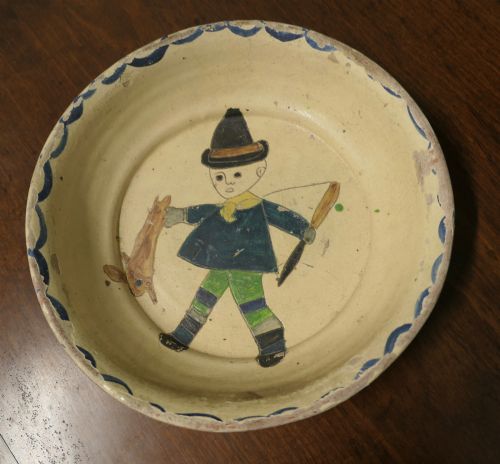
When you search for slip glazed pottery, you are looking at earthenware forms finished with liquid clay coatings, ranging from utilitarian dairy vessels to expressive studio pieces. The pieces on this page span from the seventeenth century through the nineteenth and twentieth centuries, reflecting diverse regional traditions.
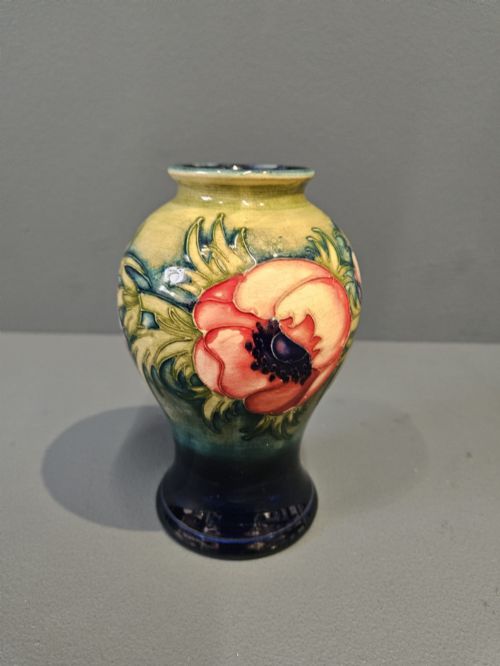
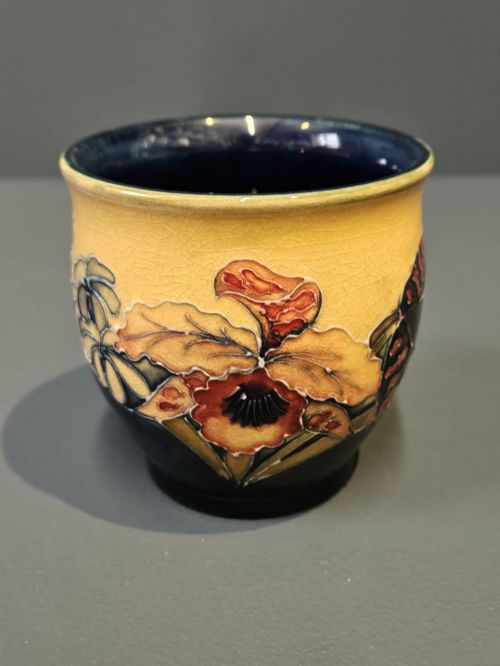
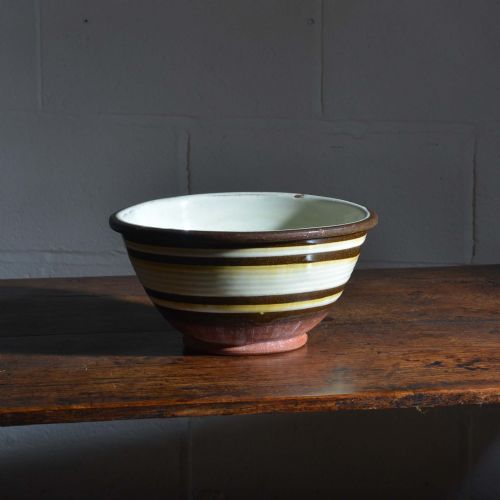
You are most likely to encounter earthenware bowls, decorative jugs, and vases representing English country pottery and Arts and Crafts aesthetics. These domestic and studio items reveal how makers utilised liquid clay techniques across different historical periods.
The selection includes specific regional wares and Dutch folk art examples alongside British studio pottery. Each item demonstrates the practical application of glaze and slip upon terracotta and ceramic bodies.
How they were made
Makers shaped earthenware and terracotta bodies on the wheel or by hand before applying fluid clay slips. These vessels often received lead glaze treatments to seal the porous ceramic material and impart a glossy surface sheen.
Potters built up decorative effects using trailed or brushed slip under transparent or coloured glazes. The interaction between the clay body, the liquid slip, and the final firing creates the characteristic finish seen on these pieces.
Slip Glazed Pottery Retail Price Guide 2026
Typical asking prices for slip glazed pottery among the pieces listed under this phrase on Sellingantiques today, from the lower quarter to the upper quarter. They describe what is for sale here now, not the wider market.
Listings span multiple eras from the seventeenth century through to the Art Deco period, utilising earthenware, terracotta, and lead glaze.
What varies in quality
The distinction between standard domestic items and superior examples lies in the boldness of the form and the skill of the slip application. Studio pieces from notable makers demonstrate greater ambition in design and execution than simple utility wares.
Surface richness and glaze depth separate ordinary production from exceptional pieces. The harmony between the underlying terracotta body and the finished glaze dictates the overall visual success of each vessel.
Moorcroft·Sir Edmund Harry Elton·J R Mally & Co·Christopher Dresser·Burmantofts Faience·A Macintyre & Co
The Slip Glazed Pottery Glossary
- Slip
- A suspension of clay in water used for decorating or coating ceramic bodies before firing. It is applied in liquid form to create patterns or complete surface colours.
- Earthenware
- Porous pottery fired at relatively low temperatures. It requires a glaze to become watertight and forms the foundation of most traditional slipware.
- Terracotta
- Unglazed brownish-red earthenware fired in a kiln. It provides a warm reddish base colour visible beneath transparent glazes.
- Lead glaze
- A traditional glassy coating containing lead oxide applied to pottery to create a glossy surface. It melts at lower temperatures and deepens the tones of the underlying slip.
Slip Glazed Pottery: Frequently Asked Questions
How do I clean slip glazed pottery?
Dust these ceramic pieces gently with a soft, dry cloth to protect the historic glaze surfaces. Avoid submerging older earthenware in water.
Keep them away from direct moisture and harsh cleaning agents. Gentle care preserves the integrity of the slip and glaze.
Can I use these bowls for food?
Historical earthenware and slipware often contain lead glazes and porous bodies unsuited for modern culinary use. Many older pieces are intended strictly for display.
Examine the interior condition before considering any practical domestic service. Most antique examples function best as decorative objects.
How do I identify seventeenth-century pieces?
Early pieces display distinct potting irregularities, heavier earthenware bodies, and traditional slip trailing methods. Their forms reflect domestic uses typical of early Dutch and English country pottery.
Compare the glaze characteristics and construction details with documented museum examples. Material patination also helps indicate genuine age.
What is Arts and Crafts pottery?
Arts and Crafts pottery emphasises handmade integrity, simple forms, and visible maker involvement over industrial perfection. These pieces often feature naturalistic motifs and expressive studio glazes.
This movement shifted focus towards individual artistry in ceramics. Makers sought inspiration in traditional country methods and vernacular designs.