
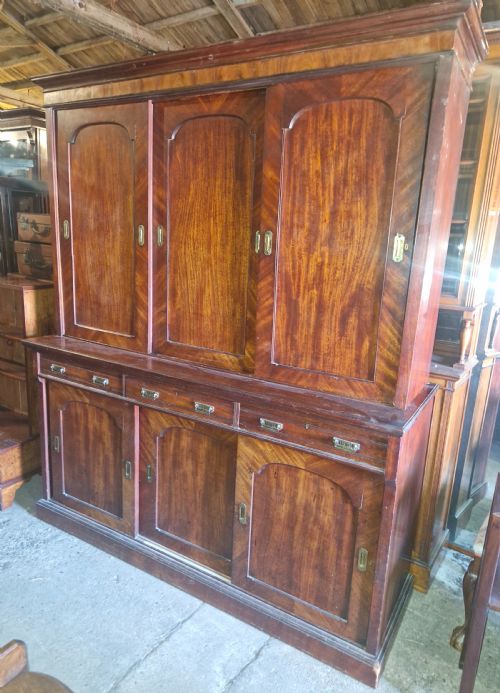
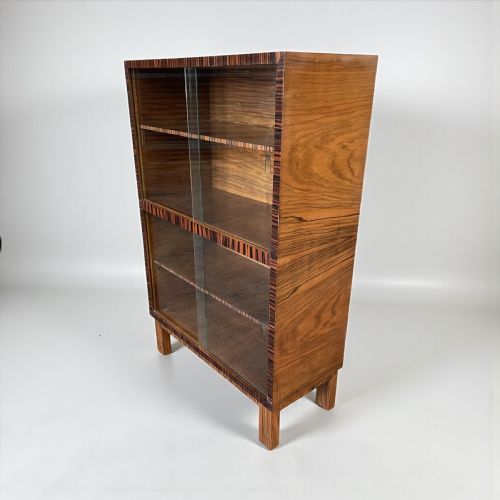


Sliding Door Cabinet
A sliding door cabinet brings practical storage to a room without the swing clearance of hinged doors.
Sliding Door Cabinet
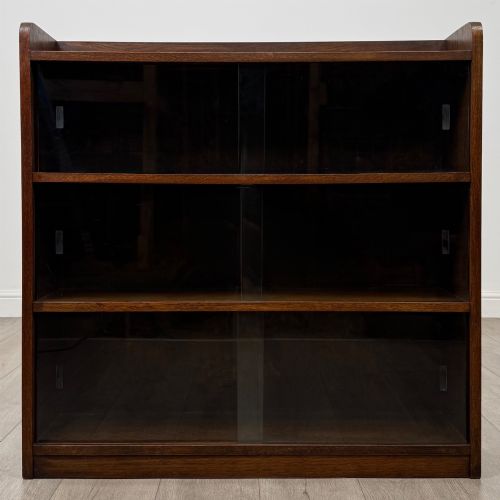
A sliding door cabinet offers functional storage through doors that move sideways on tracks or grooves, saving floor space in compact rooms. When you search for a sliding door cabinet, you encounter pieces designed for offices, shops, kitchens, and living spaces.
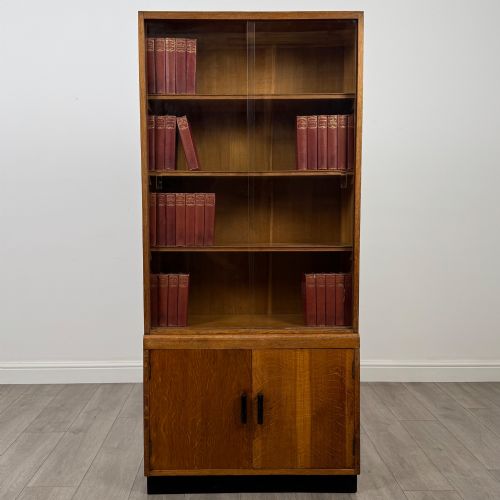
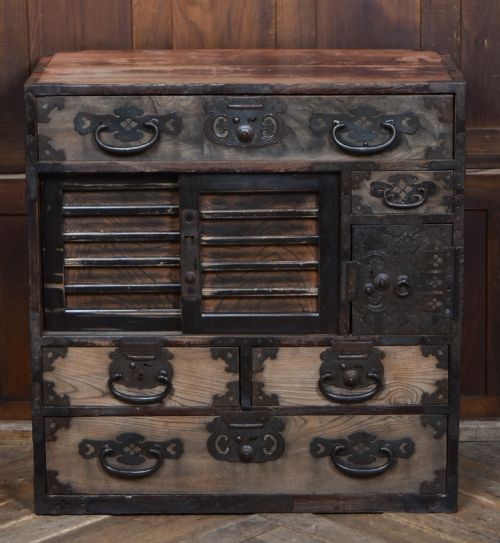
The selections span distinct traditions, from Edwardian and Victorian office furniture to Japanese tansu chests and Art Deco bookcases. Oak and mahogany dominate the offerings, appearing alongside teak, walnut, and rosewood.
How they were made
Cabinet makers utilised solid timbers such as oak, mahogany, teak, and walnut, often applying veneers over secondary woods for stability on larger surfaces. Brass hardware appears on handles, brackets, and decorative mounts.
Joinery techniques include traditional panel construction and fitted sliding tracks that allow doors to glide smoothly without jamming. Glazed doors feature timber framing holding glass panes securely in place.
Listings feature oak, mahogany, teak, walnut, and chestnut timbers across Edwardian, Victorian, Art Deco, and 19th-century periods.
What varies in quality
Quality rests in the selection of timber and the precision of the sliding mechanism, ensuring doors move freely without dropping or binding in their tracks. Superior examples show careful grain matching and solid timber backs rather than thin plywood.
Finishing details separate standard utility furniture from finer pieces, visible in hand-cut dovetail joints, crisp mouldings, and intact original brass or bronze fittings. The integrity of the internal shelving and track system dictates daily usability.
The Sliding Door Cabinet Glossary
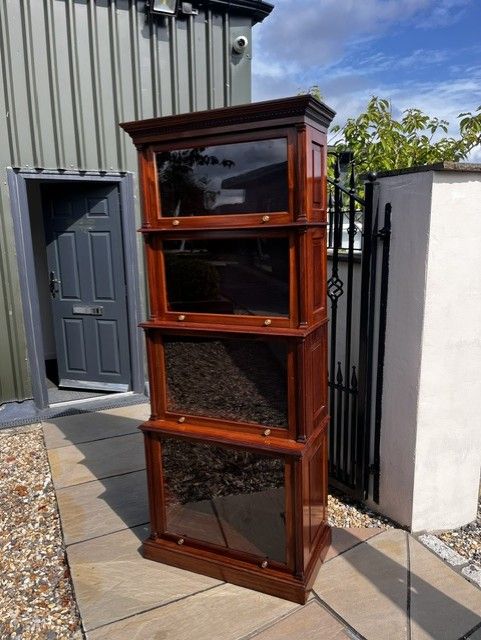
- Barrister bookcase
- A stacking bookcase featuring glazed doors that lift and slide into the cabinet above each shelf. This modular design allowed lawyers to transport their libraries easily.
- Haberdashery cabinet
- A shop display storage unit incorporating numerous drawers or sliding glass doors designed for viewing textiles and small goods. They were originally built for commercial drapery shops.
- Veneer
- A thin layer of choice hardwood applied to a stable secondary timber base to create decorative surfaces without excessive weight. This technique prevents warping on wide panels.
- Chiffonier
- A low sideboard or cabinet developed in the Regency and Victorian periods, often equipped with enclosed cupboards or shelving. They provided convenient serving and storage surfaces in dining rooms.
Sliding Door Cabinet: Frequently Asked Questions
How do I maintain sliding door tracks?
Keep the wooden or metal grooves free from dust and debris by brushing them out periodically. Applying a light wax to wooden tracks helps the doors glide smoothly.
Avoid using heavy oils that attract dirt and cause the sliding mechanism to stick over time.
Where were sliding door cabinets used?
These cabinets served in offices, libraries, shops, and kitchens where hinged doors would obstruct narrow walkways. Edwardian and Victorian businesses relied on them for filing and display.
Domestic versions housed books, tableware, and collectables in living areas and dining rooms.
Are sliding doors original to these antiques?
Many period pieces utilised sliding doors from construction, particularly shop display units, Japanese tansu, and barrister bookcases. Office and library furniture adopted the design to maximise floor space.
Examine the tracks and surrounding timber joinery to confirm the sliding mechanism matches the age of the cabinet.
How do I date an oak sliding door cabinet?
Dating relies on timber selection, construction methods, and hardware styles associated with periods like the Edwardian era or the 1930s. Art Deco examples feature streamlined geometric lines, while earlier pieces show traditional joinery.
Maker marks, labels, and regional construction traits offer further chronological clues.