

Slatted Garden Bench
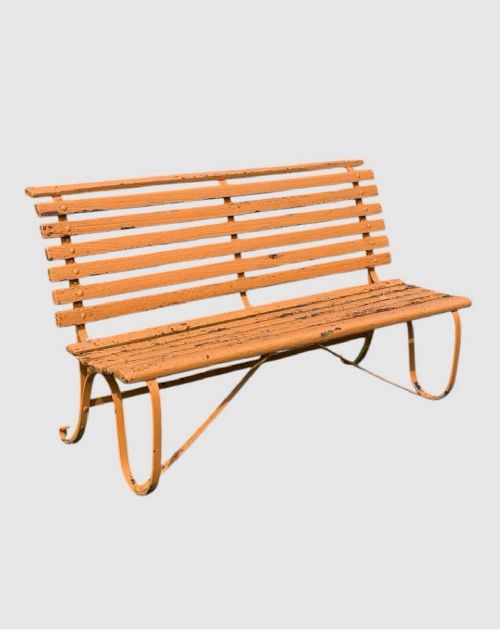
A slatted garden bench brings enduring utility to a terrace, combining slatted timber seats with robust metal supports.
Slatted Garden Bench
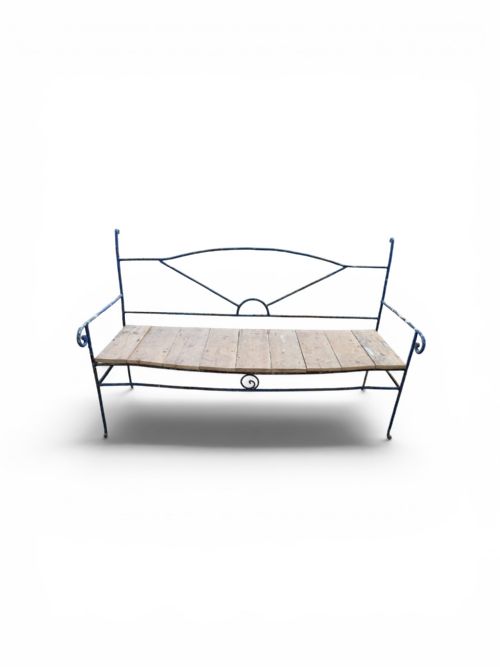
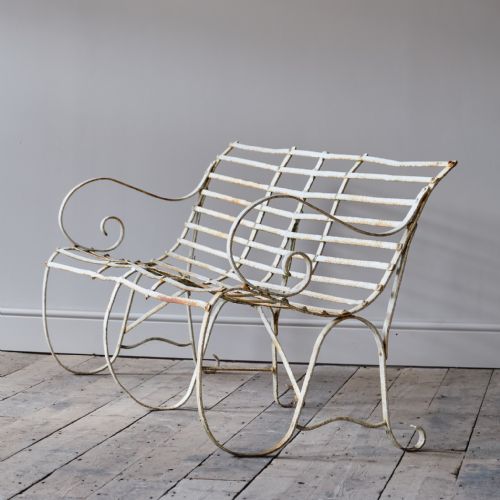
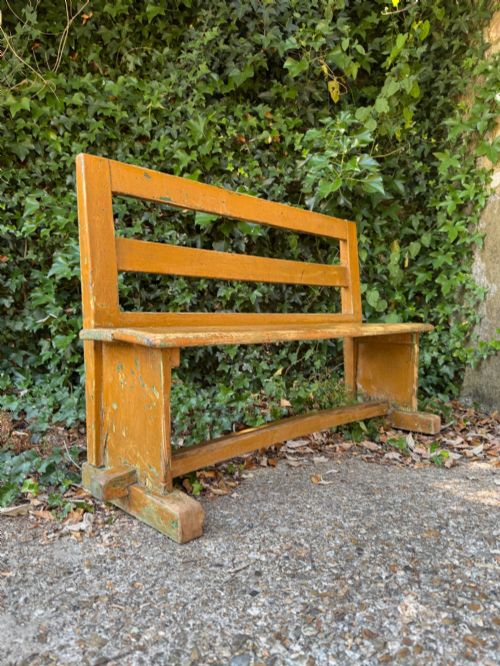
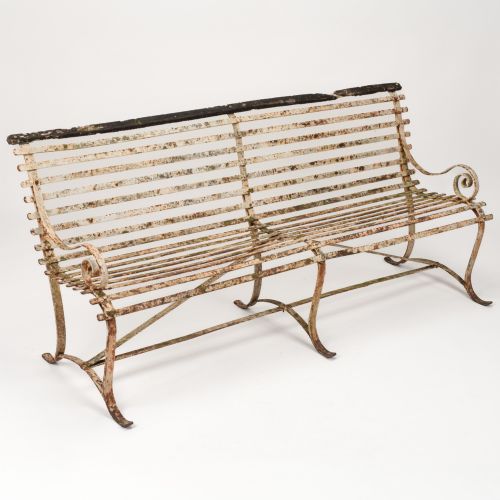
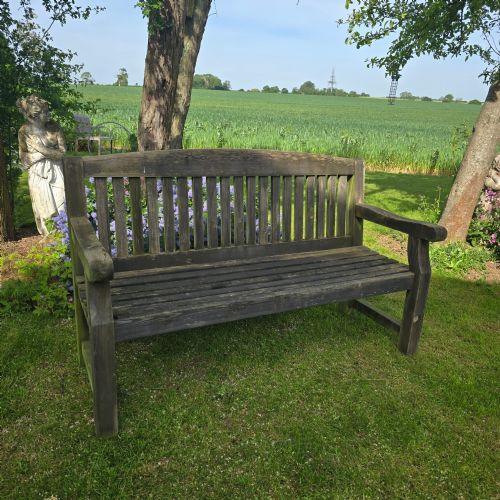
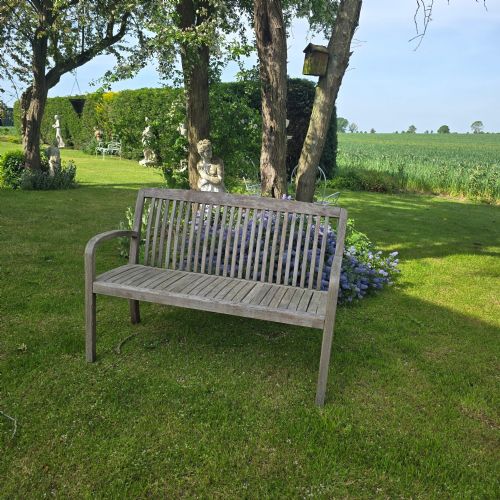
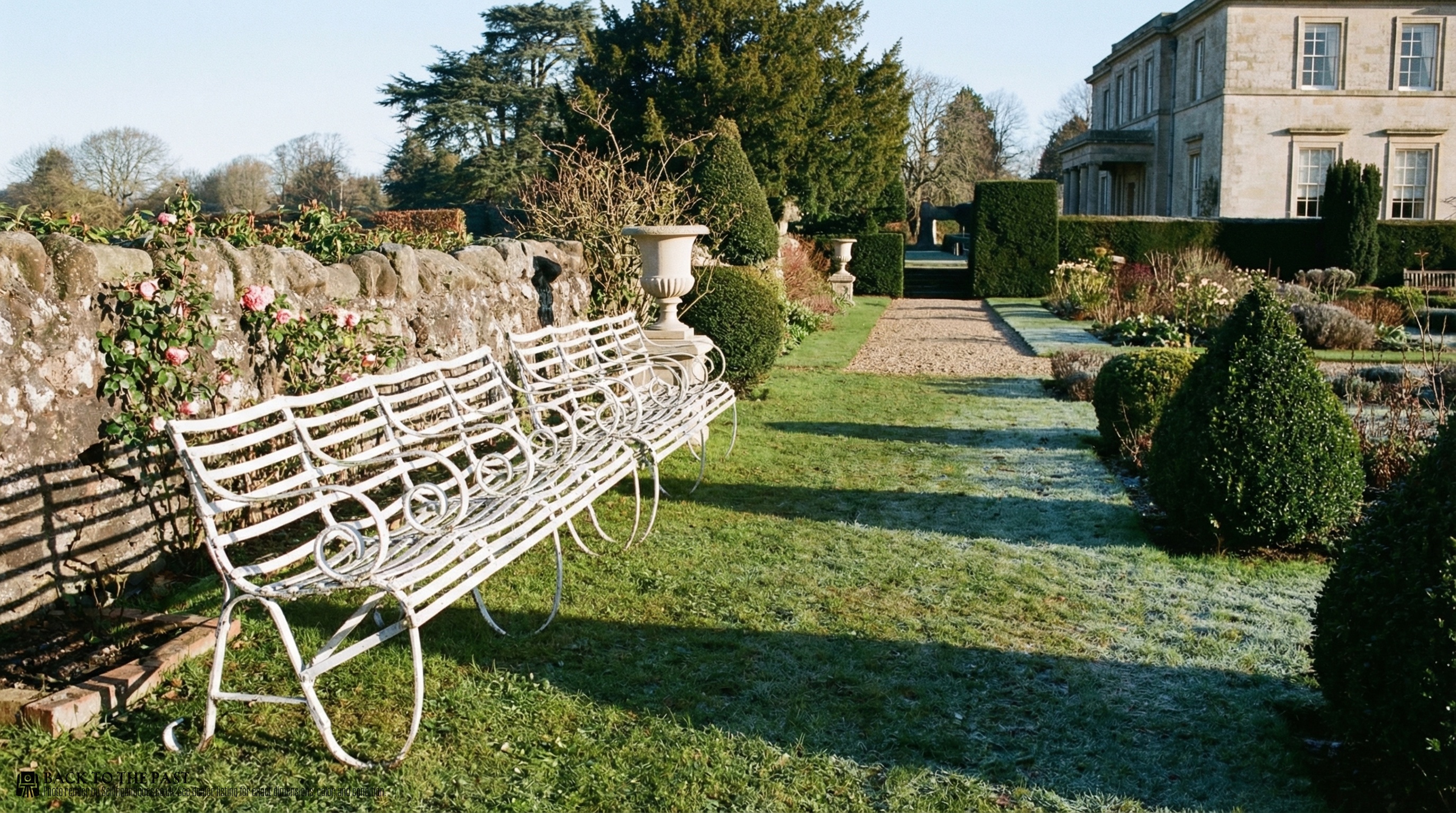
A slatted garden bench is an essential garden seat designed for outdoor placement, drawing on traditions from the nineteenth and twentieth centuries. These pieces combine wooden slats with supportive frames in cast iron, wrought iron, or timber.
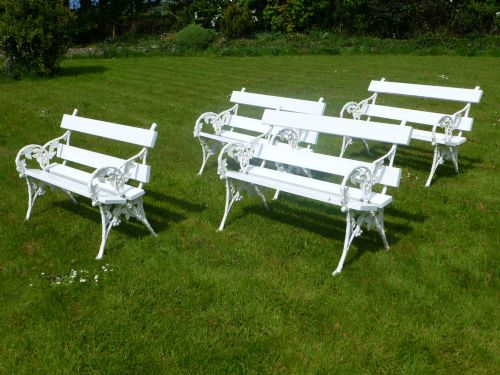
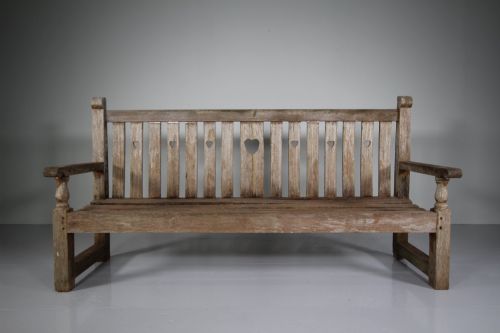
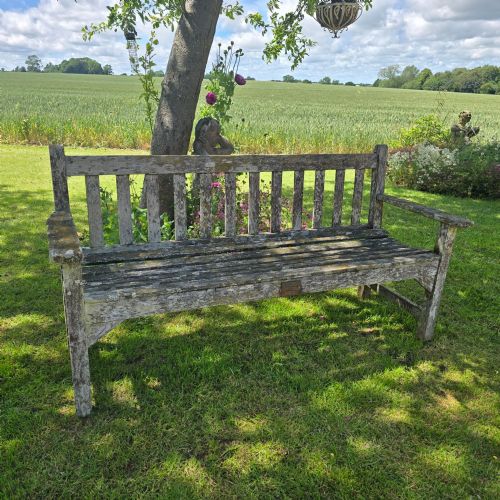
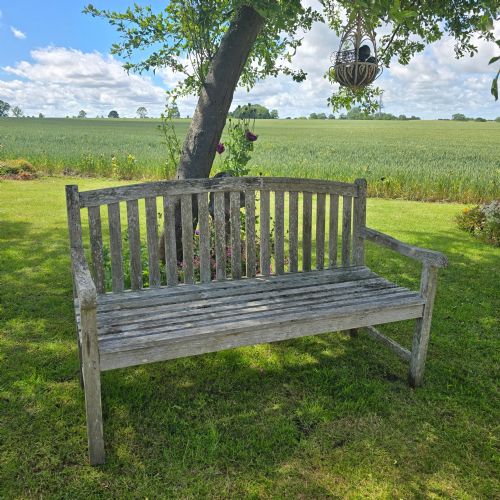
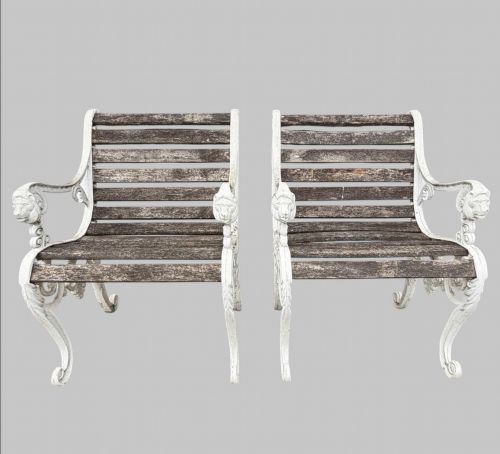
The varieties seen here range from simple Edwardian and later teak versions to elaborate Victorian examples featuring ornate cast iron ends and motifs like the heart, blackberry and leaf, or lion masks.
Buyers will encounter both straight park benches and specialised forms such as tree benches, rustic patterns, and strapwork designs intended for lawns, patios, and country houses.
Materials and Construction
Teak and pine provide the slatted wooden seating surfaces, weathering naturally over decades when exposed to the elements. Cast iron and wrought iron form the durable structural frames, armrests, and decorative ends.
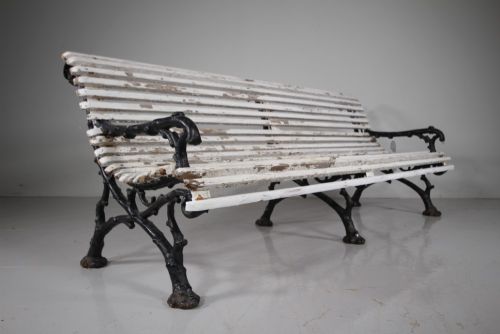
Foundries utilised techniques like sand casting for iron ends, creating intricate botanical and figurative patterns such as the blackberry and leaf design. Timber slats were shaped, drilled, and bolted directly into the metal supports to withstand heavy use.
Slatted Garden Bench Retail Price Guide 2026
Typical asking prices for slatted garden bench among the pieces listed under this phrase on Sellingantiques today, from the lower quarter to the upper quarter. They describe what is for sale here now, not the wider market.
Evaluating Quality
Quality rests upon the crispness of the iron casting and the integrity of the timber slats. Finer examples display deeply detailed foundry work and dense teak that has developed an even silvered patina.
Proportion and originality dictate the standing of a piece. Benches retaining their original paint layers, maker-attributed foundry work, or complete matching pairs hold greater architectural presence in a landscape.
Falkirk Foundry·Coalbrookdale Design
The Slatted Garden Bench Glossary
- Slats
- Narrow strips of wood forming the seat and backrest of the bench. They allow rainwater to drain quickly and prevent warping.
- Strapwork
- Flat metal bars bent and riveted into intricate geometric patterns. This technique frequently appears on nineteenth-century iron bench frames.
- Weathering
- The natural ageing process of wood and metal exposed to weather. Teak develops a characteristic silver-grey tone as it weathers.
- Cast Iron
- Molten iron poured into a mould to create rigid structural ends. It permits high detail in decorative garden furniture.
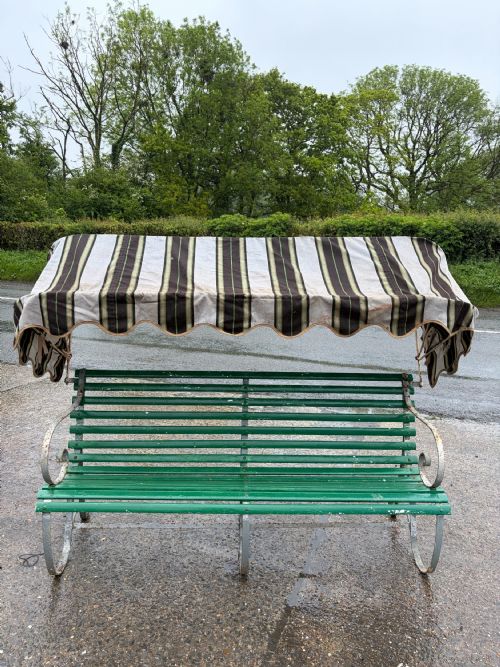
- Canopy
- An overhead structure incorporated into certain Victorian benches. It provided shade and shelter for those seated underneath.
Slatted Garden Bench: Frequently Asked Questions
How do I care for a teak garden bench?
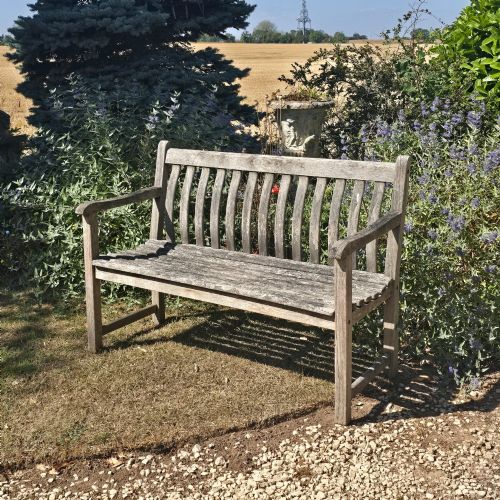
Teak naturally resists rot and weathering due to its high oil content, requiring very little intervention to survive outdoors year-round.
Leaving the wood untreated allows it to develop a distinguished silver-grey patina over time without compromising the structural strength of the slats.
Can these benches stay outside in winter?
These outdoor seats are built to withstand seasonal weather shifts, using durable hardwoods and heavy iron frames designed for park and garden placement.
Ensuring the feet rest on dry paving rather than directly in standing mud will help protect the timber and iron legs through colder months.
How do I distinguish Victorian from Edwardian benches?
Victorian examples tend to feature heavy, ornate cast iron ends with elaborate botanical motifs, strapwork, or figurative details like lion masks.
Edwardian pieces often lean towards simpler architectural lines, lighter proportions, and a wider reliance on well-weathered solid teak construction.
What is a tree garden bench?
A tree bench is constructed in sections to encircle the trunk of a mature garden tree, offering a shaded circular seating area.
These wooden and iron assemblies combine practicality with landscape design, following historical forms seen in country house gardens.