

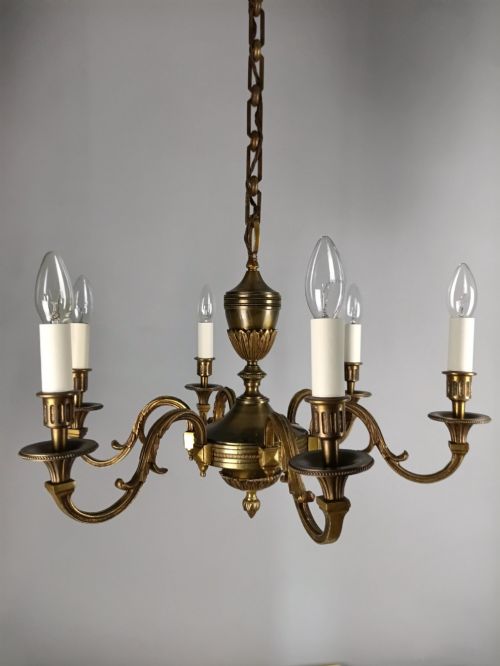
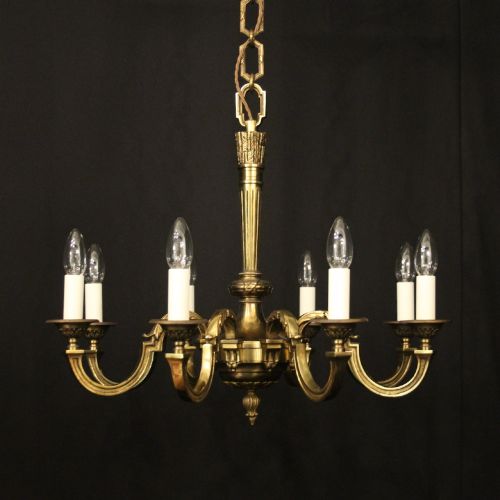
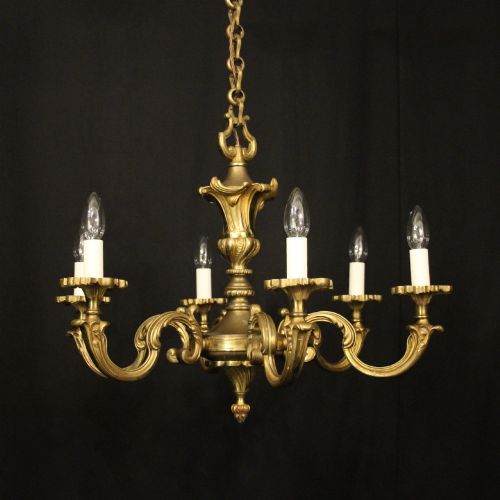
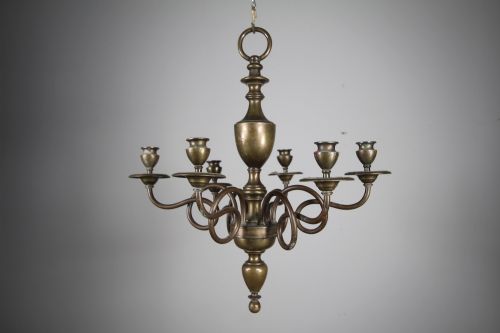
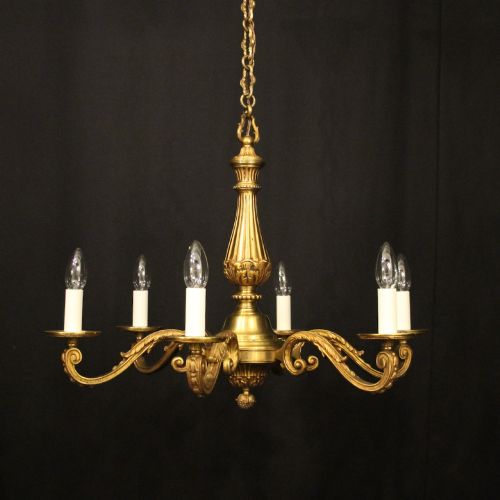
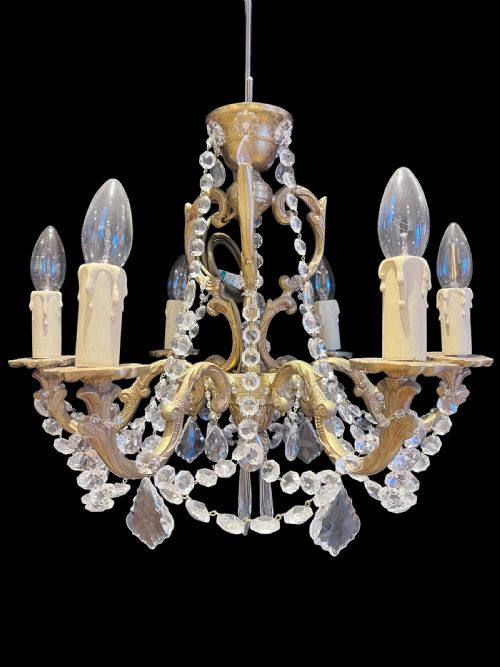
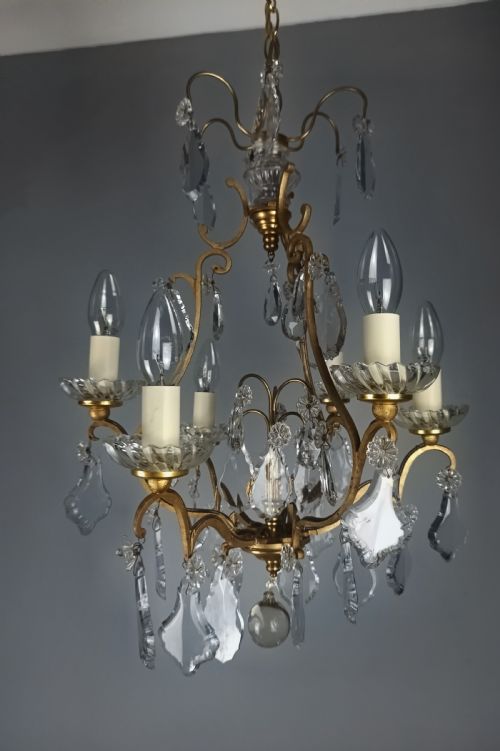
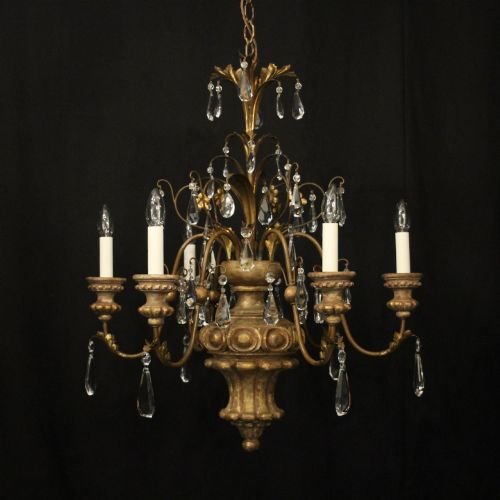
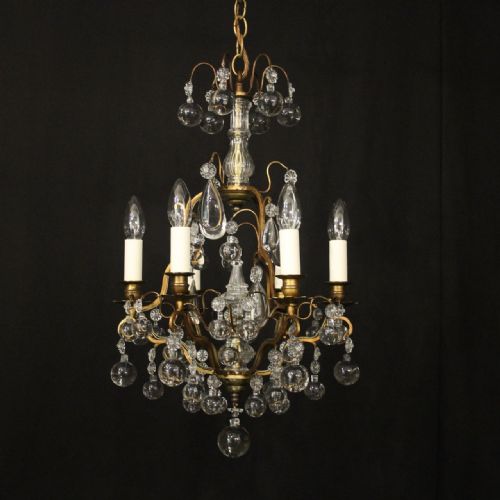
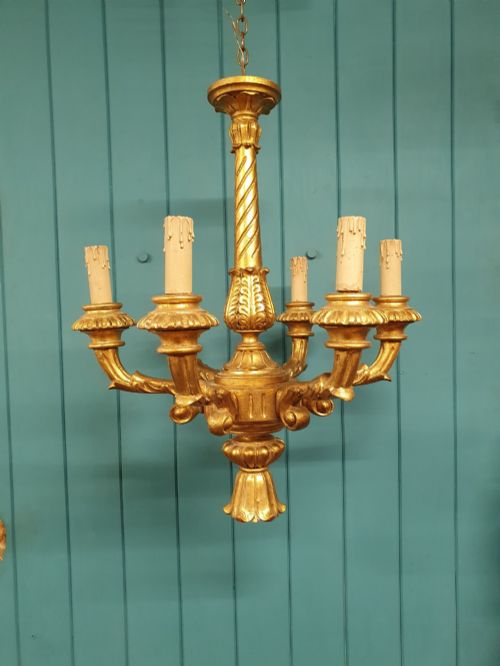
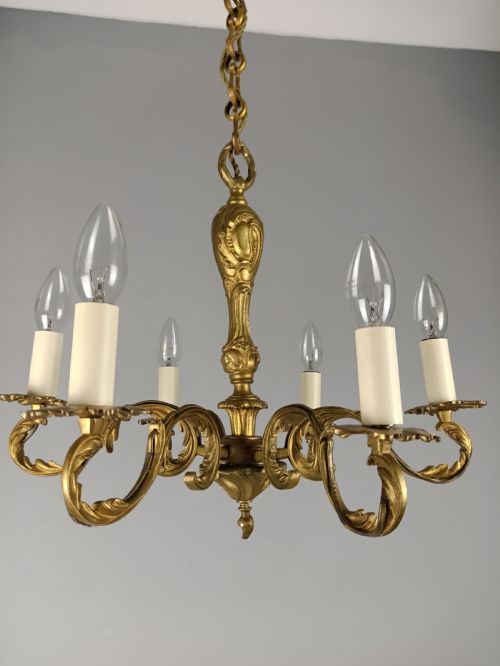

Six Light Candle Chandelier
A six light candle chandelier brings genuine presence to a room, offering both generous illumination and traditional decorative weight.
Six Light Candle Chandelier
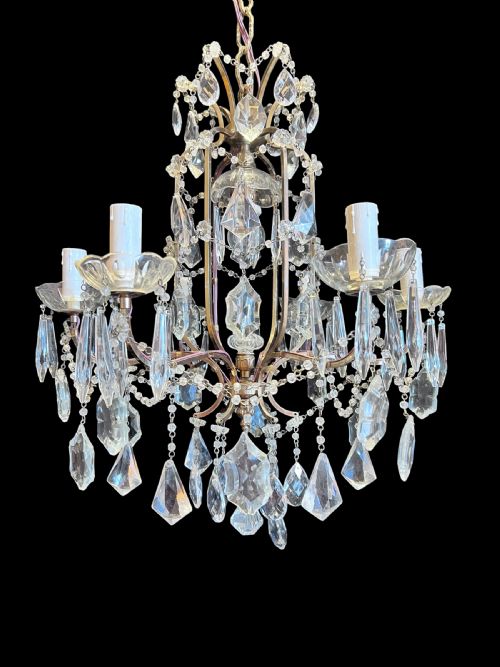
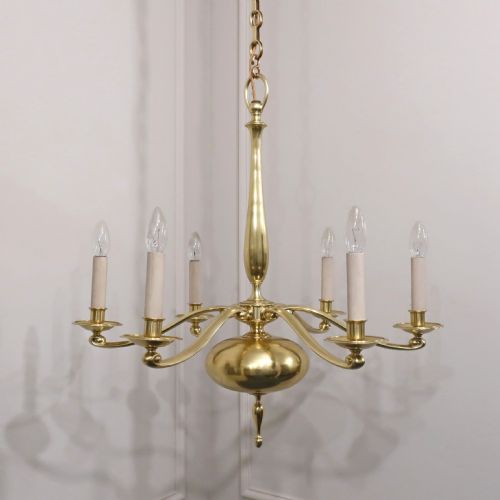
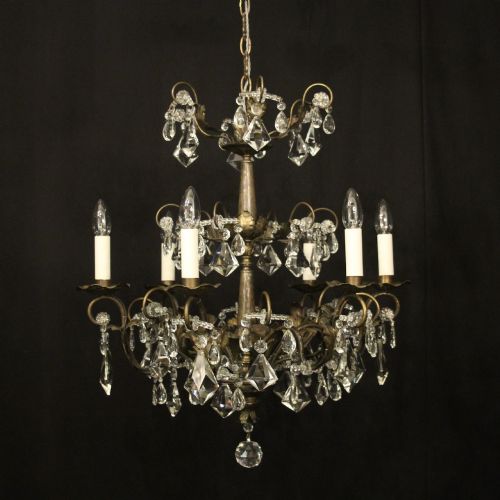
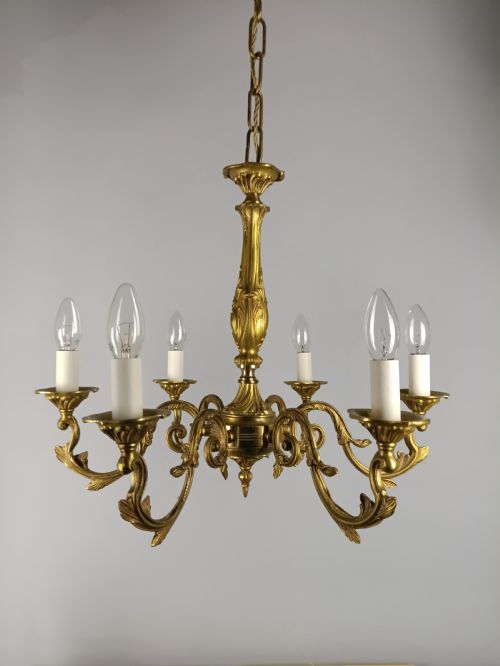
Most pieces date from the 1900s to 1930, capturing periods such as the Art Nouveau era, the Victorian period, and various French revival styles. You will find forms ranging from birdcage structures to multi-arm brass and crystal configurations, as well as distinct Dutch pendant styles. These lighting fixtures serve as focal points in period rooms and high-ceilinged spaces.
The variety spans heavy bronze and brass frameworks, ornate giltwood, and gleaming silver plated metals. Crystal and cut glass drops frequently accompany the metalwork to catch and refract the light. Each piece reflects the decorative priorities of its specific decade, from elaborate Rococo curves to cleaner early twentieth century lines.
Materials and construction methods
The construction of these fixtures relies heavily on cast and worked metals such as brass, gilt bronze, and silvered or silver-plated metal. Artisans shaped structural frames by hand, often applying a gilded finish to bronze or brass to enhance the visual warmth. Crystal and cut glass elements were individually faceted and wired into place to dangle from the arms and crown.
Wooden elements also appear, notably in gesso and giltwood examples where intricate carved details provide structure and decoration. Metal branches or arms were securely joined to central shafts designed to bear the considerable weight of the fixture. Silver gilding and traditional plating techniques gave specific pieces their bright, reflective surfaces.
Six Light Candle Chandelier Retail Price Guide 2026
Typical asking prices for six light candle chandelier among the pieces listed under this phrase on Sellingantiques today, from the lower quarter to the upper quarter. They describe what is for sale here now, not the wider market.
Some adventurous homeowners convert these candle-powered frames to electricity while secretly leaving one fake wax candle for dramatic effect.
Defining factors of quality
Quality in these chandeliers is determined by the crispness of the metal casting and the depth of the gilding or silvering applied to the surface. Finer examples display meticulous hand-chasing on bronze and brass components, ensuring sharp details on leaves, scrolls, and structural mounts. The integration of the glass or crystal drops, from their clarity to their secure mounting, further separates standard production from superior work.
The architectural proportions of the arms and the overall balance of the frame dictate the visual success of the piece. Heavier gauge metals and robust internal construction ensure stability, marking out workshops that prioritized longevity alongside ornamentation.
G.E.C
The Six Light Candle Chandelier Glossary
- Gilt bronze
- Bronze that has been coated with a thin layer of gold or gold paint. This technique protects the underlying metal while providing a rich, warm metallic sheen.
- Birdcage chandelier
- A lighting fixture featuring a skeletal metal frame shaped like an avian cage, typically draped with strings of crystal beads and pendants.
- Gesso
- A plaster-like mixture applied to wood surfaces as a base for gilding or painting. It allows craftsmen to carve intricate relief decorations before applying gold leaf.
- Marie Theresa chandelier
- A distinctive style of chandelier characterised by flat metal arms covered in glass plates and secured with star-shaped rosettes. They often feature abundant crystal festoons.
- Cut glass
- Glass that has been faceted using a wheel to create sharp geometric patterns that refract light. It adds brilliance and sparkle to antique lighting fixtures.
Six Light Candle Chandelier: Frequently Asked Questions
What rooms suit a six light candle chandelier?
These large fixtures suit dining rooms, high-ceilinged entryways, and principal reception rooms where they can act as a central focal point. Their scale demands adequate clearance below the lowest point for foot traffic.
In smaller spaces, lower-profile versions or compact designs help maintain comfortable proportions without overwhelming the room.
How do I clean crystal and glass drops?
Cleaning requires removing dust with a soft feather duster before wiping individual glass pieces with a mild solution of warm water and a gentle cleaner. Support each drop from beneath so the mounting pins do not strain under pressure.
Leave the crystal to air dry completely or buff gently with a lint-free cloth to restore its natural sparkle.
How do I identify French revival styles?
French revival styles like Rococo or Neoclassical draw on eighteenth-century motifs, featuring asymmetrical scrolls, acanthus leaves, and naturalistic floral forms. Look for cast bronze or brass frames finished with bright or antique gilding.
These pieces often incorporate an abundance of crystal drops and curved arms that emulate earlier candle-burning prototypes.