



Italian Florentine Ceiling Light
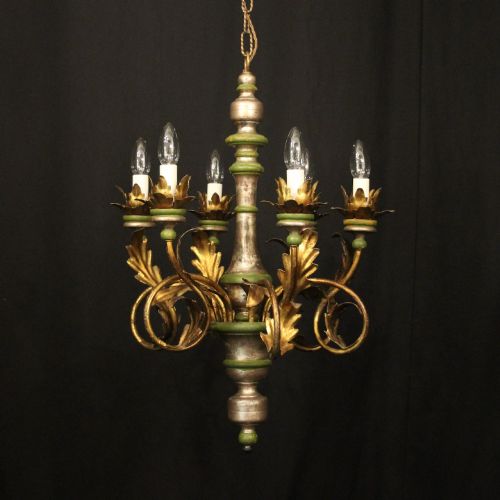
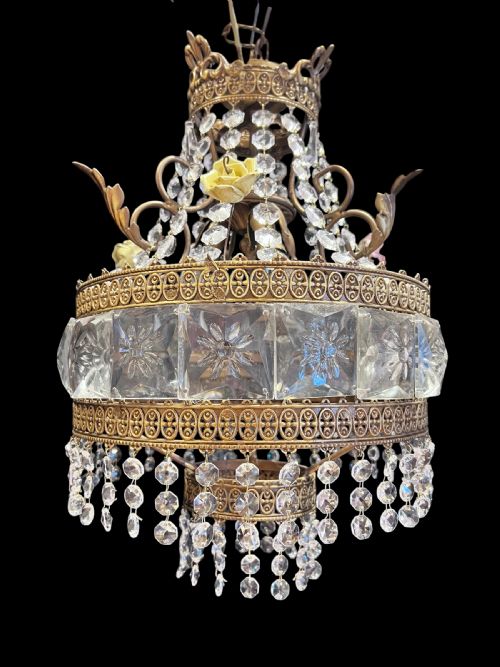
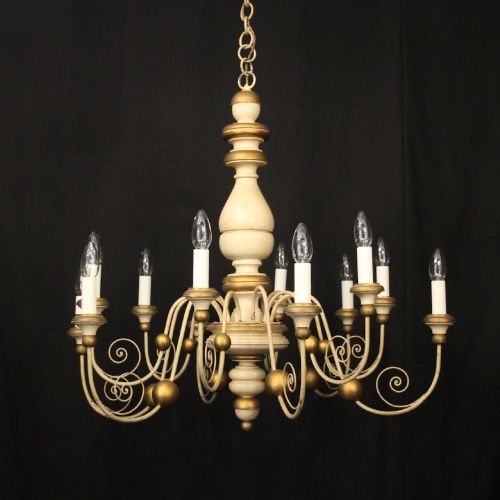
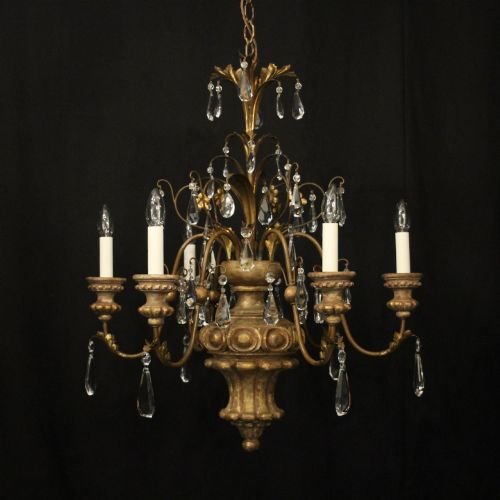
An italian florentine ceiling light brings rich regional craftsmanship and warm illumination into a room, combining carved woodwork with glittering drops.
Italian Florentine Ceiling Light
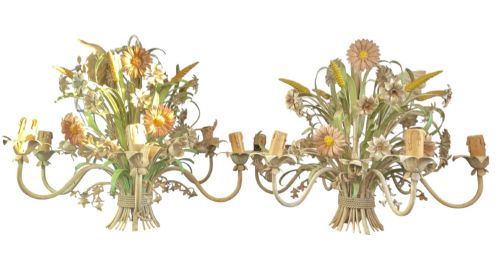
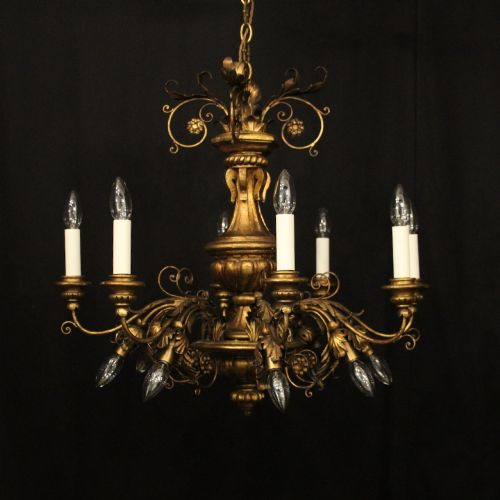
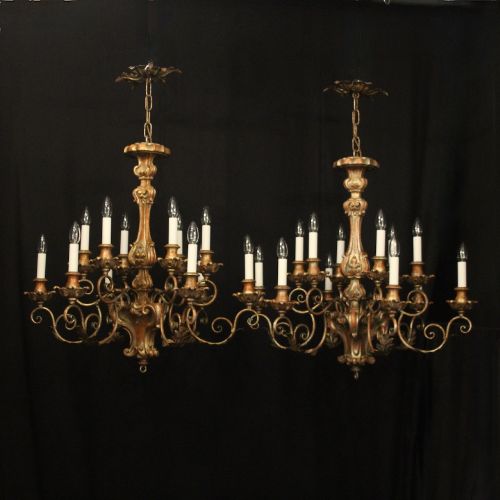
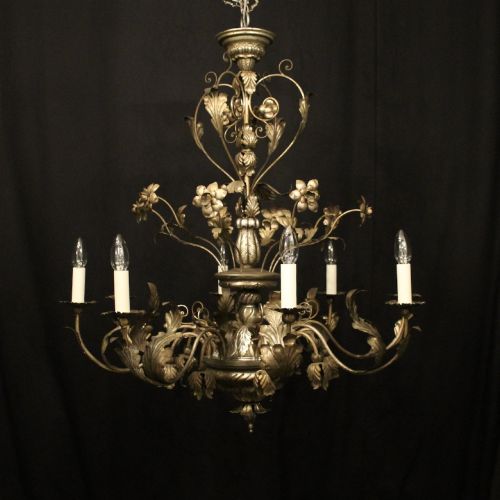
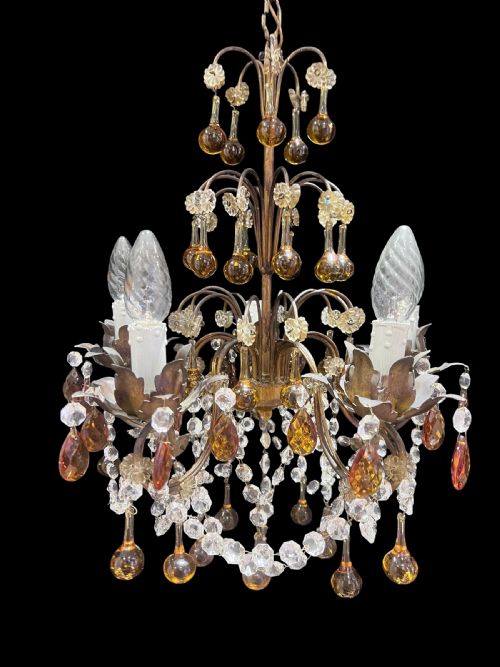
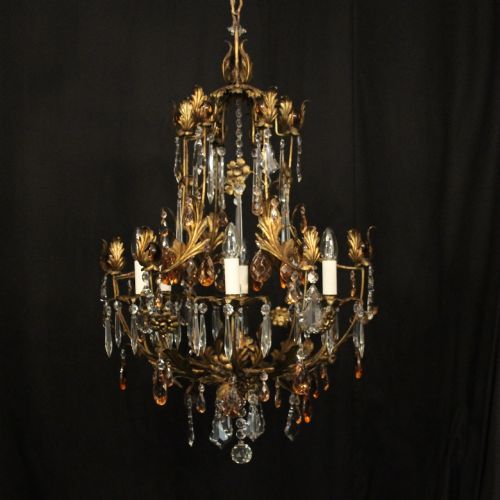
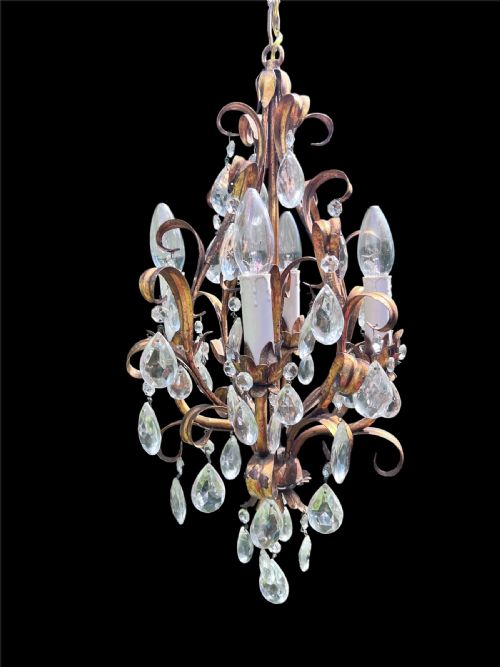
An italian florentine ceiling light encompasses multi-tiered chandeliers, pendant lights, and hanging lanterns originating from Italy across the eighteenth, nineteenth, and early twentieth centuries. The most common examples seen here are larger multi-light chandeliers and lanterns dating from the early decades of the twentieth century, particularly the 1920s and 1930s.
These fixtures typically take the form of elaborate framework holding multiple candle-style arms, often arranged across single or double tiers. They appear in styles ranging from Florentine Baroque and Rococo Revival to simpler rustic interpretations.
The aesthetic relies heavily on regional decorative traditions, incorporating carved elements and floral motifs that distinguish them from northern European lighting. Buyers select them to anchor high ceilings in both period and contemporary interiors.
Materials and construction
Makers constructed the structural frames primarily from carved giltwood, gesso, gilt metal, and wrought iron, applying gold leaf or polychrome finishes to achieve a rich surface texture. Giltwood and gesso elements often feature intricate leaf and floral carvings typical of the Florentine workshop tradition.
Lighting assemblies incorporate glass, crystal drops, and coloured crystals, sometimes accented with porcelain flowers or glass fruits. Wiring and metal armatures support these components, balancing heavy wooden frames with sparkling glass elements.
Italian Florentine Ceiling Light Retail Price Guide 2026
Typical asking prices for italian florentine ceiling light among the pieces listed under this phrase on Sellingantiques today, from the lower quarter to the upper quarter. They describe what is for sale here now, not the wider market.
Listings span periods from the eighteenth century through the 1930s, featuring materials such as giltwood, gesso, wrought iron, and coloured crystal.
Variations in quality
The distinction between standard and superior pieces rests on the depth of the carving and the richness of the gilding. Hand-carved wooden frames with layered gold leaf display a physical warmth and precision that simpler moulded or painted substitutes lack.
Complexity of form and completeness of original components also set examples apart. Multi-tiered arrangements carrying numerous lights, intact beaded garlands, and original coloured crystal drops represent the more ambitious output of the workshops.
The Italian Florentine Ceiling Light Glossary
- Giltwood
- Wood that has been coated with a thin layer of gold leaf. This finish protects the carved surface underneath while providing a luminous metallic sheen.
- Gesso
- A plaster-like mixture applied to wood surfaces to create a smooth base for gilding and fine carving. It allows craftsmen to model crisp floral and leaf details.
- Polychrome
- Painted in several colours. This decorative treatment appears alongside gilding on pieces to highlight specific floral and structural elements.
- Beaded
- Decorated with strings of small glass or crystal beads. These strands drape across the frame to catch and refract light from the bulbs.
Italian Florentine Ceiling Light: Frequently Asked Questions
How do I clean an antique chandelier?
Dust the metal frame and wooden elements gently with a soft dry cloth to prevent accumulation. Clean glass drops and crystals carefully using a mild solution without removing the fixture from its suspension.
Avoid harsh chemical sprays that might damage the gilt leaf or painted surfaces. Regular maintenance keeps the glass components bright and preserves the underlying finish.
Are these lights suitable for low ceilings?
Most surviving examples feature multiple tiers or extended drop lengths designed for rooms with generous vertical space. Hanging them too low can disrupt the proportions of a standard domestic interior.
Shorter pendant lights and hanging lanterns offer alternative proportions for spaces with restricted clearance. Consider the drop height carefully before selecting a multi-armed chandelier.
How do I determine the date of a piece?
Dating relies on stylistic clues, construction methods, and materials recorded across different periods. Pieces from the eighteenth century show distinct hand-carving techniques compared to twentieth-century revivals.
Examine the wiring channels, joinery, and the composition of the gesso or metalwork. Comparing these details with documented examples helps narrow down the decade of production.
Can modern bulbs be used safely?
Many older fixtures have been rewired to accommodate standard modern lamp holders and electrical safety standards. It is advisable to inspect the internal wiring of any vintage acquisition.
Consult a qualified electrician to ensure the metal frame and antique sockets can handle contemporary power loads. Low-heat LED candle bulbs help protect delicate crystal and painted components.