

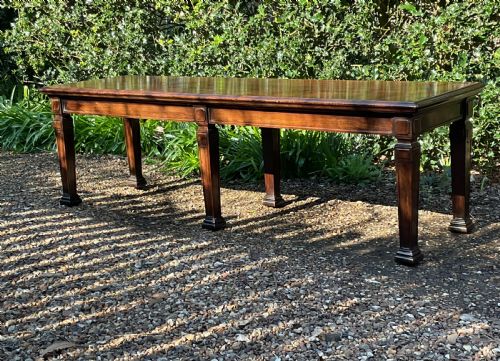


Six Legged Table
A six legged table provides the extra underframe support needed for large dining rooms and libraries, balancing utility with traditional timber craftsmanship.
Six Legged Table
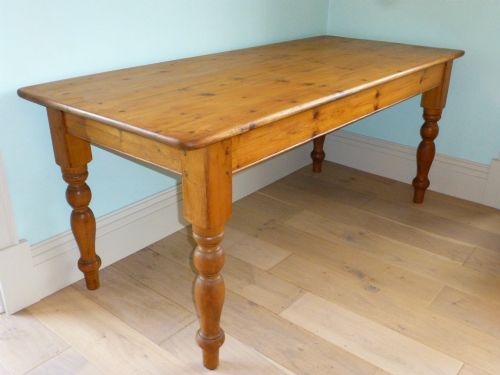
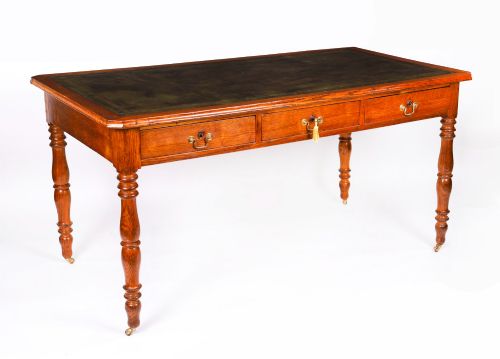
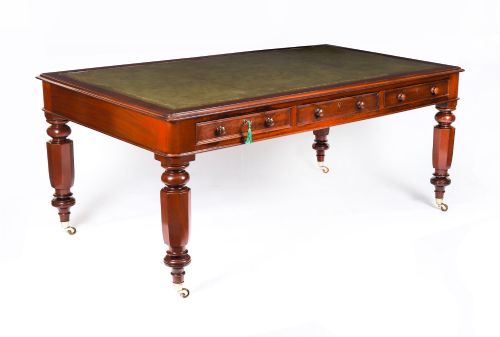
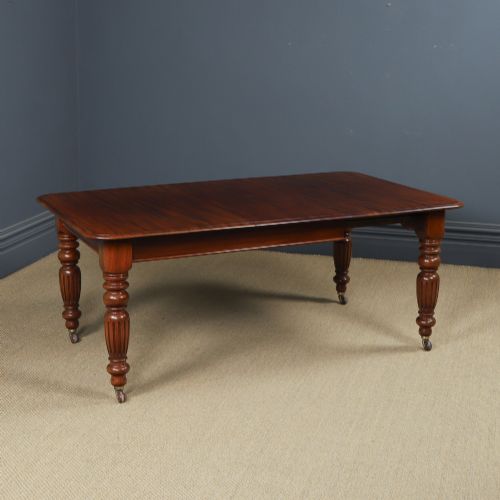
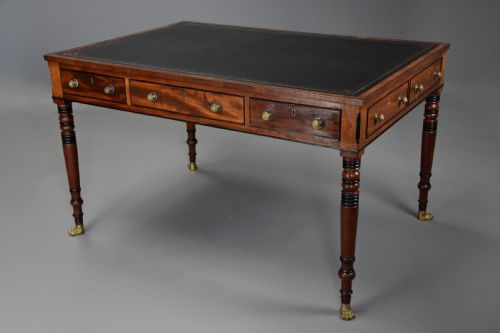
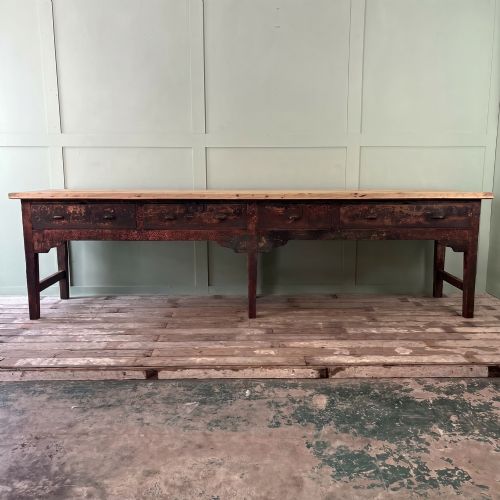
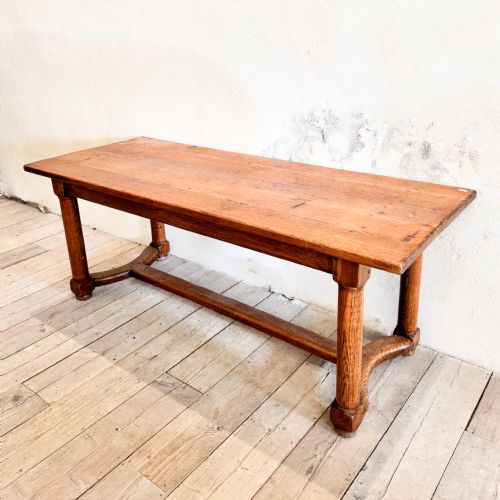
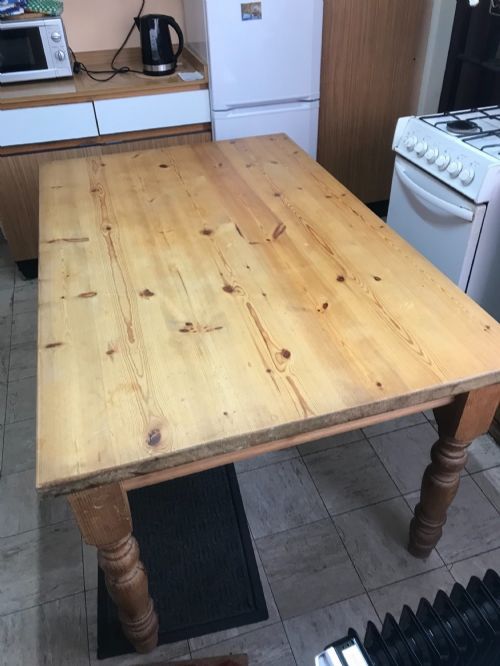
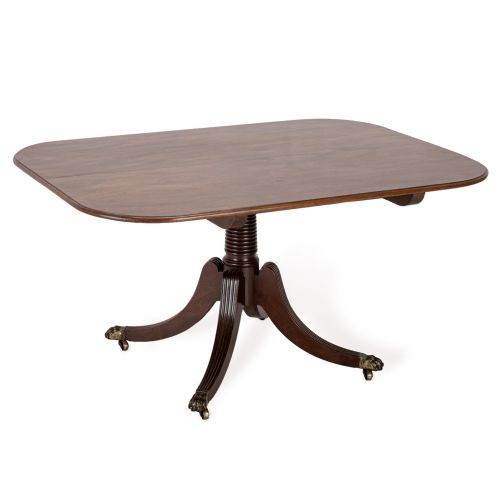
A six legged table spans several distinct forms including substantial dining tables, writing desks, sideboards, and occasional pieces. Buyers searching for a six legged table typically encounter sturdy mahogany and oak examples designed to seat six or more people comfortably.
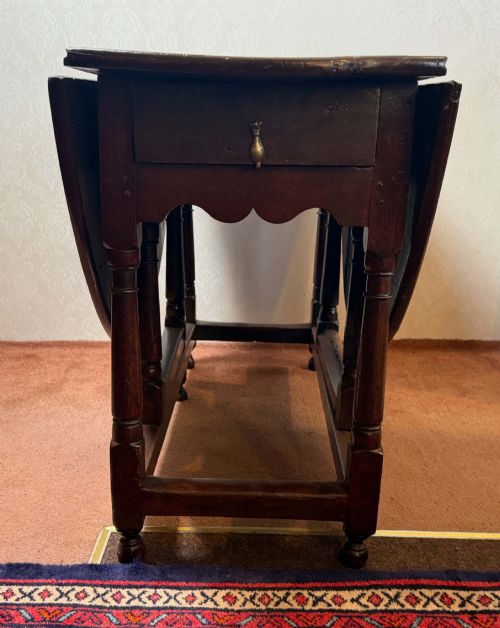
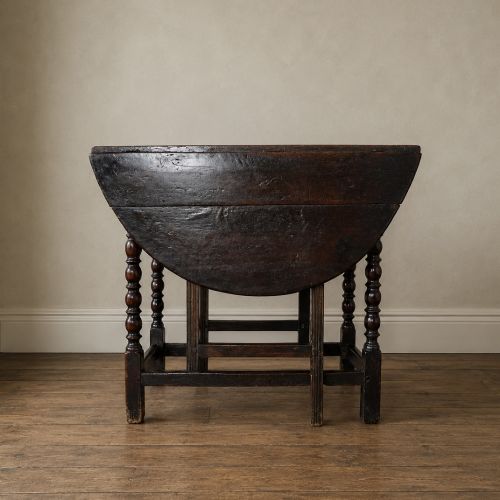
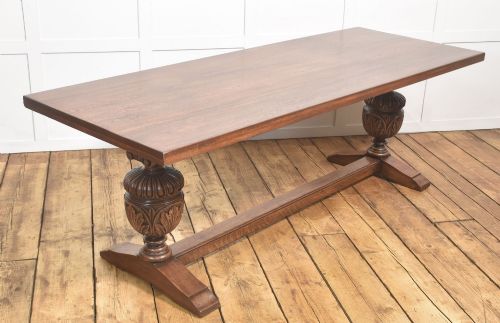
The selections range from early Georgian drop-leaf and gateleg designs to Victorian extending dining tables and refectory formats. These pieces originate from periods spanning the seventeenth century through to the Edwardian era, reflecting various country and formal domestic uses.
Materials and construction
Makers utilised dense timbers such as mahogany, oak, and pine to construct the frames and surfaces of these tables. Brass hardware often reinforces extending mechanisms, whilst leather inserts appear on library desks and writing tables.
Joinery methods include turned legs, gateleg supports, and refectory framing to distribute the weight across six vertical points. Surfaces are finished with polish or paint depending on whether the piece originates from a formal dining room or a rustic farmhouse kitchen.
Six Legged Table Retail Price Guide 2026
Typical asking prices for six legged table among the pieces listed under this phrase on Sellingantiques today, from the lower quarter to the upper quarter. They describe what is for sale here now, not the wider market.
The listings feature mahogany, oak, pine, and satin birch across centuries ranging from the seventeenth to the twentieth.
Variations in quality
Quality depends upon the selection of figured timber veneers and the structural integrity of the six-leg underframe. Superior examples maintain smooth extending actions or stable gateleg pivots without sagging.
The refinement of turned leg details, the retention of original surface patination, and the neatness of joinery distinguish high-status library and dining pieces from utility kitchen tables.
The Six Legged Table Glossary
- Refectory table
- A long narrow dining table traditionally used in communal halls and robustly built with multiple legs.
- Drop leaf table
- A table with hinged flaps on either side that can be folded down to save space or raised on supporting legs.
- Gateleg table
- A drop leaf table where the legs swing out like a gate to support the raised flaps.
- Patina
- The surface sheen and colour developed on timber over decades of use and polishing.
- Extending table
- A dining table designed with a central mechanism and removable leaves to increase surface length.
Six Legged Table: Frequently Asked Questions
How many people does a six legged table seat?
These tables typically accommodate six individuals comfortably, though extending dining versions can take additional leaves to seat larger groups.
Buyers should check the specific length and leg placement to ensure chairs fit easily between the vertical supports.
What rooms suit a six legged table?
Dining rooms and large kitchens suit the larger refectory and extending formats, whilst smaller occasional versions fit hallways and drawing rooms.
Library tables with drawers find a natural home in studies or home offices.
How do I identify the period of a six legged table?
Period identification relies on timber choice, leg turning styles, and construction methods such as hand-cut joints versus later mechanical fixings.
Georgian and Regency pieces display refined mahogany work, whereas seventeenth and eighteenth-century examples lean towards heavier oak.
Are six legged tables stable on uneven floors?
The extra underframe supports distribute weight across six points, which helps prevent the rocking often found in four-legged designs.
Careful positioning ensures all six feet make solid contact with the floorboards.