






Six Legged Armchair
These six legged armchair pieces are substantial seating forms built to hold a room, offering both history and solid construction for daily use.
Six Legged Armchair
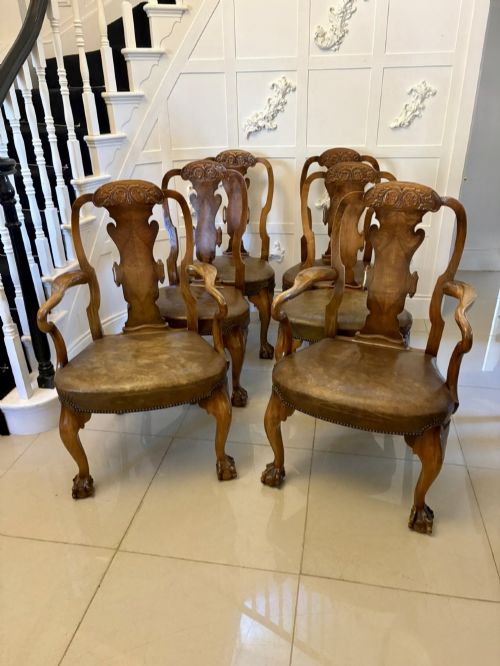
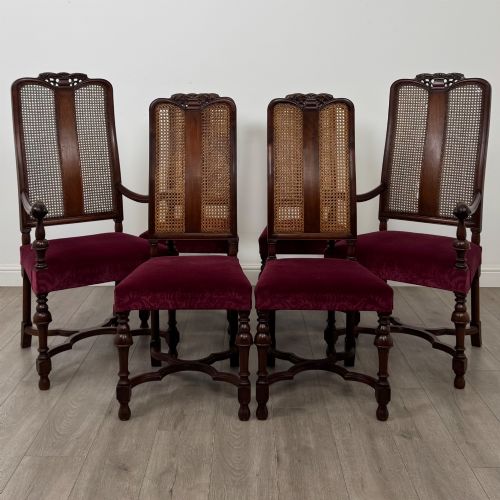
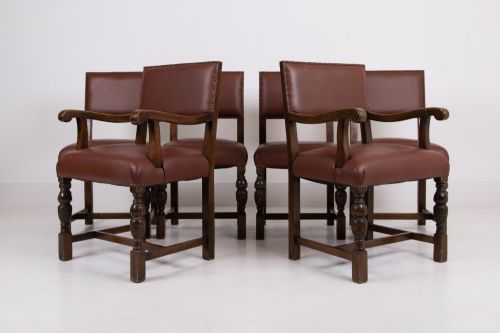
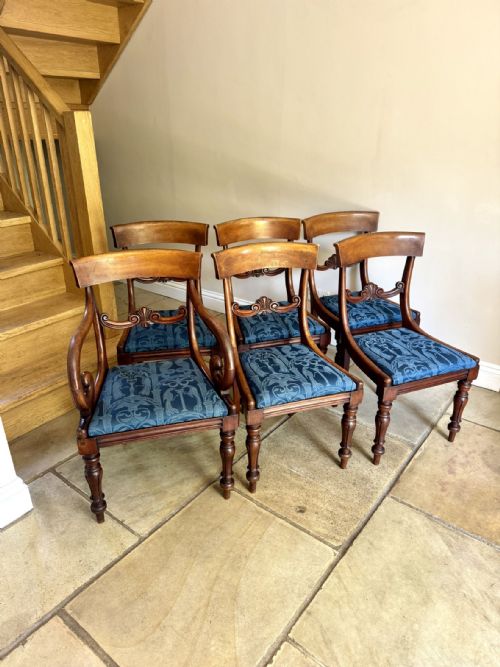
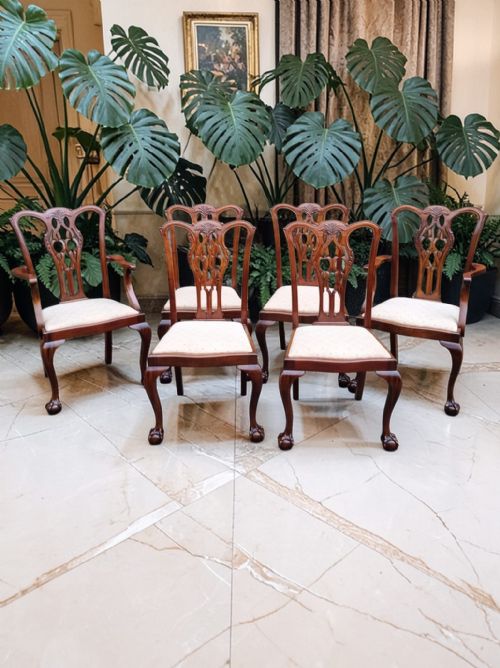
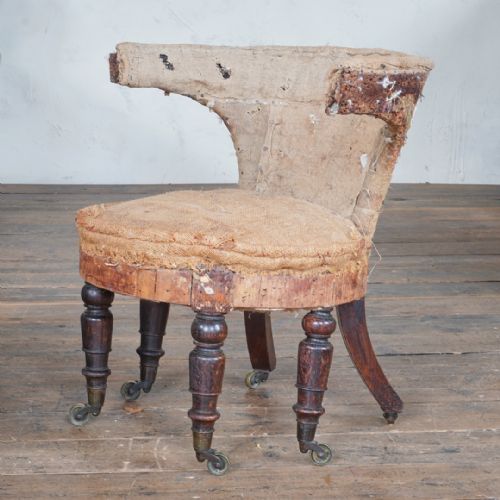
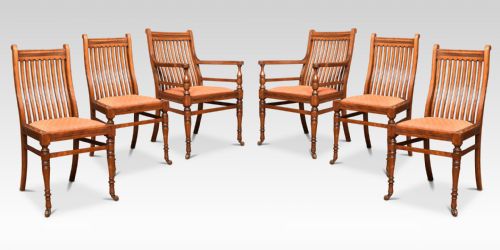
When you search for a six legged armchair, you encounter robust seating spanning the 19th Century, Victorian, Edwardian, and Regency eras. These pieces appear in forms such as elbow open armchairs, desk chairs, and burgermeister chairs.
The materials you meet most frequently include mahogany, oak, and walnut, often paired with leather, cane, or velvet upholstery. Styles range from Regency and Chippendale Revival to Carolean Revival and Victorian Country.
Construction and materials
Frames take shape in solid timbers like mahogany, oak, and walnut, shaped through traditional joinery to support the extra weight of six legs. Artisans incorporated carved details into the backs and arms during the Victorian and Edwardian periods.
Upholstery relies on leather, velvet, and fabric inserts, secured with brass fixings where appropriate. Cane and rush seating also appear on specific regional and provincial kitchen or dining forms.
Assessing quality and craftsmanship
The distinction between standard output and finer examples rests upon the crispness of the carved details on the woodwork and the selection of timber grain. Heavy mahogany and figured walnut denote deliberate choices by the maker.
Structural integrity depends on the tightness of the joints where the six legs meet the seat frame. Original upholstery materials and period brass work elevate the historical interest of a piece.
S&H Jewell·James Shoolbread
The Six Legged Armchair Glossary
- Burgermeister's chair
- A sturdy, heavy armchair featuring multiple legs and turned stretchers, often associated with civic seating. It provides a wide seat and substantial height.
- Elbow open armchair
- A chair with arms that is not fully upholstered on the sides. This form allows freedom of movement while seated at a desk or dining table.
- Carolean Revival
- A late 19th-century style mimicking the ornate, carved walnut furniture of the late 17th century. It employs scrolling woodwork and high backs.
- Chippendale Revival
- A style drawing on the 18th-century designs of Thomas Chippendale, characterised by carved mahogany backs and cabriole or straight legs.
Six Legged Armchair: Frequently Asked Questions
Where were these armchairs placed?
These chairs served as principal seating in studies, dining rooms, and civic halls where substantial furniture was required to anchor the interior layout.
Their robust frames and multiple legs provided the necessary stability for daily use in formal rooms.
How do I date a six legged armchair?
Dating relies on identifying the primary wood species, such as Regency mahogany or Victorian walnut, alongside stylistic revival markers. Cabinetmakers of different eras utilised distinct turning methods for extra legs.
Examine the joinery beneath the seat and the wear patterns on the wood to confirm the period of manufacture.
Can I use these chairs daily?
Solid timber construction in mahogany and oak makes these chairs suitable for regular seating when joints remain sound. Leather and fabric upholstery can be maintained or replaced as needed.
Ensure the six-leg base sits evenly on your floor surface to prevent undue stress on individual joints.
What defines a Regency armchair?
Regency pieces focus on classical restraint, utilising dark mahogany and clean lines inspired by ancient Roman and Greek forms. They often feature open elbow arms and subtle brass accents.
These designs contrast with the heavier, more heavily carved aesthetic of later Victorian revival styles.