

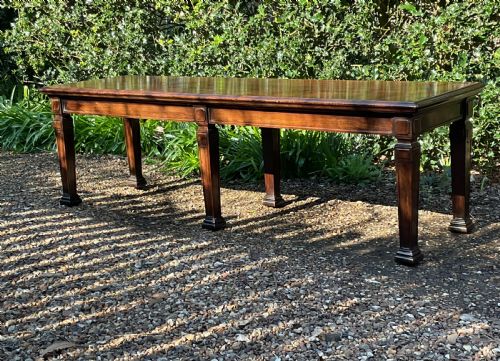


Six Leg Table
A six leg table provides stable proportions and generous seating capacity, spanning robust oak refectory forms and elegant mahogany dining designs.
Six Leg Table
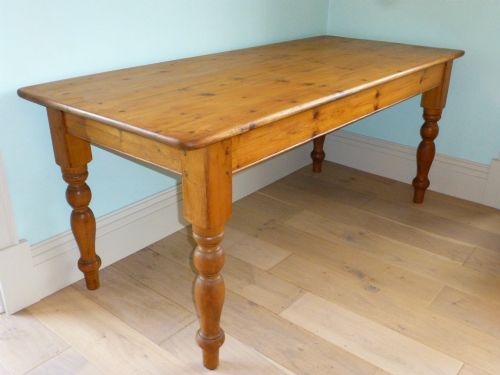
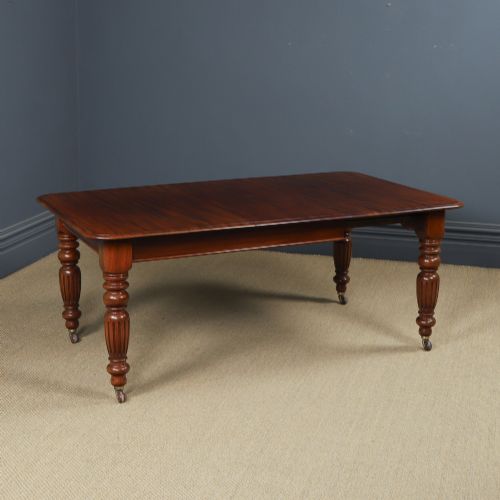
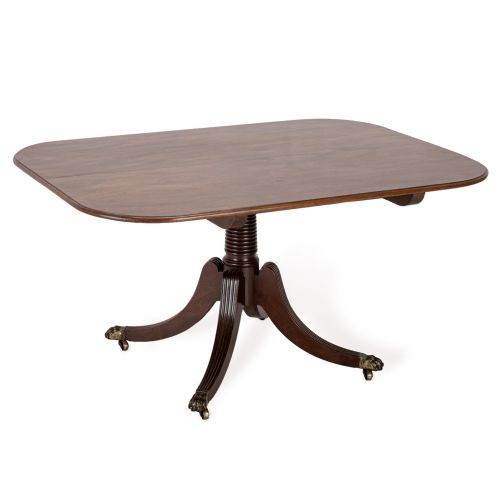
A six leg table generally appears in larger formats designed for dining, writing, or serving, utilising the extra supports to manage substantial lengths and heavy tops. Buyers searching for a six leg table frequently encounter expansive Victorian and Georgian dining designs, alongside rustic oak refectory and pine farmhouse examples.
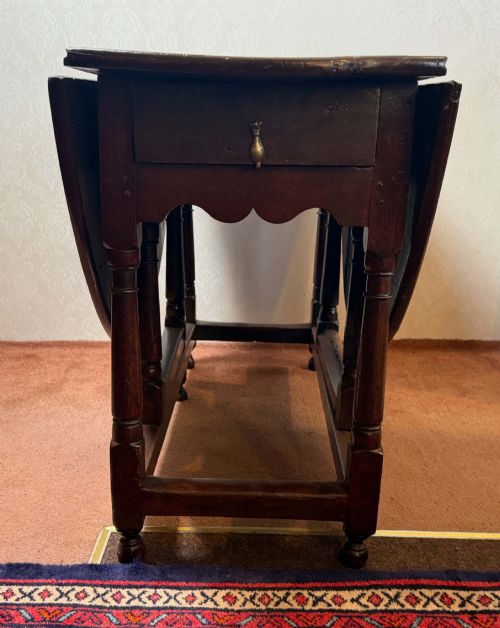
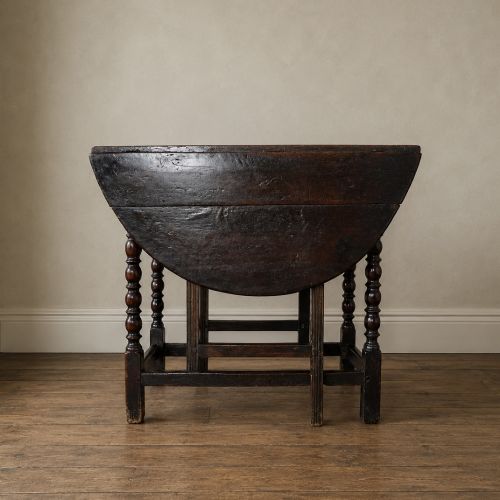
The form spans multiple periods, including 18th-century gateleg and drop-leaf formats, Regency dining tables, and Edwardian occasional pieces with six-sided tops. These pieces serve practical functions in kitchens, libraries, and dining rooms, offering extended surface area and enhanced structural stability.
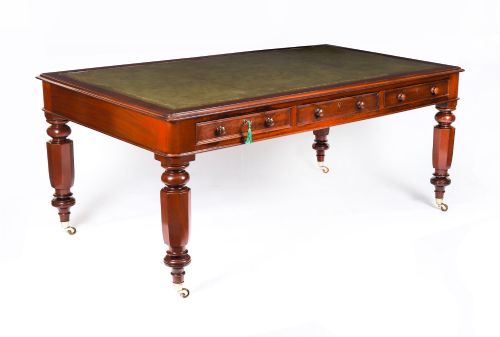
Originating predominantly from British country houses and formal town residences, these tables accommodate groups comfortably while displaying period-specific timber treatments. The prevalence of mahogany and oak across the listings demonstrates how makers balanced utility with formal style.
How they were made
Makers constructed these tables primarily using solid mahogany, oak, and pine, selecting timber based on the intended domestic or formal setting. Hardwoods like mahogany and oak provided the strength needed for multi-legged underframes, while pine served reliably in kitchen and serving furniture.
Joinery methods relied on sturdy mortise and tenon joints to secure the six legs to heavy aprons and rails, preventing sway in large dining formats. Turned, tapered, or gateleg supports distributed weight evenly across the floor surface, maintaining stability on uneven ground.
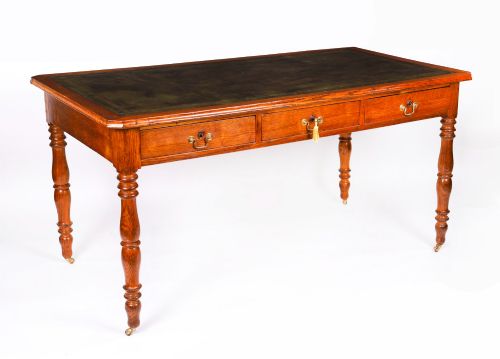
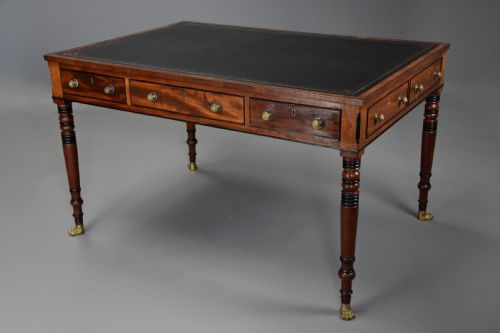
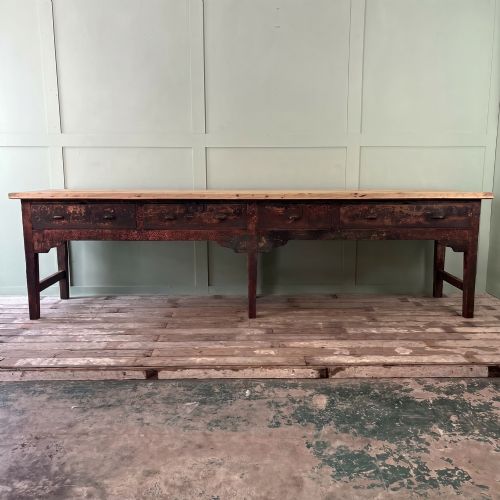
Surface finishes involved wax, polish, or paint applied to timber surfaces, highlighting the natural grain of figured mahogany or the rustic texture of oak and pine. Brass fittings appeared on drawer-equipped library tables and writing desks, adding functional hardware to the primary timber construction.
Six Leg Table Retail Price Guide 2026
Typical asking prices for six leg table among the pieces listed under this phrase on Sellingantiques today, from the lower quarter to the upper quarter. They describe what is for sale here now, not the wider market.
One exceptional library table previously served the Honourable Company of Edinburgh Golfers.
What varies in quality
Quality separates examples through the selection and matching of timber veneers, the precision of leg turnings, and the integrity of the structural frame. Superior dining and library tables utilise finely figured mahogany and substantial oak, whereas simpler utilitarian pieces rely on plain pine or secondary woods.
Construction details distinguish workshop output, notably the depth of drawer linings, the retention of original leaves in extending dining tables, and the tightness of joints. Tables maintaining their original patination and undisturbed surface finishes demonstrate superior preservation compared to heavily altered or over-restored pieces.
Honourable Company of Edinburgh Golfers
The Six Leg Table Glossary
- Refectory table
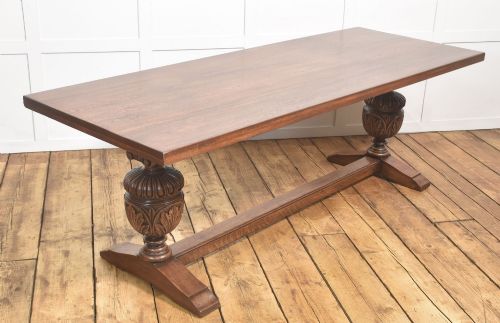
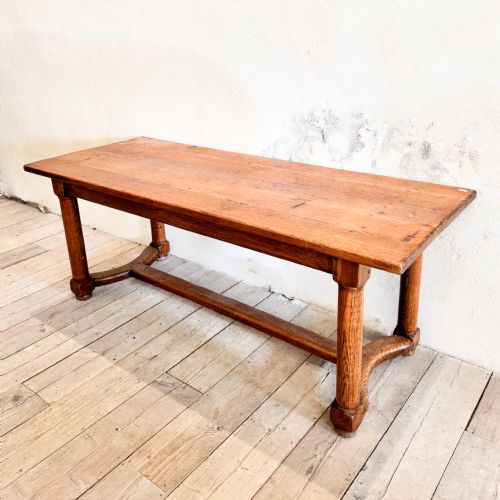
- A long, narrow dining table traditionally used in communal halls and later adapted for domestic dining rooms. These pieces often feature stretcher bases and robust wooden legs.
- Gateleg table
- A drop-leaf table with hinged flaps supported by swing legs that pivot outward from the frame. This design allows the surface area to expand or contract.
- Patina
- The surface sheen and colour acquired by timber over decades of use, cleaning, and exposure to light. Collectors value untouched patination as a sign of age and authenticity.
- Partners desk
- A large writing table designed for two people to work opposite one another, typically featuring drawers on both long sides. These items often incorporate brass pulls and leather-inset tops.
- Extending dining table
- A table equipped with a mechanism or loose leaves to lengthen the central surface for seating additional guests. The extra legs provide essential mid-section support when fully opened.
Six Leg Table: Frequently Asked Questions
What rooms suit a six leg table?
These tables fit well into spacious dining rooms, large kitchens, and open-plan living areas where their extended length serves daily family life or formal hosting.
Their substantial footprint requires adequate clearance around all sides to allow chairs to pull out comfortably and people to circulate freely.
How do drop-leaf six leg tables function?
Drop-leaf versions rely on swinging gatelegs that pull out from the main frame to support the folding flaps when raised.
This mechanism allows the table to occupy a compact space against a wall before expanding into a full dining surface.
What timber types appear most frequently?
Mahogany and oak dominate the formal and antique examples, offering dense grain patterns suitable for polished dining and library settings.
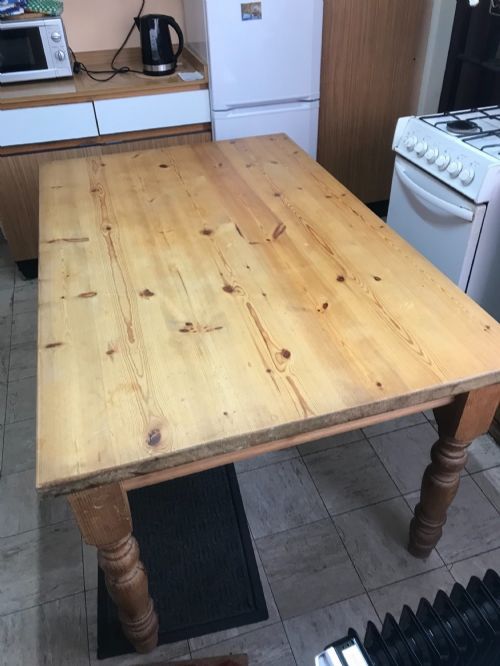
Pine appears regularly in utilitarian kitchen and farmhouse tables, providing a lighter aesthetic suited to country interiors.
How do you identify a refectory style?
Refectory tables feature elongated rectangular tops resting on low-set stretcher bases connecting four or more vertical legs.
This architectural arrangement prioritises unyielding stability and generous legroom along the entire length of the surface.