




Single Wood Bed
A single wood bed brings character to a guest room, offering period craft from the nineteenth and twentieth centuries.
Single Wood Bed
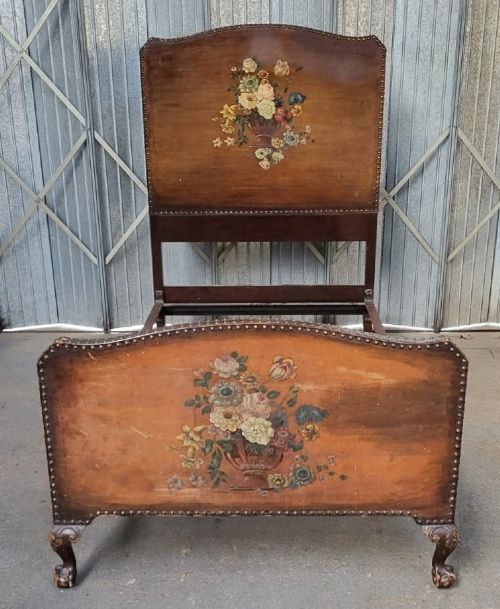
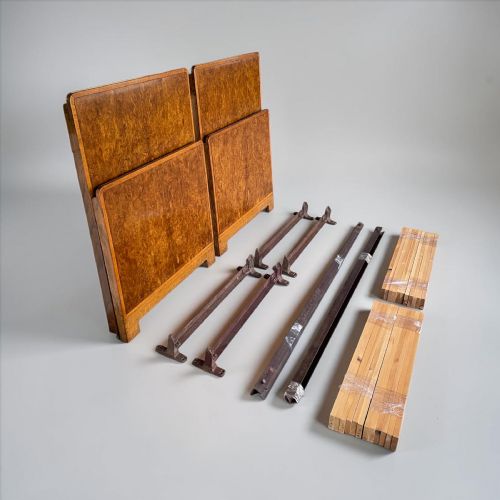
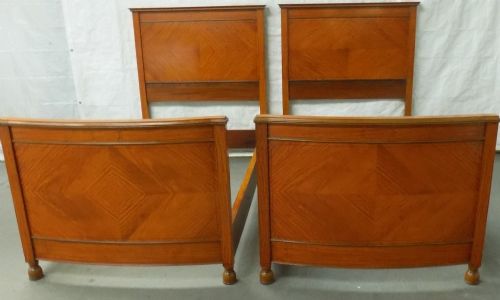
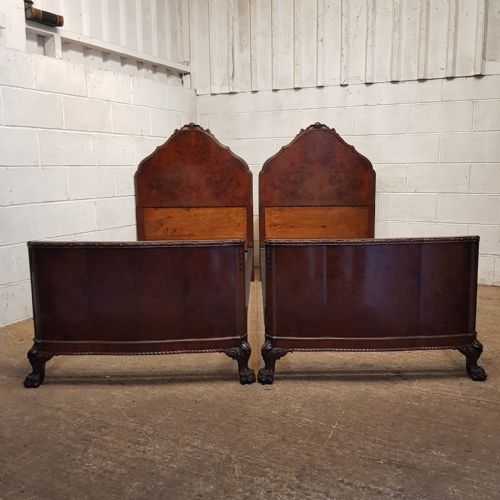
When you search for a single wood bed, you encounter a range of sleeping furniture created across the nineteenth and twentieth centuries, spanning periods from the Georgian era through to Art Deco designs. These pieces appear as standard single beds, bed frames, and occasional pairs, often constructed in forms that reflect specific historical revivals.
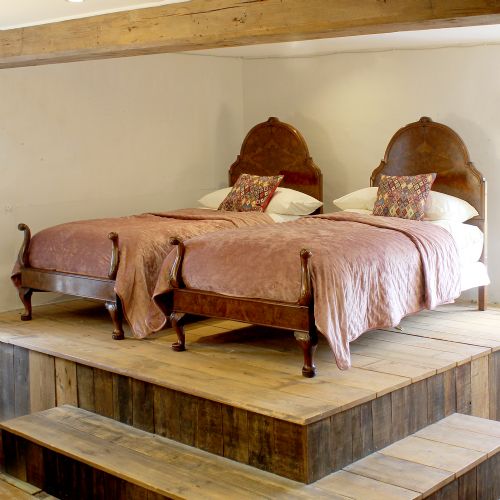
The version you are most likely to meet on this page is an Edwardian or Art Deco example, frequently fashioned from mahogany, walnut, or satinwood. Many listings include pairs or daybeds, alongside associated items such as side tables and bedheads.
Makers and designers from distinct periods left their mark on these items, providing functional sleeping quarters that double as focal points for a bedroom. The selection ranges from carved walnut frames to painted wood and inlaid satinwood creations.
How they were made
Makers utilised a variety of solid timbers and veneers, building single wood beds from mahogany, walnut, burr walnut, satinwood, and oak. These woods were often polished, carved, or inlaid to highlight the natural grain.
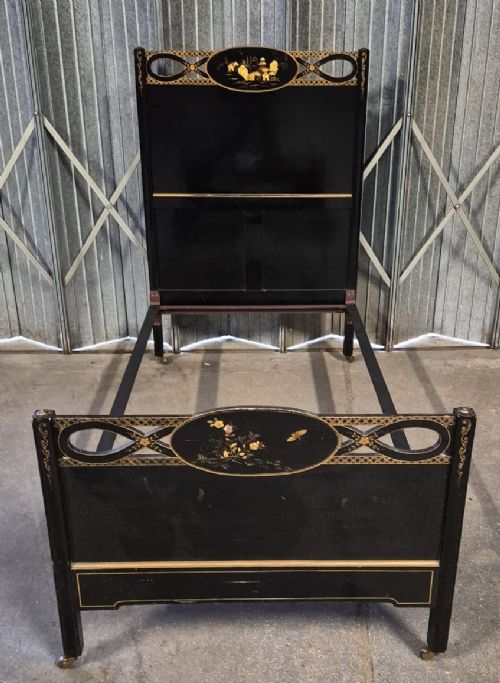
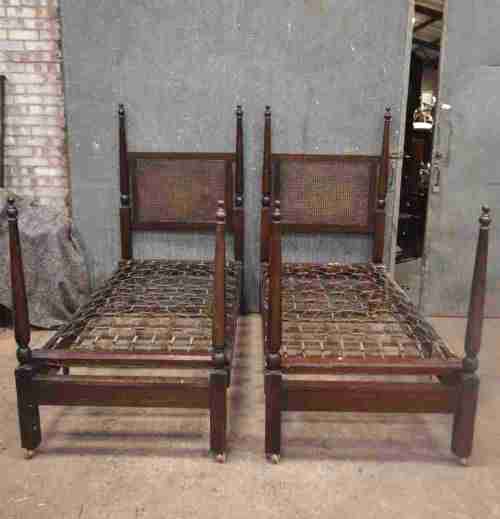
Construction techniques involved traditional joinery, sometimes paired with decorative elements such as painted portrait panels, leather upholstery, cane work, and spiral carved posts. Brass components and iron frameworks occasionally supplemented the wooden structures.
Single Wood Bed Retail Price Guide 2026
Typical asking prices for single wood bed among the pieces listed under this phrase on Sellingantiques today, from the lower quarter to the upper quarter. They describe what is for sale here now, not the wider market.
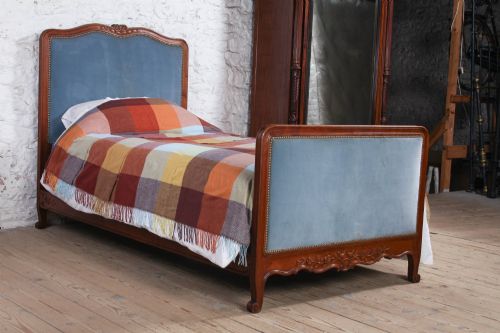
Listings feature single wood beds spanning the Victorian, Edwardian, and Art Deco periods, utilising materials like mahogany, walnut, satinwood, and cane.
What varies in quality
The standard of a single wood bed rests upon the selection of timber, such as figured burr walnut or select satinwood, and the precision of any inlay work or hand carving. Superior examples display refined proportions and cohesive styling across matching pairs.
Integrity of construction and the preservation of original surfaces distinguish finer pieces from simpler utilitarian items. The presence of detailed painted panels or signed maker details elevates the standing of an individual bedstead.
Betty Joel·Heal & Son·Heal's
The Single Wood Bed Glossary
- Bedstead
- The framework of a bed, including the headboard, footboard, and side rails. This term often refers to antique wooden frames designed to hold a mattress base.
- Bergere
- A type of enclosed upholstered armchair or bed component featuring wicker or cane panelling. It appears in twentieth-century oak single bed designs.
- Inlay
- A technique where pieces of contrasting timber, such as satinwood, are inserted into a solid wood matrix to form decorative patterns. Edwardian makers utilised this method extensively.
- Daybed
- A form combining elements of a sofa and a bed, suitable for lounging and sleeping. Nineteenth-century examples include bobbin-turned variations.
- Art Deco
- A design style prominent in the 1920s and 1930s characterised by streamlined forms and blonde woods like satinwood and walnut. Beds from this period frequently feature geometric symmetry.
Single Wood Bed: Frequently Asked Questions
What is a single wood bed?
A single wood bed is a sleeping frame constructed primarily from timber such as mahogany, walnut, or oak, designed to accommodate one person. These pieces date from the nineteenth and early twentieth centuries.
They encompass various styles, including Art Deco, Edwardian, and Georgian revivals, often featuring detailed carving, inlay, or painted decoration.
How do I date a wooden bed?
Dating a wooden bed involves examining the construction methods, timber choices, and stylistic markers characteristic of specific periods like the Victorian era or the 1930s. Art Deco pieces often show blonde satinwood and walnut, while Edwardian versions frequently use inlaid mahogany.
Cabinetmaker signatures or branded stamps from firms like Heal's provide more precise chronological markers when present on the frame.
How do I care for an antique wood bed?
Caring for an antique wood bed involves keeping the timber away from direct heat sources and strong sunlight to prevent the veneer or solid wood from drying out. Regular dusting with a soft, dry cloth preserves the polished surface.
Applying a specialist wax occasionally helps nourish older mahogany, walnut, and satinwood finishes without damaging the patina.