
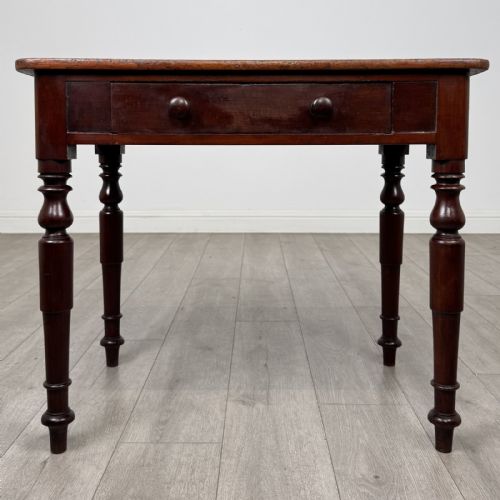
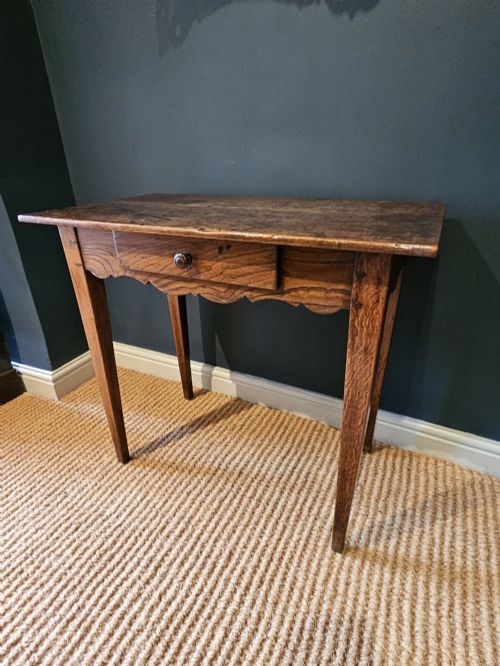
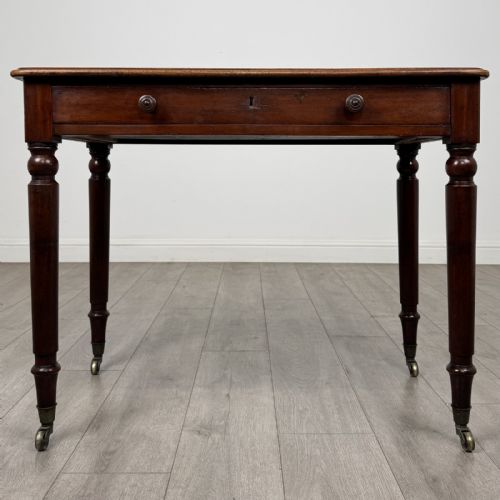
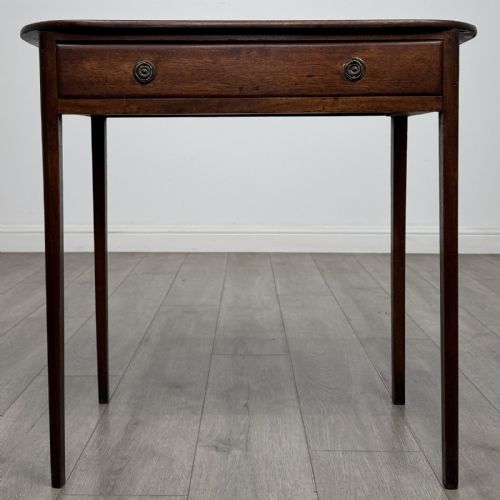

Single Drawer Console
A single drawer console provides neat surface space and discreet storage, making it an essential addition to any hallway or living room.
Single Drawer Console
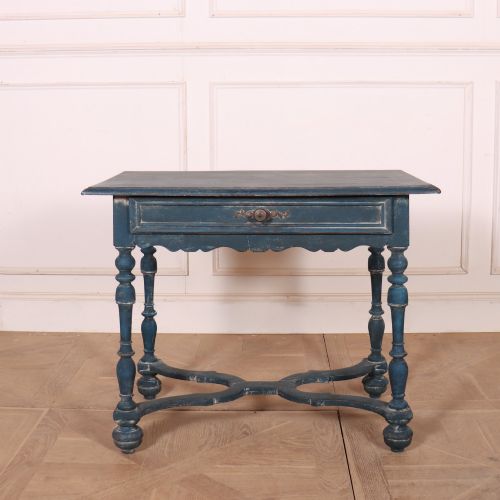
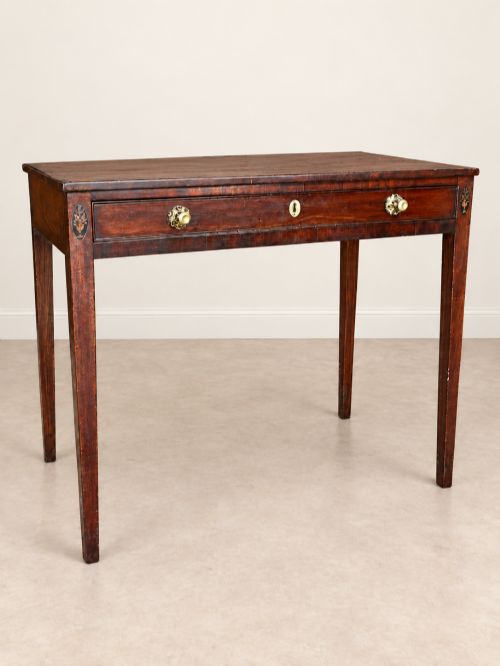
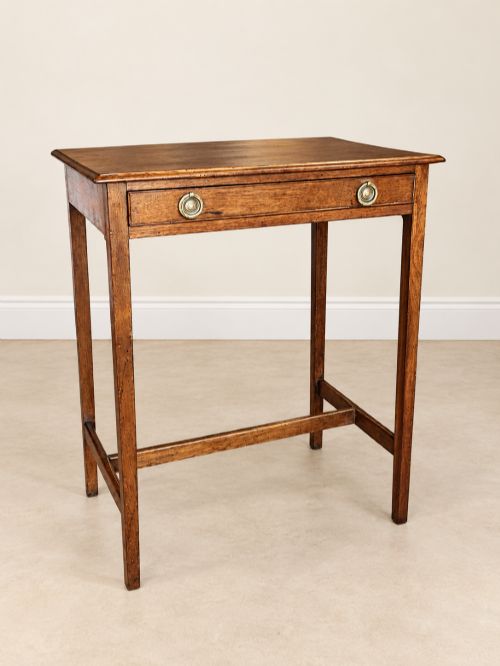
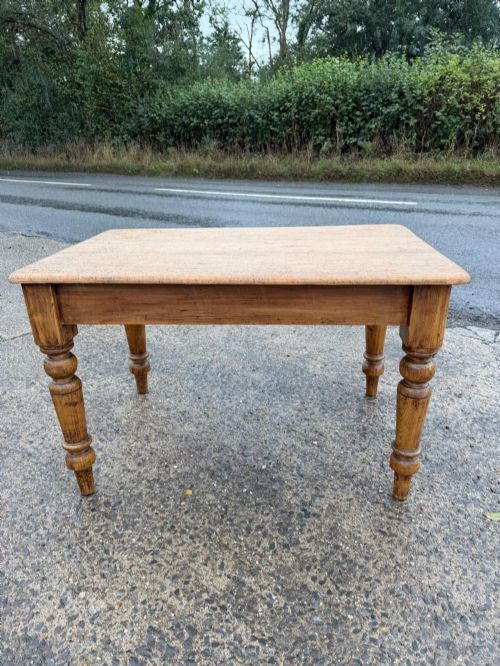
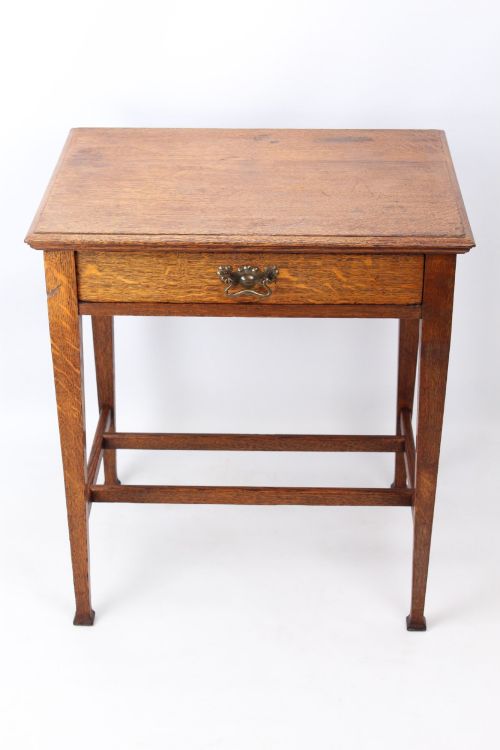
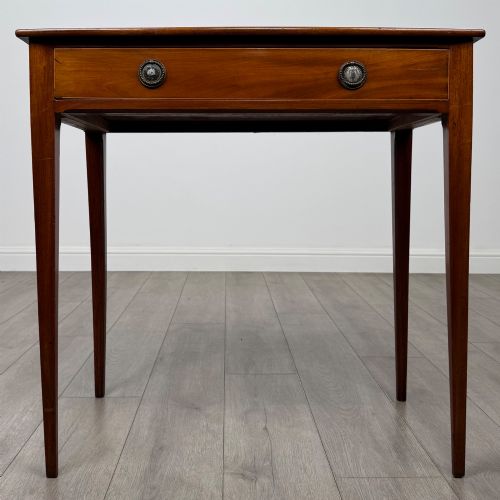
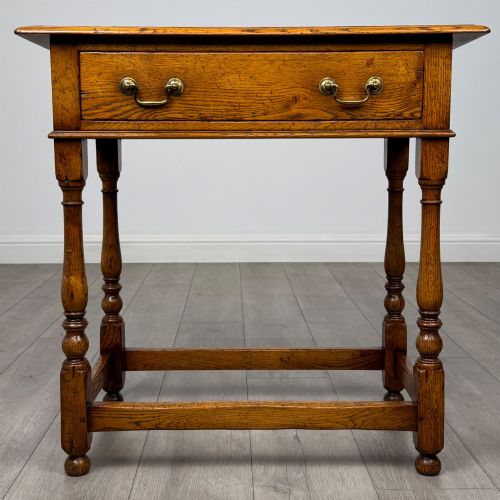
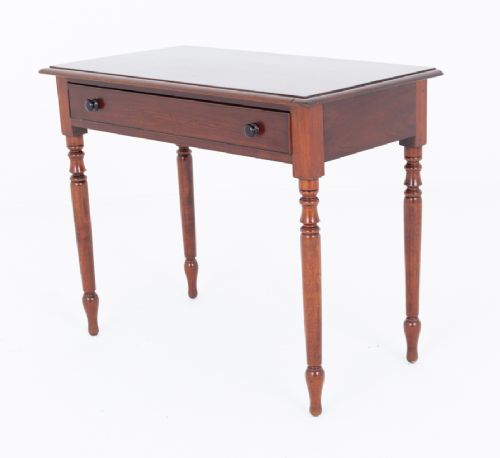
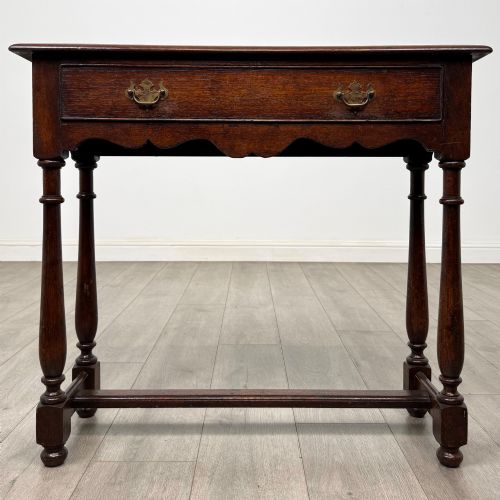
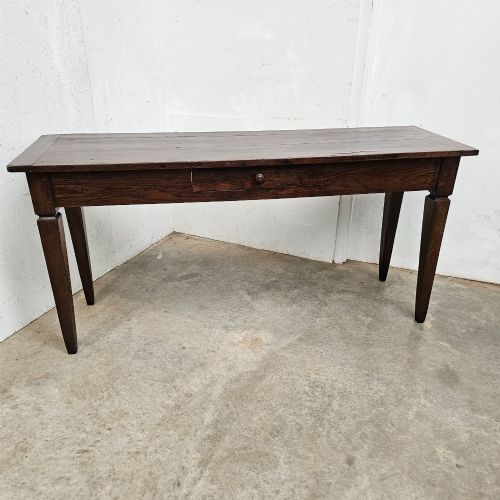
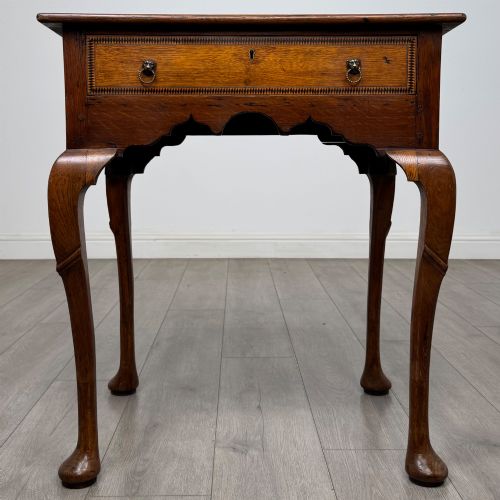
A single drawer console serves primarily as a compact table for hallways, side rooms, or studies, designed with a shallow footprint against a wall. When searching for a single drawer console, buyers encounter a variety of historical forms including side tables, writing tables, lowboys, and hall tables.
The pieces spanning this selection date from the seventeenth century through to the Edwardian period and Victorian era, reflecting shifts in domestic furnishing over several hundred years. Georgian and eighteenth-century examples feature prominently alongside nineteenth-century interpretations and country variations.
Makers and craftsmen constructed these versatile tables from durable timbers intended for everyday utility, whether as dedicated writing desks or simple lamp tables. The single drawer configuration remains central to their function, offering small-scale storage beneath a flat top surface.
How they were made
Cabinet makers utilised dense hardwoods such as mahogany, oak, and walnut, alongside domestic secondary timbers like pine, elm, and painted woods. These materials provided the necessary structural stability for tables supporting daily administrative tasks or decorative lamps.
Construction methods relied on traditional joinery techniques, sometimes enhanced with decorative elements such as brass hardware, string inlay, turned legs, and castors. Surface finishes range from natural polished timber grains to historic painted treatments.
Design characteristics vary across regions and periods, incorporating cabriole legs on earlier lowboys, straight legs on Georgian side tables, and decorative inlay work on later nineteenth-century pieces.
Some nineteenth-century tables come equipped with original castors, ready to roll away from whatever dust has gathered behind them since 1880.
What varies in quality
The grade of timber selection and the precision of the underlying joinery distinguish standard utilitarian tables from finer examples produced by skilled cabinet makers. Higher quality pieces exhibit thoughtful grain matching and careful selection of primary hardwoods.
The integrity of secondary elements, such as original brass handles, smooth-running drawer friezes, and unaltered leg structures, influences the overall standing of an antique table. Later alterations or replaced components alter the historical consistency of the piece.
The Single Drawer Console Glossary
- Frieze
- The horizontal band situated directly beneath the top surface of a table, which frequently houses the single drawer. This structural section often displays decorative string inlay or mouldings.
- String inlay
- A narrow strip of contrasting wood or light-coloured material embedded flush into the surface of a panel or drawer front. Cabinet makers used this technique to create delicate geometric borders.
- Castor
- A small wheel attached to the base of furniture legs to facilitate movement across floors. They appear commonly on nineteenth-century writing tables and larger console pieces.
Single Drawer Console: Frequently Asked Questions
What is a single drawer console used for?
These tables function primarily as compact surfaces in narrow spaces like hallways, entryways, or reception rooms. The built-in drawer provides convenient storage for keys, correspondence, and household sundries while maintaining a minimal footprint against the wall.
Historically, many of these forms doubled as writing desks, lowboys, or lamp tables depending on the domestic requirements of the period. Their adaptable proportions make them suitable for modern living areas requiring both surface display and discreet storage.
How do I identify a Georgian console table?
Georgian tables typically exhibit classic proportions, restrained ornamentation, and solid timber construction using species like mahogany or oak. Look for straight or cabriole legs, hand-cut dovetail joints within the drawer construction, and period-appropriate hardware.
Many examples from this era reflect architectural influences of the time, prioritising symmetry and balance. Comparing the timber patination and construction details helps distinguish genuine eighteenth-century pieces from later stylistic revivals.
Are these tables suitable for modern hallways?
The shallow depth of these tables makes them exceptionally well-suited for narrow hallways and transitional spaces where floor space is at a premium. They provide an immediate drop-off surface for daily items without obstructing movement.
Buyers often select these antique forms to introduce warmth, historic character, and practical storage into contemporary interiors. Their diverse stylistic range allows them to complement both traditional and modern architectural schemes.
What is the difference between a lowboy and a side table?
A lowboy is a specific form of small table originating in the seventeenth and eighteenth centuries, generally characterised by shorter proportions and one or more rows of drawers beneath the main surface. They frequently feature elegant cabriole legs and were historically used for grooming or writing.
A side table represents a broader category of occasional furniture designed to stand against a wall, encompassing various leg styles and top configurations. While all lowboys function effectively as side tables, not every side table shares the distinct proportions and drawer arrangements of a traditional lowboy.