





Silverware Stands
These silverware stands range from Edwardian toast racks to Georgian tea pots, offering practical elegance for the dining table.
Silverware Stands
Silverware stands encompass various dining table accessories and display pieces found when searching for silverware stands, including toast racks, menu card holders, mirror plateaus, and epergnes. These items serve both decorative and functional purposes in traditional table settings.
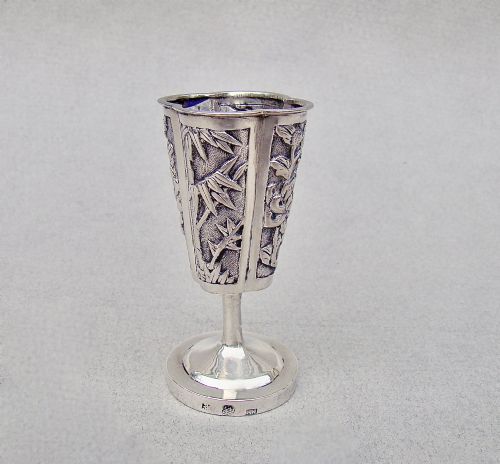
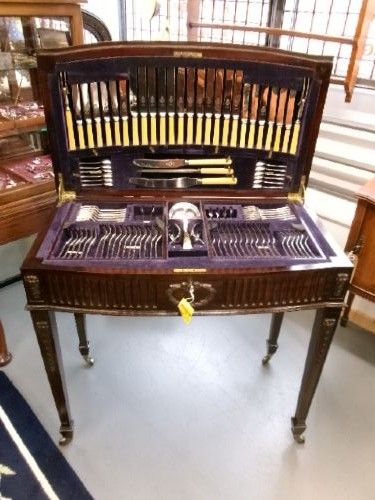
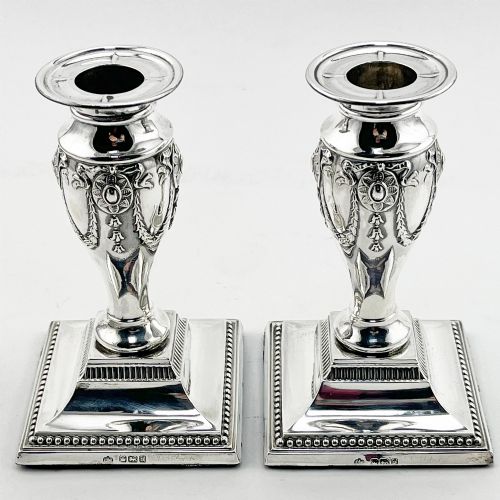
The selection on this page leans heavily towards Edwardian and early twentieth-century designs, alongside Georgian and mid-century Italian pieces. Forms span from simple silver-plated toast racks to elaborate sterling silver centrepieces and fitted mahogany cutlery cabinets.
How they were made
Items in this category combine sterling silver or silver plate with structural materials such as mahogany and wood. Glass and velvet also appear in specific serving and display contexts.
Manufacturing techniques rely on traditional silversmithing and cabinetmaking. Silver components feature hallmarks and plating over base metals, while wooden chests and cabinets utilise fine joinery.
Silverware Stands Retail Price Guide 2026
Typical asking prices for silverware stands among the pieces listed under this phrase on Sellingantiques today, from the lower quarter to the upper quarter. They describe what is for sale here now, not the wider market.
Listings feature items spanning from the Georgian era through to mid-century Italian design, incorporating sterling silver, silver plate, mahogany, and glass.
What varies in quality
Quality differences lie in the weight of the silver, the crispness of the chasing or hallmarks, and the calibre of the maker. Substantial sterling silver pieces display superior material integrity compared to plated alternatives.
Construction details in wooden elements, such as fitted mahogany interiors for cutlery, dictate the overall standard of the piece. Renowned makers imprint a higher level of refinement on both the metalwork and the housing.
Elkington & Co·Walker & Hall·Pinci Roma
The Silverware Stands Glossary
- Hallmark
- Official stamps applied to precious metals indicating purity, origin, and maker. These marks help verify the age and authenticity of silver pieces.
- Plate
- A thin layer of silver applied to a base metal such as copper or brass. This technique allowed domestic households to own tableware with the appearance of solid silver at a lower cost.
- Centrepiece
- A large decorative item placed in the middle of a dining table. Examples include epergnes and mirrored plateaus designed to reflect candlelight.
- Toast rack
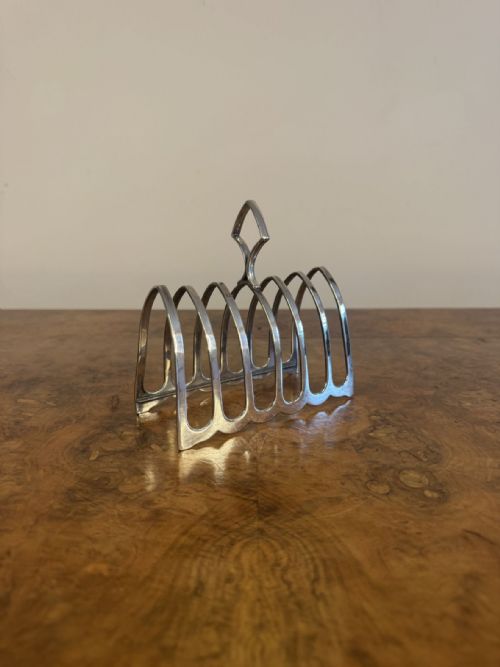
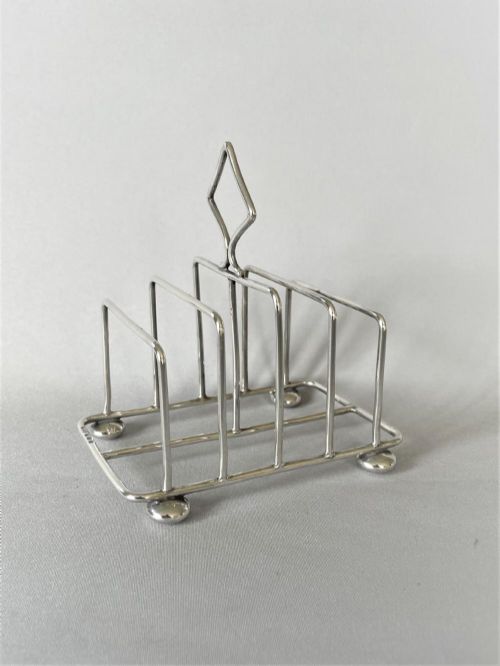
- A small tabletop frame featuring multiple vertical dividers to hold slices of toast upright. These typically date from the Edwardian and Victorian periods.
Silverware Stands: Frequently Asked Questions
How do I use a toast rack?
Toast racks are designed to hold hot slices of toast upright during breakfast service, allowing air to circulate so the toast remains crisp rather than becoming soggy on a flat plate.
In modern settings, they can also serve alternative purposes on a desk or dressing table to hold letters, cards, or folded napkins.
What is an epergne?
An epergne is an ornamental centrepiece featuring a central bowl with multiple branching arms and smaller hanging baskets or dishes. They were historically used to present fruits, sweets, or flowers at formal dinners.
Examples from the early twentieth century often combine sterling silver frameworks with intricate Edwardian styling to create a commanding dining table focal point.
How do I care for silver stands?
Silver stands require regular, gentle dusting and periodic cleaning with a dedicated silver polish to maintain their lustre and remove natural tarnishing. Avoid abrasive cloths that might damage delicate plating or softer sterling silver.
When not in use, storing items in dry conditions away from direct sunlight helps preserve both the metal surfaces and any accompanying wood or velvet components.