




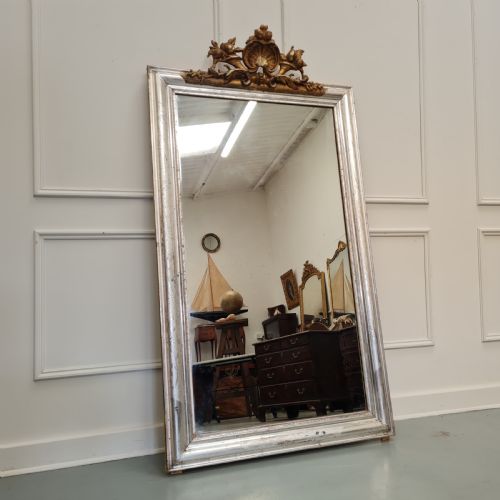
Silvered Gilt Mirror
A silvered gilt mirror combines silver leaf and gold leaf surfaces to catch the light in any interior space.
Silvered Gilt Mirror
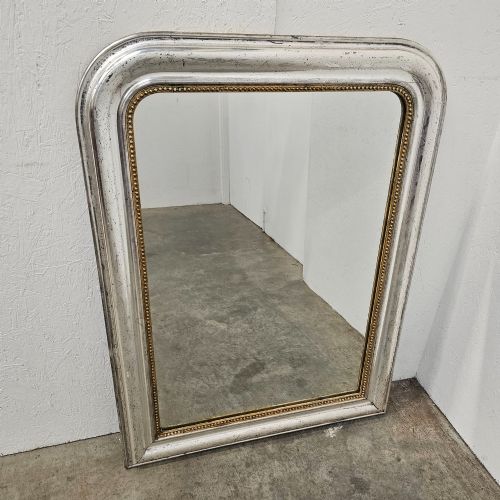
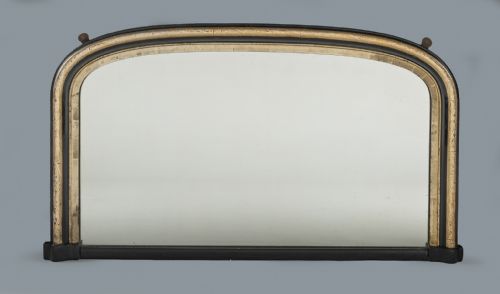
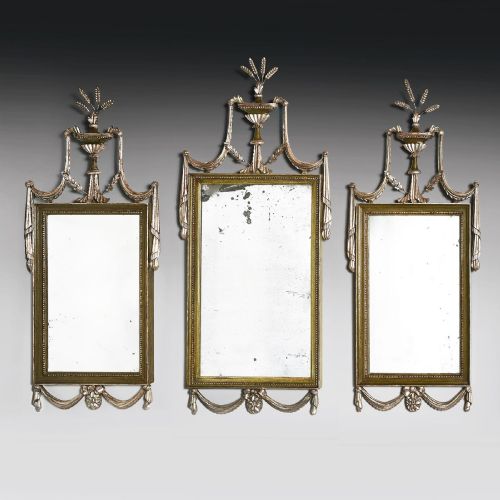
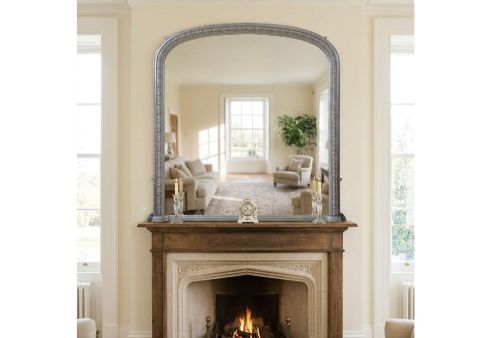
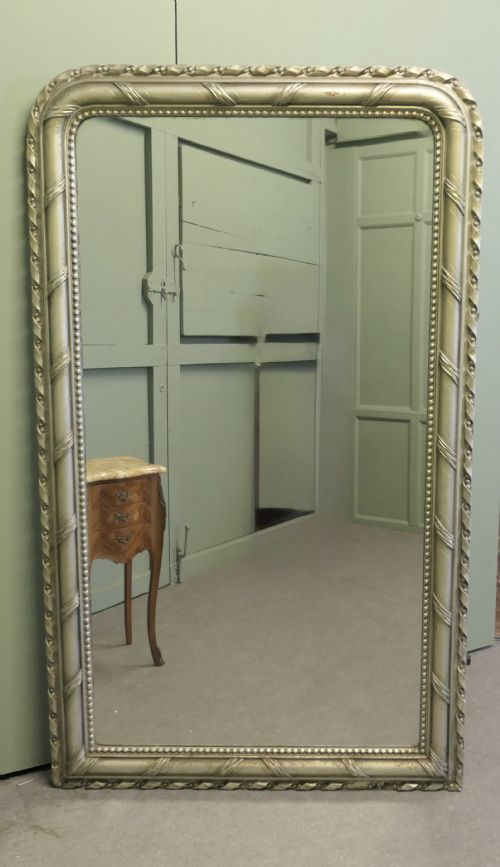
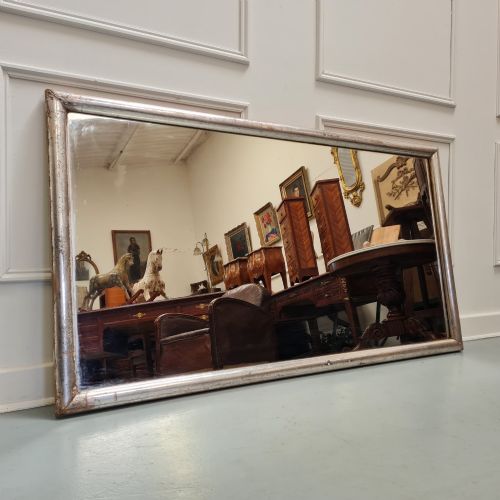
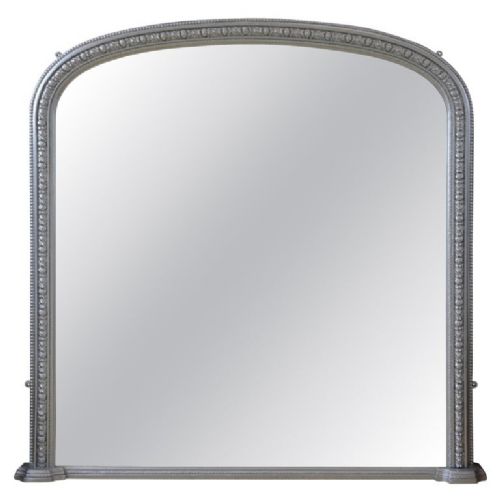
A silvered gilt mirror combines dual metallic surfaces, bringing together silver leaf and gold leaf finishes on a single frame. When searching for a silvered gilt mirror, buyers primarily encounter grand wall mirrors, large overmantels, and occasional smaller decorative items such as compacts and vanity cases.
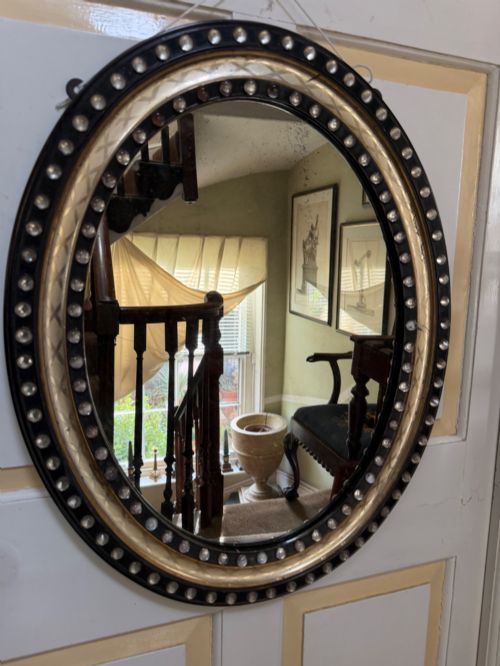
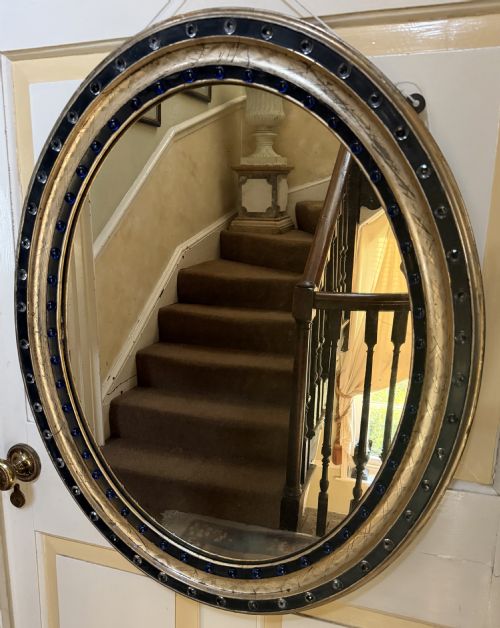
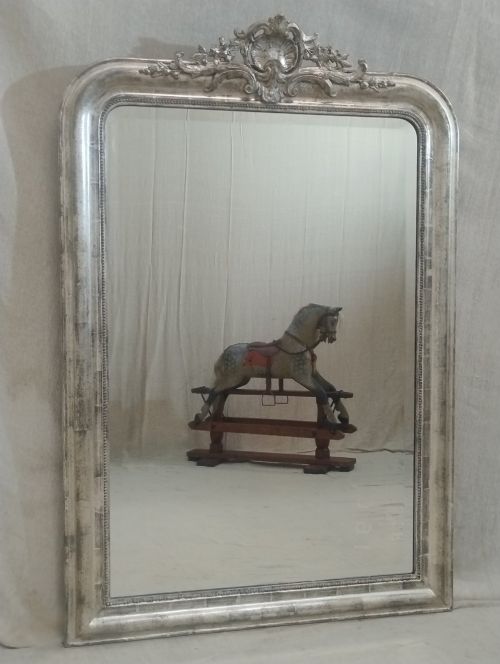
The selections span centuries of craftsmanship, ranging from eighteenth-century examples to twentieth-century Art Deco pieces. French designs, particularly Louis Philippe and Rococo styles with shaped or arched tops, appear frequently alongside nineteenth-century Irish ebonised ovals.
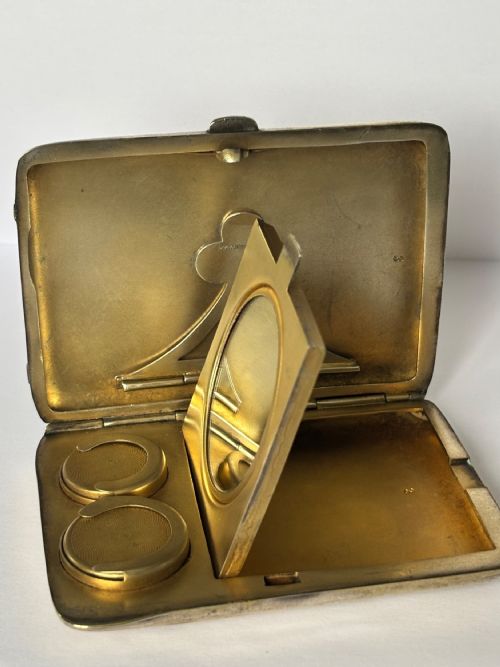
Beyond domestic wall hangings, the category extends to personal accessories and portable items like dressing cases and powder compacts. These smaller objects utilise sterling silver, enamel, and celluloid while maintaining the characteristic dual-tone metallic aesthetic.
Materials and construction
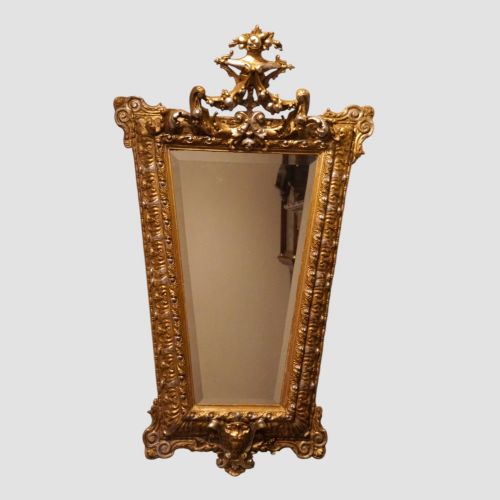
Frames rely on carved wood and gesso foundations, providing a stable substrate for the application of delicate metallic leaf. Artisans applied both silver leaf and gold leaf to create the nuanced dual-tone finish characteristic of these pieces.
Mirror glass varied by era, with older examples incorporating mercury glass alongside clear facetted glass jewels and cobalt blue glass cabochons. Ebonised timber frames often provided a dark contrast to the bright metallic surfaces applied over the wood and gesso.
Silvered Gilt Mirror Retail Price Guide 2026
Typical asking prices for silvered gilt mirror among the pieces listed under this phrase on Sellingantiques today, from the lower quarter to the upper quarter. They describe what is for sale here now, not the wider market.
Listings feature wall mirrors, overmantels, and compacts spanning the seventeenth to the twentieth centuries, utilising carved wood, gesso, and glass.
Assessing quality and craftsmanship
The distinction between tiers rests upon the depth of hand-carving in the wooden frame and the precision of the gesso work underneath the metal leaf. Superior examples display crisp relief on shaped or arched tops without obscuring the underlying detail through excessive subsequent coatings.
The integrity of the original mercury glass or bevelled mirror plate influences the standing of a piece. Finer items retain their original glass and synchronise the patination of the silver and gold leaf harmoniously across the entire frame.
DEAKIN & FRANCIS·A.J Rowley·Meyle & Mayer
The Silvered Gilt Mirror Glossary
- Gesso
- A plaster-like mixture applied to wood frames to create a smooth surface before gilding. It allows carvers to achieve sharp decorative details.
- Silver Leaf
- Extremely thin sheets of beaten silver applied to a prepared surface. It tarnishes naturally over time, developing a deeper tone.
- Mercury Glass
- Double-walled blown glass silvered with a mercury amalgam between the layers. It creates a distinctive mottled reflection.
- Overmantel Mirror
- A large mirror designed to hang directly above a fireplace mantelpiece. These pieces frequently feature arched or shaped wooden frames.
- Cabochon
- A polished, convex gem or piece of coloured glass without facets. They appear inset into frames for decorative effect.
Silvered Gilt Mirror: Frequently Asked Questions
How do I hang a heavy overmantel mirror?
Large wall and overmantel mirrors require professional wall anchors suited to the weight of the carved wood and glass. Secure fixings must engage directly with structural wall studs or masonry.
Position the mirror at a height that reflects ambient light effectively across the room. Ensure the hanging wire or brackets match the substantial mass of the frame.
What is the difference between silver gilt and silvered?
Silver gilt refers to silver applied over a base metal or wood, often complemented by gold leaf accents. Silvered simply indicates a silver-coloured finish or silver leaf application.
Examining the surface under magnification reveals whether the metal is leaf, paint, or electroplate. Dual-tone pieces intentionally combine both silver and gold hues on the woodwork.
How should I clean a antique mirror frame?
Dust the carved wood and gesso frame gently with a soft, dry brush to protect the delicate metallic leaf. Avoid liquid cleaners and chemical solvents that strip historical finishes.
Clean the mirror glass sparingly using a cloth dampened slightly with distilled water. Keep moisture away from the edges where the silvering meets the frame rebate.
Are Art Deco compacts made similarly to mirrors?
Art Deco compacts and vanity cases employ metalworking techniques such as engine-turning on sterling silver. These portable items share the period aesthetic of larger wall pieces.
Makers incorporated enamel and gilt finishes into small accessories to match domestic decor. They represent personal expressions of the same metallic craft traditions.