




Silver Ww1 Watch
These silver ww1 watch examples are genuine military and civilian timepieces and instruments from the early twentieth century, sought after for their robust construction and direct historical connection to the Great War.
Silver Ww1 Watch
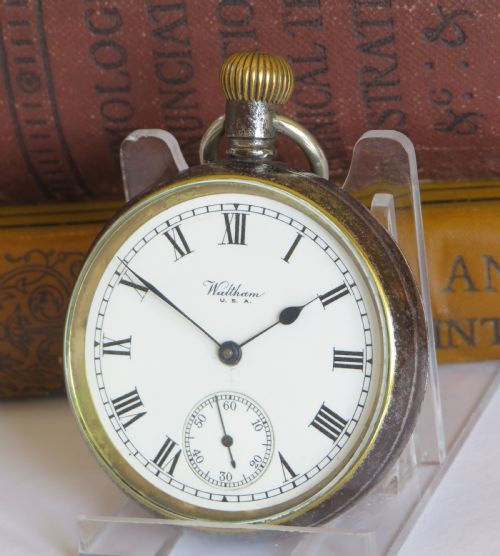
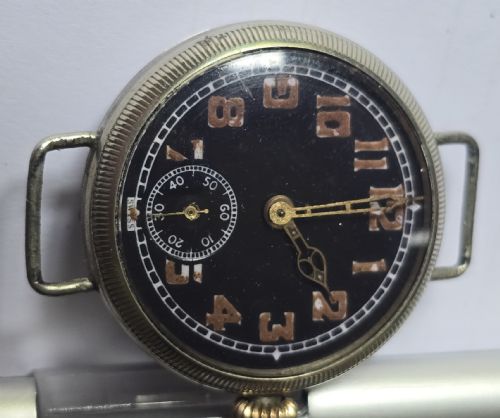
A silver ww1 watch encompasses a diverse array of pocket watches, wristwatches, and trench watches dating primarily from the 1910s and the First World War military period. Buyers searching this phrase look for authentic timepieces that reflect the transition from pocket carriage to wrist wear driven by military necessity.
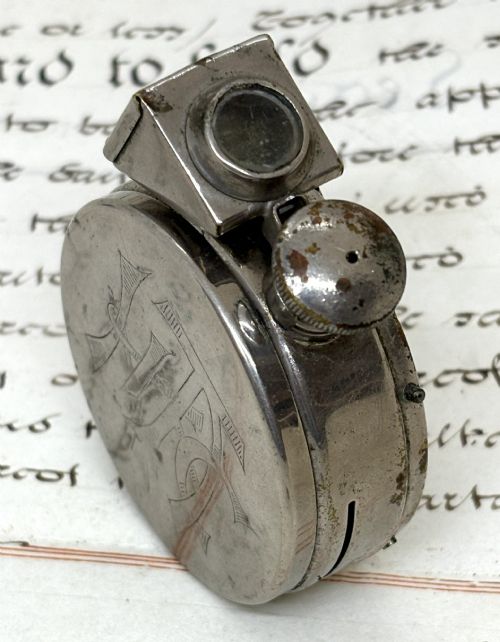
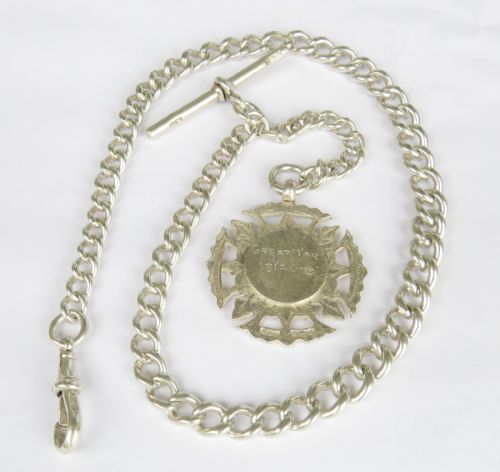
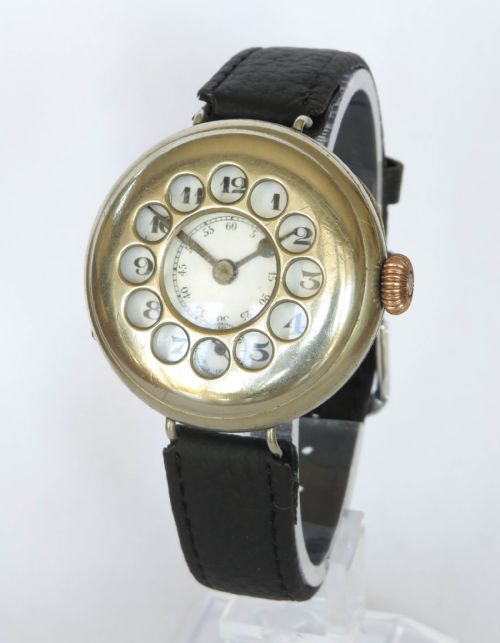
The pieces on this page span styles from Edwardian military to early twentieth century designs, including wristwatches equipped with shrapnel guards and pocket watch chains with fob attachments. Alongside timepieces, the selection incorporates related navigational instruments and pocket spy cameras from the same era.
Origins represented in these listings include British, French, and Swiss makers, encompassing both private civilian purchases and official military issues. The most common survivals are sterling silver pocket watches and trench watches featuring luminous black dials and original military markings.
How they were made
These items are constructed predominantly from sterling silver and standard silver cases, paired with internal brass and steel mechanical movements. Materials such as glass protect the delicate dials, while durable leather is utilised for straps and straps attached to pocket watch chains.
Enamel is frequently applied to the dials for crisp legibility, contrasting against the dark painted numerals found on military issue pieces. Components were assembled by hand in workshops and factories, incorporating specialised hardware like metal shrapnel guards over glass lenses.
Silver Ww1 Watch Retail Price Guide 2026
Typical asking prices for silver ww1 watch among the pieces listed under this phrase on Sellingantiques today, from the lower quarter to the upper quarter. They describe what is for sale here now, not the wider market.
Listings feature items spanning the Edwardian period through to the First World War military era, constructed in silver, brass, steel, and leather.
What varies in quality
The distinction between standard examples and superior pieces rests on the presence of original military markings, issue numbers, and documented provenance from regiments such as the Royal Flying Corps. Original components, including undamaged enamel dials and matching case hallmarks, elevate an object's historical integrity.
The inclusion of protective accessories like shrapnel guards or original leather fobs differentiates exceptional survival pieces from stripped or heavily modified watches. Maker attribution, ranging from local Swiss firms to specialised London instrument makers, also dictates the desirability of the piece.
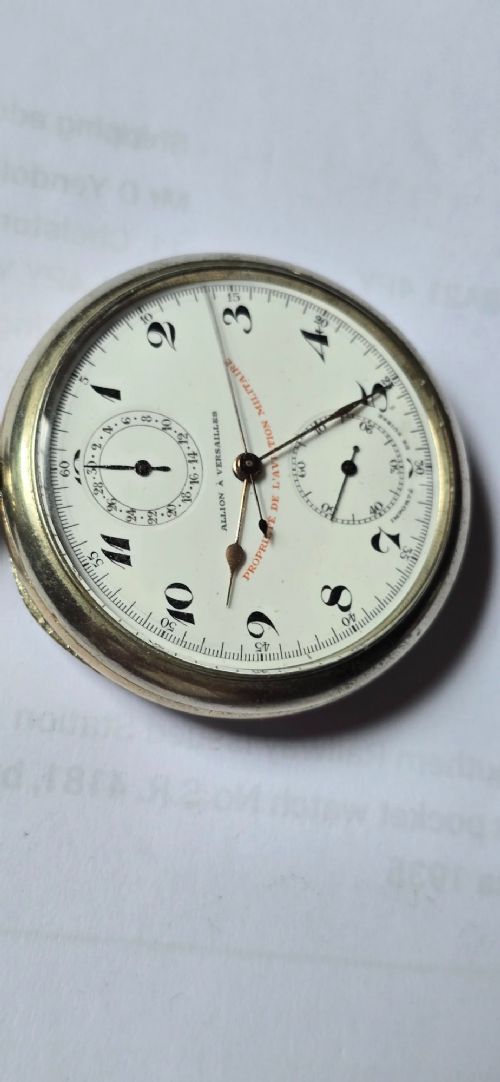
Allion of Versailles·West End Watch Co·Elliott Brothers London
The Silver Ww1 Watch Glossary
- Trench watch
- A wristwatch designed during the First World War to be worn on the wrist rather than carried in a pocket, featuring soldered wire lugs and luminous dials for nighttime visibility in the trenches.
- Shrapnel guard
- A removable metal grille fitted over the glass face of a watch to protect it from impacts and shrapnel during combat operations.
- Albert chain
- A type of watch chain, often fashioned from silver, designed to secure a pocket watch to a waistcoat or jacket buttonhole.
- Sterling silver
- A silver alloy containing ninety-two point five percent silver by mass, commonly used for the outer cases of better quality pocket and trench watches.
- Cockpit watch
- A specialised navigational timepiece designed to be mounted inside the instrument panel of a military aircraft.
- Enamel dial
- A glass-based fused surface applied to a metal dial plate, providing a smooth, durable background for painted numerals and minute tracks.
Silver Ww1 Watch: Frequently Asked Questions
What is a trench watch?
A trench watch is an early wristwatch adapted from pocket watch designs specifically for military use during the First World War. These pieces bridged the gap between civilian pocket timepieces and modern wristwear.
They typically feature wire loop lugs soldered to the case, allowing a leather strap to pass underneath, and luminous hands for reading time in the dark.
How do I identify a military issue watch?
Military issue watches often display specific government or department acceptance marks engraved onto the outer case back. Broad arrow symbols and issue numbers are common indicators of official procurement.
Civilian pieces purchased privately by officers will lack these specific stamps but share the same robust build quality and luminous dial layouts.
Why do some watches have metal cages over the glass?
The metal cage is a shrapnel guard, designed to protect the fragile glass crystal from shattering during active service. Soldiers attached these guards to prevent dirt and impacts from destroying the watch face.
Finding a silver ww1 watch with its original shrapnel guard intact is uncommon and adds significantly to the historical interest.
Are these watches suitable for daily wear?
While these pieces are mechanical and can still keep time, they are delicate antiques from the early twentieth century. They lack modern shock absorption and water resistance.
Collectors generally handle them with care, wearing them occasionally or displaying them alongside other First World War military equipment.