

Silver Wood Walking Stick
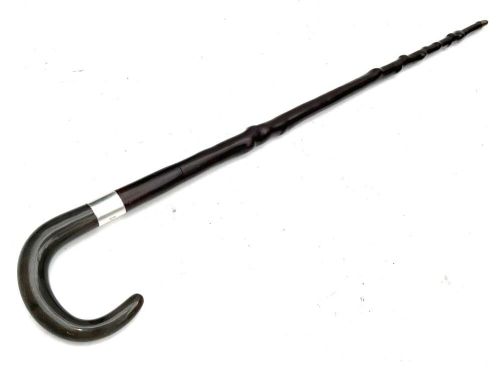
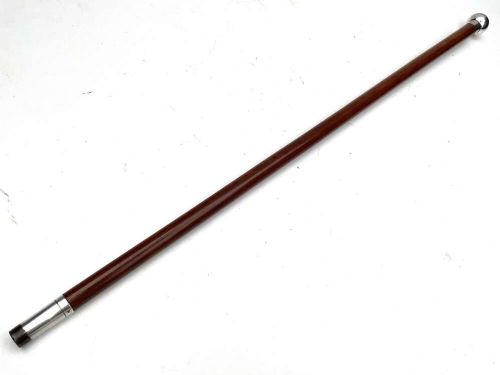
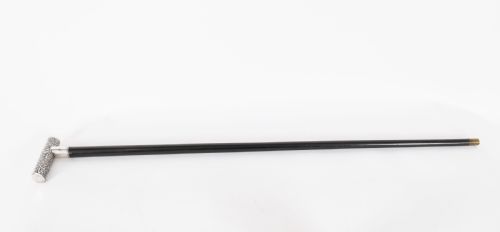
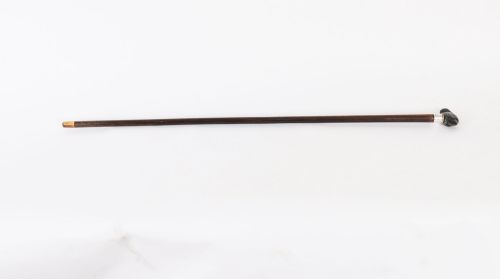
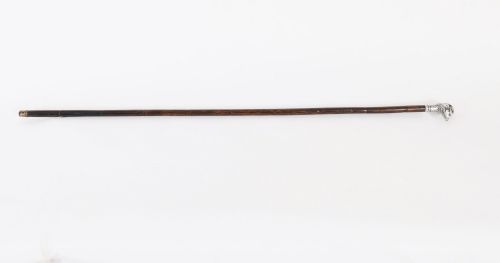
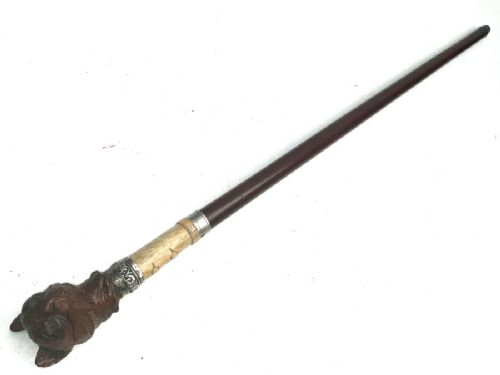
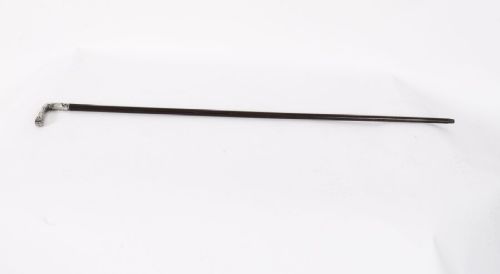
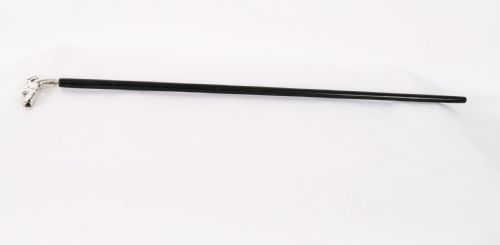
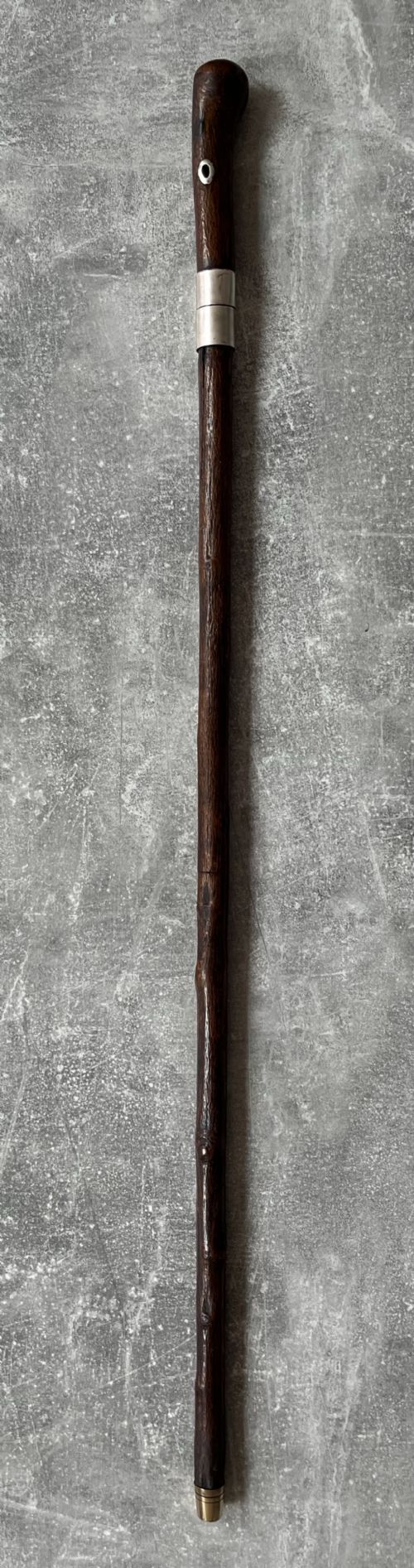
A silver wood walking stick combines a precious metal handle with a natural timber shaft, offering a tactile piece of historic tailoring.
Silver Wood Walking Stick
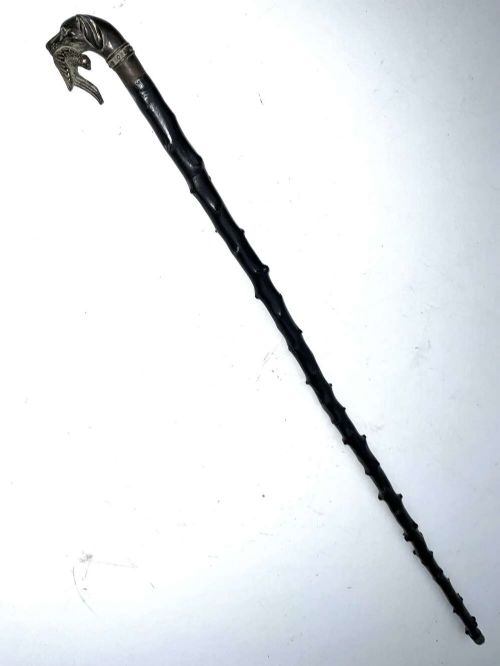
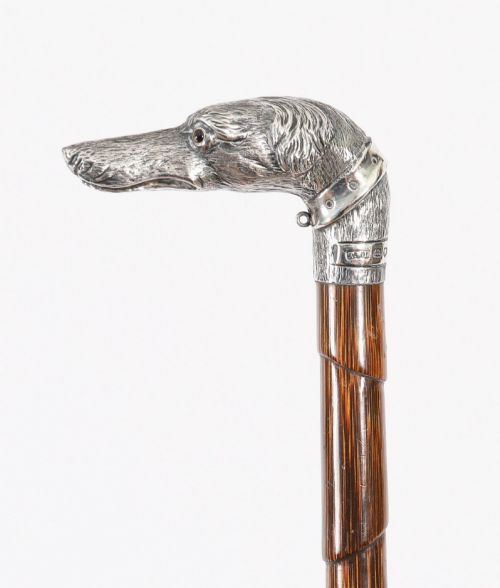
The selections available range from simple crook handles to elaborate animal forms including greyhounds, ducks, parrots, horses, boars and pheasants. Alongside standard walking canes, many examples function as sword sticks, swagger sticks or specialised gadget items incorporating concealed blades, snuff boxes or watches.
Originating from diverse regions, these items include traditional British and French Belle Epoque designs alongside Chinese export pieces and military interest specimens. Buyers encounter everything from sturdy natural form sticks to slender novelty pieces intended for dandyish display.
How they were made
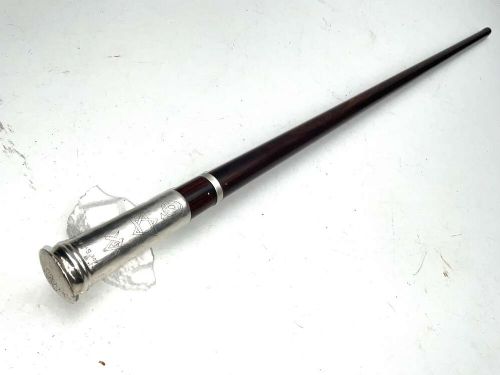
Makers fashioned the handles from hammered, cast or embossed silver, frequently applying hallmarks to denote the year and assay office. These silver tops were secured to shafts of hardwood, chestnut, ebonised timber or malacca cane using internal pins or collars.
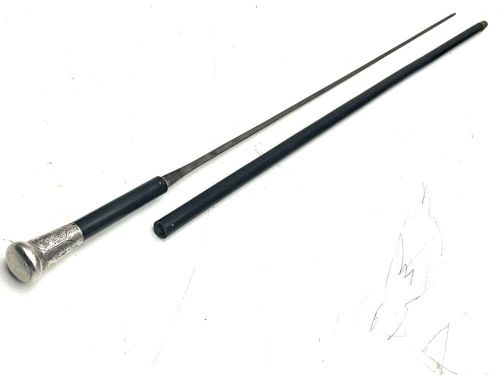
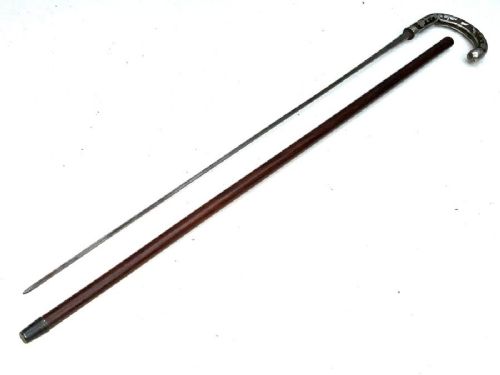
Specialised examples, particularly military or civilian sword sticks, concealed steel blades often forged by established makers within the timber shaft. Materials such as brass, horn and steel reinforced the tips and collars, ensuring structural integrity beneath the decorative silver mount.
Silver Wood Walking Stick Retail Price Guide 2026
Typical asking prices for silver wood walking stick among the pieces listed under this phrase on Sellingantiques today, from the lower quarter to the upper quarter. They describe what is for sale here now, not the wider market.
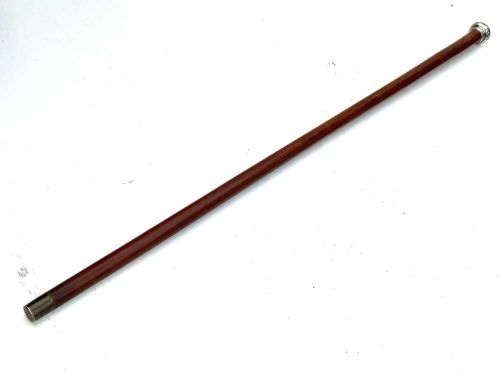
Listings feature woods such as malacca cane, hazel, palm and ebonised timber paired with silver mounts across the Victorian and Edwardian periods.
What varies in quality
Quality rests principally in the artistic execution of the silver handle, distinguishing mass-produced collars from finely chased animal heads or detailed figural motifs. The weight, balance and choice of shaft material - such as genuine malacca cane versus standard hardwood - further separate ordinary utility sticks from superior gentleman's examples.
The integration of functional mechanisms, including hidden watch movements, functional snuff compartments or well-fitted concealed sword blades with maker-signed steel, marks the distinction between standard walking aids and masterwork curiosities.
Brigg of London·Henry Borlase Stevens·Wilkinson
The Silver Wood Walking Stick Glossary
- Swagger stick
- A short cane carried by military officers as a symbol of authority rather than for physical support. These items often feature metal mounts and slim wooden shafts.
- Malacca cane
- A tropical rattan timber prized for its flexibility, light weight and distinctive mottled brown skin. It served as a premium material for nineteenth-century walking sticks.
- Sword stick
- A dual-purpose cane containing a concealed steel blade locked within the wooden shaft. They required precise joinery to ensure the seam remained invisible during normal use.
- Ebonised wood
- Timber treated with a dark stain or finish to imitate expensive ebony. This technique provided a uniform black surface popular for formal Victorian canes.
- Hallmark
- An official stamp applied to precious metals indicating purity, origin and date. British and continental pieces frequently bear these small stamped markers on the silver mount.
Silver Wood Walking Stick: Frequently Asked Questions
What is a silver wood walking stick?
A silver wood walking stick is a traditional nineteenth or early twentieth-century accessory featuring a precious metal handle mounted on a timber or cane shaft. They were carried by gentlemen as a mark of status, fashion or personal protection.
These pieces combine functional support with decorative artistry, ranging from plain crook handles to elaborate animal carvings and concealed sword blades.
How were sword sticks used?
Concealed sword sticks served as discreet personal defence items for officers and gentlemen navigating unfamiliar or unsafe areas during the Victorian and Edwardian periods. The blade remained safely locked inside the wooden shaft until needed.
To draw the blade, the user typically released a hidden catch or pulled the handle apart from the body of the cane.
How do I date a walking stick?
Dating relies heavily on silver hallmarks stamped onto the handle or collar, which indicate the exact year and assay office of manufacture. Stylistic clues, such as Art Nouveau curves or Art Deco geometric motifs, also point to specific decades.
Construction methods and the presence of specific military or regional motifs help narrow down the period when hallmarks are absent or worn.
How should I display my cane?
Walking sticks are best displayed upright in a dedicated umbrella stand, cane rack or wall-mounted clips that protect the delicate silver handle and wooden shaft. Avoid placing them in direct sunlight or areas with fluctuating humidity.
Ensuring the tip rests securely prevents accidental slips, while regular dusting keeps the silver mounts and wooden shafts in pristine condition.