





Silver Wall Charger
These silver wall charger pieces bring heavy metal craftsmanship and rich historical detail straight to your vertical display spaces.
Silver Wall Charger
A silver wall charger serves as a decorative platter or large dish intended primarily for display rather than dining. When you search for a silver wall charger, you encounter large decorative plates spanning the eighteenth, nineteenth, and early twentieth centuries.
The selections available here range from solid silver gilt sideboard dishes to silver plated bronze platters and silver inlaid copper wares. You will frequently find pieces originating from English workshops, continental European makers, and Middle Eastern or Asian traditions.
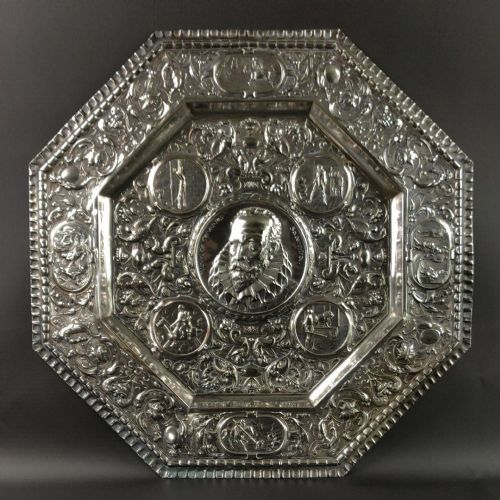
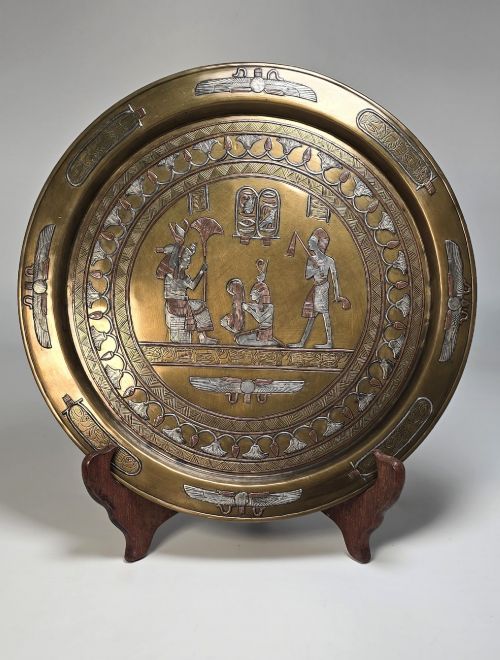
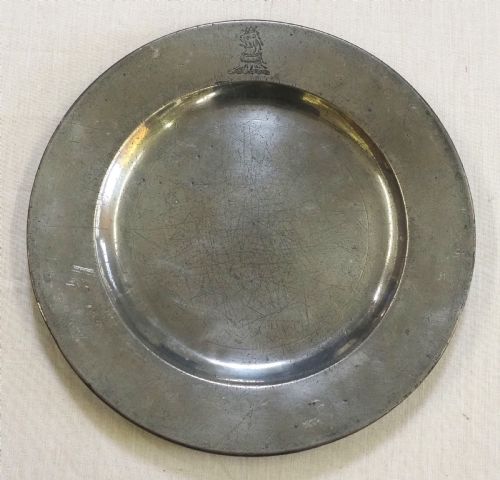
Formats vary from plain rim plates bearing family crests to heavily embossed plaques depicting historical figures and battle scenes. These objects transform vertical surfaces by introducing reflective metallic textures and narrative iconography.
Materials and construction techniques
Artisans employed hammering, repoussé, and piercing techniques on metals including silver, pewter, copper, brass, and bronze. Heavy beating shaped the base plate from sheet metal before detailed ornamentation took place.
Many items utilise surface enhancement such as silver plating, silver inlay, gold gilt, and patination. Electrotype metal reproduction also appears among nineteenth-century manufacturing methods for replicating intricate historical reliefs.
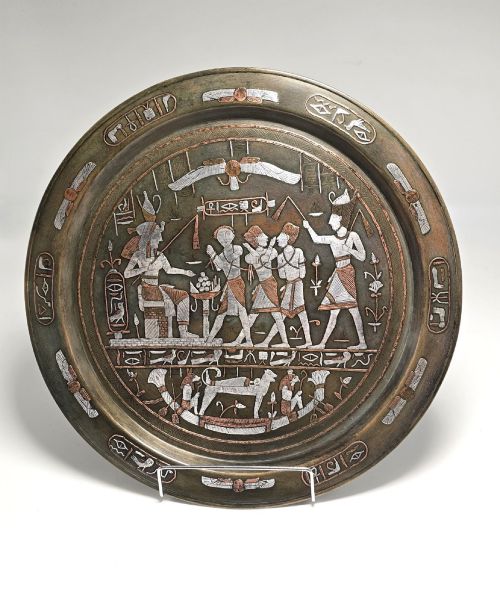
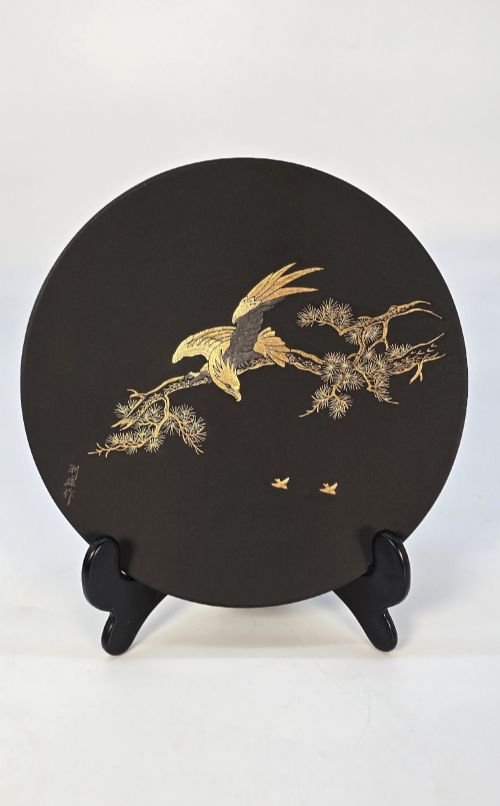
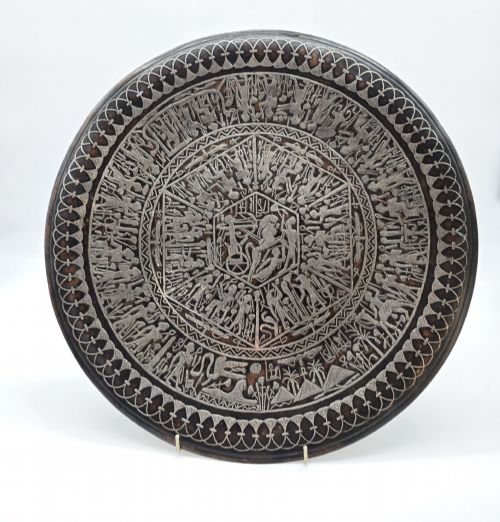
Inlayers embedded contrasting metals like gold and silver into darkened copper, iron, or bronze grounds to produce elaborate geometric and figural patterns. Pewter examples often display hammer marks from shaping and triple reeded rims.
Silver Wall Charger Retail Price Guide 2026
Typical asking prices for silver wall charger among the pieces listed under this phrase on Sellingantiques today, from the lower quarter to the upper quarter. They describe what is for sale here now, not the wider market.
Materials represented across the inventory include solid silver, pewter, copper, brass, bronze, silver plate, and electrotype metal.
Assessing quality and craftsmanship
Quality rests upon the crispness of the repoussé work, the depth of the metal beating, and the execution of figural scenes. Superior pieces exhibit sharp relief in portraits and battle narratives rather than soft, shallow stampings.
The integrity of inlaid metals and the richness of the underlying patina distinguish finer decorative plates. Well-preserved surface gilding and secure silver plating indicate careful historical maintenance.
Substantial weight and thick gauge metal signal superior construction, particularly in large chargers designed to hang flat against a wall without warping. Maker signatures and clear crest engravings also elevate individual examples.
James Spackman·Elkington & Co·WMF·Thomas Powell
The Silver Wall Charger Glossary
- Repoussé
- A metalworking technique where an artisan hammers metal from the reverse side to form a raised design in relief on the front. This method creates the three-dimensional portraits and battle scenes seen on many large decorative platters.
- Electrotype
- A duplicate metal object created through an electrolytic deposition process onto a mould during the nineteenth century. Manufacturers utilised this technique to replicate museum-quality historical metalwork.
- Charger
- A large decorative plate or platter originally used for ceremonial dining or serving, later adapted for vertical wall display. These pieces usually measure significantly larger than standard dining plates.
- Silver Gilt
- Silver object coated with a thin layer of gold on its surface. This treatment provides the warm tone of gold combined with the substantial structural weight of silver.
- Cairo Ware
- Middle Eastern metalwork typically featuring contrasting silver and copper or brass inlay created for European travellers during the nineteenth century. These items often incorporate intricate Islamic script and geometric motifs.
Silver Wall Charger: Frequently Asked Questions
How were silver wall chargers used historically?
These large vessels originally functioned as display pieces on sideboards or large tables during banquets to signal wealth and status.
Over time, many found their way onto vertical walls as decorative plaques, showcasing intricate historical scenes or family crests.
How do I hang a heavy metal charger safely?
Due to the substantial weight of solid silver, pewter, and bronze dishes, you must use secure wall fixings anchored directly into wall studs.
Adjustable wire-free brass plate hangers distribute the pressure evenly across the rim without damaging the metal edge.
What is the difference between silver and silver plated?
Solid silver or silver gilt items consist of precious metal all the way through their structure, whereas silver plated pieces feature a base metal like copper or bronze underneath.
Plated examples utilise an electrochemical coating process to deposit a thin exterior layer of silver onto the cheaper core.
How do I clean antique pewter and silver?
Pewter requires gentle washing with mild soap and warm water followed by thorough drying to preserve its soft, historic grey patina.
Silver and silver gilt pieces benefit from occasional light treatment with non-abrasive cloths to remove tarnish without stripping surface detail.