



Silver Trinket Holder
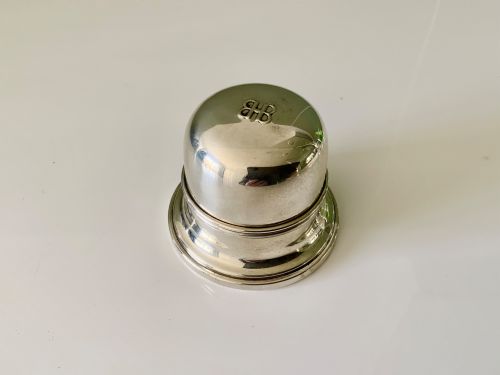
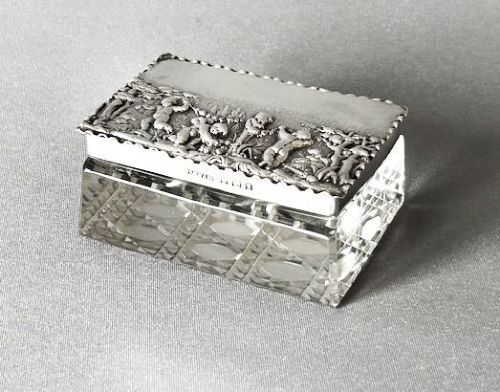
These silver trinket holder examples are small receptacles fashioned for keepsakes and small valuables, sought after for dressing table elegance.
Silver Trinket Holder
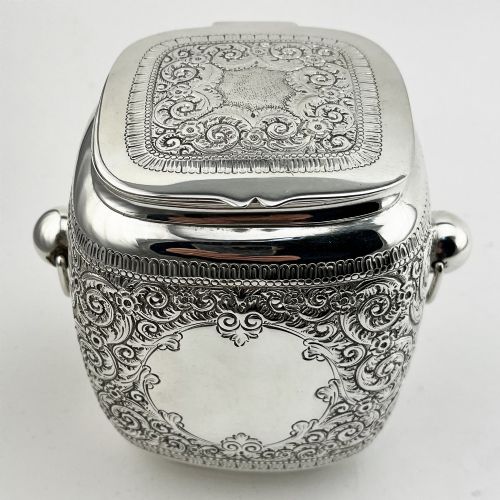
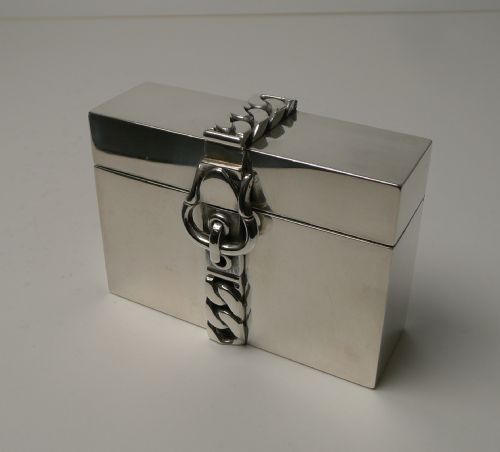
When searching for a silver trinket holder, you encounter a variety of small receptacles including decorative boxes, trinket boxes, desk accessories, and tea caddies designed to keep precious items secure. The pieces on this page span several periods, most notably the Victorian, Edwardian, and Art Deco eras, alongside mid-century examples.
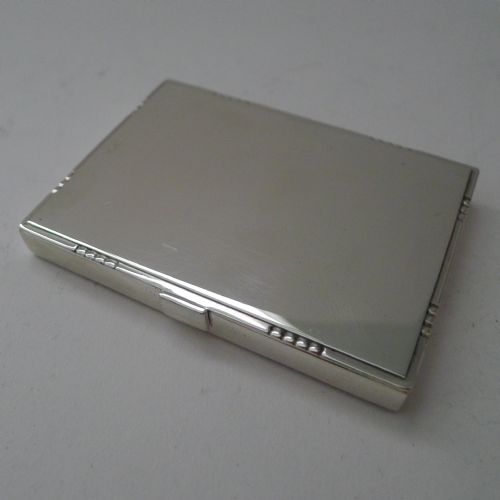
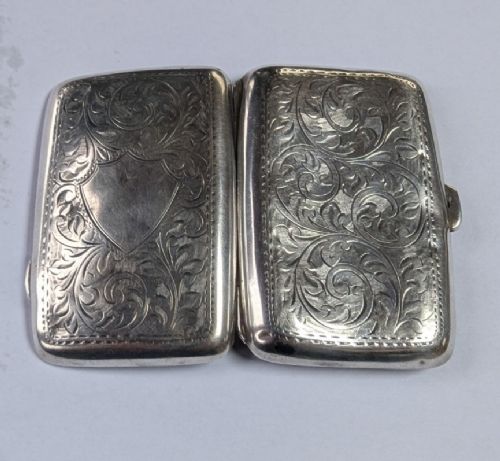
The forms vary widely depending on their original domestic purpose, ranging from stamp boxes and card cases to bonbon dishes and pot pourri containers. You are likely to meet Edwardian and Victorian specimens alongside later twentieth-century iterations from diverse origins.
Makers ranged from large silversmithing firms to individual designers, utilising materials suited to the dressing table or desk. Each object serves to corral small possessions while reflecting the aesthetic preferences of its decade of manufacture.
How they were made
The construction of these pieces relies primarily on sterling silver or silver plate, frequently combined with glass, enamel, or leather components. Silversmiths employed techniques such as casting, hammering, and mounting to secure silver casing around glass bodies or internal compartments.
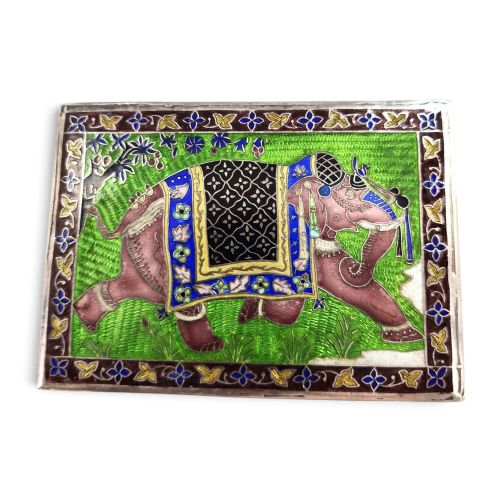
Enamel work adds colour and intricate design to the metal surface, particularly seen in vintage imported pieces. Mounts are fitted closely to glass or ceramic interiors, demonstrating precise metalworking skills characteristic of each period.
Silver Trinket Holder Retail Price Guide 2026
Typical asking prices for silver trinket holder among the pieces listed under this phrase on Sellingantiques today, from the lower quarter to the upper quarter. They describe what is for sale here now, not the wider market.
Listings for silver trinket holder items span the Victorian, Edwardian, Art Deco, and Mid-Century Modernist styles, incorporating sterling silver, enamel, glass, and leather.
What varies in quality
Quality in these pieces rests upon the crispness of the metalwork, the weight of the silver, and the integrity of any applied decoration like enamel. Heavier gauge metal and secure hinges distinguish finer examples from lighter, mass-produced items.
The integration of secondary materials, such as clear cut glass or smooth-functioning internal trays, marks the distinction between standard utilitarian boxes and superior decorative works. Maker attribution and the preservation of original patination also elevate certain items above others.
Georg Jensen·Martin Hall & Co·Nelson and Drake
The Silver Trinket Holder Glossary
- Sterling silver
- An alloy containing a high proportion of pure silver mixed with small amounts of other metals to increase durability. It provides the bright reflective surface common to many of these boxes.
- Silver plate
- A base metal core coated with a thin layer of pure silver. This technique offered a decorative finish at a more accessible cost during the nineteenth century.
- Enamel
- A glassy substance fused to the surface of metal through firing for decoration. It introduces vivid colour and pattern to the exterior of small boxes.
- Tea caddy
- A small container originally intended for storing loose tea leaves. Many surviving examples transitioned into general trinket or storage boxes over time.
- Bonbon dish
- An open vessel designed for holding small sweets or confectionery. In this context, they are often encased in silver mounts or pierced metalwork.
Silver Trinket Holder: Frequently Asked Questions
What is a silver trinket holder?
A silver trinket holder is a small receptacle designed for storing rings, keepsakes, stamps, or small personal items. These pieces typically sit upon a dressing table, desk, or mantelpiece.
They appear in various forms, including hinged boxes, card cases, and mounted glass dishes, reflecting the domestic habits of the Victorian, Edwardian, and mid-century periods.
How were old silver boxes used?
These boxes served practical domestic functions, such as holding postage stamps, playing cards, cigarettes, or loose jewellery. Their compact size kept delicate items organised and protected from dust.
Over time, many pieces transitioned from specific utility items into general decorative objects used for display and safe-keeping on dressing tables.
How do I date a silver trinket box?
Dating relies heavily on hallmarks stamped into the metal, which indicate the assay office, year of manufacture, and silversmith. Stylistic clues also help place an object within a specific era.
For example, heavy ornamentation points toward the Victorian period, whereas clean lines and geometric motifs suggest Art Deco or mid-century modernist designs.
Can I use them for daily storage?
These historic boxes function well for holding everyday small accessories like rings, cufflinks, or keys. Their original velvet or silk linings, where intact, provide a soft bed for modern jewellery.
Care should be taken with delicate elements such as enamel panels or glass inserts to preserve the integrity of the piece during regular use.