



Silver Topped Scent
These silver topped scent bottles are dressing table essentials that bring tactile period elegance into daily routines.
Silver Topped Scent
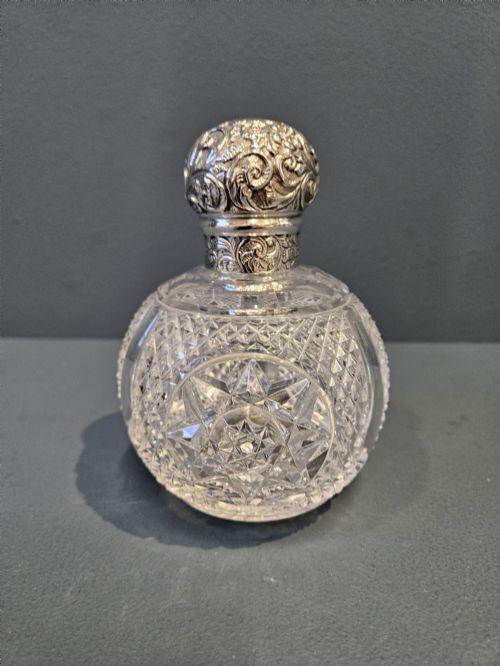
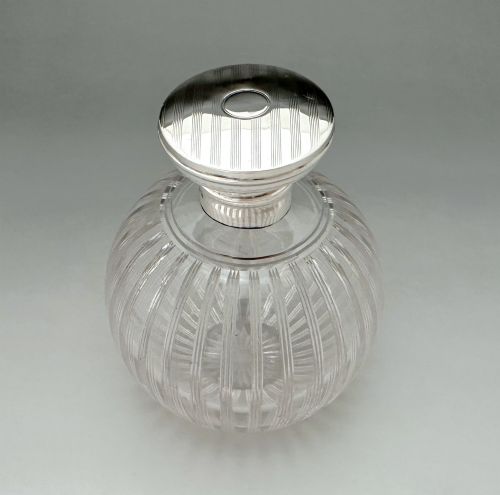
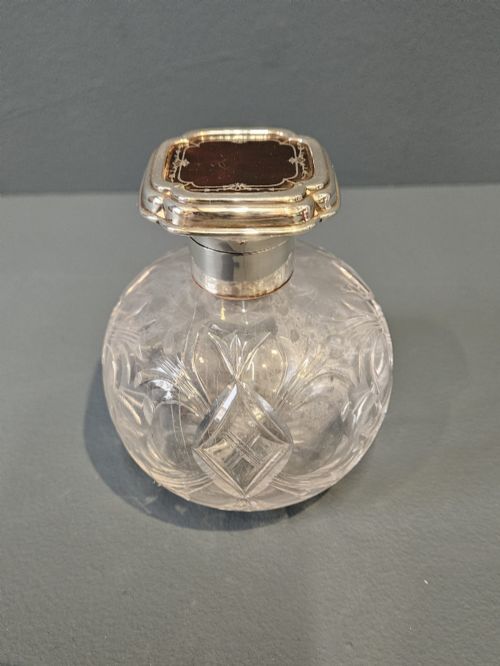
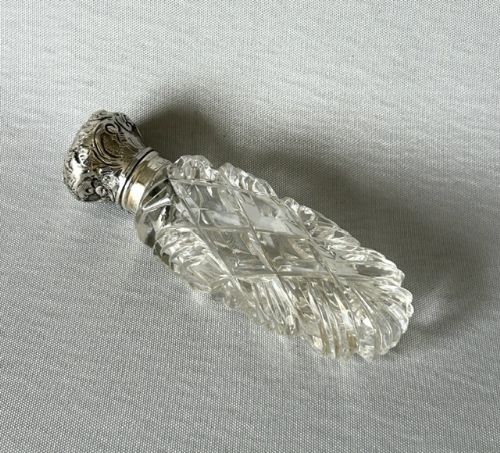
A silver topped scent search reveals a variety of dressing table accessories, perfume bottles, and vinaigrettes spanning the Victorian, Edwardian, and Art Deco periods. Most pieces combine a glass body with a hallmarked sterling silver cap or mount, originating from British workshops or continental makers.
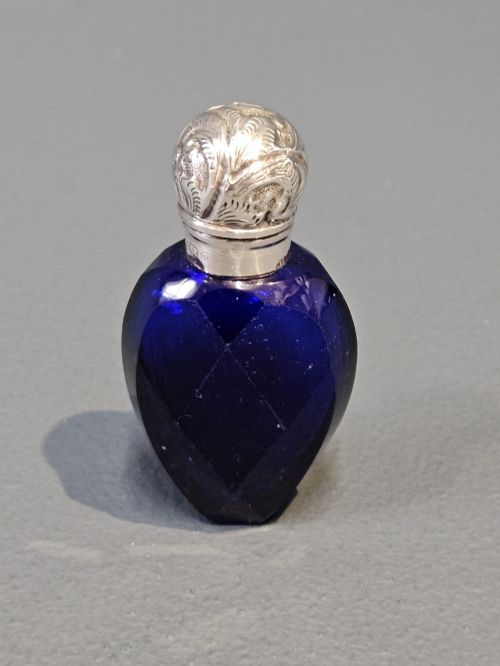
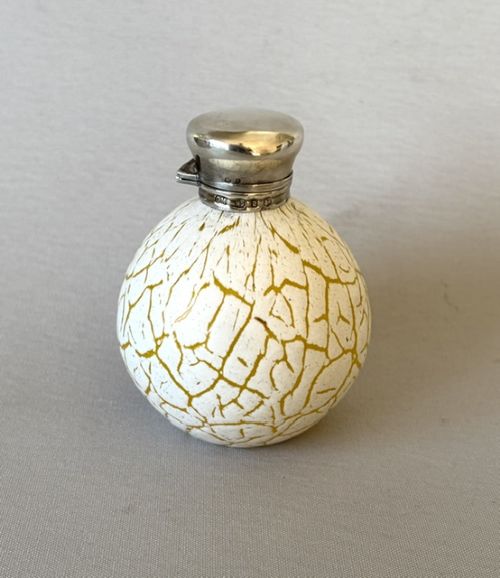
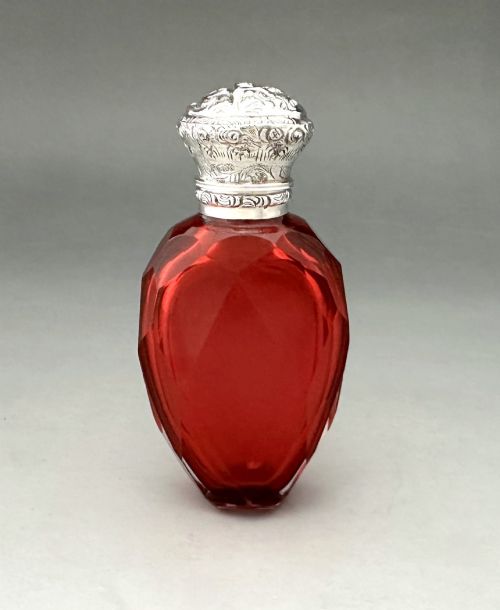
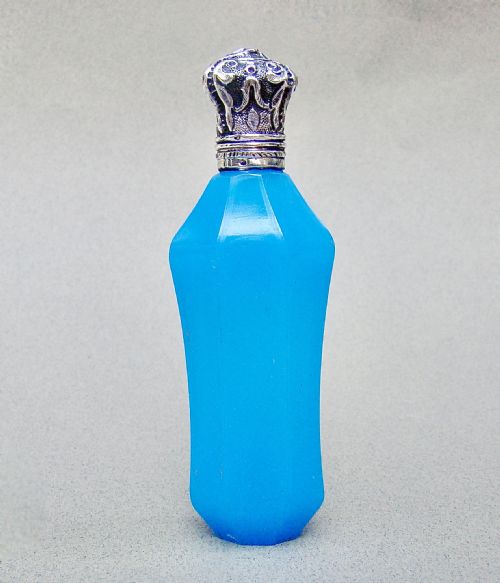
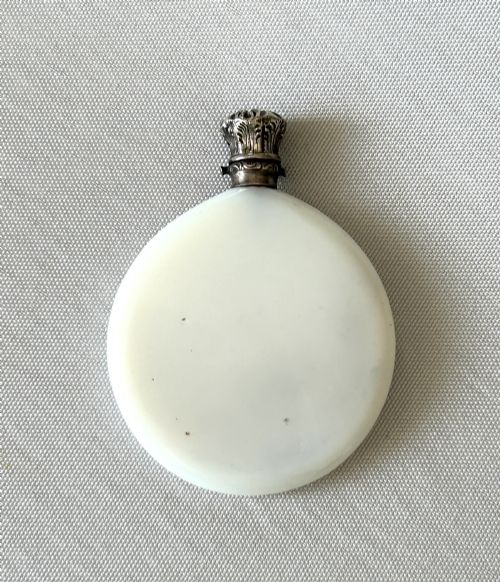
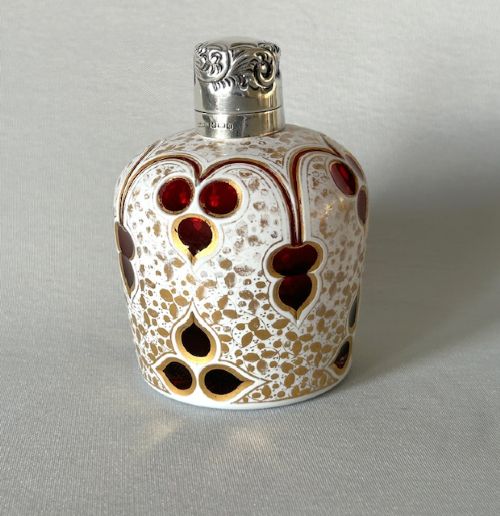
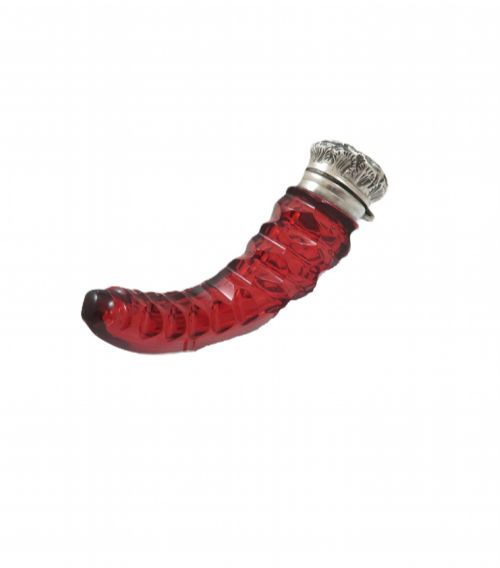
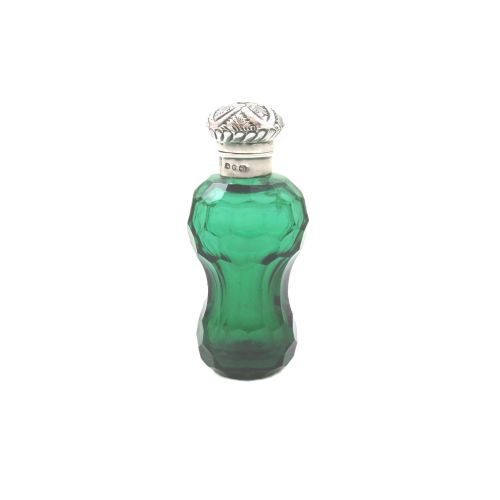
The glass bodies take multiple forms, including cut crystal, Bristol blue, cranberry, opaline, and crackle glass. Collectors frequently encounter globular, cylindrical, or egg-shaped vessels produced across the nineteenth and early twentieth centuries.
Materials and construction methods
Glassmakers utilised mould-blowing, hand-cutting, and casing techniques to create coloured, clear, or opaline bodies. Molten glass received additives to produce deep shades of ruby, green, blue, and amethyst.
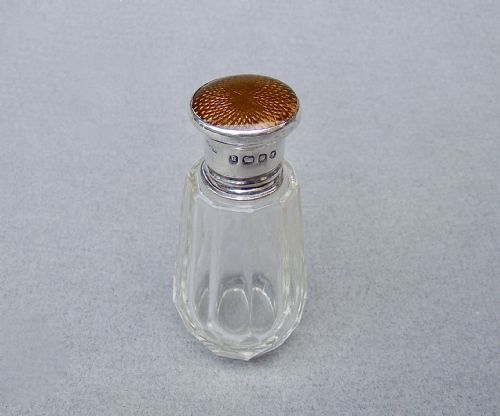
Silversmiths shaped sterling silver caps by stamping, chasing, or piercing, frequently incorporating guilloche enamel or tortoise shell inlays. The silver mounts were then fitted directly to the glass necks, often housing internal stoppers.
Silver Topped Scent Retail Price Guide 2026
Typical asking prices for silver topped scent among the pieces listed under this phrase on Sellingantiques today, from the lower quarter to the upper quarter. They describe what is for sale here now, not the wider market.
Victorian makers occasionally shaped glass and silver into speckled bird eggs, adding avian charm to the dressing table.
Distinctions in craftsmanship
Quality rests in the precision of the glass cutting and the weight of the sterling silver mount. Superior items display crisp facets on cut crystal or evenly saturated colours in opaline and cranberry glass.
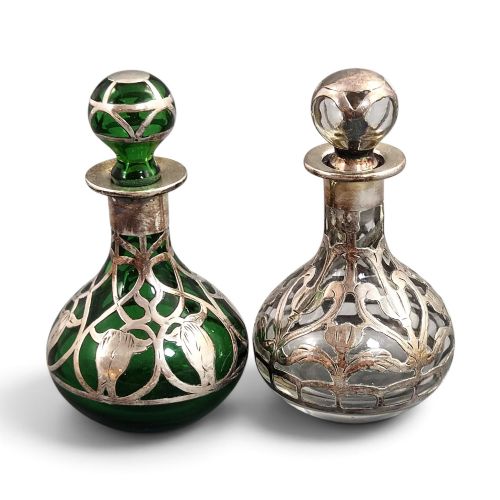
Artistry in the silver work distinguishes finer pieces, such as detailed Art Nouveau floral overlays or hand-applied guilloche enamel. Maker marks and clear hallmarks further separate standard production items from workshop outputs.
Harold Bushell and Co·Henry Perkins·Franchini and Bigaglia·Barnsley and Co·Gorham
The Silver Topped Scent Glossary
- Sterling silver
- A silver alloy containing 92.5 percent pure silver by mass and 7.5 percent other metals, typically copper. This standard alloy appears on the hallmarked caps of these bottles.
- Opaline glass
- An opaque or translucent glass developed in nineteenth-century France and Britain. It yields a pale, milky appearance in shades of turquoise, white, or blue.
- Guilloche enamel
- A decorative technique where precise patterns are mechanically engraved into metal beneath a translucent enamel layer. This finish frequently decorates Edwardian and Art Deco silver caps.
- Vinaigrette
- A small ornamental box or bottle featuring a perforated internal grille. It held a sponge soaked in aromatic vinegar.
- Cranberry glass
- A rich red-pink glass created by adding gold chloride to the molten batch. It is commonly paired with silver mounts in Victorian and Edwardian examples.
Silver Topped Scent: Frequently Asked Questions
How do I date a silver topped scent bottle?
Dating relies heavily on the hallmarks stamped onto the silver mounts, which indicate the assay office, year letter, and maker. Stylistic cues such as Art Nouveau curves or geometric Art Deco lines also point to specific decades.
Changes in glass colours and manufacturing techniques, from Victorian opaline to twentieth-century cut crystal, provide further chronological context for each piece.
Were these bottles meant for travel?
Many smaller examples served as portable dressing accessories for travel within vanity boxes or handbags. Their secure screw or hinged silver caps prevented leakage during transit.
Larger globular and table versions remained stationary on dressing tables, serving both decorative and practical functions for daily perfumes.
What is inside the glass bottles?
Original contents typically included concentrated perfumes, floral waters, or aromatic vinegars used for freshening the air or reviving the user. Most surviving examples are empty today.
Some pieces retain internal glass stoppers beneath the outer silver cap to prevent evaporation of the volatile liquids stored inside.
How should I clean the silver mounts?
Cleaning requires a soft cloth and non-abrasive silver polish applied carefully around the glass edges. Care prevents polish from entering the bottle or staining delicate enamel and tortoise shell elements.
Avoiding harsh chemical dips protects the surrounding glass and preserves any historical patination on the sterling silver.