




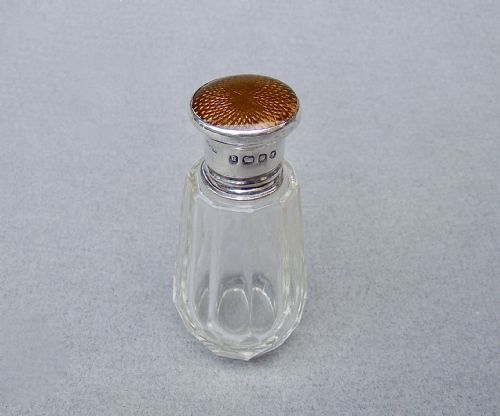
Silver Top Perfume
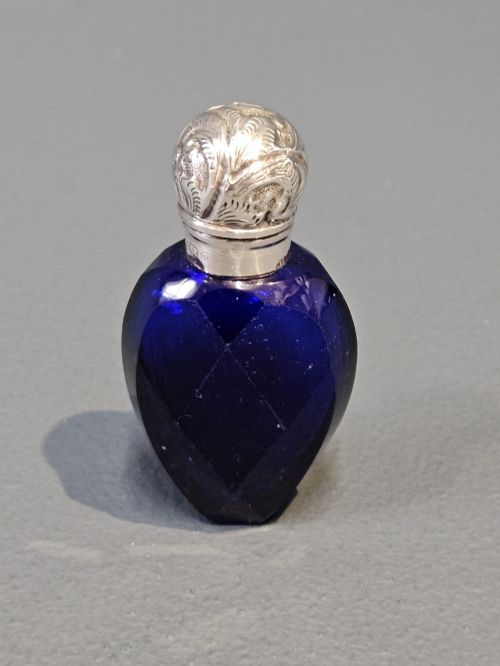
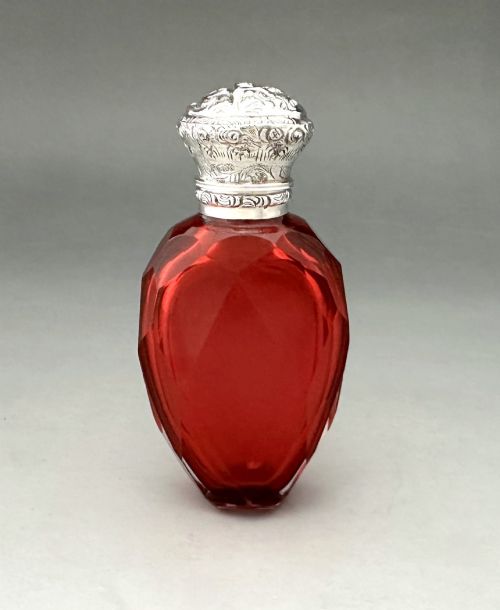
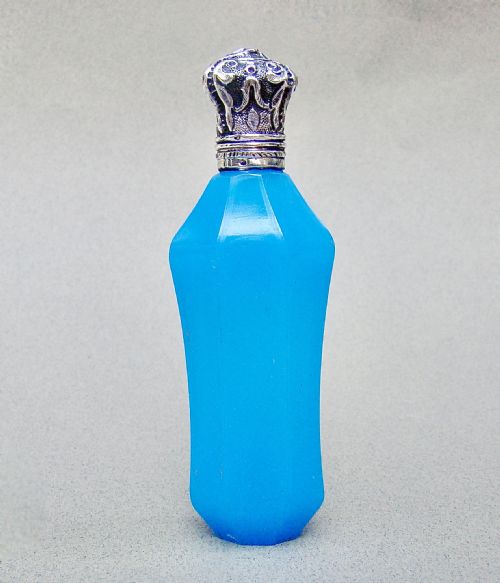
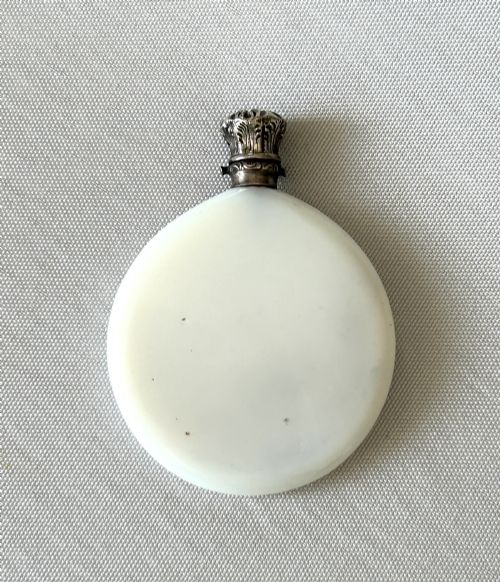
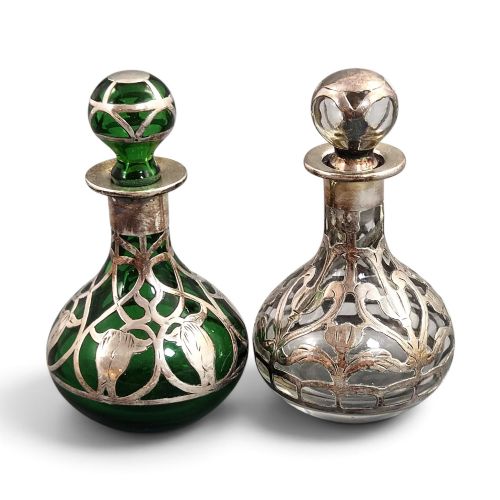
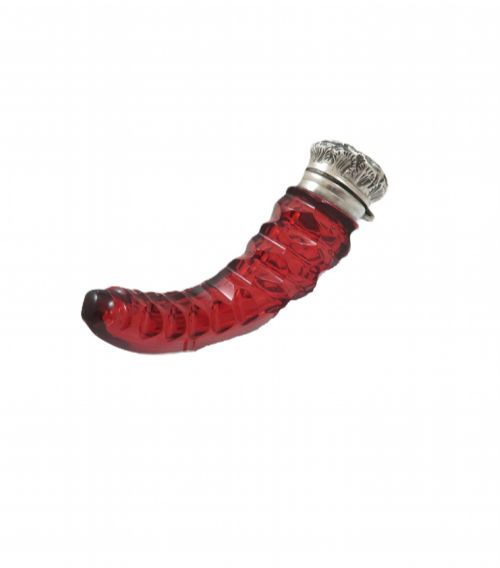
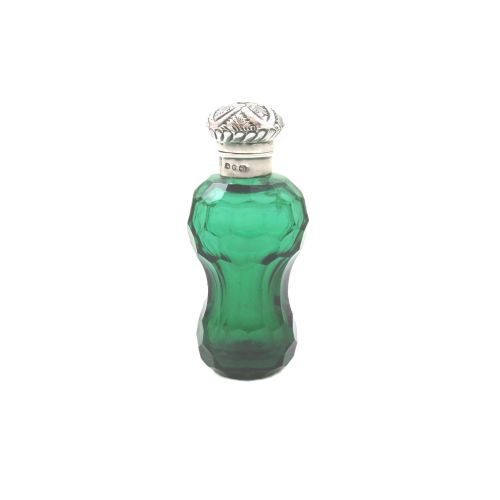
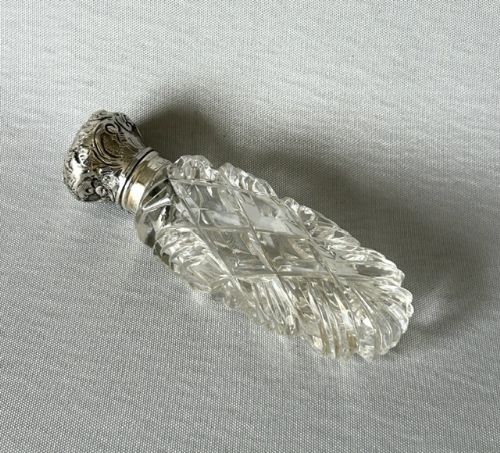
Silver top perfume bottles combine precious metal mounts with coloured, clear, or overlay glass to bring dressing table elegance from the nineteenth and early twentieth centuries.
Silver Top Perfume
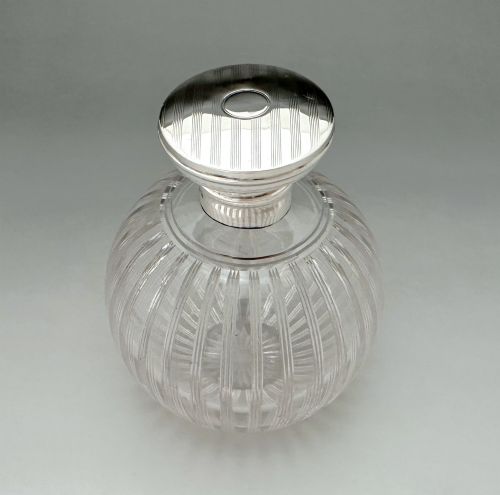
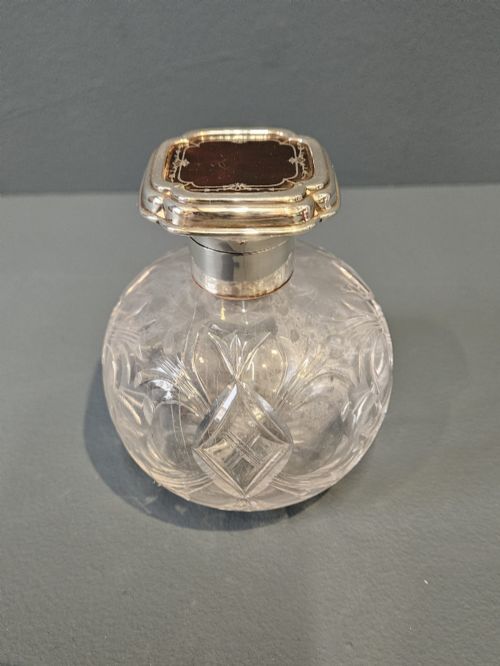
Silver top perfume bottles comprise small scent vessels secured with metal screw caps or hinged lids, spanning periods from the nineteenth century through the Edwardian era and into the Art Deco years. The selection on this page centres on dressing table accessories and vanity jars, ranging from miniature specimens to larger globular flasks.
Most examples combine a sterling silver mount with bodies formed from cut glass, crystal, or coloured glass. Pieces originate from British makers as well as continental workshops in France and Bohemia, incorporating distinct regional aesthetics into functional personal items.
How they were made
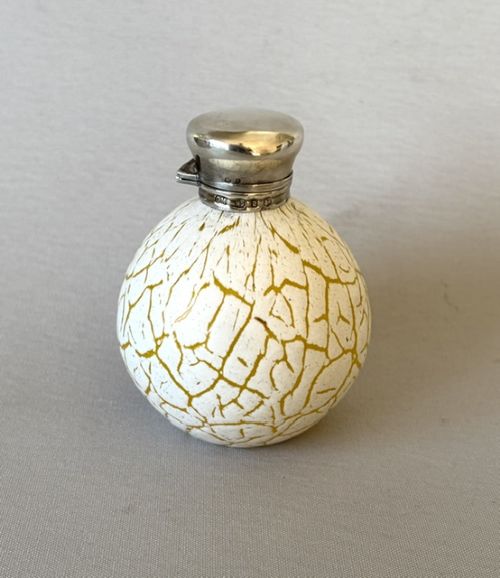
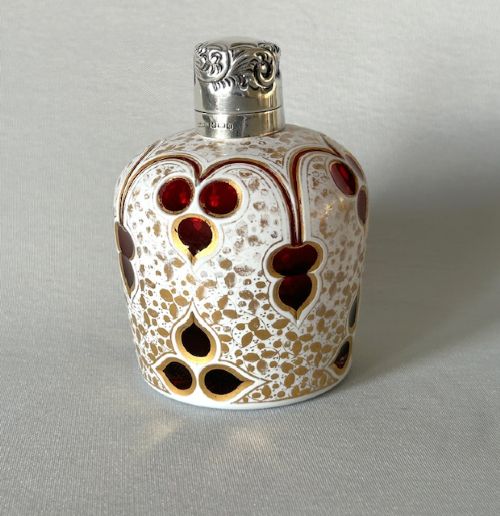
Glass bodies were shaped using techniques such as mould-blowing, cutting, and overlay work, producing vibrant colourways including cranberry, opaline, ruby, green, and amethyst glass. Some vessels incorporate murrine work or delicate crackle effects, while others utilise tortoiseshell or guilloché enamel beneath or alongside the metal.
Silver mounts were cast, hammered, or pierced, often displaying Art Nouveau organic tendrils or geometric Art Deco lines. Makers secured these collars and caps directly to the glass necks, frequently incorporating hallmarks that record the year and assay office of production.
Silver Top Perfume Retail Price Guide 2026
Typical asking prices for silver top perfume among the pieces listed under this phrase on Sellingantiques today, from the lower quarter to the upper quarter. They describe what is for sale here now, not the wider market.
Several Victorian bottles take the whimsical form of speckled eggs, designed to sit snugly in a lady's palm.
What varies in quality
Quality rests in the marriage of the metal mount to the glass body, where precise fit and substantial silver weight elevate a piece above standard domestic wares. Finer examples display crisp cutting to the crystal or complex layering in coloured glass.
George May·Harold Bushell and Co·Henry Perkins·Franchini and Bigaglia·Barnsley and Co
The Silver Top Perfume Glossary
- Sterling silver
- A silver alloy containing 92.5 percent pure silver by mass, widely utilised for the protective caps and collars of these bottles.
- Opaline glass
- An opaque or semi-translucent glass developed in various pastel shades, frequently chosen for Victorian dressing table vessels.
- Guilloché enamel
- Decorative mechanical engraving beneath transparent enamel, creating repeating geometric patterns on metal surfaces.
- Murrine
- Coloured glass cane slices heated and fused together, seen in specialised nineteenth-century Italian scent bottles.
- Hallmark
- An official stamp applied to precious metals, indicating the maker, assay office, and year of testing.
Silver Top Perfume: Frequently Asked Questions
How do I clean a silver top perfume bottle?
Use a soft cloth to polish the silver mount gently while avoiding harsh chemical dips that might damage delicate glass bodies or enamel work.
Keep moisture away from the interior lining of the cap and store the bottle in a stable environment away from direct sunlight.
Are these perfume bottles still usable today?
Many retain functional screw caps or hinged lids that seal adequately, though older cork inserts inside the lids may have degraded over time.
Collectors generally display them as vanity ornaments rather than carrying them for daily fragrance use.
How can I date an antique perfume bottle?
Examine the silver mount for British hallmarks, which decode the exact assay office and year of manufacture for pieces produced in the UK.
Stylistic cues such as Art Nouveau whiplash lines or geometric Art Deco forms also help assign continental and unmarked pieces to specific decades.