



Silver Tableware Vessel
A silver tableware vessel brings functional elegance to the dining table, offering enduring appeal through historic craftsmanship.
Silver Tableware Vessel
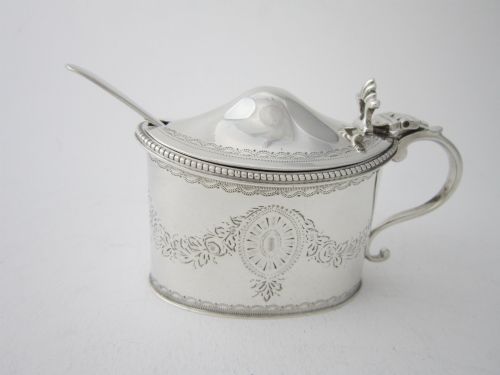
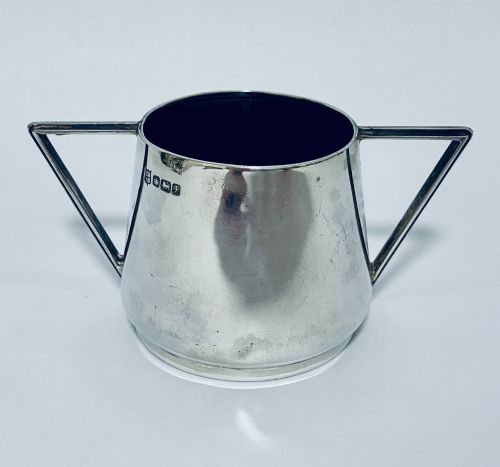
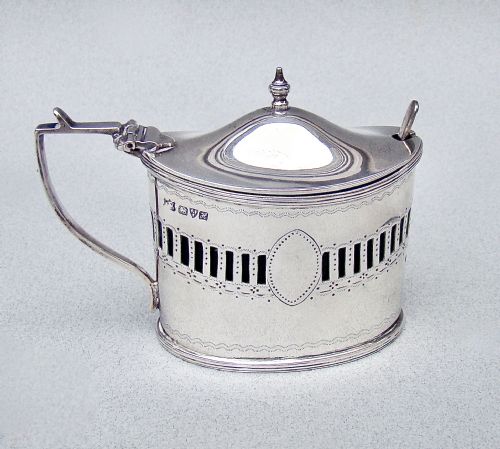
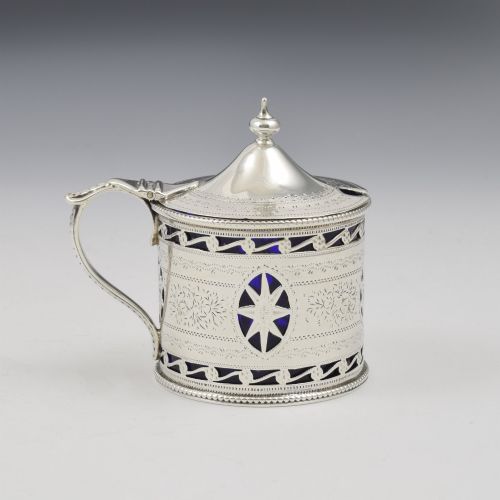
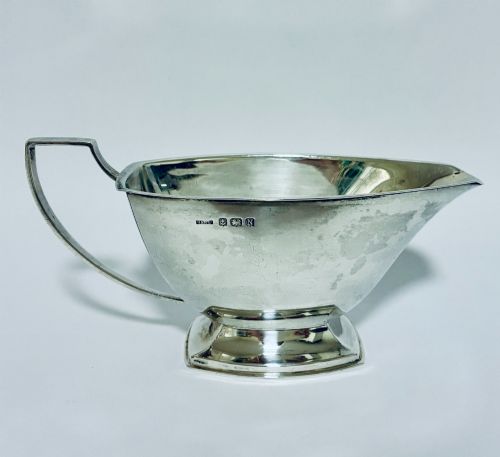
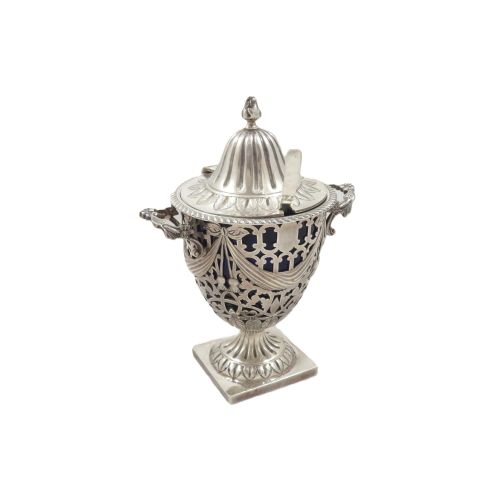
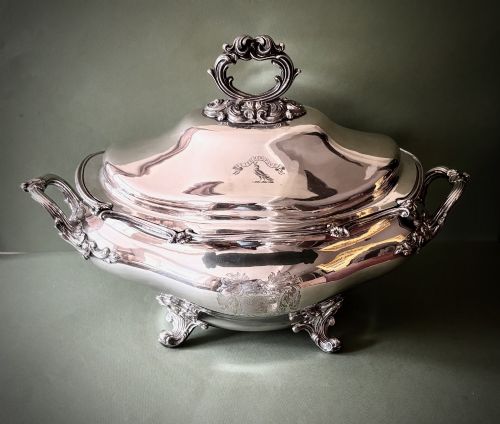
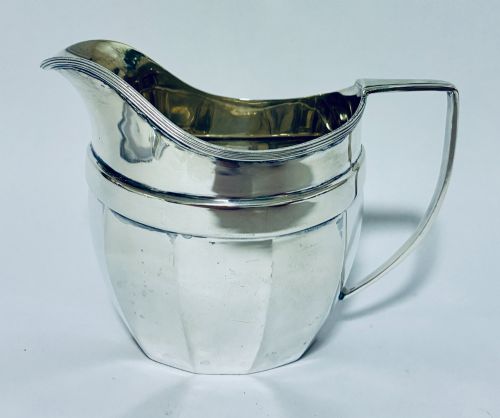
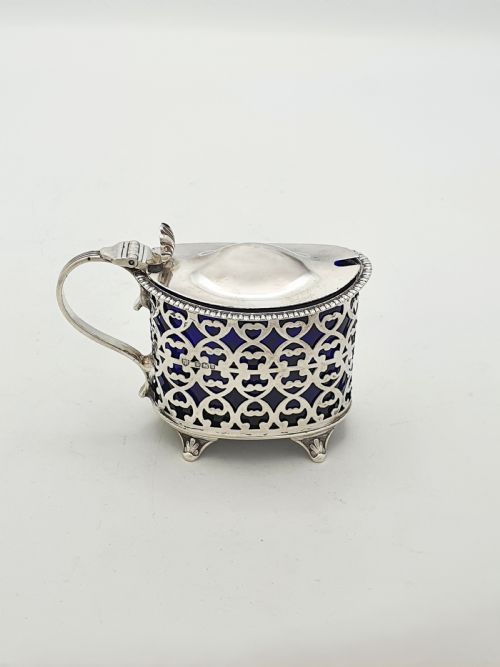
A silver tableware vessel encompasses a diverse group of dining and serving pieces designed for functional use. When exploring silver tableware vessel options, buyers encounter forms ranging from mustard pots and sauce boats to sugar bowls, milk jugs, and spoon warmers.
The pieces span multiple eras, with Georgian, Victorian, and Edwardian examples appearing frequently alongside later Art Deco designs. Materials include sterling silver, silver plate, and combinations featuring cut glass, cobalt glass, copper, and wood.
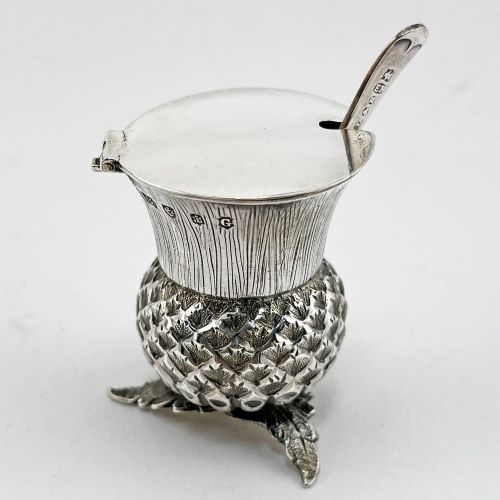
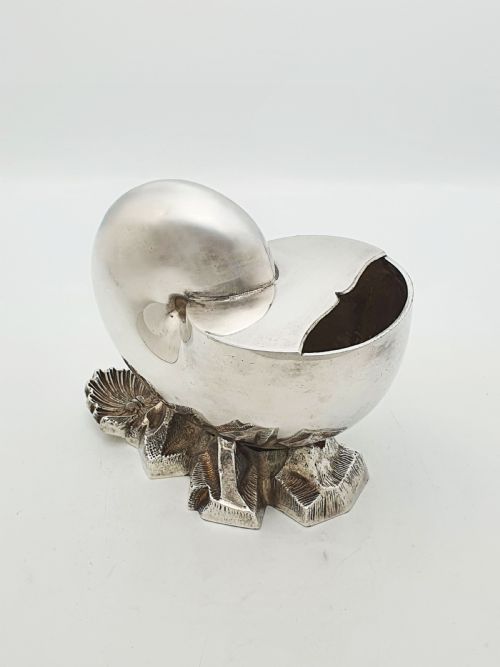
Specialised novelty items, such as thistle-shaped mustard pots, nautilus shell spoon warmers, and porringers, add distinct character to the category. Most items serve specific culinary roles, from holding condiments to warming liquids at the table.
Distinguishing quality
Quality rests in the crispness of chased and pierced decoration, the weight of the silver, and the structural integrity of hinges and handles. Superior examples maintain clear hallmarks and retain their original glass liners without replacement.
Design complexity also separates standard items from exceptional ones, particularly in novelty forms and finely embossed sauce boats. The skill of the silversmith determines the balance and proportion of the vessel.
Silver Tableware Vessel Retail Price Guide 2026
Typical asking prices for silver tableware vessel among the pieces listed under this phrase on Sellingantiques today, from the lower quarter to the upper quarter. They describe what is for sale here now, not the wider market.
Materials span sterling silver, silver plate, cut glass, cobalt glass, copper, and walnut wood across various nineteenth and twentieth-century designs.
Alfred Marston·Nathan and Hayes·Matthew Boulton·Robert Hennell I·Charles Stuart Harris
The Silver Tableware Vessel Glossary
- Sterling silver
- A silver alloy containing 92.5 percent pure silver and 7.5 percent other metals, usually copper, ensuring durability for tableware.
- Old Sheffield plate
- An early form of plated metal created by fusing a sheet of silver to a copper base, typical of pieces from the Georgian period.
- Spoon warmer
- A Victorian vessel designed to hold hot water, keeping gravy spoons warm before service.
- Porringer
- A small, shallow bowl with one or two flat horizontal handles, used historically for porridge, broths, or liquids.
- Argyle
- A vessel designed to keep gravy warm using an internal hot-water compartment or cylinder.
Silver Tableware Vessel: Frequently Asked Questions
What is a silver tableware vessel used for?
These vessels serve specific culinary and dining functions, ranging from dispensing mustard and gravy to holding sugar, cream, and preserves during meals.
Historically, they added both practical utility and formal presentation to dining tables across the Georgian and Victorian eras.
How do I identify the period of a silver vessel?
Makers' marks and town hallmarks stamped into the silver provide the most reliable indication of a piece's date and origin.
Stylistic cues, such as the heavy embossing of Victorian pieces or the clean geometric lines of Art Deco items, also help determine the era.
Are silver plated items as good as sterling silver?
Silver plated items offer the same decorative aesthetic as solid sterling silver but utilise a base metal foundation, such as copper or Old Sheffield plate.
Collectors often value Old Sheffield plate for its historical significance and distinctive manufacturing technique.
How should I clean antique silver vessels?
Regular, gentle dusting and occasional cleaning with a specialised silver cloth help maintain the metal surface without damaging fine engravings.
Harsh chemical dips should be avoided, particularly on plated items or pieces with delicate glass liners and wooden components.