

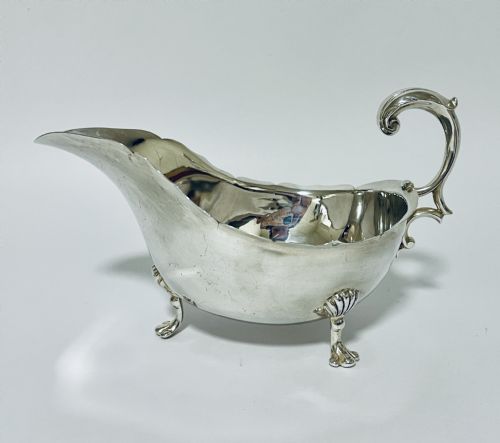
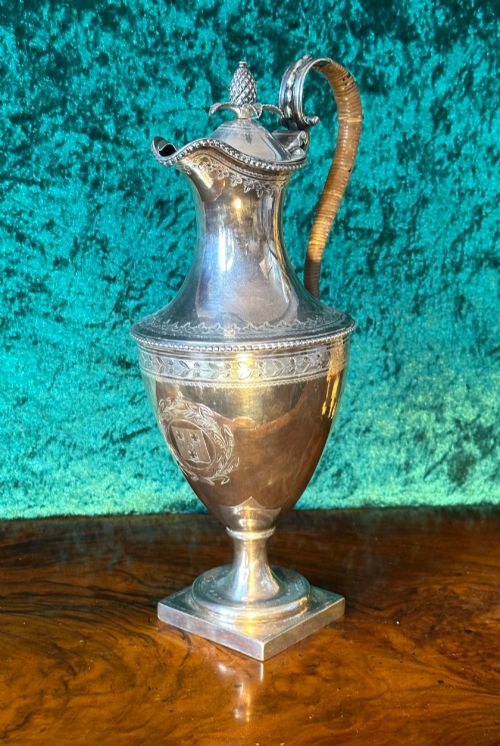


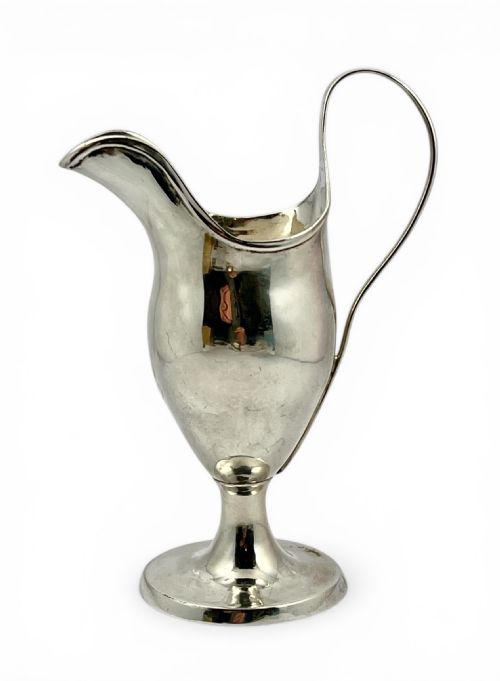

Silver Tableware Pitcher
These silver tableware pitchers and jugs range from Georgian creamers to Victorian claret jugs, offering both refined table service and practical utility.
Silver Tableware Pitcher
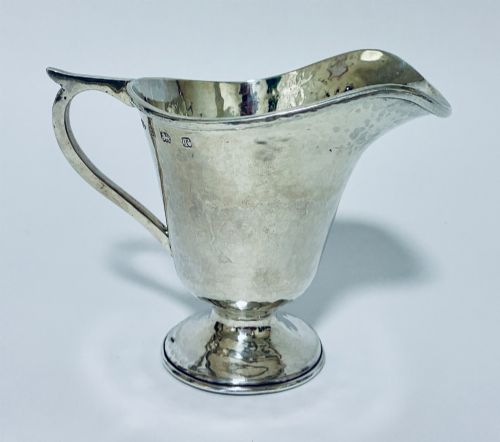
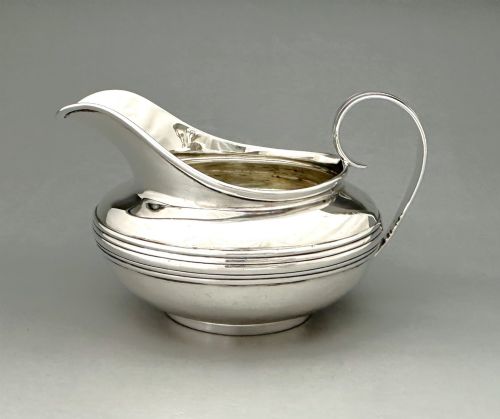
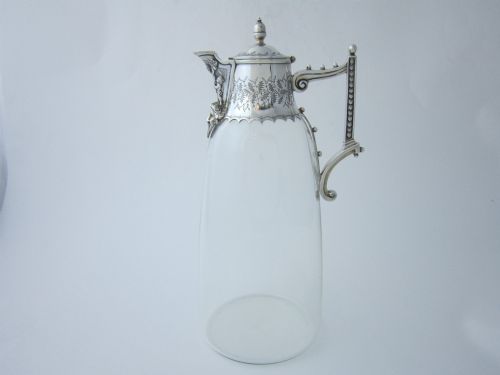
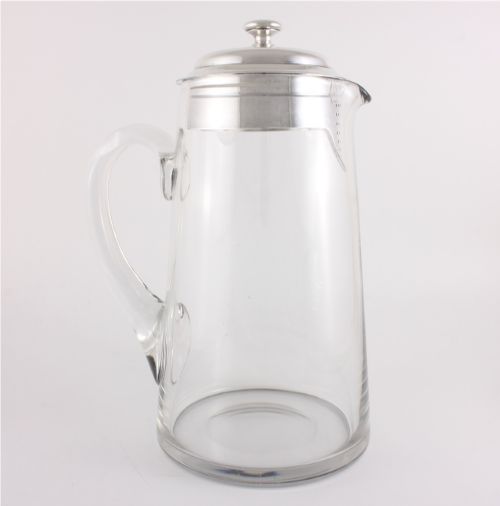
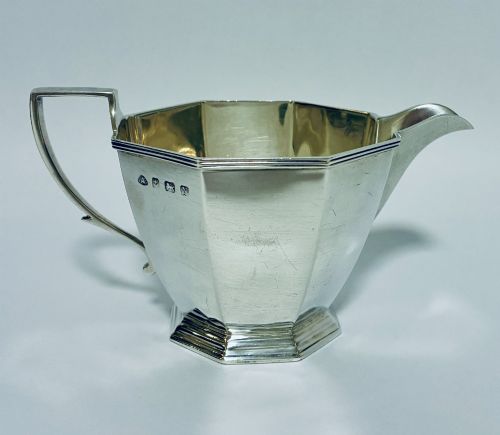
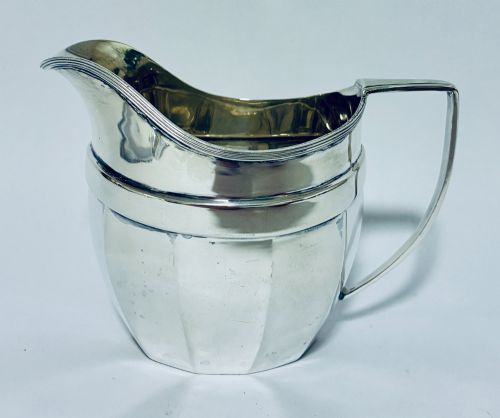
When you search for silver tableware pitcher, you encounter a diverse selection of vessel forms designed for liquid service at the table. Cream jugs, milk jugs, claret jugs, and larger water pitchers dominate the selection, spanning periods from the eighteenth century through the twentieth century.
The Georgian and Victorian eras provide the bulk of the examples, featuring distinct regional variations including Scottish provincial work and Irish pieces. Smaller creamers and milk jugs appear frequently alongside larger beverage servers like claret jugs and coffee pots.
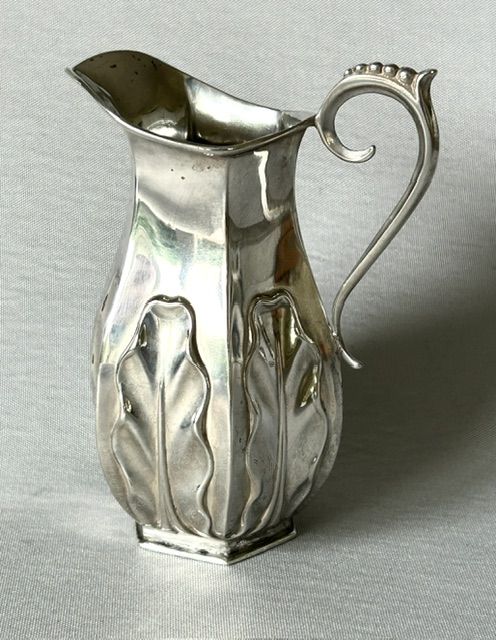
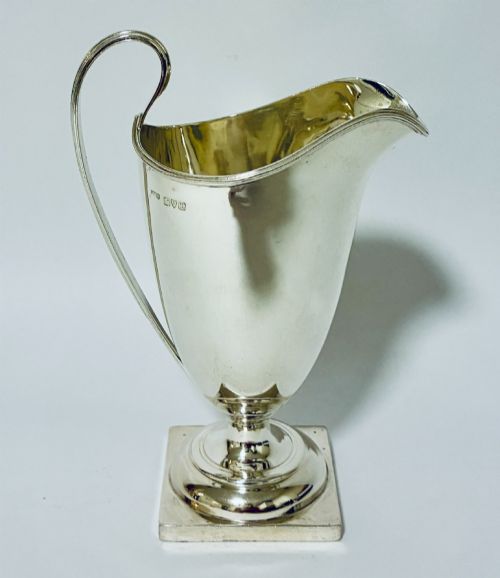
Forms range from classical helmet shapes and pedestal designs to naturalist creations and Arts and Crafts interpretations. Buyers find both solid sterling silver and silver plate constructions, often paired with glass bodies or complemented by accessories like sugar bowls.
Materials and Construction Methods
Silversmiths utilised sterling silver, silver plate, and Old Sheffield plate, frequently combining metal with blown glass for claret jugs and water pitchers. Copper foundations appear beneath plated surfaces, while interior gilding known as gold gilt occasionally lines smaller creamers.
Decorative techniques recorded in the listings include bright cut engraving, naturalist moulding, and revivalist styling such as Georgian revival. Handles incorporate insulating materials or complementary metals, and woven wicker wraps sometimes encircle the necks of glass serving vessels.
Listings feature items from the Georgian, Victorian, and Arts and Crafts periods, alongside French mid-century silver plate.
Assessing Quality and Execution
Quality reveals itself in the crispness of the chasing, the weight and balance of the handle, and the integrity of the soldered joints. Superior examples demonstrate confident hand-engraving and substantial gauge metal that resists flexing during everyday handling.
Maker marks and clear hallmarks elevate an object by confirming its provenance and standard of precious metal. The integration of mixed materials, such as the seamless union between silver mounts and cut glass bodies, distinguishes masterwork presentation pieces from standard utilitarian wares.
James Gordon·John Emes·Peter and Ann Bateman·Robert Pringle and Sons·Christofle
The Silver Tableware Pitcher Glossary
- Sterling silver
- A standard alloy consisting of ninety-two point five percent silver by mass, with the remainder usually copper. This composition provides the durability required for functional tableware.
- Old Sheffield plated
- An early form of composite metal made by fusing a thin sheet of silver to a thicker copper base. Pieces produced this way display a characteristic rich warmth.
- Claret jug
- A specialised pouring vessel designed specifically for serving red wine at the dining table. These typically feature a glass body with an elaborate silver mount, handle, and hinged lid.
- Bright cut engraving
- A surface decoration technique utilising faceted V-shaped cuts to create shimmering geometric or floral patterns. This method reflects light brilliantly from the polished metal surface.
- Sauce boat
- An open vessel with a lip and handle used for serving gravies and sauces. They frequently rest on fixed or matching drip stands.
Silver Tableware Pitcher: Frequently Asked Questions
What is the difference between a cream jug and a milk jug?
Cream jugs were traditionally smaller vessels intended to hold rich cream for tea service, while milk jugs offered greater capacity for larger households.
In practical terms today, both terms often overlap depending on the era and regional naming conventions of the maker.
How do I care for antique silver pitchers?
Wash silver pieces by hand using warm water and a mild dish soap, drying them immediately with a soft lint-free cloth to prevent water spots.
Avoid abrasive cleaners and harsh chemical dips that can strip away desirable patination and damage delicate applied decoration.
Can I use these pitchers for daily dining?
Solid silver and silver-plated pitchers remain entirely functional for serving water, wine, or cream during modern meals.
Care should be taken with glass-bodied claret jugs to avoid thermal shock from hot liquids or accidental impacts against hard surfaces.
How do I identify the date of a silver pitcher?
British pieces typically feature a series of hallmarks that include a date letter, a city assay mark, and a maker mark. Consulting standardised duty marks and stylistic cues helps narrow down the period of manufacture.