
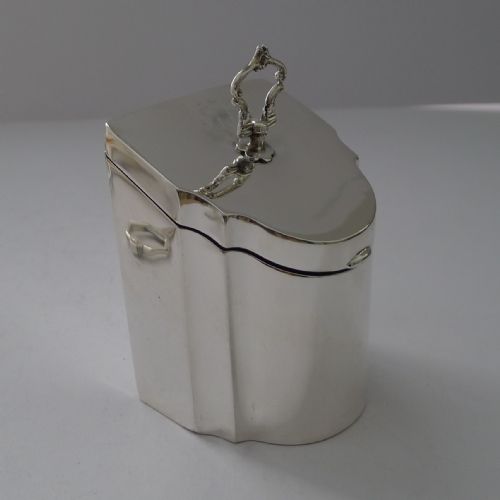


Silver Tabletop Caddy
A silver tabletop caddy is a refined container designed for dry leaves or condiments, offering tangible heritage for any dining surface.
Silver Tabletop Caddy
A silver tabletop caddy encompasses tea caddies, desk boxes, condiment sets, and cruet holders spanning the Victorian and Edwardian eras. Buyers search this phrase to find functional receptacles fashioned from silver plate or solid silver.
The versions most frequently met on this page include Victorian sterling silver tea caddies taking knife box forms and elaborate silver-plated cruet sets fitted with cut glass bottles. These domestic items bridge utilitarian purpose with ornamental appeal.
How they were made
Items in this category combine solid silver or silver plate with heavy cut glass to create durable domestic vessels. Metalwork techniques of the period involved skilled casting, repoussé work, and plating onto base metals such as nickel silver.
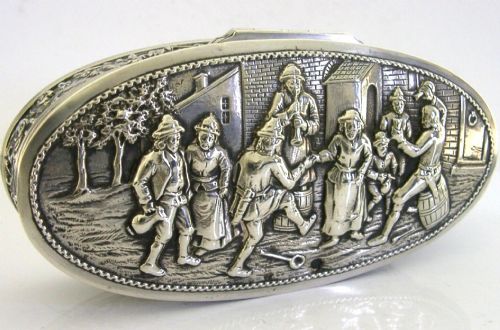
Makers integrated fitted glass inserts within pierced or solid metal frameworks, ensuring that cruet sets and condiment holders remained practical for table service. Surface decoration ranges from plain polished finishes to ornate Dutch traditional motifs.
Materials range from sterling silver and solid silver to nickel silver and silver plate combined with cut glass.
What varies in quality
The distinction between standard examples and superior pieces rests upon the weight of the metal and the crispness of the chased or embossed ornamentation. Heavier gauge silver and deeply cut glass indicate a higher standard of manufacture.
Design complexity also defines worth, moving from simple utilitarian toast racks to intricate knife box forms and ornate Victorian cruet stands. The integrity of the maker's mark provides further context regarding origin and standard.
Mappin Brothers
The Silver Tabletop Caddy Glossary
- Silver Plate
- A thin layer of silver fused or electroplated onto a base metal such as nickel silver. This method allowed makers to produce domestic items with the appearance of solid silver at a lower cost.
- Cruet Set
- A matched collection of small bottles or cruets for holding vinegar, oil, salt, or pepper, usually housed in a metal frame. These sets stood on the dining table for personal seasoning.
- Sterling Silver
- An alloy consisting of silver and other metals, usually copper, to increase durability while maintaining a high purity standard. Items made to this standard often bear hallmark stamps.
- Knife Box Form
- A sloping, hinged container shape mimicking miniature cutlery boxes of the eighteenth century. Tea caddies fashioned in this style provide a distinctive silhouette on the tabletop.
Silver Tabletop Caddy: Frequently Asked Questions
What is a silver tabletop caddy used for?
These pieces served various domestic functions, primarily storing dry goods like tea leaves or holding condiments and wine bottles during formal meals.
Over time, their roles shifted from daily dining table essentials to decorative display items that add period character to a room.
How do I care for silver plate?
Maintenance requires gentle cleaning with appropriate silver polish to remove tarnish without wearing away the plated surface. Soft cloths help preserve the intricate details found on ornate Victorian and Edwardian examples.
Storing pieces in dry environments prevents moisture damage to both the metal elements and any accompanying cut glass inserts.
How do I distinguish solid silver from plate?
Examination of the underside or rims often reveals hallmarks indicating solid sterling manufacture, whereas plated items may show base metal beneath worn areas.
Weight can also offer clues, as solid silver objects generally feel heavier than their plated counterparts of identical size.
What styles are common in these pieces?
The selection includes Victorian, Edwardian, and Dutch traditional designs, reflecting changing aesthetic preferences across the nineteenth and early twentieth centuries.
Some pieces embrace ornate Gothic influences, while others feature clean geometric lines typical of later Art Deco periods.