



Silver Table Dish
When you search for a silver table dish, you find a varied assembly of servers, bowls and lidded boxes spanning the Victorian and Edwardian eras.
Silver Table Dish
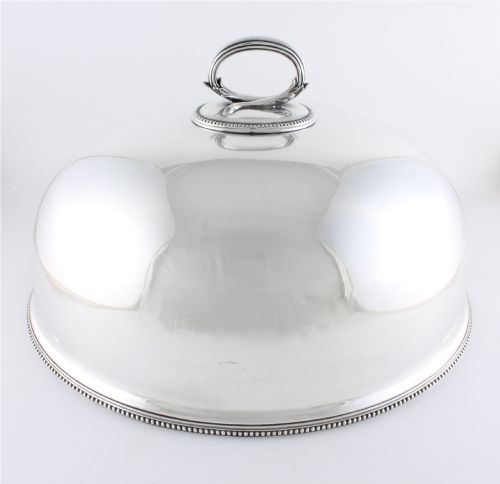
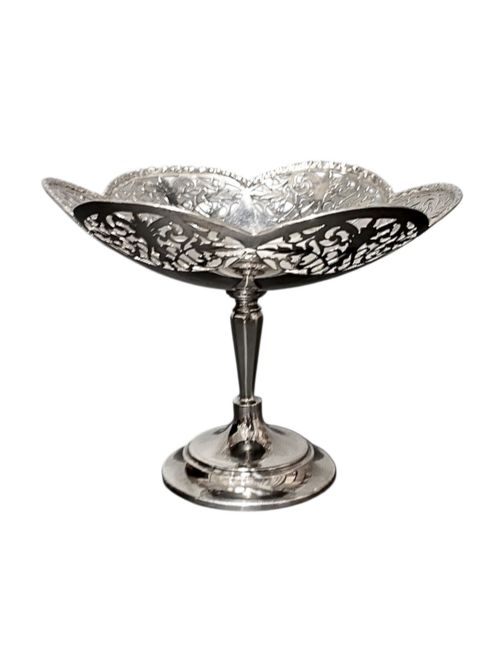
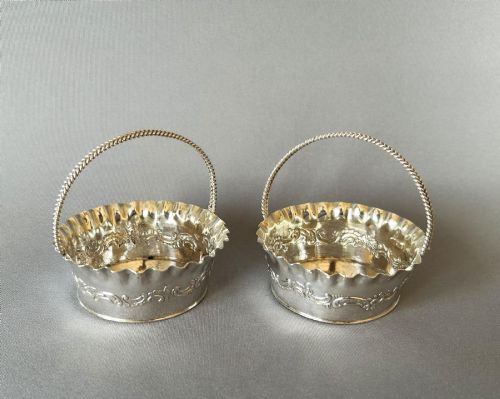
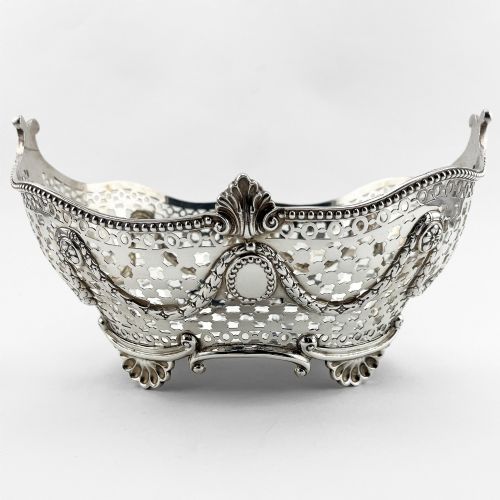
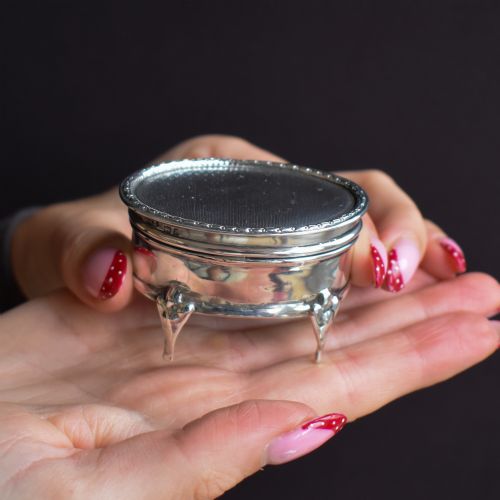
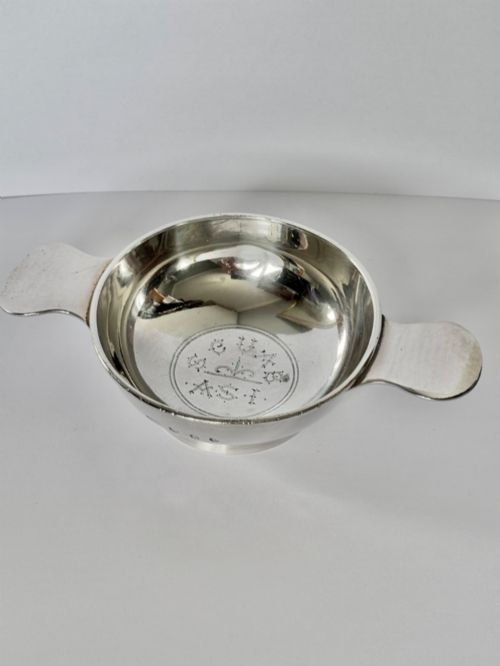
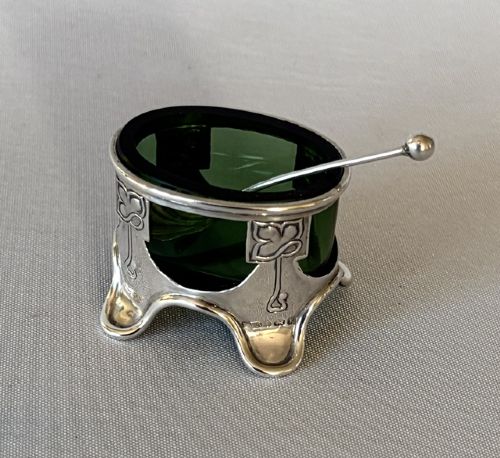
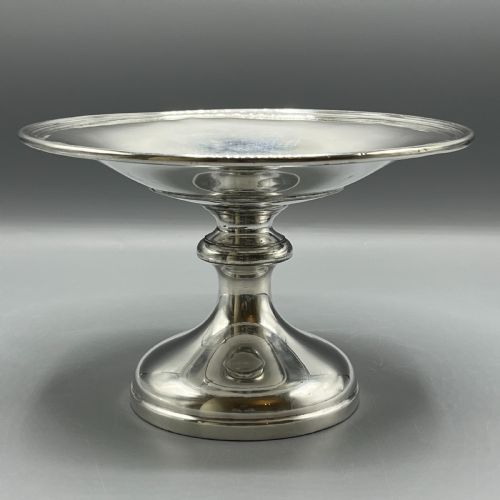
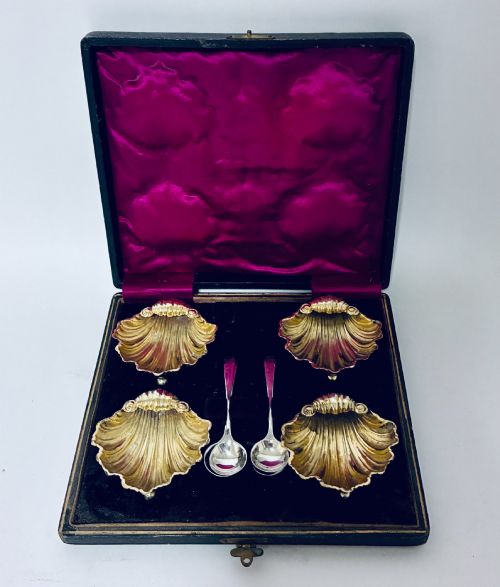
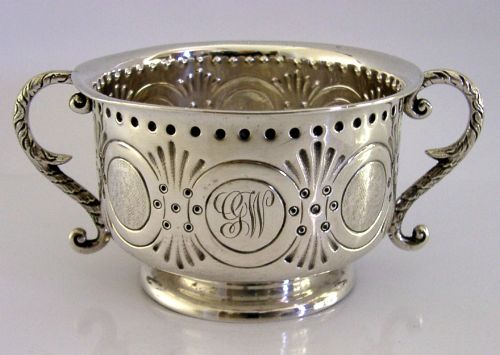
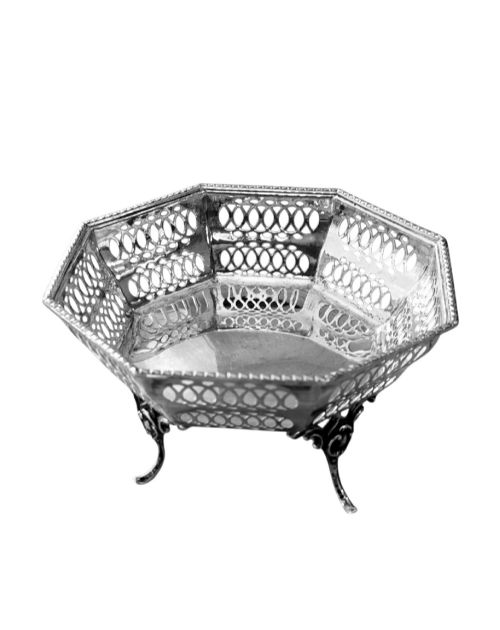
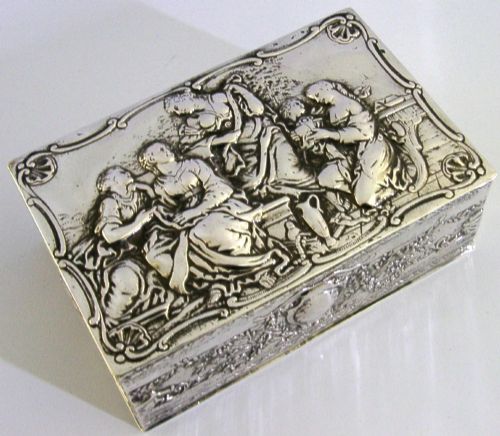
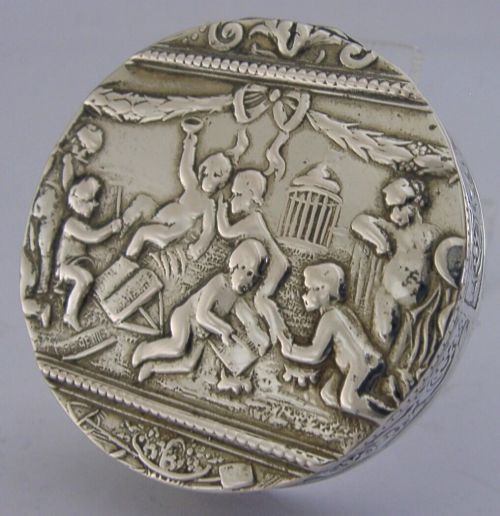
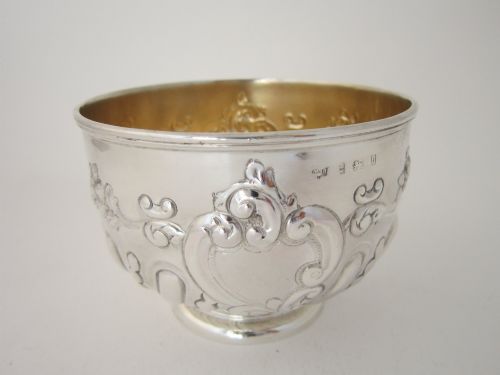
A silver table dish covers a broad functional spectrum on this page, taking the form of open baskets, pedestal bowls, and lidded trinket containers for the dressing table or dining surface. You will frequently encounter items intended for specific contents, such as sugar baskets, salt cellars, bonbon dishes, and butter dishes.
The objects stem predominantly from the late nineteenth century through to the interwar decades, encompassing Victorian, Edwardian, Art Nouveau, and Art Deco design movements. These domestic items fulfilled practical roles in formal dining and personal grooming, combining utility with decorative presence.
Origin points vary across British provincial assay offices, London workshops, and continental makers in Germany and France. The selection balances solid sterling pieces with plated wares, glass inserts, and enamel embellishments.
Materials and construction
Construction relies heavily on sterling silver and solid silver, alongside electroplated nickel silver and silver plate over base metals. Artisans shaped these metals through casting, piercing, hammering, and repoussé work to create textured surfaces and structural forms.
Many items incorporate contrasting materials such as cut glass, satin glass, cranberry glass, and crystal liners held within metal frameworks. Decorative elements frequently utilise guilloche enamel, tortoiseshell panels, landscape enamel plaques, and inset stones.
Maker marks, town assay stamps, and date letters are typically punched directly into the metal body or base rim, recording the origin and year of manufacture.
Silver Table Dish Retail Price Guide 2026
Typical asking prices for silver table dish among the pieces listed under this phrase on Sellingantiques today, from the lower quarter to the upper quarter. They describe what is for sale here now, not the wider market.
Listings feature periods from the nineteenth century through the 1930s, using sterling silver, silver plate, glass, and copper.
Judging quality and execution
Quality rests on the crispness of chased or repoussé detail and the structural integrity of pierced metalwork. Heavier gauge silver provides a more substantial feel in the hand and resists deformation better than thinner stampings.
The integration of secondary materials defines the calibre of composite pieces, where fitted glass liners, tortoiseshell panels, and enamel work must align precisely with the metal mount. Hand-applied enamelling and detailed figural scenes indicate higher levels of artisan labour.
Maker attribution elevates certain works, particularly when associated with recognised silversmiths, specialist guilds, or prominent retail firms of the period.
John William Kirwan·Synyer & Beddoes·Guild of Handicrafts·William Neale·Georg Jensen·A. Bromet & Co·Christofle·Roberts Cadman·George W. Scott & Sons Ltd·Tiffany & Co.·Mappin & Webb
The Silver Table Dish Glossary
- Sterling silver
- A standard alloy consisting of ninety-two point five percent silver and seven point five percent other metals, usually copper. This composition provides the durable material standard for British table wares.
- EPNS
- Electroplated nickel silver, a common base metal composition coated with a thin layer of silver through an electrolytic process. It offered an affordable alternative to solid silver.
- Guilloche enamel
- A decorative technique where translucent enamel is layered over mechanically engraved metal. This creates repeating geometric patterns that show through the colour.
- Repoussé
- A method of shaping metal by hammering the reverse side to form a raised design in relief. Artisans then refine the details from the front using chasing tools.
- Tazza
- An Italian term for a shallow saucer-like dish mounted on a stem and foot. It typically serves fruit or sweetmeats on the dining table.
Silver Table Dish: Frequently Asked Questions
What were silver table dishes used for?
These pieces served practical dining and domestic functions, holding items like bonbons, sugar, butter, fruit, and salt during meals. Dressing table variants accommodated small personal effects and jewellery.
Their presence marked social occasions and added polished metal reflection to the table setting or sideboard.
How do I care for silver table items?
Regular dusting with a soft cloth prevents dust accumulation in crevices and chased ornament. When cleaning is necessary, use a specialist silver polish applied gently to avoid wearing away thin plating or delicate details.
Store pieces away from direct sunlight and damp environments to slow down the natural tarnishing process of the metal.
Can I use glass-lined dishes for food?
Original glass and crystal liners are suitable for serving foods such as butter, preserves, or fruit. Inspect liners for chips or cracks along the rim before putting them to practical use.
Wash glass inserts by hand in warm soapy water rather than placing them in a dishwasher, which can damage aged glass.
How do I identify the date of a piece?
British pieces usually carry hallmark stamps indicating the assay office, standard mark, and a date letter corresponding to a specific year. Continental and later plated items may rely on maker marks and style indicators instead.
Stylistic cues from Art Nouveau, Art Deco, and Victorian design periods also help narrow down the decade of manufacture.