





Silver Table Cooler
A silver table cooler brings proper theatre to the dining room, keeping wine, champagne and punch at the right temperature.
Silver Table Cooler
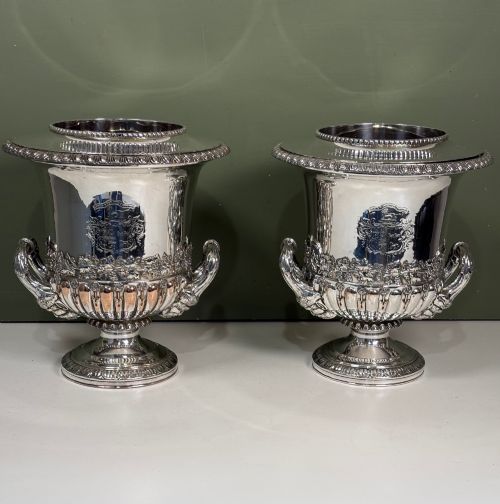
A silver table cooler serves to chill wine, champagne or punch during meals, taking the form of wine coolers, champagne buckets, punch bowls and ice buckets. You will most frequently meet nineteenth century examples, particularly those fashioned from Old Sheffield Plate in campana designs, alongside later silver-plated iterations from the Victorian period and mid-century modern era.
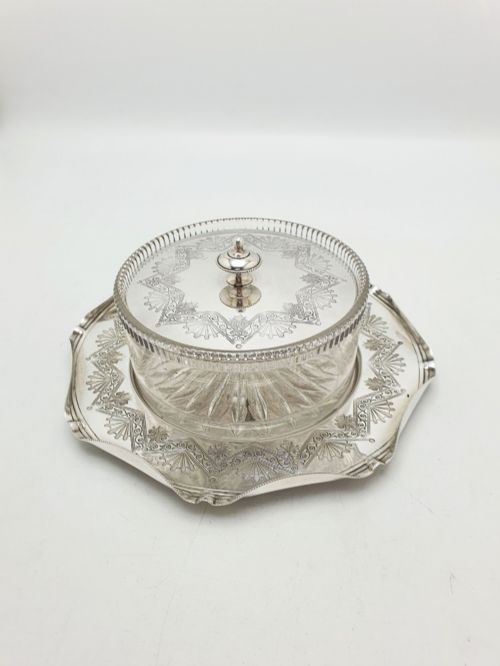
The selection ranges from single bottle vessels to large multiple bottle coasters and ice servers, reflecting the changing demands of entertaining across the Georgian, Regency and Victorian eras. Alongside traditional wine coolers, the listings encompass butter dishes with glass liners and caviar servers, showing how table cooling expanded to cover delicate provisions.
Makers such as Christofle, Lino Sabattini and Macabo appear across the inventory, spanning French and Italian houses alongside unmarked British Regency pieces. These vessels occupy a central place on the dining table or sideboard, combining practical utility with formal display.
Materials and methods of construction
The construction relies heavily on silver plate, Old Sheffield Plate and copper, alongside cut glass liners for butter dishes and ice servers. Old Sheffield Plate combines a thin layer of silver fused to a copper base, visible in the rich warmth of the metal as it wears over the decades.
Silver plating on base metals dominates the later Victorian and twentieth-century pieces, applied to brass, copper and general metal alloys to give the bright finish of solid silver without the weight. Cut glass provides the functional inserts for butter dishes and specialised servers, held securely within the plated frames.
Silver Table Cooler Retail Price Guide 2026
Typical asking prices for silver table cooler among the pieces listed under this phrase on Sellingantiques today, from the lower quarter to the upper quarter. They describe what is for sale here now, not the wider market.
Caviar ice server sets prove that even nineteenth-century breakfast tables enjoyed chilled luxury.
Distinctions in quality
Quality rests in the weight of the metal, the crispness of cast handle attachments and the depth of chased or embossed decoration around the rim. Pieces produced in Old Sheffield Plate show a distinct fusion of copper and silver at the edges, whereas later electroplated wares display a uniform metallic sheen across the surface.
The integrity of the form matters greatly, from the balanced proportions of a Regency campana urn to the clean lines of mid-century modern barware by recognised designers. Maker attribution also separates standard production items from signed pieces by houses like Christofle or designers like Lino Sabattini.
Christofle·Lino Sabattini·Macabo
The Silver Table Cooler Glossary
- Campana
- A bell-shaped vessel with a flaring rim and a footed base, frequently seen in Regency wine coolers. This classic classical shape mirrors ancient pottery forms adapted for dining rooms.
- Old Sheffield Plate
- A precursor to electroplating created by fusing a sheet of silver to a copper ingot under heat. This method produces a characteristic edge where the copper base metal shows through wear.
- Silver Plate
- A thin layer of pure silver bonded to a base metal such as copper, brass or white metal through chemical or electrical processes. It allowed wider access to silver tableware during the Victorian period.
- Punch Bowl
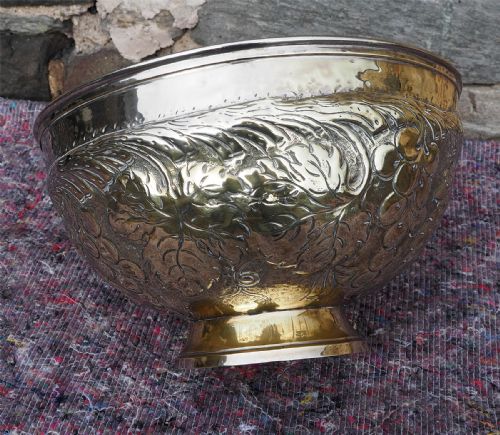
- A large open bowl designed for mixing and serving communal drinks during social gatherings. They often match the scale of wine coolers and feature deep bodies suitable for ladles and ice.
Silver Table Cooler: Frequently Asked Questions
What is a campana wine cooler?
A campana wine cooler is a bell-shaped vessel designed to hold wine bottles upright while chilling them in ice or cold water. These pieces often feature sturdy cast handles and classical pedestal bases.
They emerged as prominent dining accessories during the Regency and Georgian periods, intended to sit directly on the table or on a nearby sideboard.
How do I care for silver plated coolers?
Care requires gentle washing with warm water and mild soap, followed by drying with a soft cloth to prevent water spots. Avoid abrasive scourers that can wear through the thin silver plating.
Polish sparingly with a specialised silver cream only when tarnish becomes heavy, preserving the underlying metal layer over time.
What is the difference between Old Sheffield Plate and silver plate?
Old Sheffield Plate involves fusing a sheet of silver onto a copper base through mechanical heat rather than electricity. This creates a distinctive layered metal structure where copper telegraphs through the edges with age.
Standard silver plate uses an electrochemical process to deposit silver over a base metal, a technique introduced in the nineteenth century that replaced the older fused method.
Can I use an antique ice bucket today?
Antique ice buckets and coolers function effectively for serving ice, wine or champagne at modern gatherings. Their generous proportions and insulating metal bodies remain well-suited for entertaining.
Inspect any glass liners for cracks before filling them with ice, and line metal vessels with a cloth if storing delicate items.