


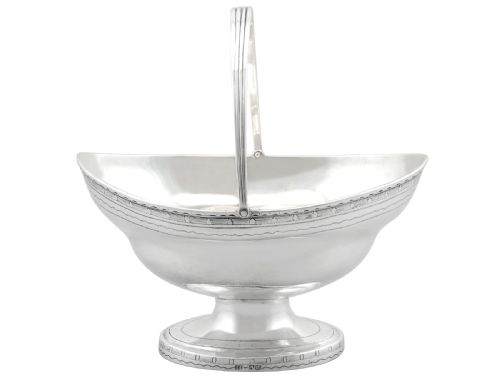


Silver Swing Handle Dish
A silver swing handle dish is a versatile antique vessel designed for sugar, fruit, or sweets, offering both functional elegance and historic charm for the modern table.
Silver Swing Handle Dish
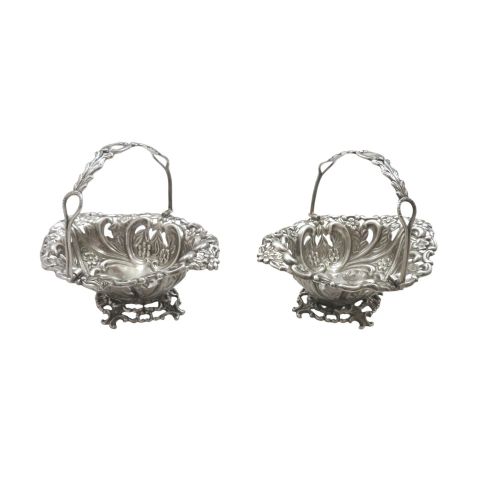
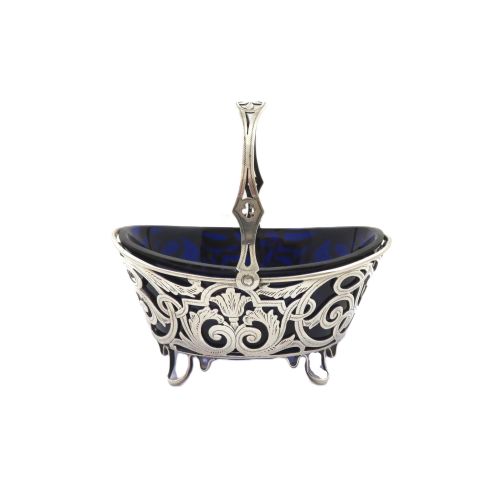
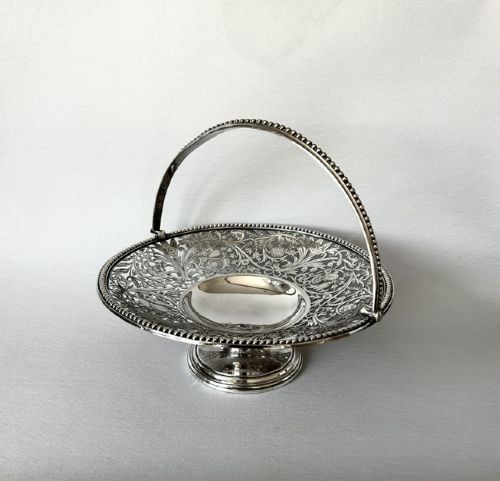
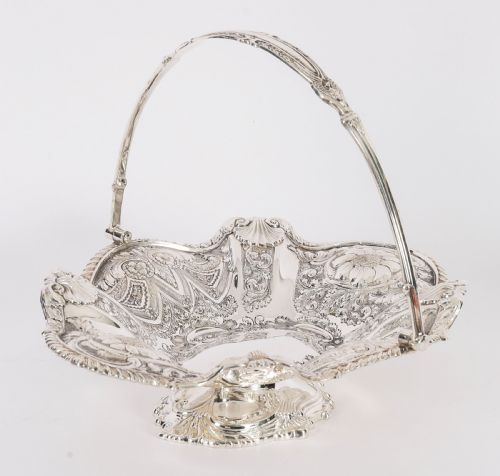
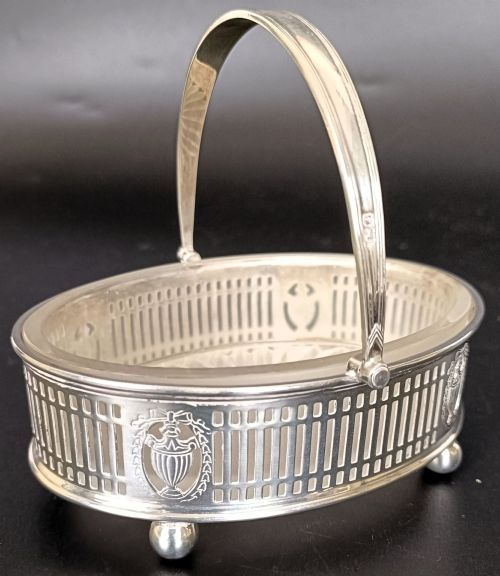
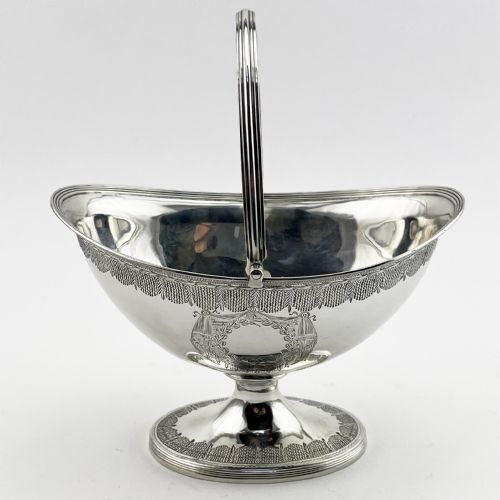
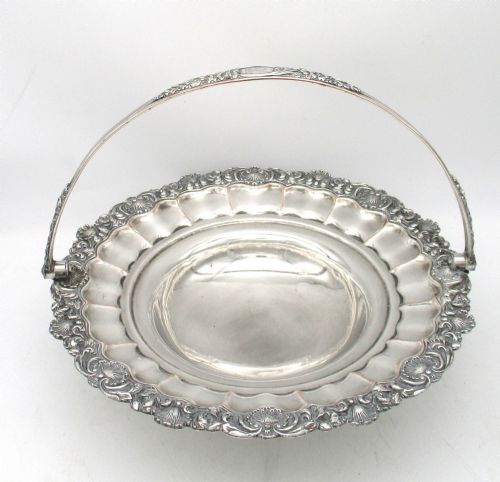
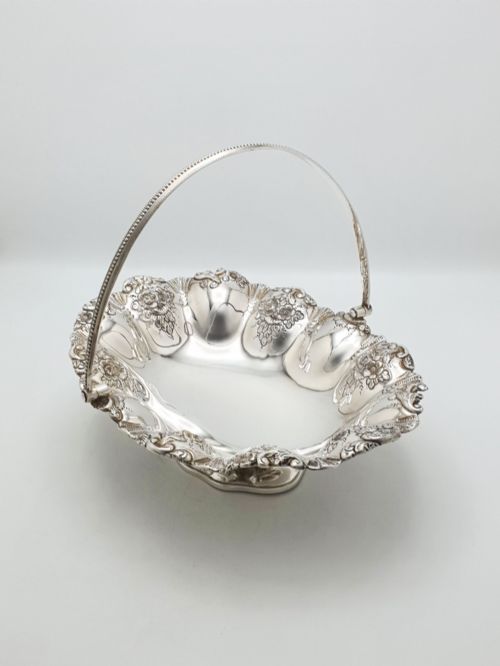
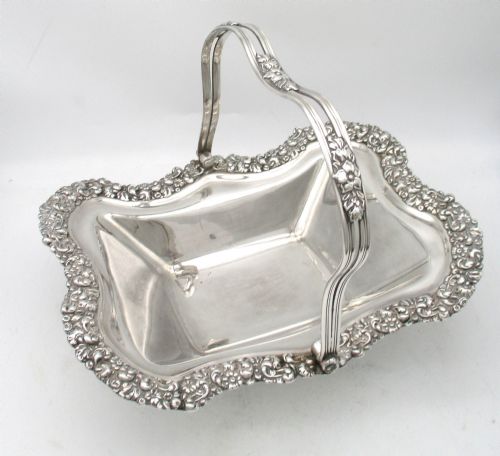
A silver swing handle dish encompasses forms such as sugar baskets, cake baskets, and fruit bowls produced across the Georgian, Victorian, and Edwardian periods. Buyers searching for a silver swing handle dish encounter a range of sizes, from small bonbon dishes to large table centrepieces.
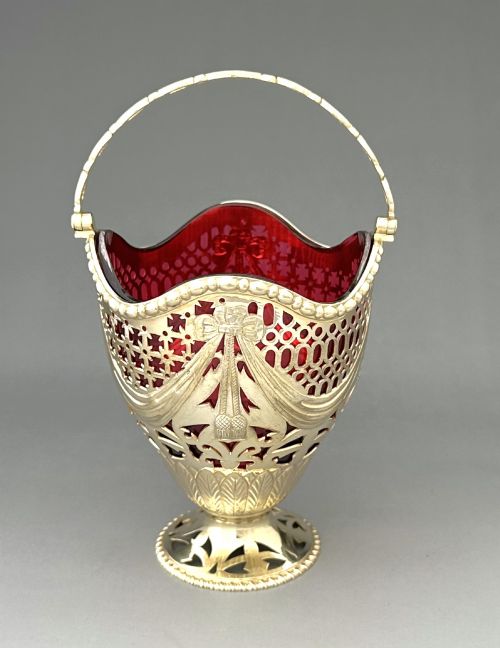
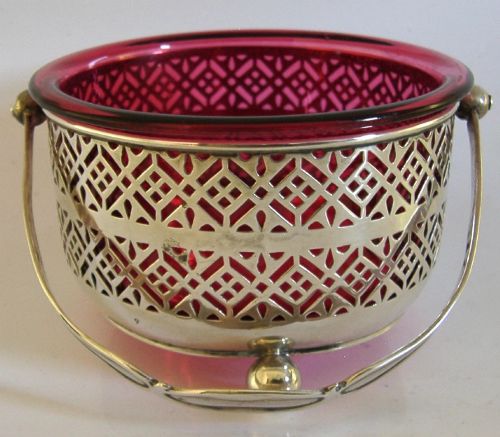
The most common versions on this page date from the nineteenth and early twentieth centuries, featuring pierced body work or embossed detailing. These vessels often retain their original coloured glass liners in cranberry, cobalt, or ruby hues.
Originating as practical tableware for sugar or cakes, these baskets combine a hinged handle with a circular, oval, or pedestal footed body. Their historical use reflects formal dining traditions where sweeteners and fruits were presented with ceremony.
Distinctions in Quality and Craftsmanship
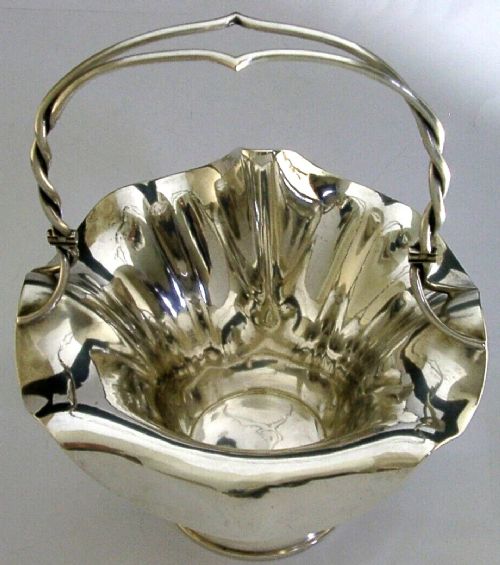
The distinction between standard production and superior craftsmanship lies in the crispness of the piercing, the weight of the metal, and the quality of the chased or embossed detailing. Hand-hammered surfaces and cast handles indicate a higher level of artisanal input than mass-produced plated wares.
The presence of an undamaged, original coloured glass liner significantly elevates a piece, as does clear hallmarks establishing the maker and date of production. Finer examples display balanced proportions and robust hinged mechanisms that hold the handle upright securely.
Silver Swing Handle Dish Retail Price Guide 2026
Typical asking prices for silver swing handle dish among the pieces listed under this phrase on Sellingantiques today, from the lower quarter to the upper quarter. They describe what is for sale here now, not the wider market.
Materials range from sterling silver and silver plate to Old Sheffield plate, pewter, and coloured glass liners.
George W. Scott & Sons Ltd·Henry Chawner·Elkington·James Deakin & Sons·William Bond
The Silver Swing Handle Dish Glossary
- Sterling silver
- An alloy containing 92.5 percent silver by weight, standard for British silver tableware.
- Old Sheffield plate
- A method of fusing a thin sheet of silver onto a copper core, common in pieces from the Georgian era.
- Repoussé
- A metalworking technique where the design is hammered into relief from the reverse side.
- Pierced
- Workmanship involving the cutting of open patterns or lattice designs into the silver wall of the basket.
- Swing handle
- A hinged architectural handle designed to drop to the sides when the dish is placed on a table.
Silver Swing Handle Dish: Frequently Asked Questions
What were silver swing handle dishes used for?
These vessels originally served practical functions on formal dining tables, holding lump sugar, sweetmeats, cakes, or fruit during dessert courses. Their hinged handles allowed servants or diners to pass them easily around the table.
Over time, smaller versions became popular for serving bonbons or holding potpourri in drawing rooms. Today, they function well as decorative display items or containers for small household objects.
How do I identify the date of a silver basket?
British silver bears hallmarks that indicate the assay office, the maker's mark, and a specific date letter corresponding to the year of manufacture. Examining these tiny stamped symbols provides the most accurate chronology.
Silver plated items rely on style, maker marks, and structural clues rather than official date letters, placing them within broader periods like the Victorian or Edwardian eras.
Are glass liners original to the baskets?
Many Edwardian and Victorian baskets were manufactured with fitted glass liners in cranberry, ruby, or cobalt shades to protect the metal from acidic fruits or damp contents. Surviving liners that fit snugly and match the period style are typically original.
Because glass breaks easily over centuries of use, replacement liners are common and collectors note whether the glass matches the exact dimensions and colour palette of the period.
How should I clean an antique silver basket?
Maintenance requires gentle cleaning with a specialist silver cloth or mild, non-abrasive polish to preserve the original patina and any delicate embossed details. Harsh chemical dips strip away the natural ageing that collectors value.
If the dish includes a glass liner, remove it before cleaning the metal frame to prevent moisture damage to the hinges and any underlying soldered joints.