

Silver Silverware Set
When you search for a silver silverware set, you enter a world of matched dining wares, cased presentation groupings, and assembled services spanning centuries.
Silver Silverware Set
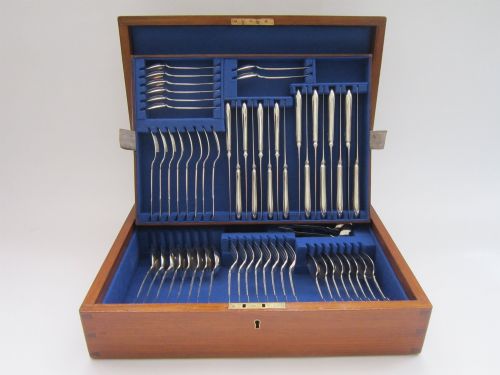
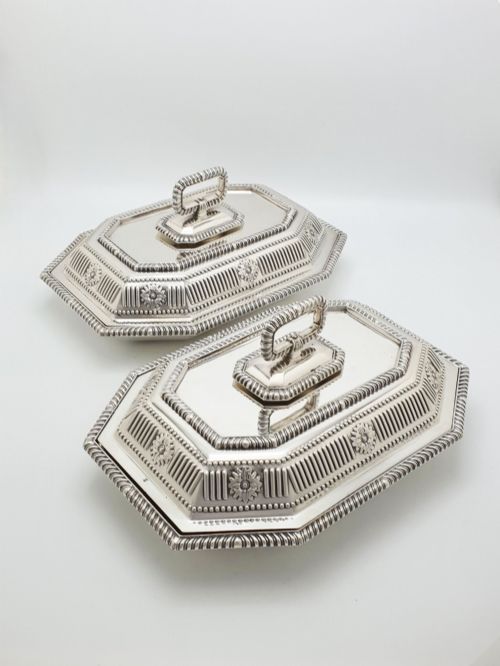
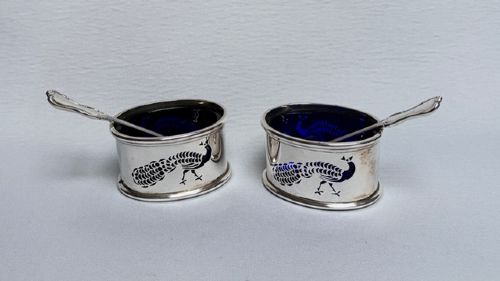
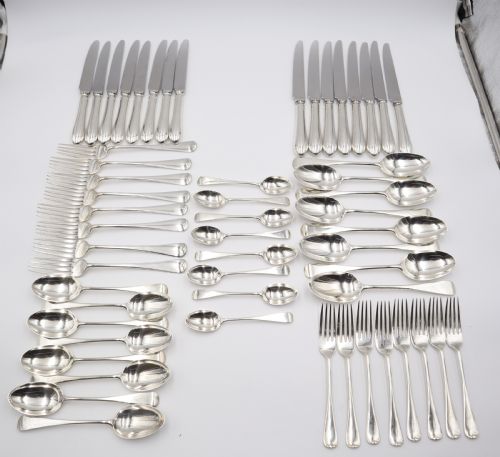
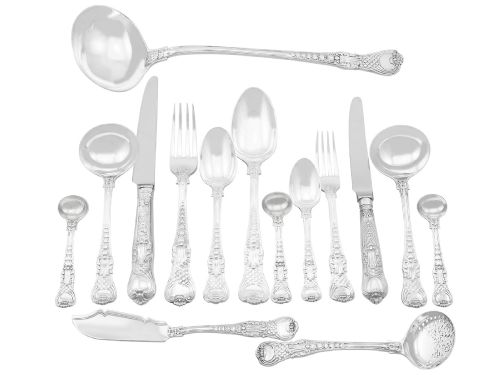
A silver silverware set encompasses everything from fitted canteens of cutlery and boxed coffee spoon collections to matched pairs of ladles, napkin rings, and tea services. You encounter these groupings across multiple eras, including Georgian, Victorian, Edwardian, and Art Deco periods, each reflecting the dining customs of its day.
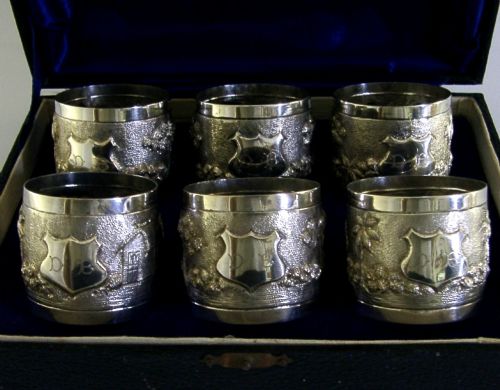
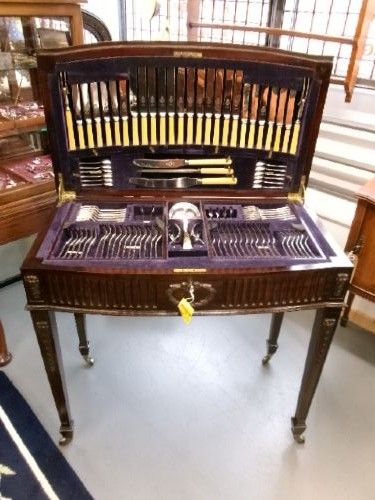
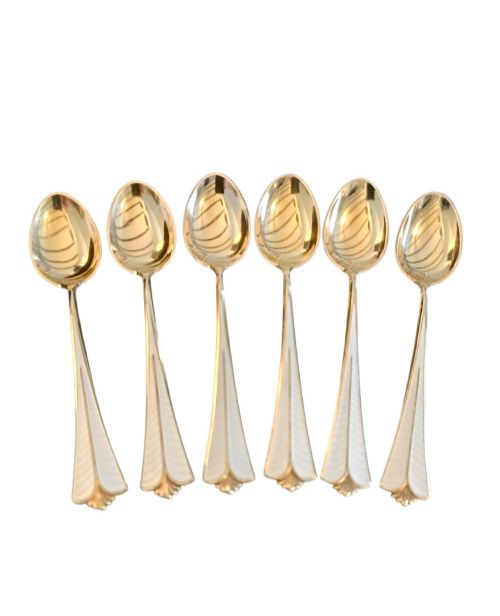
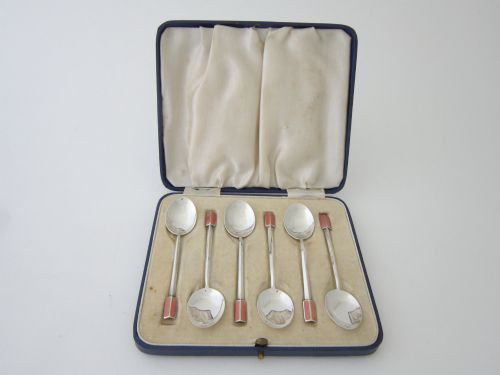
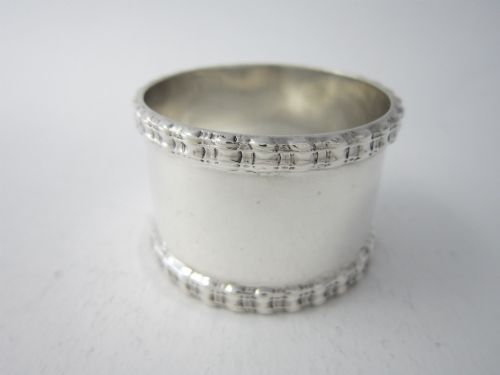
The versions most common on this page range from cased sets of six enamel teaspoons and napkin rings to substantial mahogany-housed canteens and silver-gilt sugar bowls with matching tongs. Originating from British workshops, continental makers, and international houses, these groupings bring matched utility and decorative intent together on the dining table.
Buyers seek these assemblages to continue traditional dining practices, to outfit period dining rooms, or to acquire cohesive groups of silversmithing work by notable makers. Whether intended for daily use or formal display, each set preserves the coordinated aesthetic of its original commission.
Materials and Making
The primary material across these listings is solid sterling silver, complemented by silver plate, silver-gilt, and enamel additions. Workshops also utilised wood, leatherette, velvet, and silk to line presentation cases and protect the metalwork within.
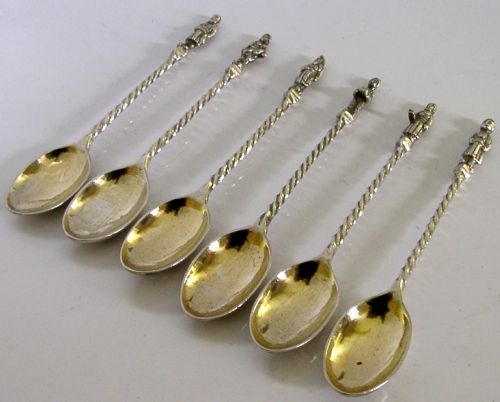
Silversmiths employed techniques such as hammering, casting, chasing, and cloisonné enamelling to shape spoons, forks, and hollowware vessels. Handles often integrated applied crests, cast figural elements, or delicate guilloche enamel panels set into the metal.
Silver Silverware Set Retail Price Guide 2026
Typical asking prices for silver silverware set among the pieces listed under this phrase on Sellingantiques today, from the lower quarter to the upper quarter. They describe what is for sale here now, not the wider market.
Among the cutlery and tea wares hide tiny novelty baby pepper pots and figural Ottoman spoons designed to make tea time delightfully eccentric.
Distinctions in Quality
Quality in a silver silverware set rests upon the crispness of the original chasing, the integrity of structural joins, and the preservation of any applied gilding or enamel work. Finer sets maintain uniform weight across every piece in the service, avoiding thin or flexible handle construction.
The survival of fitted original containers, whether mahogany cabinets or velvet-lined leatherette cases, elevates the coherence of a set. Maker marks that remain deep and legible indicate careful handling and original high-tier workshop output.
William Fearn·David Andersen·William Comyns·Elkington·Harrison Brothers And Howson·Aleksandr Timofeyevich Shevyakov·Robert Stebbings
The Silver Silverware Set Glossary
- Sterling silver
- A silver alloy containing 92.5 percent pure silver by mass, with the remainder composed of copper or other metals to ensure durability in tableware.
- Silver-gilt
- Sterling silver that has been coated with a thin layer of gold on its surface, often used for the interiors of sugar bowls and presentation spoons.
- Cloisonne
- An enamelling technique where decorative areas are compartmentalised by soldered flat wires before being filled with coloured glass paste and fired.
- Canteen
- A fitted wooden cabinet or box designed specifically to store a complete, organised set of cutlery and table service pieces.
- Dognose
- An early form of flatware spoon popular in the late seventeenth and early eighteenth centuries, featuring a distinct upturned terminal shaped like a dog's nose.
Silver Silverware Set: Frequently Asked Questions
How do I clean antique silver sets?
Clean solid silver pieces gently using a dedicated silver cloth and warm soapy water, avoiding harsh abrasive dips that strip away patination and age. Enamelled items require particular care to keep moisture away from delicate coloured glass areas.
Store complete sets in their original fitted boxes or anti-tarnish rolls to minimise exposure to airborne sulfur and prevent surface scratches between uses.
Are these sets suitable for daily use?
Many solid silver cutlery sets and spoon collections remain entirely robust for regular dining and entertaining. Silver possesses natural antibacterial properties that make it well-suited for food service.
Hand washing is essential for all antique silver and plated items, as mechanical dishwashers use harsh detergents and high heat that warp handles and destroy enamel.
What does cased mean for cutlery?
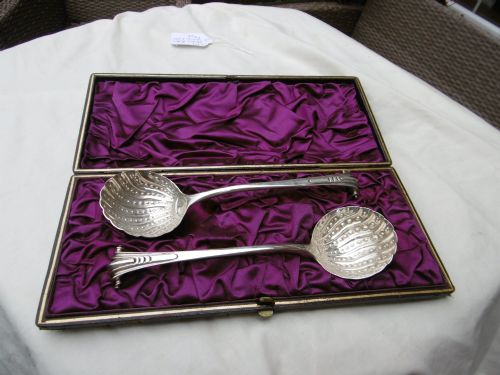
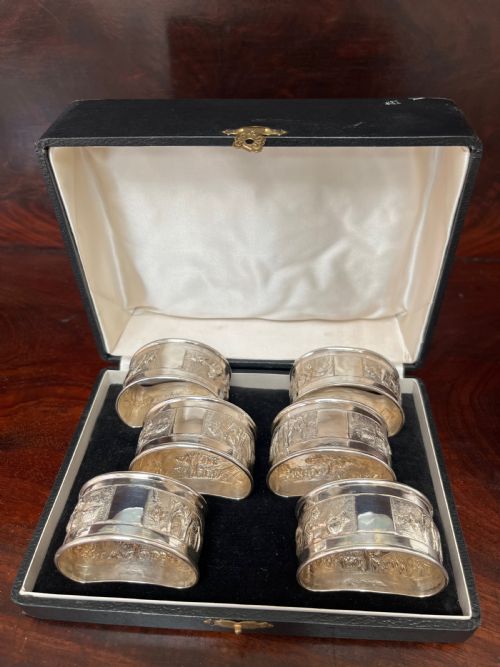
A cased set indicates that the spoons, forks, or service pieces were retailed together inside a purpose-built box lined with velvet, silk, or satin. These fitted containers often feature individual slots or straps to secure every component.
Finding a set with its original case suggests the items were treated as a unified presentation or gift rather than assembled piecemeal over time.
How can I date an old silver set?
Dating relies upon official hallmarks stamped into the metal, which include maker's marks, standard marks like the lion passant, and date letters corresponding to specific assay office assay years. Stylistic clues such as Art Deco enamel patterns or Georgian Onslow handles also point to specific decades.
Consulting standard silver reference books helps match stamp shapes and leopard head symbols to precise periods of manufacture.