






Silver Server Dish
When you search for a silver server dish, you enter a world of Victorian and Edwardian dining tables set for formal meals.
Silver Server Dish
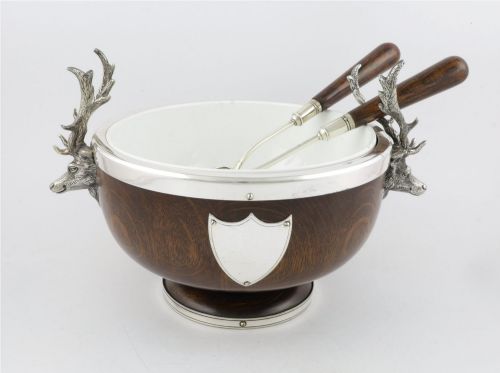
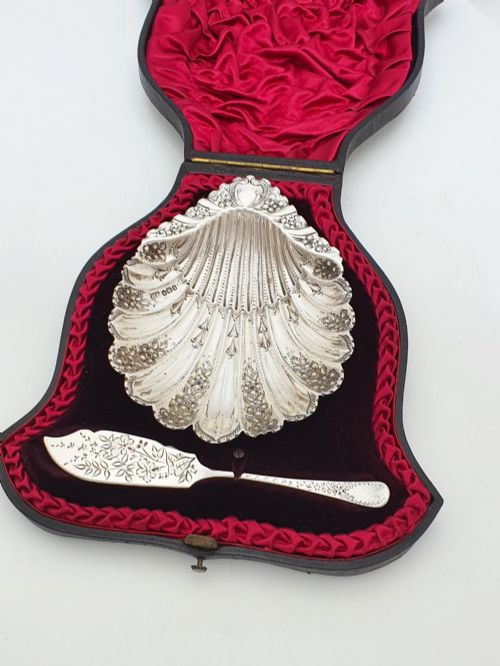
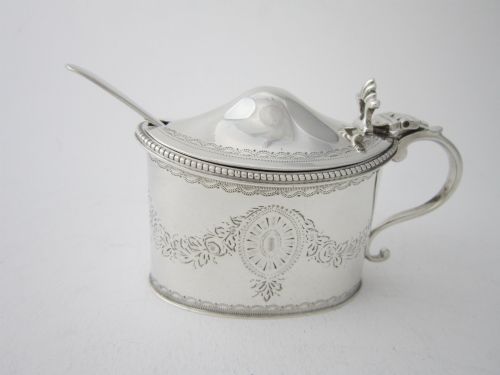
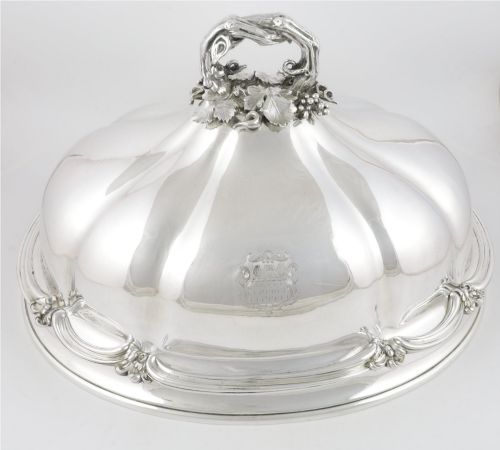
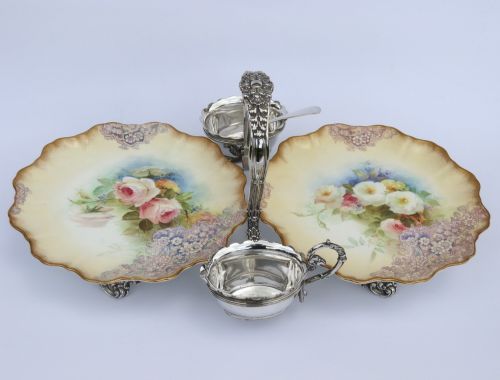
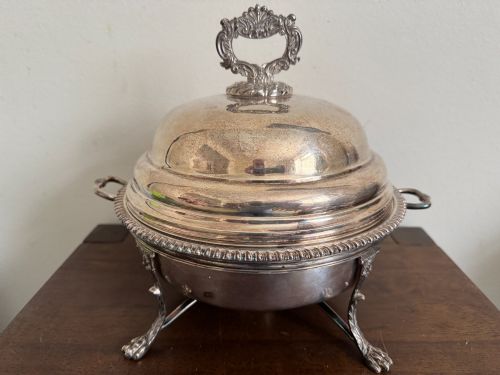
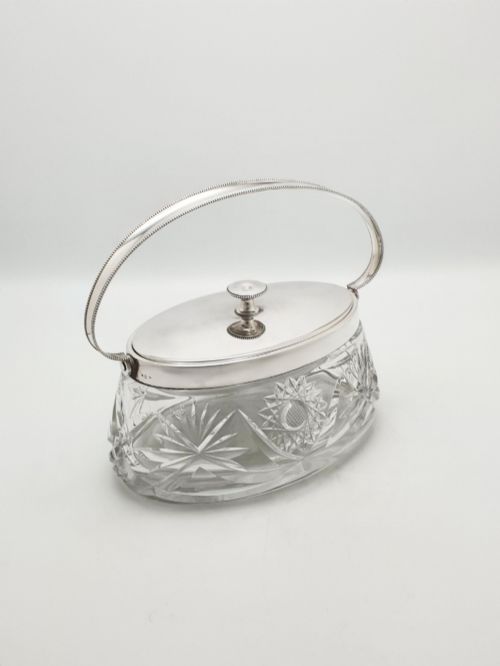
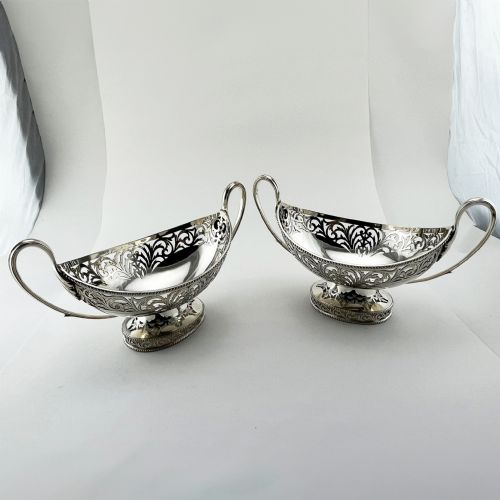
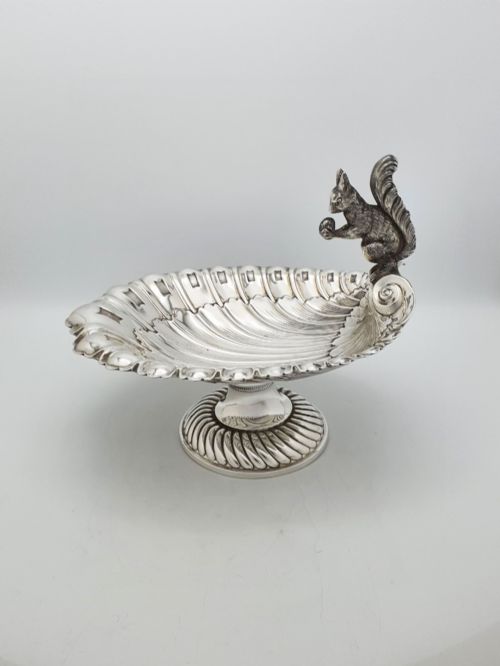
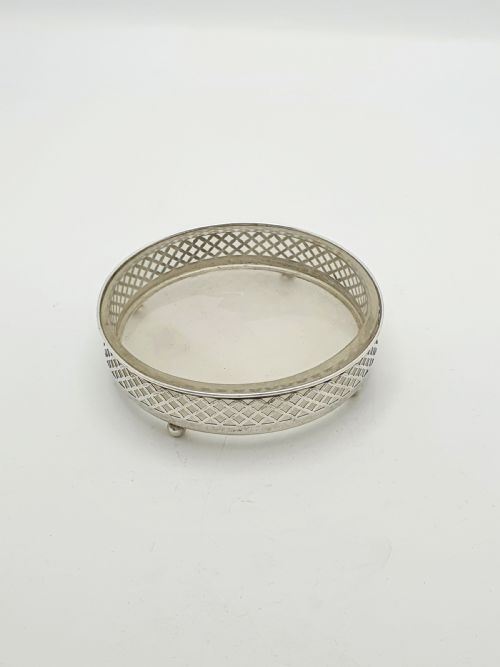
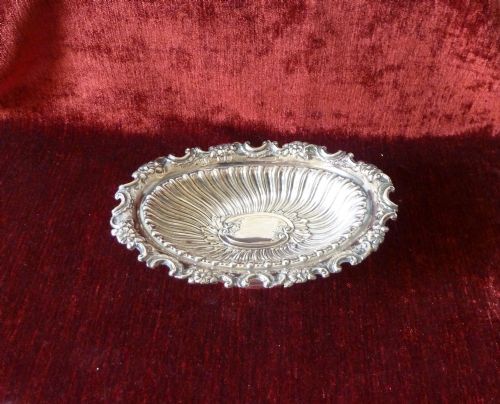
A silver server dish encompasses a wide variety of formal dining table vessels designed to present food elegantly. The selection includes butter dishes with glass liners, entree dishes, meat domes, condiment vessels, and biscuit barrels from the nineteenth and early twentieth centuries.
You are most likely to meet silver plated or sterling silver entree dishes and butter dishes originating from the Victorian and Edwardian periods. Makers of this era utilised versatile forms to serve everything from asparagus and jam to biscuits and caviare.
The objects reflect the formal hospitality customs of Georgian, Victorian, Edwardian, and Art Deco households. Each dish served a specific function at the dining table, often paired with glass inserts, ceramic bowls, or matching spreaders and ladles.
How they were made
Makers utilised sterling silver, silver plate, electroplated nickel silver, and Old Sheffield Plate alongside copper and metal bases. Many vessels incorporate cut glass, cranberry glass, or English ceramic liners to hold delicate foods safely.
Techniques such as piercing, engraving, and casting created ornate decoration in styles ranging from Georgian and Regency to Jugendstil and Art Nouveau. Handles, feet, and lids were soldered or riveted to the main body with precision.
Silver plating methods evolved to apply thin layers of silver over base metals like copper or nickel silver, while sterling pieces bore hallmarks indicating their purity and origin.
Silver Server Dish Retail Price Guide 2026
Typical asking prices for silver server dish among the pieces listed under this phrase on Sellingantiques today, from the lower quarter to the upper quarter. They describe what is for sale here now, not the wider market.
Specialised serving forms include asparagus dishes, biscuit barrels, butter dishes with spreaders, and revolving breakfast dishes.
What varies in quality
Quality rests in the weight of the metal, the crispness of chased or pierced decoration, and the presence of original glass or ceramic liners. Pieces by recognised makers display superior balance and sturdiness in their hinges, handles, and lids.
The integrity of the silver plating or the hallmark punch marks on sterling silver distinguish standard production items from finer workshop output. Well-preserved plating without base metal bleed-through indicates careful historical maintenance.
Roberts Cadman·Goldsmiths And Silversmiths·Walker And Hall·Thomas Bradbury·Mappin And Webb·Doulton Burslem·Frank Butler·Daniel And Arter·Roberts And Belk·Matthew Linwood·William Hutton And Sons
The Silver Server Dish Glossary
- Electroplated Nickel Silver
- A base metal alloy of copper, nickel, and zinc coated with a layer of pure silver through electrolysis. This technique became widespread in the nineteenth century as an affordable alternative to solid silver.
- Old Sheffield Plate
- An early method of fusing a thin sheet of sterling silver to a thicker copper core by heat and pressure. It is recognised by a thin line of exposed copper along edges or wear spots.
- Entree dish
- A covered serving vessel used for presenting main courses or side dishes at the table. Many feature removable handles that allow the base to function as a secondary platter.
- Meat dome
- A large, domed cover designed to keep roasted joints warm on the dining table. They often feature engraved armorial crests and sturdy loop handles.
- Jugendstil
- The continental European manifestation of Art Nouveau, prominent around nineteen hundred. It is characterised by organic, flowing lines and natural motifs.
Silver Server Dish: Frequently Asked Questions
What was a silver server dish used for?
These dishes held specific foods at formal meals, ranging from butter and biscuits to asparagus and entrees. They kept food warm or protected it until serving.
Lined vessels accommodated wet foods like jam or caviare, protecting the metal from acidic ingredients.
How do I clean my silver server dish?
Use a soft cloth and a gentle, non-abrasive silver polish formulated for plated or sterling items. Avoid harsh scrubbing that can wear away thin plating.
Wash glass or ceramic liners separately in warm soapy water and dry them thoroughly before reassembly.
How can I tell the period of a piece?
Examine the hallmarks on sterling silver for town marks, date letters, and maker stamps. Stylistic clues like Jugendstil curves or Georgian austerity also point to specific eras.
Construction methods, such as Old Sheffield Plate copper seams, help date items predating standard electroplating.
Can I use these antique dishes daily?
Many silver plated and sterling dishes remain robust enough for regular dining use. Care must be taken with delicate glass liners and antique silver plate.
Hand washing is essential to preserve the finish and prevent damage to historical materials.