


Silver Rimmed Bottle
These silver rimmed bottle pieces are useful vessels and holders dressed in metal mounts that collectors prize for their period table presence.
Silver Rimmed Bottle
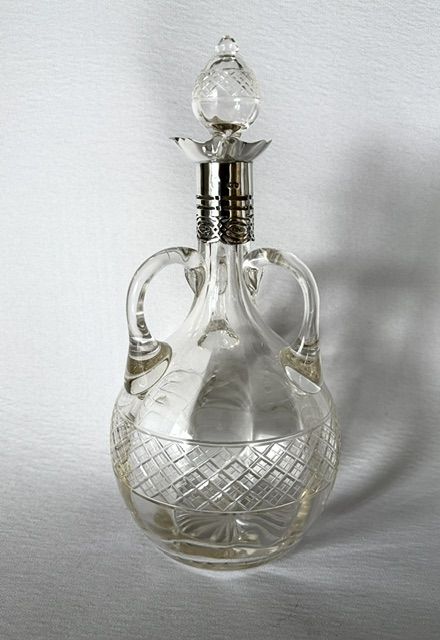
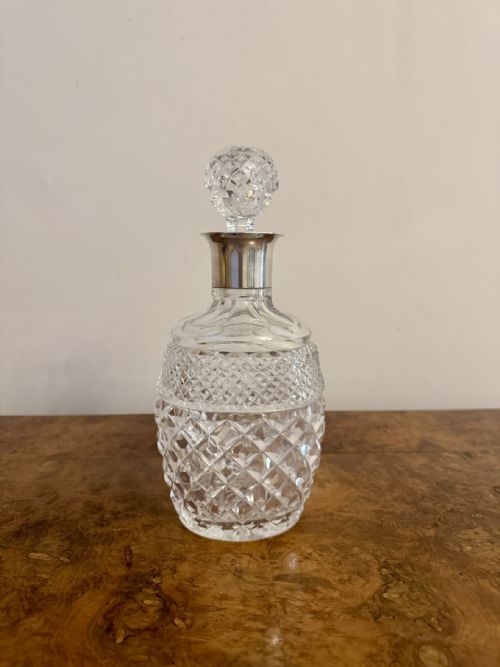
When you search for silver rimmed bottle, you encounter a selection of decanters, wine coasters, champagne holders, and dressing table accessories. These items date from the nineteenth and early twentieth centuries, spanning Victorian, Edwardian, and Art Deco periods.
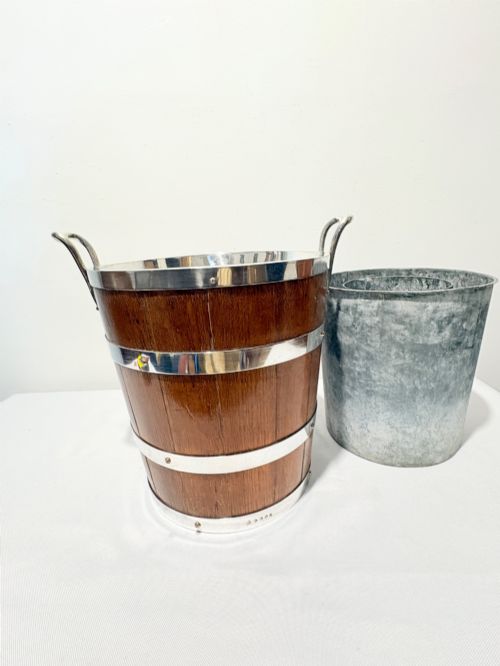
The most common forms on this page include glass decanters fitted with silver collars and wooden or silver plated wine coasters designed for the dining table. Makers utilised materials such as cut glass, cut crystal, oak, and Staffordshire china alongside sterling silver and silver plate.
Materials and construction
Makers formed the vessels from heavy cut glass or crystal, then mounted them with sterling silver or silver plate collars and rims. Wooden coasters combined turned oak bodies with central silver plated or solid silver bosses and decorative rims.
Plate techniques included Old Sheffield plating and standard silver plating over base metals, while glass bodies featured deep wheel cutting to catch the light on the dining table.
Listings span the Victorian, Edwardian, and Art Deco periods, utilising cut glass, crystal, oak, and Staffordshire china.
Judging the range
Quality rests upon the weight and clarity of the glass, the crispness of the metal mount, and the attribution to known makers. Pieces with deep, sharp cut glass patterns and substantial silver collars sit firmly above simpler, thinner domestic glassware.
The integration between the metal mount and the glass or wood defines the standard of craftsmanship. Secure, well-fitted collars demonstrate superior workshop practice compared to loose or hastily soldered mounts.
Asprey·Hukin & Heath
The Silver Rimmed Bottle Glossary
- Silver plate
- A thin layer of silver fused or electroplated onto a base metal such as copper or brass. This method offered the appearance of solid silver at a lower cost.
- Old Sheffield plated
- An early fused plating technique where a sheet of silver was molten-bonded to a copper ingot before rolling. It creates a rich surface texture characteristic of Georgian work.
- Decanter coaster
- A small tray or shallow basket, often with a wooden base and a metal rim, designed to hold a bottle and protect the dining table from drips.
- Sterling silver
- An alloy consisting of ninety-two point five percent silver and seven point five percent other metals, typically copper. It provides the legal standard for solid silver items.
Silver Rimmed Bottle: Frequently Asked Questions
What were silver rimmed bottle accessories used for?
These items served functional roles in dining and hospitality, specifically for serving and resting wine, champagne, and spirits at the table. Decanters held and aerated wine, while coasters protected polished wooden surfaces from bottle rings.
They also included dressing table containers used for keeping small personal items. Their dual role as practical vessels and decorative table ornaments made them staples of middle and upper class homes.
How do I care for silver rimmed glass?
Wash the glass portions gently in warm, soapy water using a soft cloth, avoiding abrasive pads that scratch the surface. Keep harsh silver dips away from the glass and wood components.
Polish the silver mounts sparingly with a quality cloth to maintain the shine without wearing through thin plate layers. Store the pieces in a dry environment to prevent tarnishing and moisture damage to wooden bases.
How can I tell Victorian pieces apart from Art Deco ones?
Victorian examples tend to feature heavy, elaborate ornamentation, deep cut glass patterns, and floral or scroll motifs on the silver mounts. They reflect a taste for ornate domestic display.
Art Deco items display geometric lines, streamlined forms, and smoother glass bodies that discard nineteenth-century flourishes. The transition in style shows a clear shift toward minimalism by the nineteen-twenties.
Are wooden bases standard on wine coasters?
Many nineteenth-century coasters incorporate turned wooden inserts, often made from oak, which cushioned the bottom of the glass bottle. The wood was typically fitted with a central silver button or boss.
Other designs relied entirely on metal frames or pierced silver plate galleries without wooden linings. Both styles served the same protective function on the dining table.