




Silver Punch Bowl Spoon
These silver punch bowl spoon pieces are classic serving utensils designed for hospitality, bringing period craftsmanship straight to the table.
Silver Punch Bowl Spoon
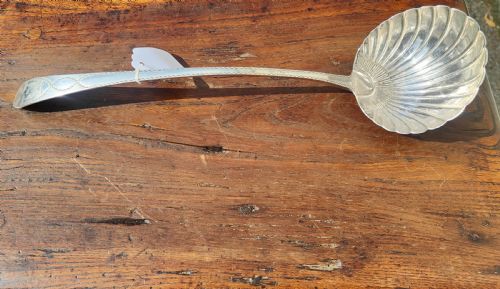
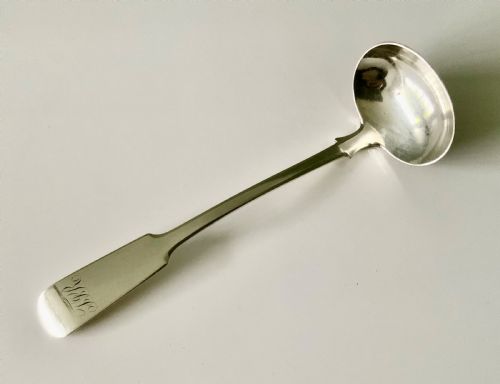
A silver punch bowl spoon is primarily encountered as a ladle, toddy ladle, or soup ladle used in historic dining and beverage service. The items on this page span the eighteenth century, the Georgian era, and the Edwardian period, alongside examples dated around eighteen hundred.
The forms originate from British, Irish, Scottish provincial, and continental workshops, reflecting regional dining traditions. Buyers most frequently meet George the Third examples alongside provincial Irish and Scottish iterations.
Materials and construction methods
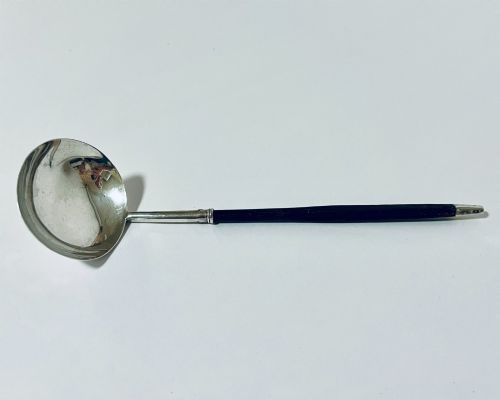
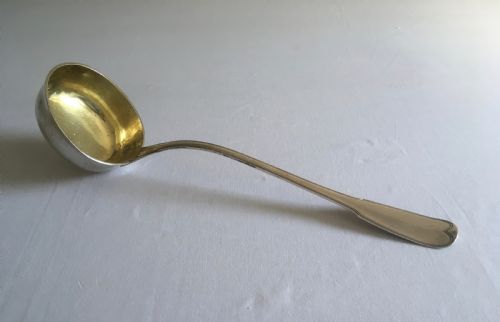
Maker workshops utilised sterling silver, standard silver, and German silver, occasionally applying a gold wash to the bowl interior for a rich finish. Metalwork was frequently paired with organic elements such as wood andquilla nut for the handles.
Handles combine carved treen or tropical nuts with precious metal bowls, secured by traditional joining techniques. These construction choices provided insulation and balance during use.
Some eighteenth-century guests apparently enjoyed their punch so much that craftsmen had to invent twisted nut handles just to keep the spoons from slipping away.
Judging quality and craftsmanship
Quality rests on the weight of the metal, the crispness of heraldic crests or engraved patterns, and the integrity of the handle material. Superior examples display balanced proportions and crisp hallmarks that confirm the maker and origin.
Makers such as Michael Smith and firms like Tiffany and Company represent the upper tier of execution. Simpler provincial pieces show hand-wrought character rather than factory precision.
Michael Smith·Tiffany and Co
The Silver Punch Bowl Spoon Glossary
- Toddy ladle
- A small serving utensil designed for transferring hot punch or whisky toddy from a bowl to a glass. These typically feature twisted whalebone, wood, or coquilla nut handles.
- Gold wash
- A thin layer of gold applied to the interior of a silver bowl, also known as vermeil. This technique protected the silver from acidic punch contents.
- Provincial silver
- Items made and marked outside the main assay offices, particularly in Scotland and regional Ireland. Such pieces often exhibit distinctive local design traits.
- Treen
- Small handmade wooden household objects. In these utensils, turned wood provides a tactile, non-heat-conducting handle.
- Coquilla nut
- The hard, dark brown fruit of a South American palm used for turned handles. Craftsmen prized it for its ability to take a high, smooth polish.
Silver Punch Bowl Spoon: Frequently Asked Questions
What is a silver punch bowl spoon used for?
These utensils served to ladle punch, soup, or heated spirits from a central bowl into individual drinking vessels during formal gatherings. Their long handles kept hands safely away from hot liquids.
Over time, their roles expanded from communal dining tables to drawing room hospitality as punch and toddy gained popularity in polite society.
How do I identify a Georgian silver ladle?
Georgian pieces typically display hallmarks indicating London, Irish, or Scottish provincial assay offices alongside specific monarchical duty marks. Stylistic cues include bright-cut engraving and heavy-gauge sterling silver construction.
Many examples from this era also feature organic handles made from twisted whalebone, wood, or coquilla nut rather than all-metal designs.
Why do some ladles have wooden handles?
Wood, treen, and coquilla nut handles provided a comfortable grip and prevented heat from transferring from the hot punch to the user's hand. Organic materials also offered a pleasing textural contrast to the cold bright silver bowl.
These materials were turned on lathes to create slender, ergonomic shapes that balanced the heavy metal bowls.
What does gold wash mean on a ladle?
A gold wash, or vermeil, is a thin coating of gold applied electrolytically or thermally to the interior of the silver bowl. This protected the underlying sterling silver from tarnishing when exposed to acidic citrus juices found in punch.
It also provided a warm, contrasting gleam against the polished exterior metal of the serving piece.