



Silver Presentation Plate
A silver presentation plate marks a specific achievement, bringing tactile historical weight and gleaming metalwork into your home.
Silver Presentation Plate
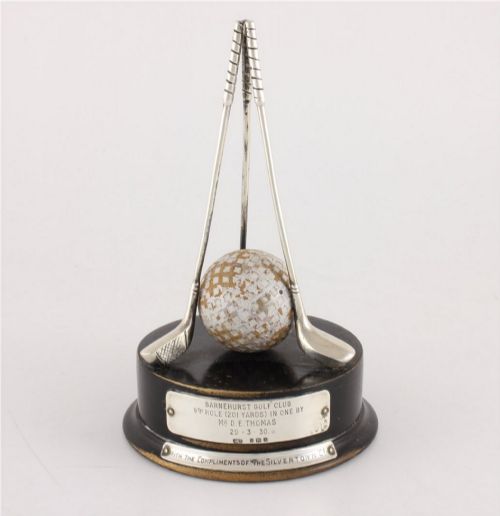
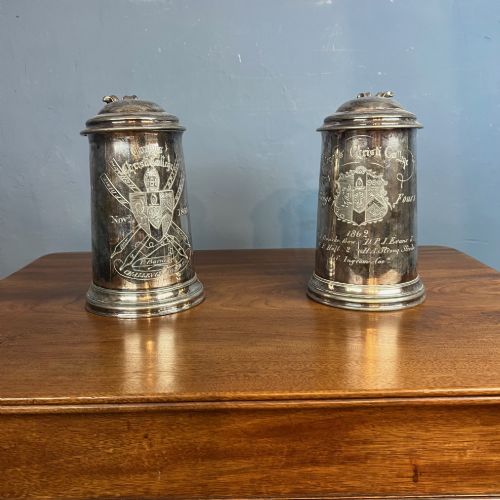
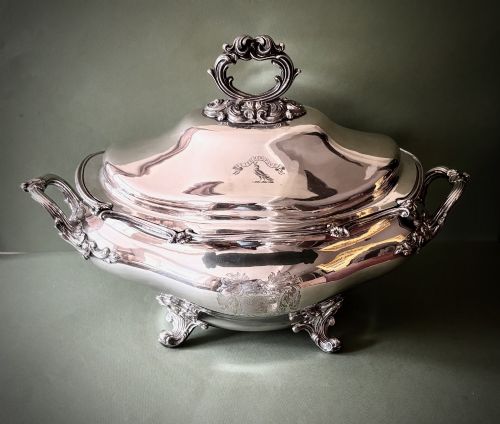
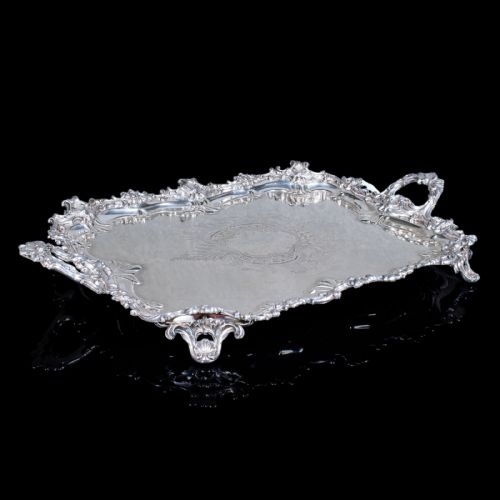
A silver presentation plate encompasses a wide variety of commemorative and functional items, including large trays, salvers, trophy bowls, and inscribed plaques. When you search for silver presentation plate, you encounter items given as prizes, tokens of esteem, or memorials, bearing hallmarks of both utility and commemoration.
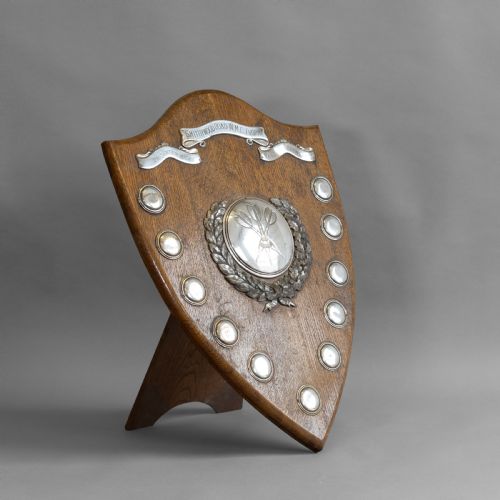
The pieces appearing on this page span the eighteenth, nineteenth, and early twentieth centuries, reflecting changing aesthetic tastes from Georgian restraint to Victorian opulence and Edwardian formality. Forms range from heavy serving trays and loving cups to specialised shields and wine coolers.
Makers and manufacturers utilised diverse foundational metals and plating techniques, resulting in objects that served both decorative displays and functional hospitality roles. The historical context often remains etched directly into the metal through inscriptions and dates.
Materials and construction methods
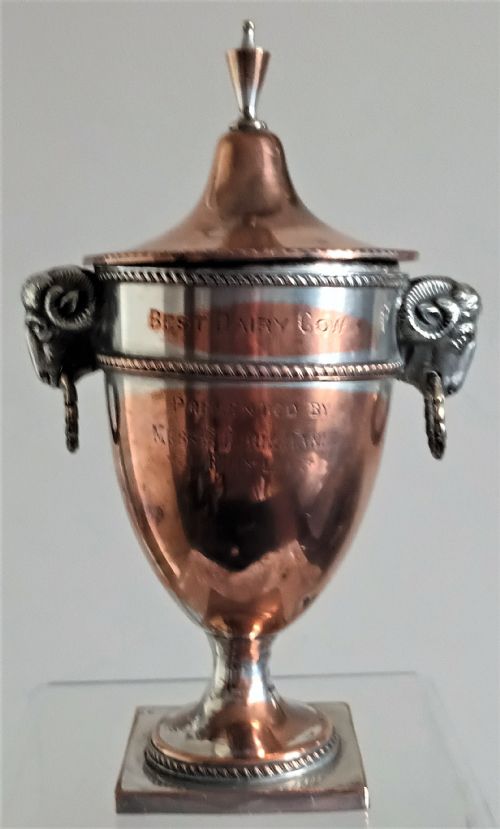
Silversmiths and manufacturers employed solid silver, Old Sheffield Plate, and electroplated nickel silver over copper bases, depending on the period of production. Old Sheffield Plate fused a thin layer of silver onto a copper core, while later Victorian and Edwardian items frequently utilised electroplating.
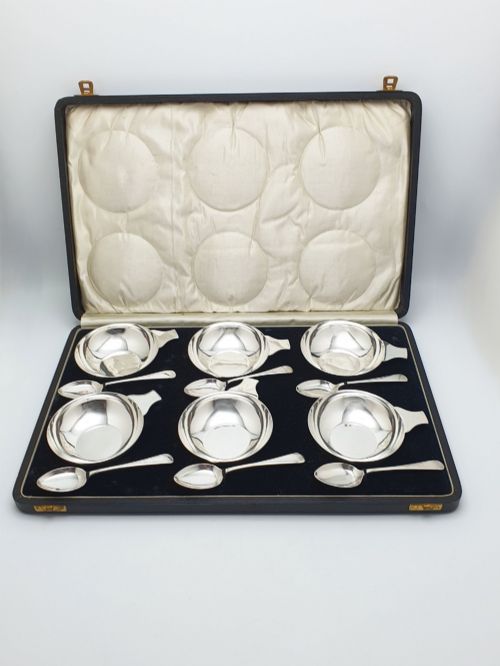
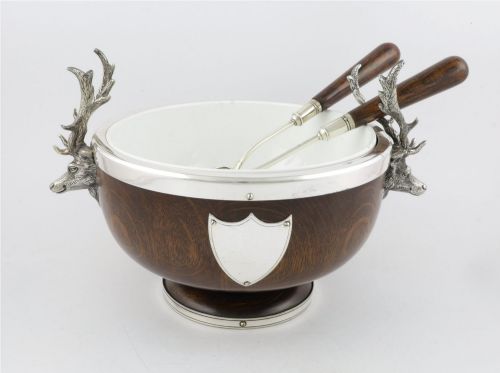
Supportive elements incorporate secondary materials such as oak for presentation bowls, ceramic inserts, and velvet linings within original presentation boxes. These mixed-media constructions highlight the collaborative craftsmanship between metalworkers and woodturners during the nineteenth century.
Silver Presentation Plate Retail Price Guide 2026
Typical asking prices for silver presentation plate among the pieces listed under this phrase on Sellingantiques today, from the lower quarter to the upper quarter. They describe what is for sale here now, not the wider market.
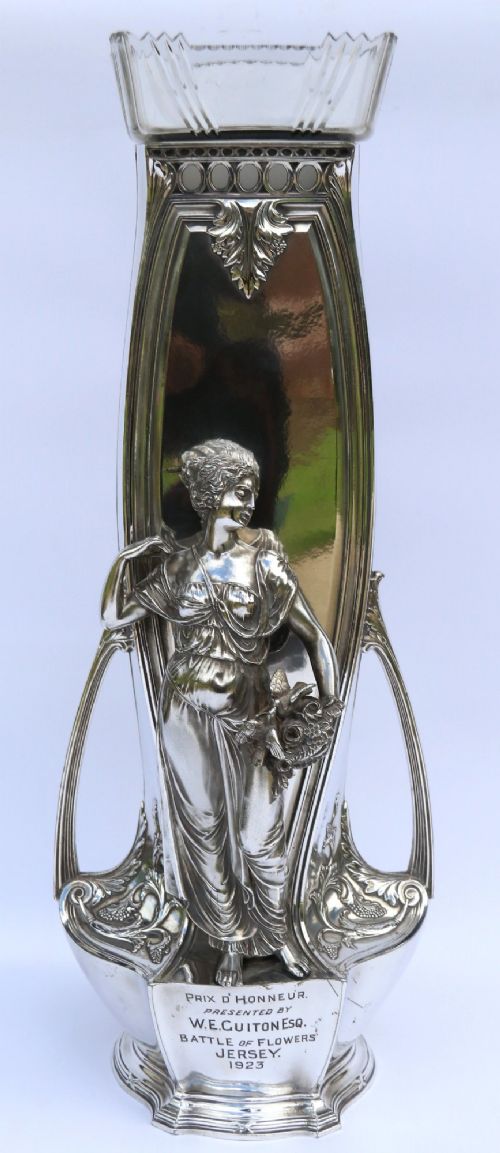
Some loving cups carry decades of athletic glory, while others simply waited in velvet boxes for a battle of the flowers.
Evaluating craftsmanship and condition
Quality separates objects by the crispness of chased decoration, the integrity of the underlying metal, and the legibility of any hand-engraved inscriptions. Superior pieces maintain even silver coverage without excessive wear exposing the base copper or nickel layers.
The presence of original fitted boxes, maker marks, and verifiable historical context elevates a piece above standard utilitarian items. Weight and balance in handled items like loving cups and trays also indicate superior manufacturing standards.
Joseph Rodgers & Sons·James Fray
The Silver Presentation Plate Glossary
- Salver
- A flat plate or tray, typically made of silver or silver plate, used for serving food or presenting items. These pieces often feature raised rims and decorative feet.
- Old Sheffield Plate
- An early composite material made by fusing a sheet of silver to a thicker copper ingot. This method predates electroplating and produces a distinct warm tone.
- Loving cup
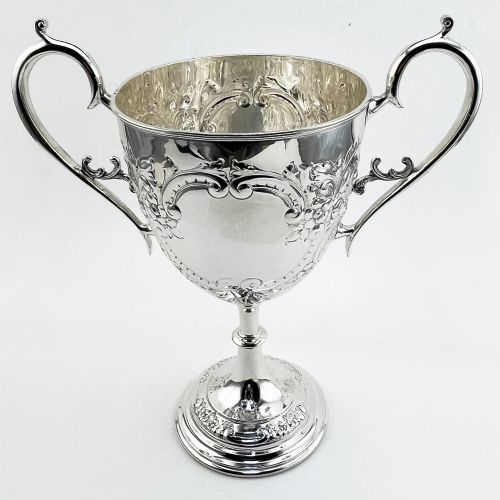
- A large drinking vessel equipped with two or more handles, frequently passed around among guests at banquets or awarded as a trophy. They often carry detailed commemorative inscriptions.
- Electroplated nickel silver
- A base metal alloy of copper, nickel, and zinc coated with a thin layer of pure silver through electrolysis. This technique became widespread during the Victorian era.
- Presentation shield
- A decorative plaque, often mounted on wood or oak, created to honour sporting victories or organizational achievements. They display intricate embossed metalwork.
Silver Presentation Plate: Frequently Asked Questions
What is a silver presentation plate?
A silver presentation plate refers to decorative and functional metal items given as awards, gifts, or memorials, often bearing engraved inscriptions.
These pieces include salvers, trays, and plaques spanning the eighteenth to twentieth centuries.
How do I identify Old Sheffield Plate?
Old Sheffield Plate can be identified by its distinctive warm lustre and the occasional subtle hint of copper visible at the cut edges.
This early fusing technique differs visually from the brighter, more uniform finish of later nineteenth-century electroplated items.
Were these plates used daily?
While many items served functional roles in afternoon tea or dining, presentation pieces were often kept primarily for display.
Inscribed dates and dedicated names suggest they spent much of their history celebrating specific achievements in homes or institutions.
How should I clean silver presentation plate?
Cleaning requires gentle silver polish applied sparingly to avoid removing thin plating layers, particularly on Old Sheffield Plate items.
Soft cloths and non-abrasive techniques help preserve delicate hand-engraved inscriptions and historical patinas.