



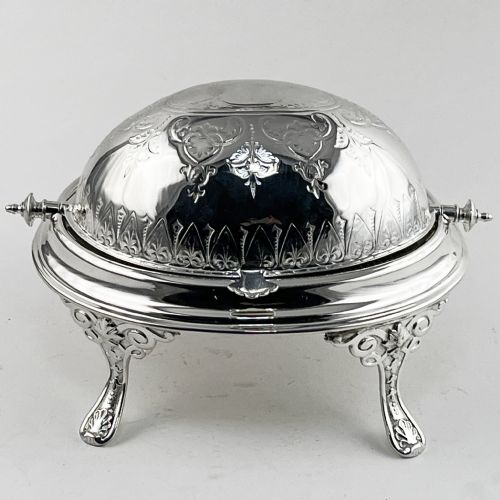
Silver Plated Serving Dish
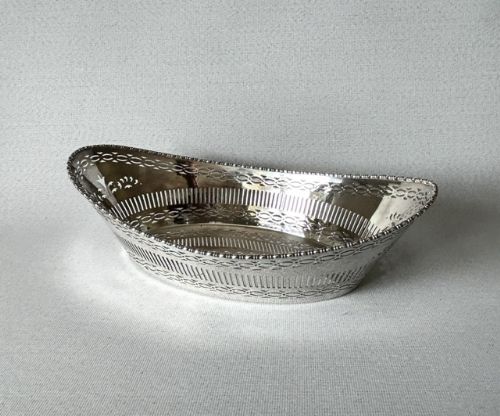
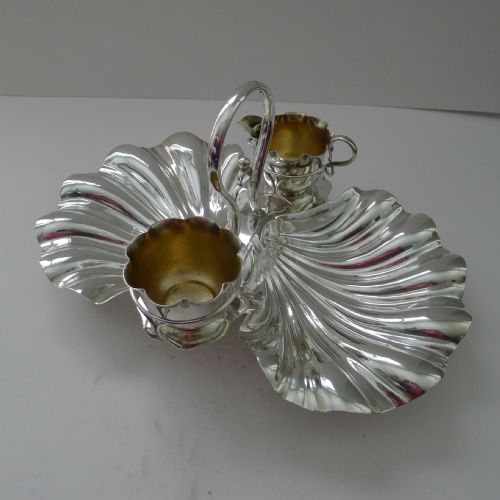
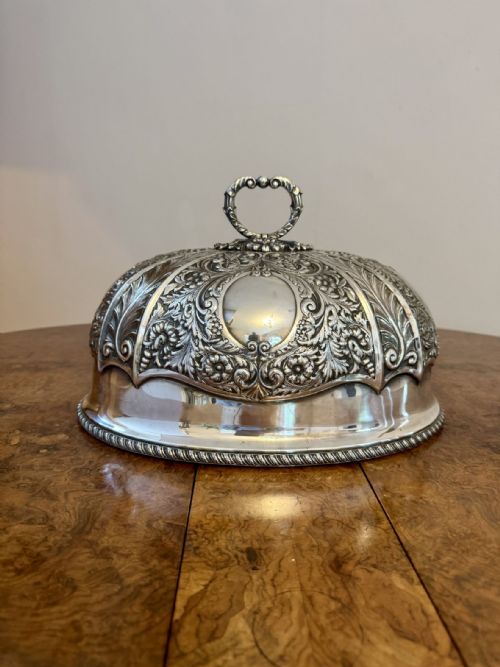
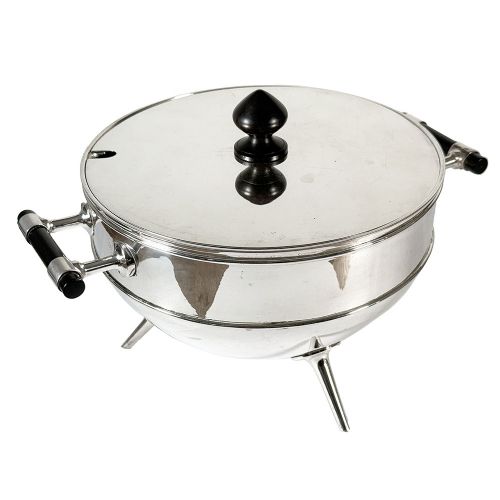
When choosing a silver plated serving dish, collectors examine a rich variety of Victorian, Edwardian, and Art Deco forms designed for elegant dining tables.

Silver Plated Serving Dish
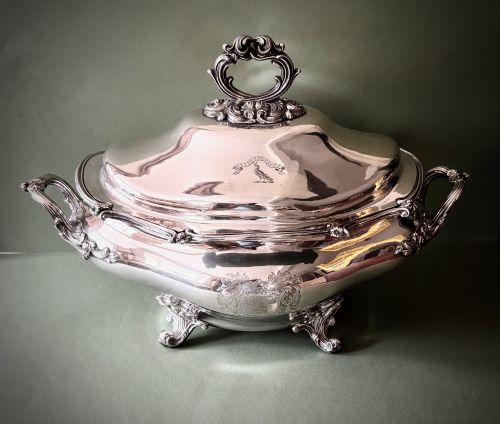
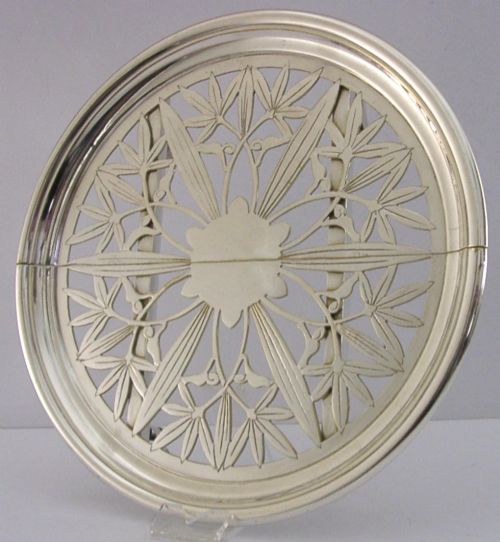
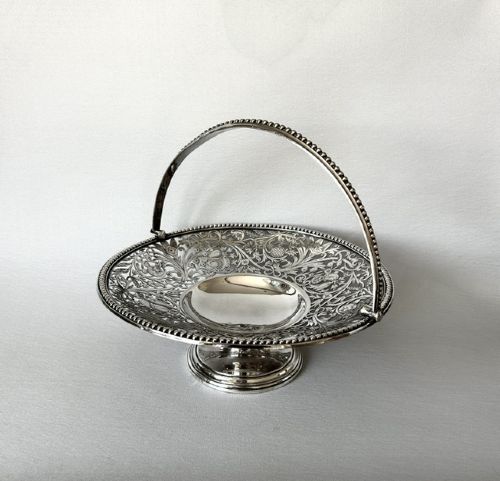
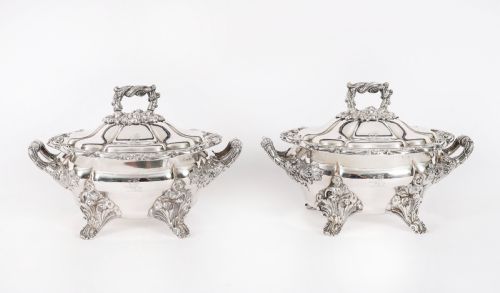
The selection includes specialised serveware such as strawberry dishes, asparagus dishes, and tiered warming stands designed to keep food warm during lengthy meals. Makers utilised various forms from rectangular entree boxes to oval tureens and round chargers, often incorporating handles and engraved decoration.
How They Were Made
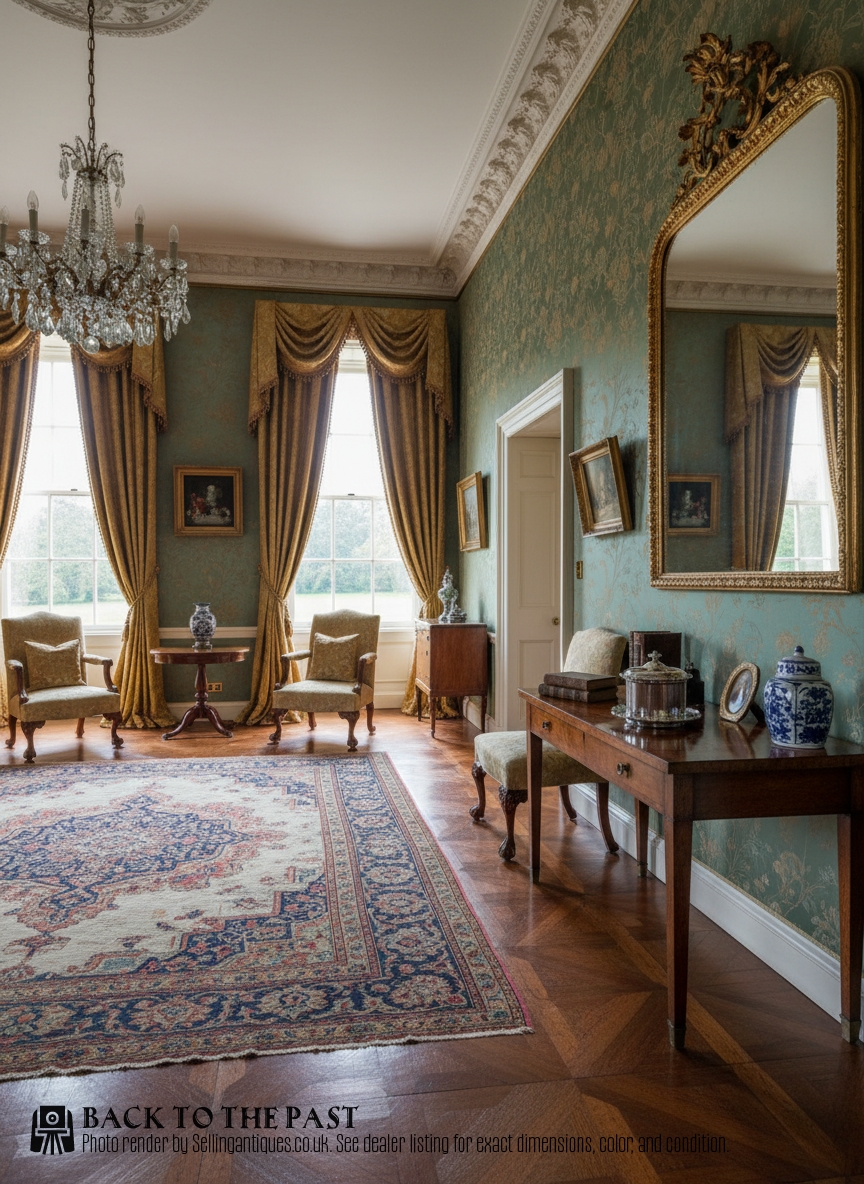
Early pieces frequently rely on Old Sheffield Plate, a technique fusing a thin sheet of silver onto a thicker copper base before shaping and soldering the components. This method produces distinctive edges where the copper core shows slightly beneath the worn silver.
Later Victorian and Edwardian production shifted toward electroplated nickel silver, known as EPNS, where an electric current deposits a layer of pure silver onto a nickel silver alloy substrate. Manufacturers also utilised copper and pewter for specific forms, applying hand-engraving, applied borders, and cast metal handles to finish the pieces.
Silver Plated Serving Dish Retail Price Guide 2026
Typical asking prices for silver plated serving dish among the pieces listed under this phrase on Sellingantiques today, from the lower quarter to the upper quarter. They describe what is for sale here now, not the wider market.
The listings span from the 18th century through the Art Deco period, utilising silver plate, copper, pewter, and Old Sheffield Plate.
What Varies in Quality
The distinction between standard domestic serveware and superior examples rests upon the weight of the base metal, the thickness of the silver deposit, and the crispness of the chased or engraved ornamentation. Superior items exhibit substantial heft and secure, well-fitted lids.
Design attribution to notable makers or designers such as Christopher Dresser elevates the significance of a piece, while refined details like cast bird handles, pierced galleries, and original warming stands demonstrate superior craftsmanship.
Christofle·Mappin & Webb·Daniel Arter·Hukin & Heath·Elkington & Co·Henry Wilkinson·Creswick·Matthew Boulton·Walker & Hall·Roberts and Belk·Frank Cobb & Co·Reed & Barton·Hamilton & Inches·Carringtons
The Silver Plated Serving Dish Glossary
- Old Sheffield Plate
- An early form of silver plating created by fusing silver to a copper ingot. This technique predates electroplating and yields subtle warmth from the underlying copper.
- EPNS
- Electroplated Nickel Silver. A durable base alloy coated with silver via an electrical bath, becoming standard practice from the mid-nineteenth century onward.
- Entree Dish
- A lidded serving vessel intended for main courses at the dining table. These often feature removable handles so the base can double as an open platter.
- Tureen
- A deep bowl with a lid designed for serving soups, sauces, or vegetables. They appear in oval, round, and rectangular profiles.
- Cloche
- A domed cover used to keep individual plates or larger platters warm. They frequently incorporate shaped handles for easy lifting.
Silver Plated Serving Dish: Frequently Asked Questions
What is an entree dish used for?
An entree dish served main courses or secondary dishes at formal Victorian and Edwardian dinners. The lidded design kept food warm between the kitchen and the dining table.
Many of these dishes feature a removable handle, allowing the lower section to function independently as an open serving tray.
How do you clean silver plate?
Silver plate requires gentle cleaning with a specialised silver polish and a soft cloth to preserve the thin metallic layer. Harsh abrasives will wear away the plating and expose the base metal beneath.
Regular dusting and careful hand washing after use maintain the surface shine without risking damage to engraved details.
What is Old Sheffield Plate?
Old Sheffield Plate is an early composite material made by fusing a thin sheet of silver to a copper base through heat and pressure. Items made this way often show a reddish copper line along exposed edges.
This technique was largely superseded by electroplating methods during the nineteenth century, making surviving examples sought after by collectors.
How do revolving breakfast dishes work?
Revolving breakfast dishes feature a semi-cylindrical lid that rolls backward on a pivot mechanism to reveal the interior liners or food compartments. This clever engineering allowed diners to serve themselves easily from sideboards.
Victorian households utilised these complex pieces for keeping multiple breakfast items warm during extended morning meals.