


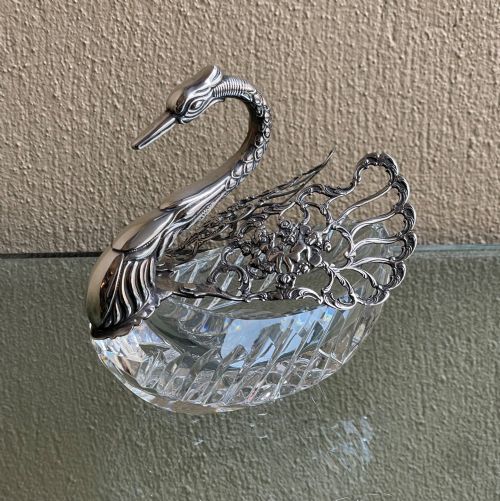


Silver Plated Glass Dish
When you handle a silver plated glass dish, you engage with domestic metalwork and blown or moulded vessels designed for the Victorian and Edwardian dining table.
Silver Plated Glass Dish
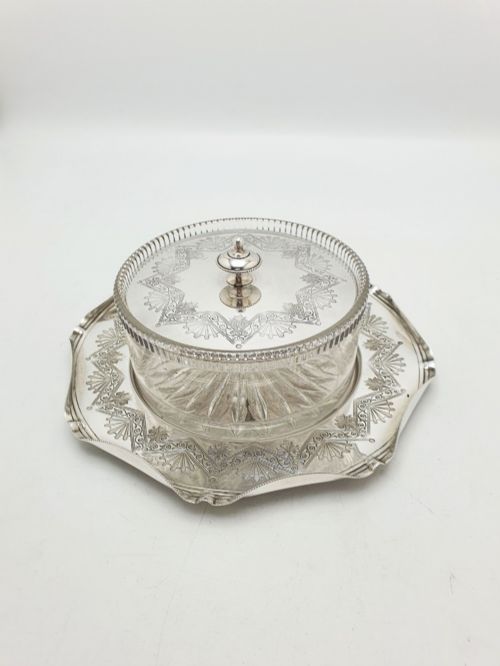
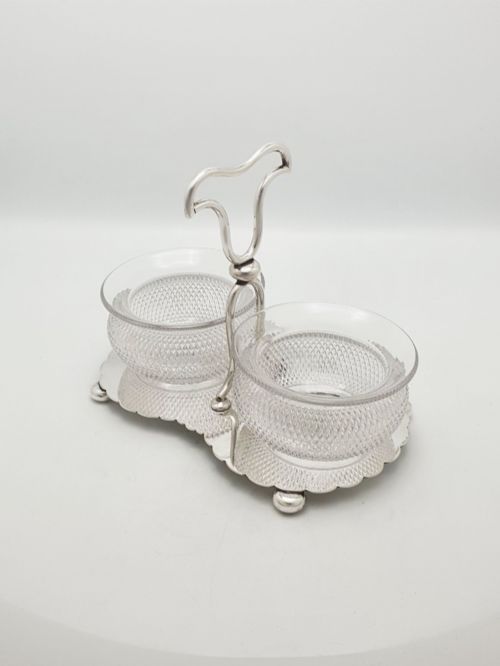
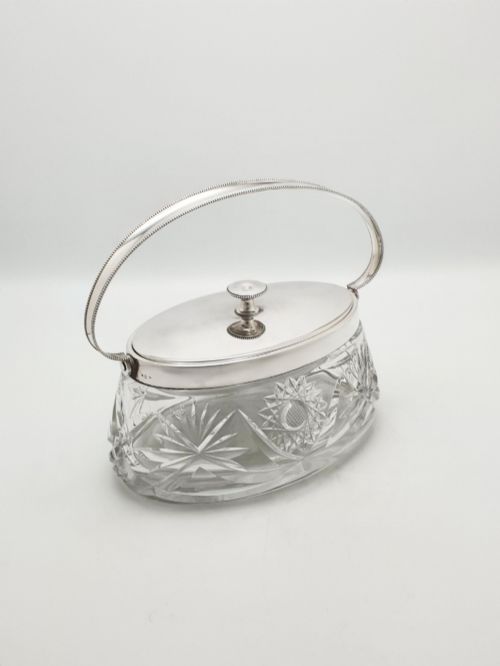
A silver plated glass dish combines a metal stand or mount with a removable glass vessel intended for serving butter, preserves, cheese, or condiments at the dining table. The silver plated glass dish category spans simple butter dishes with clear liners to elaborate Victorian and Edwardian centrepieces holding coloured vessels.
The objects frequently take the form of baskets, stands, caddies, and tazas spanning the Victorian, Edwardian, Art Nouveau, and Art Deco periods. Makers utilised contrasting materials to create items for functional household tasks that doubled as decorative tableware.
Buyers will encounter items originating from English workshops as well as continental factories, dating predominantly from the nineteenth and early twentieth centuries. These table wares served specific foods such as caviar, bonbons, and hors d'oeuvres, often accompanied by dedicated silver plated spoons or forks.
How they were made
The metal mounts and stands were produced using silver plating techniques over base metals, frequently featuring pierced work, cast feet, and applied wire or floral motifs. Frames were constructed to cradle glass inserts securely, utilising swing handles, hinged lids, and pedestal feet.
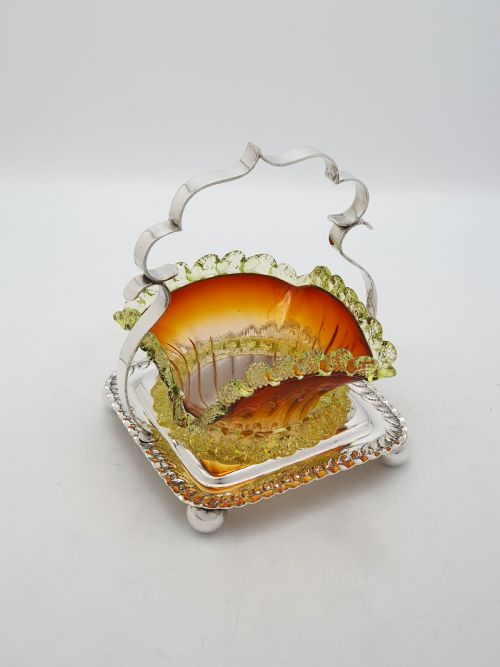
Glass liners and bowls were shaped through cutting, moulding, or blowing, yielding clear, cut crystal, or coloured glass varieties such as cranberry, vaseline, cobalt, and opaline. Artisans combined these distinct media by matching the contours of the blown or cut glass vessel to the custom architecture of the metal stand.
Victorian diners enjoyed butter housed in mechanical revolving domes that hid the dairy from view until a gentle spin revealed the spread.
What varies in quality
The standard of a piece depends on the depth and clarity of the glass cutting, the richness of the coloured glass batch, and the crispness of the cast or pierced silver plated mount. Heavier metal gauge and intricate detailing on handles, rims, and finials elevate the presence of the object on the table.
Completeness dictates much of the appeal, particularly the retention of the original matching glass liner, lid, or dedicated serving spoon. Pieces produced by recognised firms or incorporating unusual tinted glass varieties demonstrate superior manufacturing ambition.
WMF·Elkington·Thomas Prime·William Hutton and Sons
The Silver Plated Glass Dish Glossary
- Vaseline glass
- A transparent yellowish-green glass containing uranium dioxide that glows under ultraviolet light. It appears frequently in nineteenth-century decorative tableware.
- Cranberry glass
- A rich pinkish-red glass created by adding gold chloride to the molten batch. This colourway is popular in Victorian preserve dishes and bowls.
- Silver plate
- A layer of silver fused or electroplated onto a base metal such as copper, brass, or Britannia metal. It provided an accessible alternative to solid silver for household goods.
- Liner
- The removable glass insert that sits inside the silver plated basket, frame, or stand. Liners protected the metal from acidic foods like fruit preserves and butter.
- Taza
- A footed dish or shallow bowl elevated on a stem, used for serving fruit or sweets. These forms appear in Art Deco and earlier continental metalwork.
Silver Plated Glass Dish: Frequently Asked Questions
How were these dishes used at the table?
These vessels held specific table provisions including butter, cheese, jam, and condiments during formal meals. The removable glass liners allowed hosts to replenish contents easily and wash the glass separately from the silver plated frames.
Many designs included matching spoons, forks, or lidded covers to keep provisions hygienic. They occupied central positions on the dining board or sideboards as both functional servers and decorative ornaments.
What glass colours are most common?
Clear cut glass and crystal appear frequently across all periods, offering a brilliant reflective surface. Coloured varieties such as cranberry, vaseline green, and cobalt blue became particularly popular during the Victorian and Edwardian eras.
Opaline and frosted glass also feature in specific nineteenth-century pieces, providing a soft contrast to the polished silver plated mounts.
How do I identify the period of a piece?
Stylistic indicators such as heavy Rococo Revival scrolls, Aesthetic Movement motifs, flowing Art Nouveau plant tendrils, or geometric Art Deco lines offer primary chronological clues. Manufacturing techniques and mounting styles also shift from the ornate cast frames of the nineteenth century to sleeker twentieth-century profiles.
Matching the glass form to known design registrations or maker signatures helps narrow the production date further.
Can I use these for everyday dining?
The pieces function well for serving contemporary meals, provided they receive careful hand washing to protect the silver plate. Acidic foods should not be left in contact with plated surfaces for extended periods to prevent tarnishing or plate wear.
Gentle cleaning maintains the lustre of both the metal frame and the antique glass liner during regular use.