



Silver Plated Glass Decanter
When searching for a silver plated glass decanter, collectors encounter elaborate Victorian and Edwardian vessels combining cut crystal bodies with plated metal mounts.
Silver Plated Glass Decanter
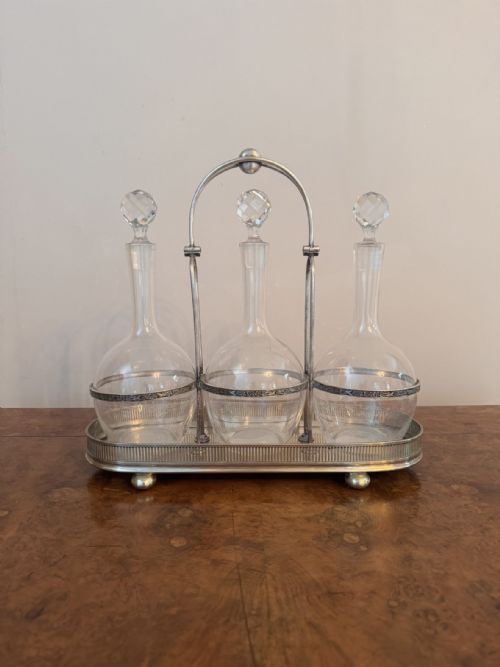
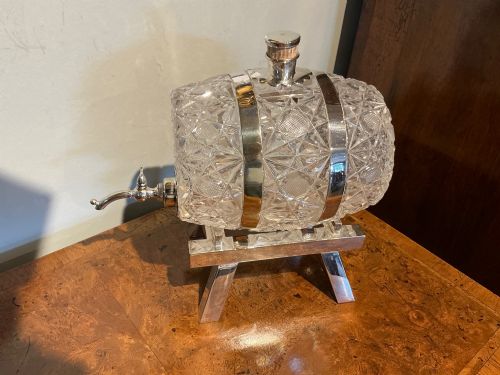
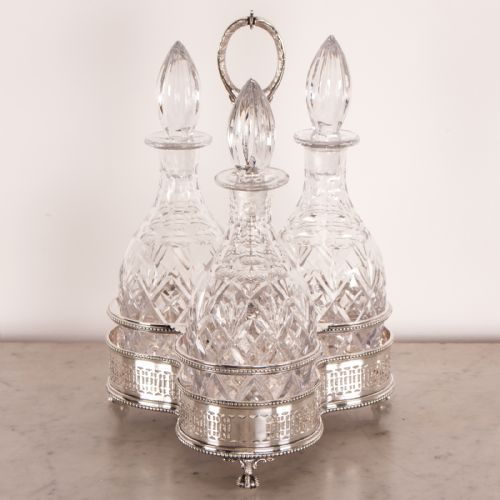
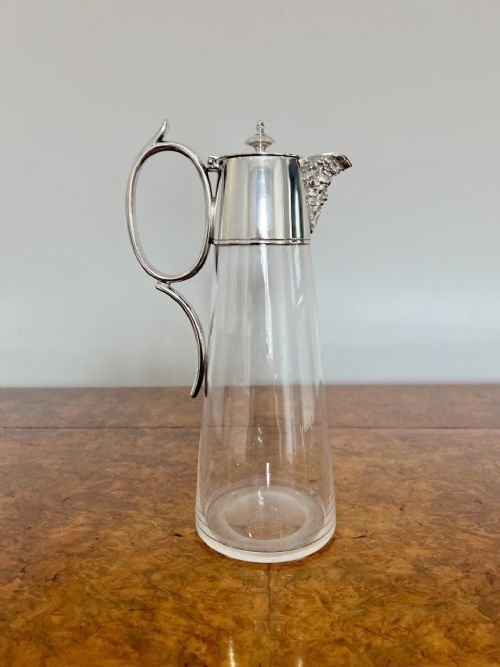
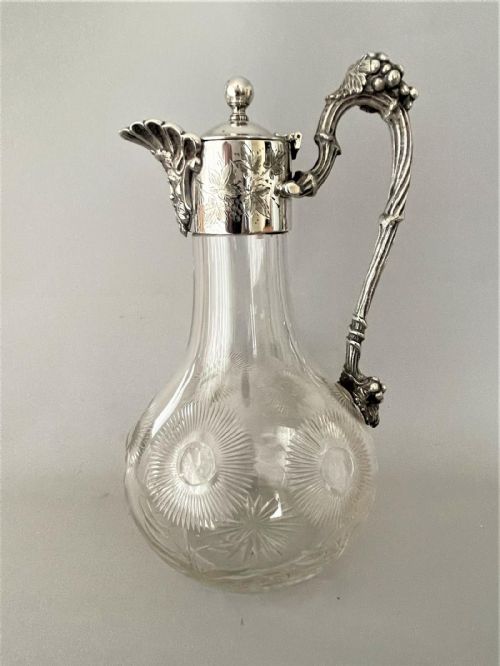
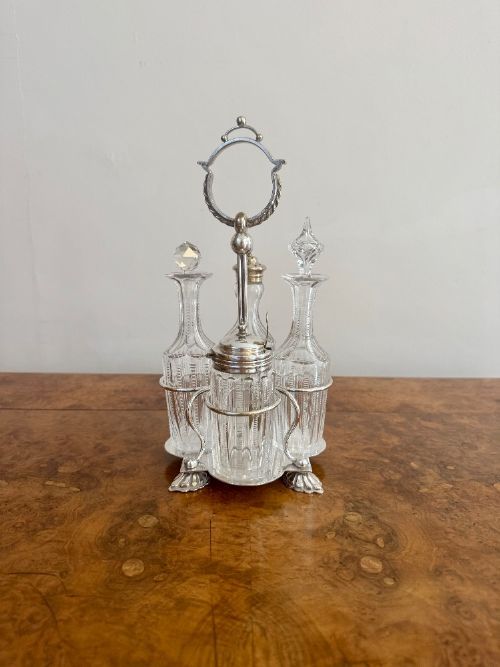
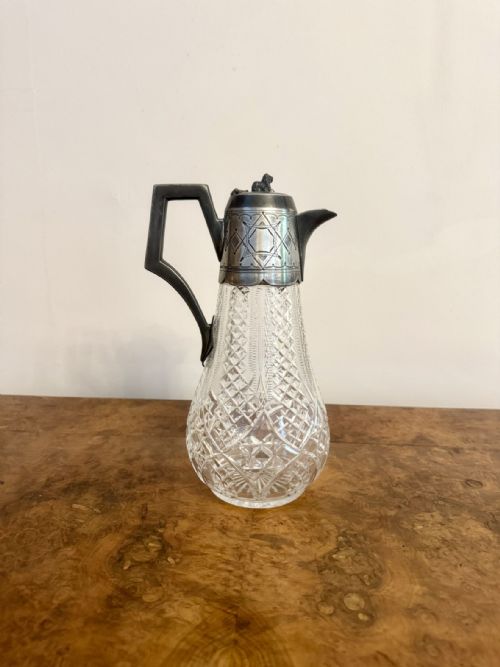
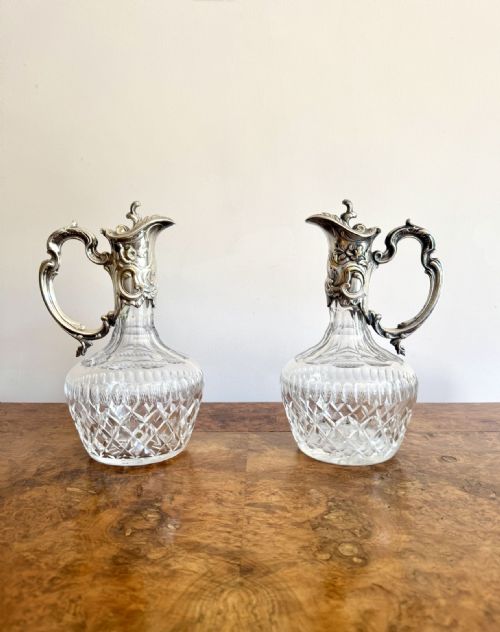
The silver plated glass decanter category encompasses claret jugs, tantalus sets, cruet frames, and spirit barrels originating primarily from the Victorian and Edwardian eras. Buyers frequently encounter vessels formed from heavy cut glass or crystal mounted with decorative metal collars, handles, and hinged lids. These items served functional roles in nineteenth-century dining and drawing rooms, housing wines, spirits, and cordials for guests.
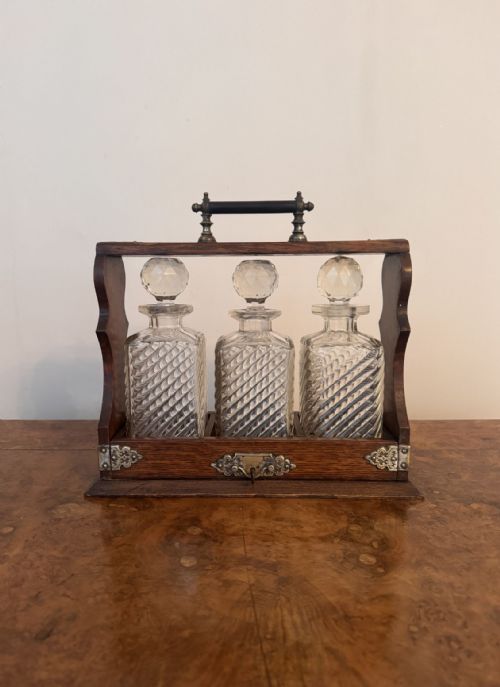
Beyond standalone claret jugs, many examples appear within multi-bottle stands or locked frames known as tantaluses, designed to secure contents from unauthorised household servants. Common variations include cranberry, green, and amber glass bodies paired with elaborate stands incorporating oak or hardwood accents. Production spans several decades from the mid-nineteenth century through the early twentieth century, reflecting shifting domestic habits and table settings.
What Varies In Quality
Quality depends upon the depth and crispness of the wheel-cutting on the crystal body, where sharp, well-defined facets reflect light far better than shallow impressions. The weight and thickness of the glass also indicate higher standards of manufacture.
The standard of the silver plate applied to the mounts dictates longevity and visual impact, alongside the complexity of cast decorative motifs on handles and collars. Original matching stands, stoppers, and secure locking mechanisms on tantalus frames elevate the integrity of the piece.
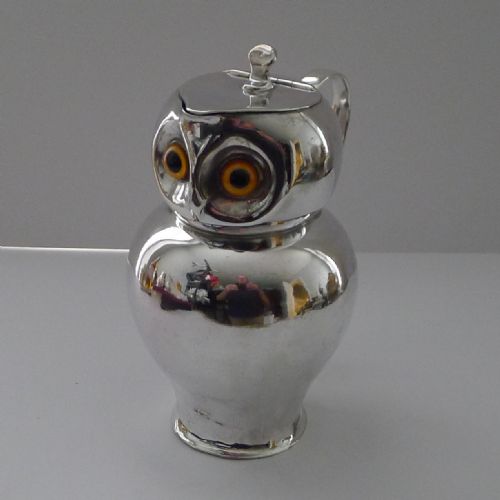
Some Victorian manufacturers turned spirit containers into charming animal novelties, housing claret within glass-eyed owls.
Walker & Hall·Mappin & Webb·Elkington·Martin Hall & Co·Henry Wilkinson & Co
The Silver Plated Glass Decanter Glossary
- Claret Jug
- A tall pouring vessel specifically designed for serving red wine at the table. These typically feature an integrated handle, hinged metal lid, and a flared spout.
- Tantalus
- A locking wooden or metal frame that holds decanters securely in place, preventing access to the contents without a key. The frame traps the stoppers so the bottles cannot be removed while locked.
- Old Sheffield Plate
- An early composite material made by fusing a thin sheet of silver to a thicker copper base before rolling them together. This technique predates modern electroplating and leaves a characteristic subtle copper seam along edges.
- Cruet Set
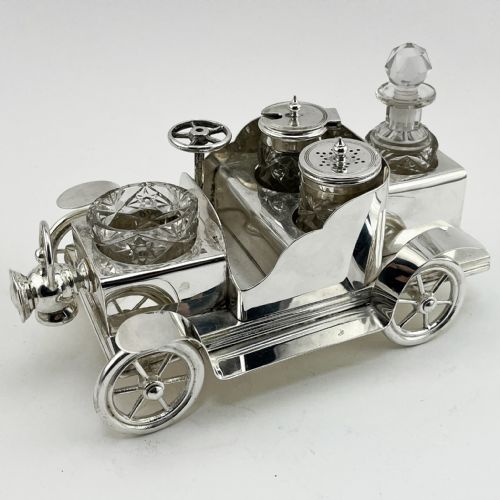
- A matched collection of glass bottles or jars mounted in a portable metal frame for holding condiments, oils, or vinegars. They often appear on the dining table for individual seasoning.
- Nailsea Glass
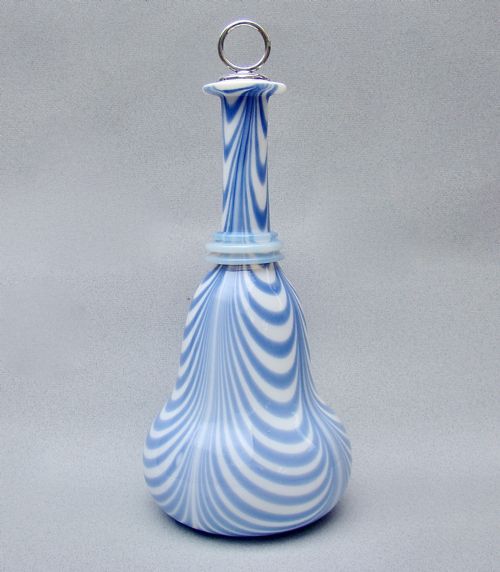
- Glassware associated with the nineteenth-century English production tradition, frequently characterised by looped or trailed opaque white threads applied over a coloured glass body.
Silver Plated Glass Decanter: Frequently Asked Questions
What is a tantalus?
A tantalus is a locked security frame holding glass decanters so that guests or servants cannot pour drinks without the key. The metal bar traps the stoppers firmly in the bottles.
Invented in the nineteenth century, these stands allowed hosts to display expensive spirits in the dining room or study while restricting consumption.
How do I date a silver plated glass decanter?
Dating relies on stylistic clues such as the heavy geometric cutting typical of the Victorian period or the sleeker lines of Edwardian designs. Maker marks and the presence of Old Sheffield plate rather than standard electroplating also point to specific decades.
Examination of the mount construction and glass colour helps narrow the production window between the mid-nineteenth and early twentieth centuries.
How do I care for silver plated mounts?
Care involves gentle cleaning with a soft cloth and specialist silver polish to maintain the finish without wearing through the plated layer. Avoid harsh abrasives that can scratch both the metal and the adjacent glass.
Keeping the pieces dry and storing them away from excessive humidity protects the integrity of the silver plating and any wooden stands.