



Silver Plated Drinking Cup
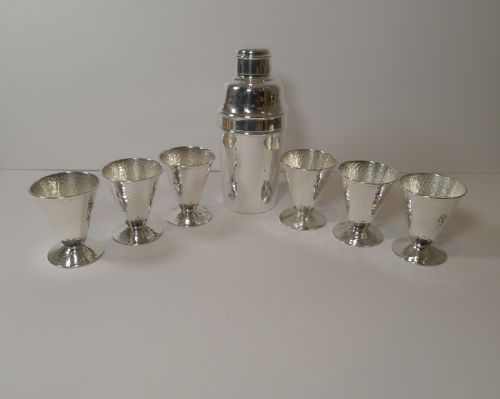
A silver plated drinking cup brings weight and polish to the table, and these pieces span Victorian tankards and Art Deco cocktail sets.
Silver Plated Drinking Cup
A silver plated drinking cup covers a wide range of vessels designed for imbibing spirits, beer and mixed drinks. When you search for a silver plated drinking cup, you encounter forms such as tankards, mugs, loving cups, stirrup cups, flasks and cocktail sets.
The pieces on this page originate primarily from the nineteenth and twentieth centuries, taking in the Victorian, Edwardian and Art Deco periods. Makers utilised silver plate, electroplated nickel silver and white metal, frequently combining them with glass, leather and frosted crystal.
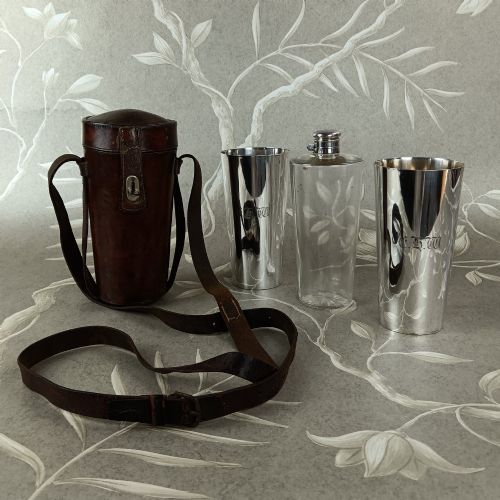
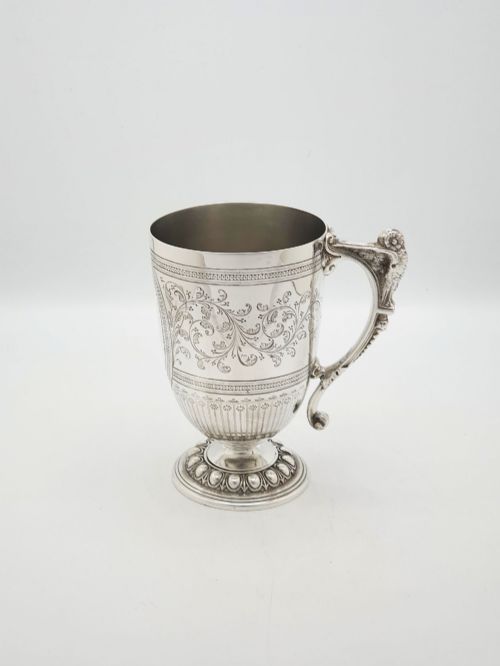
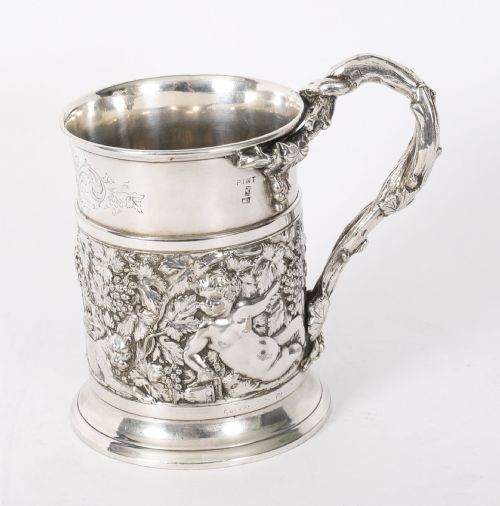
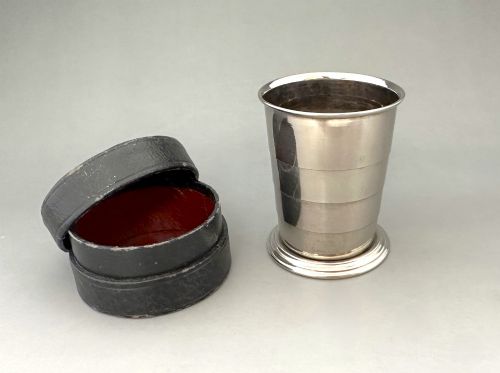
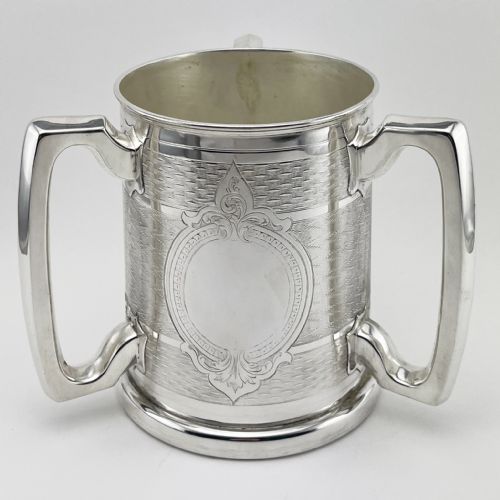
Tankards and mugs dominate the selection, often featuring embossed and engraved decoration or distinctive figural handles like owls. Alongside individual vessels, the inventory includes field campaign spirit sets, collapsible stirrup cups, barrel dispensers and complete cocktail services.
How they were made
Makers produced these drinking vessels using base metals like nickel silver or white metal, then applied a layer of silver plating over the surface. Some earlier examples rely on Old Sheffield plating, which fused a thin sheet of silver to a copper core.
Surface ornamentation involved hand embossing, chasing and engraving to create floral motifs or textured panels. Artisans also incorporated organic and manufactured materials, wrapping flasks in stitched leather or pairing silver plate with frosted crystal barrels and glass.
An Edwardian silver plated tankard watches over your drink with an inquisitive pair of dimensional owl handle eyes.
What varies in quality
Quality rests on the thickness and durability of the silver plating itself, which determines how well the surface survives decades of cleaning and handling. Superior items retain their full silver coating without revealing the base metal underneath.
The artistic ambition of the design and the crispness of the hand engraving set finer examples apart from mass production. Well executed details, such as solid cast handles shaped like animals or secure leather bindings on campaign flasks, indicate superior craftsmanship.
James Dixon & Sons·G R Collis·Elkington
The Silver Plated Drinking Cup Glossary
- Electroplated Nickel Silver
- A base metal alloy of copper, nickel and zinc coated with a layer of pure silver through an electrolytic process. This method became widespread in the nineteenth century as a cost effective alternative to solid silver.
- Old Sheffield Plate
- An early method of fusing a thin sheet of sterling silver to a thicker copper ingot before rolling them into sheets. Pieces made this way often reveal faint traces of copper along exposed edges and seams.
- Stirrup Cup
- A small drinking vessel traditionally handed to a rider while mounted on a horse before a hunt. Many historical examples feature rounded or conical bottoms so they could not be set down until emptied.
- Loving Cup
- A large two handled drinking vessel designed for sharing toasts among multiple people at banquets and celebrations. The dual handles allowed the cup to be passed safely from hand to hand.
- Loving Cup
- A large two handled drinking vessel designed for sharing toasts among multiple people at banquets and celebrations. The dual handles allowed the cup to be passed safely from hand to hand.
- Tankard
- A tall, cylindrical drinking vessel with a single handle, historically used for beer or ale. Victorian and Edwardian versions often rest on stepped bases and feature hinged lids or decorative repoussé work.
Silver Plated Drinking Cup: Frequently Asked Questions
Can I actually drink from these antique cups?
Most of these silver plated vessels remain structurally sound and safe for holding cold beverages if cleaned thoroughly before use. You should check the interior condition to ensure the plating is intact and avoid using them for hot or acidic liquids that might damage the metal.
Displaying them on a bar or dining table offers a practical way to enjoy their history without putting fragile antique surfaces to everyday service.
How do I clean silver plated barware?
Warm water, a mild liquid soap and a soft cloth provide the safest routine cleaning for silver plate. Harsh chemical dips or abrasive pastes will strip away the thin layer of silver over time, especially on engraved or embossed details.
Storing pieces in a dry environment away from direct sunlight helps prevent rapid tarnishing and keeps the metal gleaming between uses.
What is the difference between a mug and a tankard?
A tankard traditionally refers to a tall, cylindrical drinking vessel equipped with a sturdy handle and sometimes a hinged lid. Mugs in this category often feature barrel shapes, tapered sides or decorative embossing rather than the strict cylindrical form of a classic tankard.
Both serve similar drinking functions, but tankards carry a heavier, more utilitarian heritage linked to taverns and formal dining.
How do I date an antique silver plated cup?
Maker marks, registry stamps and stylistic cues such as Art Deco geometric lines or Victorian floral embossing help narrow down the decade of manufacture. Silver plate techniques also evolved, shifting from early fused methods toward electroplating as the nineteenth century progressed.
Comparing the form and decorative motifs of a piece with dated examples in similar styles provides the most reliable guide to its age.