



Silver Plate Claret Decanter
A silver plate claret decanter brings formal dining and Victorian style to the table, combining heavy glass with plated mounts.
Silver Plate Claret Decanter
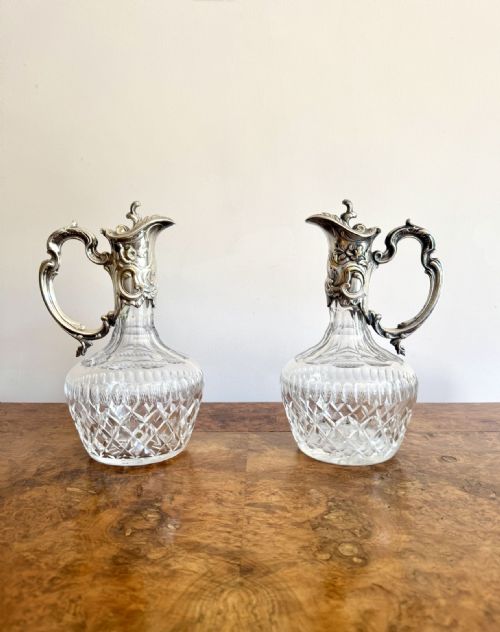
When you search for a silver plate claret decanter, you are looking at serving vessels designed for wine and claret during the nineteenth and early twentieth centuries. These pieces combine a glass body with plated metal mounts, handles, and hinged lids.
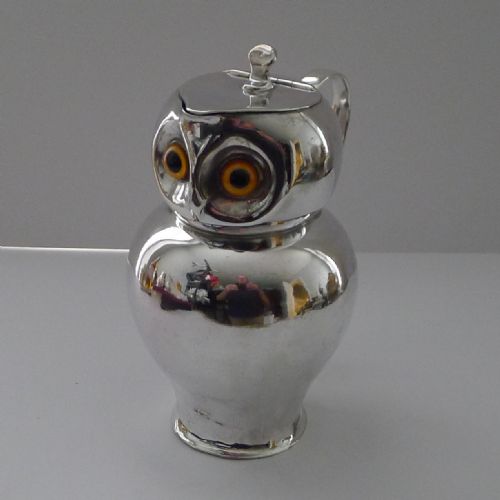
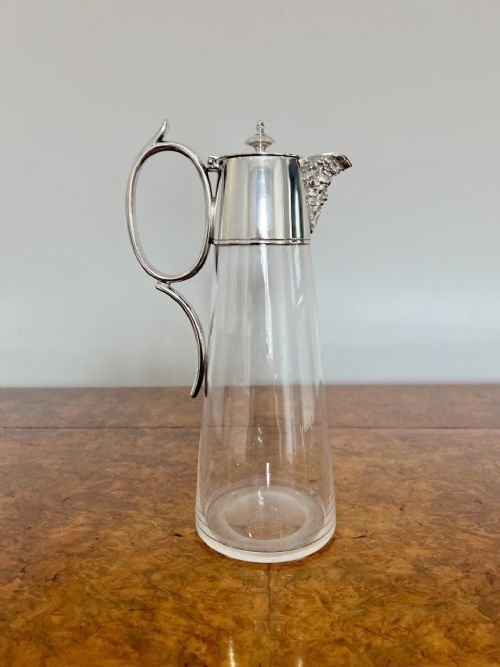
The most common versions met on this page date from the Victorian and Edwardian periods, stretching from the 1860s through to 1910. Forms range from standard pear-shaped jugs to cylindrical decanters and occasional novelty designs.
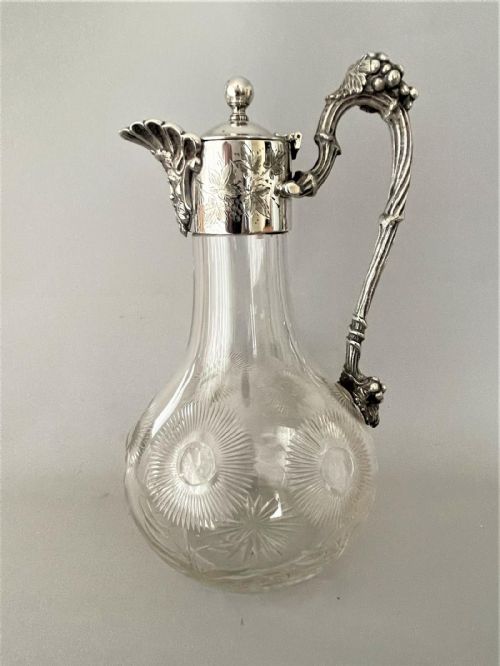
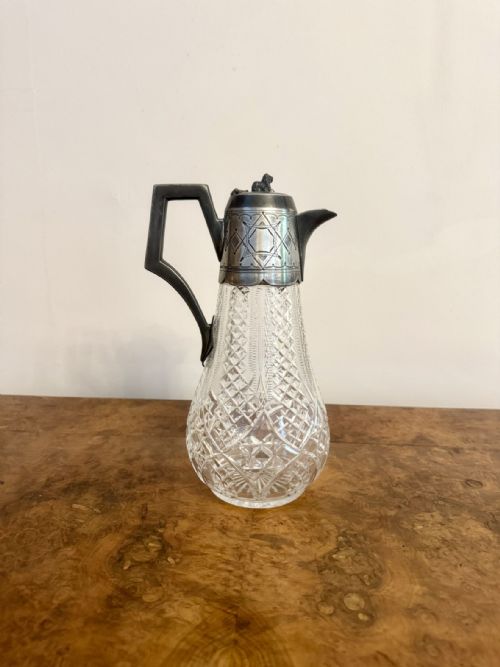
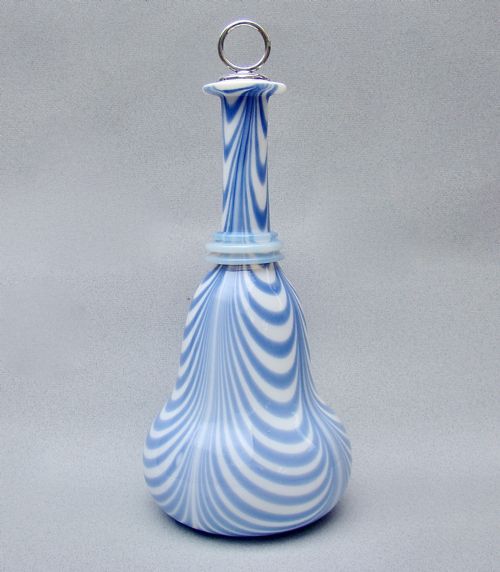
Makers utilised various glass types alongside plated mounts, including clear cut crystal, cranberry glass, and etched glass. Some examples incorporate ice tubes or feature figural and aesthetic movement styles.
Materials and construction
Bodies are formed from heavy glass, crystal, or coloured glass such as cranberry and Nailsea, often shaped by cutting, blowing, or etching. These glass containers are fitted with silver plated mounts, collars, hinged lids, and handles.
Silver plating techniques of the period applied a thin layer of silver over base metals like Britannia metal or nickel silver. Mounts were secured to the glass body with collars and specialised adhesives to ensure a watertight seal during pouring.
Listings span from the 1860s through the Edwardian era, featuring cut glass, cranberry glass, and silver plate.
Assessing quality and craftsmanship
Quality shows in the weight and clarity of the glass, alongside the precision of the cutting or etching. Heavier crystal bodies and deep, crisp wheel-cut patterns indicate superior production standards.
The execution of the silver plated mounts also separates standard items from the best examples. Crisp cast details on handles and lips, secure lid hinges, and makers' marks from recognised firms indicate higher craftsmanship.
Mappin & Webb·Elkington·Hukin & Heath·Martin Hall & Co·WMF
The Silver Plate Claret Decanter Glossary
- Claret jug
- A specialised pouring vessel designed specifically for serving red wine at the dining table. They typically feature a hinged lid and a sturdy handle.
- Silver plate
- A base metal object coated with a thin layer of silver. This technique provided the appearance of solid silver at a lower cost.
- Cranberry glass
- A rich red or pink transparent glass produced by adding gold chloride to the molten glass batch. It appears frequently in Victorian tablewares.
- Cut glass
- Glass decorated by grinding facets and patterns into the surface using rotating wheels. This process enhances the sparkle of the material.
- Mount
- The metal collar, handle, lip, and lid assembly fitted to the top of a glass decanter. Mounts provide structural support and a pouring spout.
Silver Plate Claret Decanter: Frequently Asked Questions
What is a silver plate claret decanter used for?
These vessels were originally manufactured to serve claret and other red wines at nineteenth-century dining tables. The pourer allowed hosts to decant wine from bottles before serving.
Today, they function as decorative table centrepieces or barware for serving wine and water during formal meals.
How do I clean a silver plate claret decanter?
Clean the glass body using warm water and mild detergent with a soft bottle brush. Avoid harsh abrasives that might scratch the interior or exterior surfaces.
Polish the silver plated mounts gently with a specialised silver cloth, taking care not to let harsh chemical dips contact the glass or adhesive joints.
How can I tell a Victorian claret jug from an Edwardian one?
Victorian examples often display heavy cut glass, ornate Rococo Revival styling, or engraved floral motifs dating from the 1860s to the 1890s. The mounts tend to be elaborate and heavily detailed.
Edwardian pieces, made around 1900 to 1910, frequently lean towards cleaner lines, Arts and Crafts influences, or simpler geometric cut patterns on the crystal.
Can I still use antique claret jugs for serving wine?
Many collectors use these jugs for serving wine provided the interior is clean and free from persistent staining. Ensure the plating is intact and the glass has no structural cracks.
Hand washing is essential for antique pieces, as modern dishwashers will damage the silver plate and cloud the old glass.