

Silver Pierce Bowl
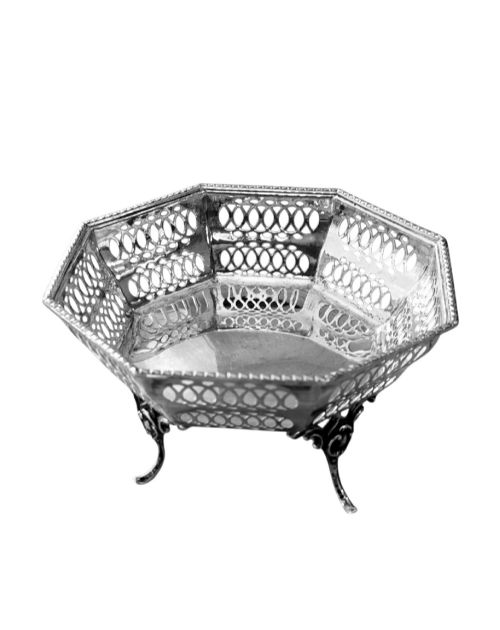
When you search for silver pierce bowl, you encounter openwork silver vessels designed to display bright glass liners and delicate sweetmeats.
Silver Pierce Bowl
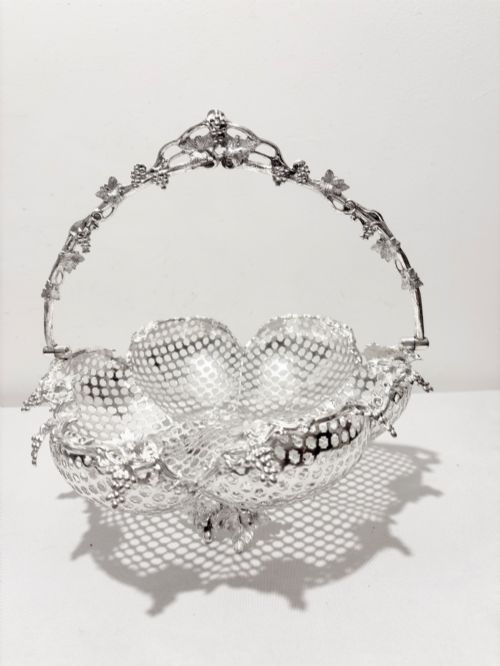
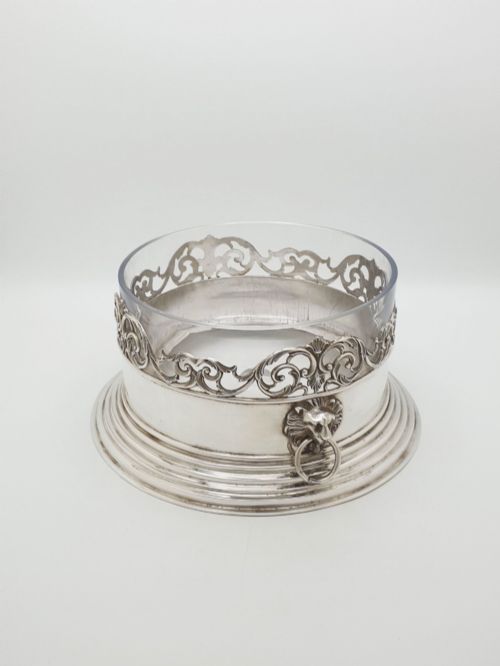
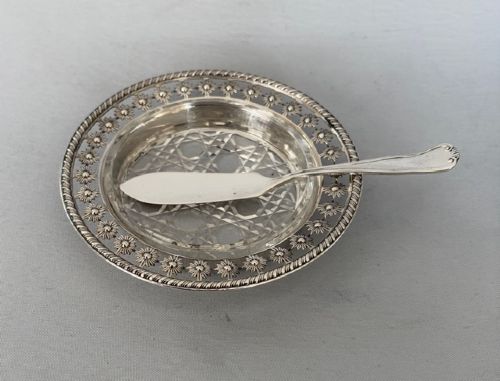
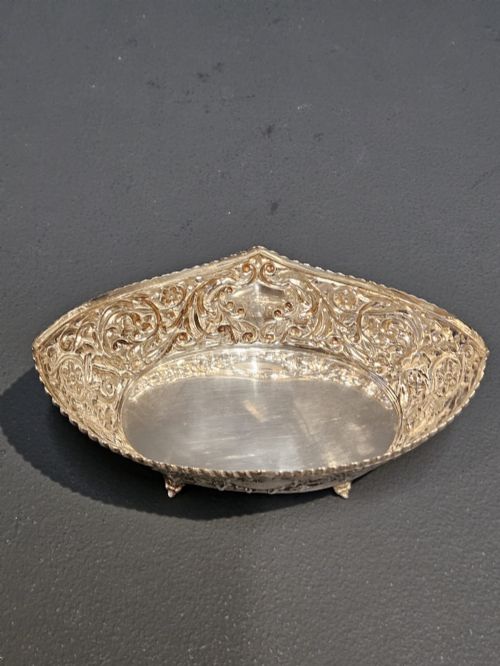
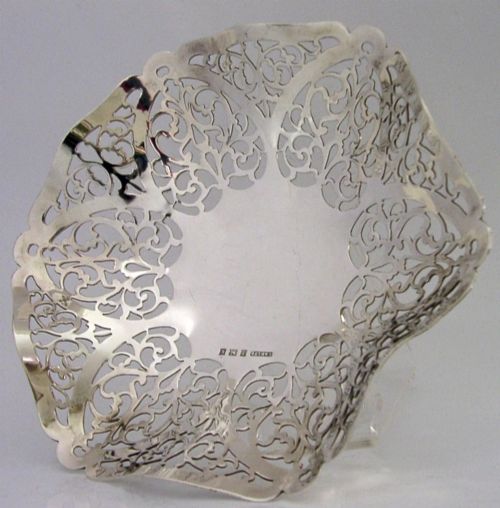
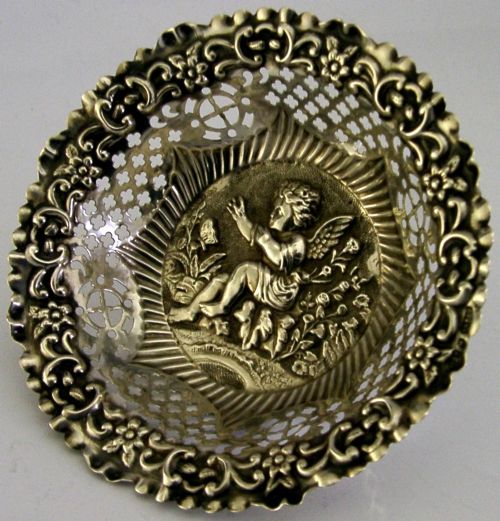
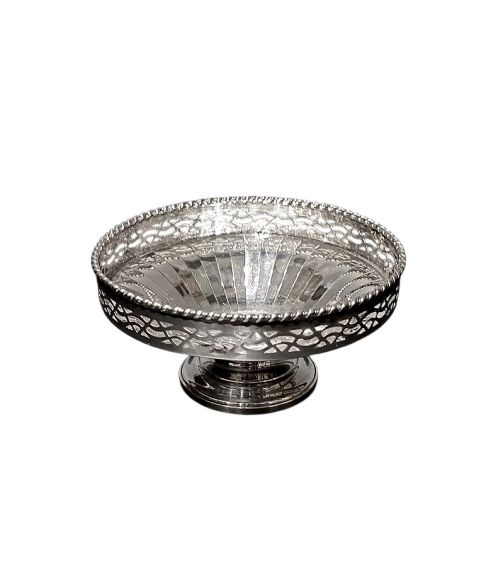
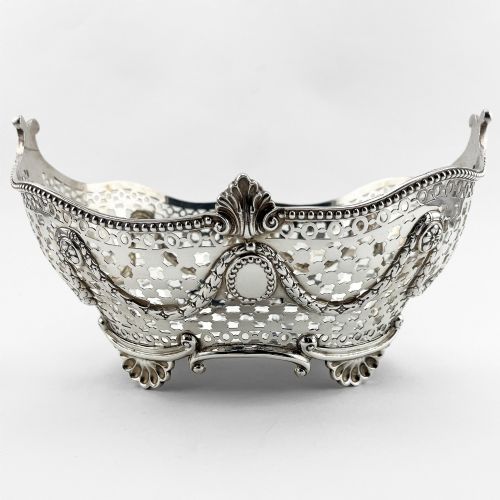
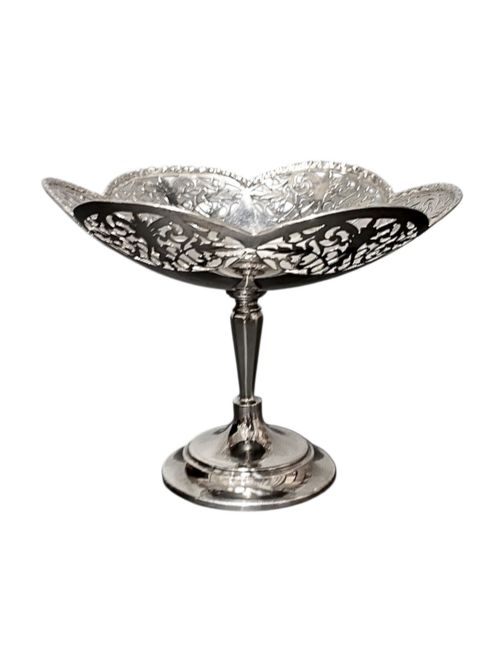
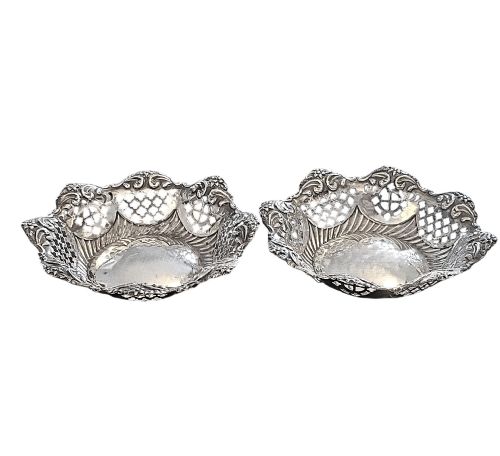
A silver pierce bowl encompasses openwork vessels, baskets, and dishes created across the Georgian, Victorian, and Edwardian periods. These forms range from small bonbon dishes and cream pails to large centrepiece bowls and fruit baskets.
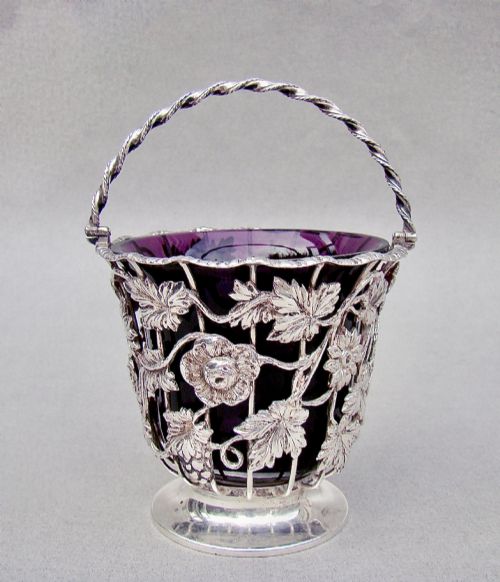
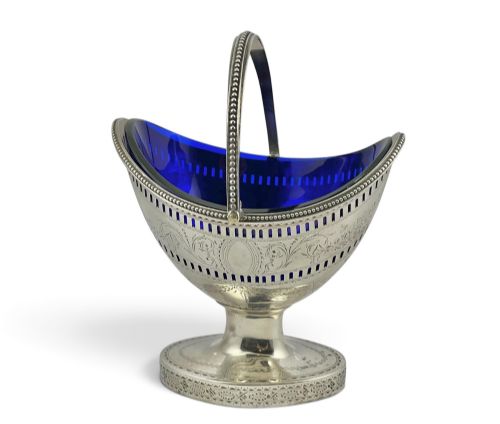
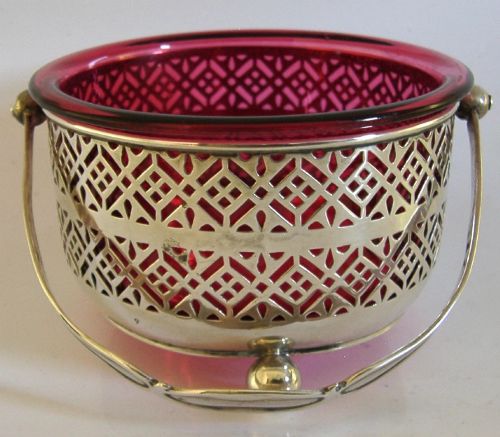
You are most likely to meet Edwardian and Victorian examples on this page, often rendered in sterling silver or silver plate with pierced lattice patterns. Many of these pieces were originally paired with coloured glass liners in cobalt blue, cranberry, or ruby.
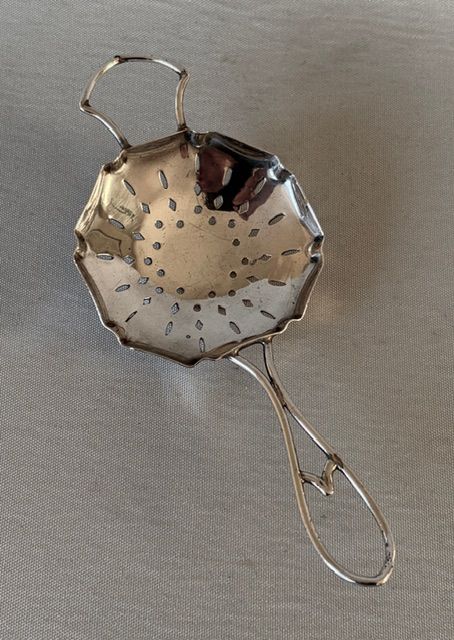
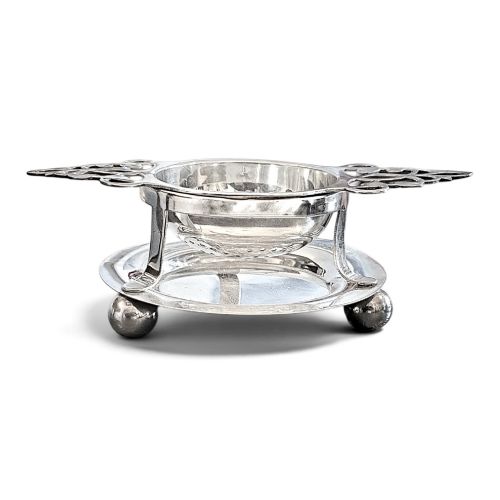
The assortment includes specialised forms such as sugar baskets, pot pourri boxes, and tea strainers alongside standard serving dishes. Their openwork walls allowed light to pass through the metal and illuminate the glass inserts or table surfaces beneath.
How they were made
Silversmiths utilised piercing techniques to cut decorative lattice patterns, floral scrolls, and geometric motifs out of sheet silver or plated metal. This delicate openwork reduced the weight of the vessel while creating intricate visual contrast against the solid rims and feet.
Many of these openwork vessels were fitted with blown glass liners in cobalt or cranberry glass, held securely within the metal framework. Makers also employed casting for handles, feet, and applied mounts, joining them to the pierced bodies with solder.
Silver Pierce Bowl Retail Price Guide 2026
Typical asking prices for silver pierce bowl among the pieces listed under this phrase on Sellingantiques today, from the lower quarter to the upper quarter. They describe what is for sale here now, not the wider market.
Materials span sterling silver, silver plate, pewter, and glass liners in cobalt and cranberry hues.
What varies in quality
The crispness of the piercing separates finer vessels from simpler production, as hand-cut lattice work exhibits sharper internal corners and cleaner margins than stamped alternatives. The gauge of the silver or the thickness of the silver plate over base metal determines the structural rigidity of the openwork walls.
The presence of original coloured glass liners, whether cobalt or cranberry, alters the integrity of the piece. Maker marks and clear town hallmarking on the sterling silver examples add documented provenance that distinguishes workshop production.
Synyer And Beddoes·Mitchell Bosley And Co·Hammond Turner And Sons·Thomas Bradbury And Sons·Aldridge And Green·Mappin And Webb·Walker And Hall·Elkington·Joseph Rodgers·Jeremiah Lee
The Silver Pierce Bowl Glossary
- Piercing
- The technique of cutting decorative patterns through sheet metal using a fine jeweler saw. This method creates the openwork lattice characteristic of baskets and bowls.
- Silver Plate
- A base metal substrate, commonly copper or EPNS, coated with a thin layer of silver. This process provided an accessible alternative to solid sterling silver.
- Bonbon Dish
- A small open vessel intended for holding sweets, nuts, or confectionery. These items frequently feature pierced decoration and swing handles.
- Glass Liner
- A fitted glass insert placed inside an openwork silver basket or bowl. They allowed liquids or moist foodstuffs to be served without contacting the metal.
- Sterling Silver
- An alloy consisting of silver and other metals, standardised at a purity proportion. It forms the primary precious metal material for these pieces.
Silver Pierce Bowl: Frequently Asked Questions
What is a silver pierce bowl used for?
These vessels functioned primarily as table containers for sweets, fruit, sugar, or pot pourri during formal dining and tea service.
The pierced metalwork allowed light to filter through the vessel, particularly when fitted with a coloured glass liner.
How do I care for silver with glass liners?
Remove the glass liner before cleaning the silver framework to prevent chemical reactions or trapped moisture between the materials.
Use non-abrasive silver polish on the metal and wash the glass inserts separately in warm soapy water.
How can I tell sterling silver from silver plate?
Examine the piece for hallmark stamps indicating the lion passant or standard purity marks associated with sterling silver assay offices.
Silver plate often lacks these official assay marks and may reveal base metal showing through worn areas.