

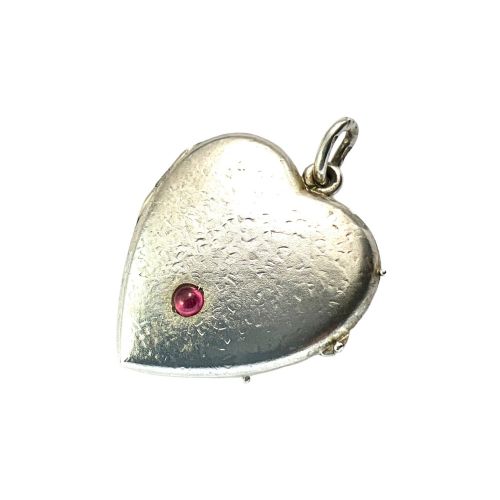


Silver Photo Locket
A silver photo locket holds your dearest portraits close, bringing Victorian and Edwardian sentiment right into the present day.
Silver Photo Locket
When you search for a silver photo locket, you encounter small hinged metal pendants designed to hold miniature portraits or locks of hair near the heart. These personal items date predominantly from the nineteenth and early twentieth centuries, spanning the Victorian and Edwardian periods.
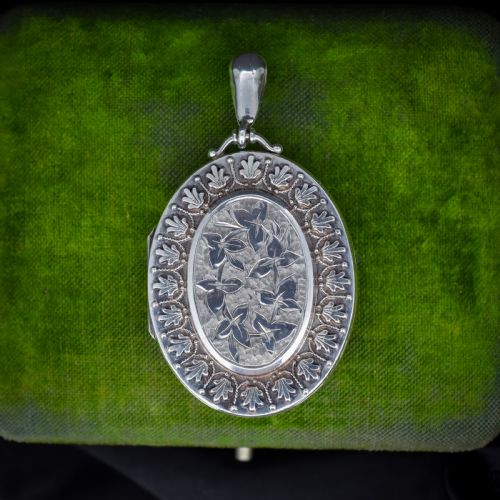
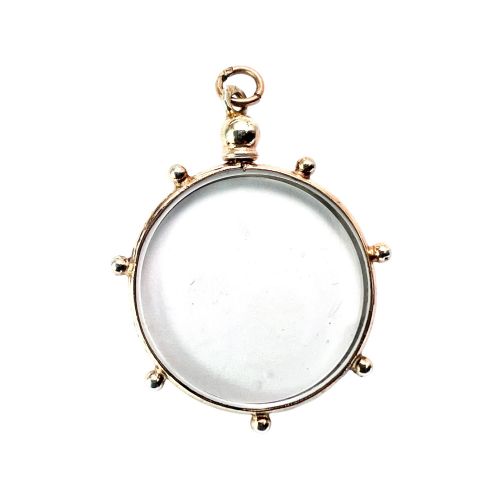
Makers of these pieces drew upon a rich vocabulary of ornament, producing items decorated with hand-engraved foliage, swallows, ivy, horseshoes, and bows. Many examples integrate glass fronts for visible display or hidden compartments behind secret panels.
Materials and methods
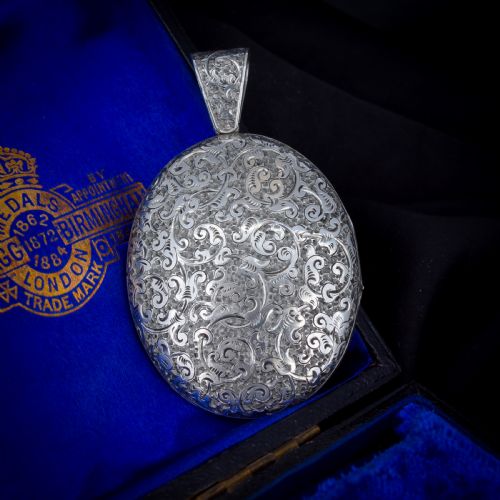
Silversmiths constructed these lockets primarily using sterling silver and solid silver, occasionally applying gold accents or gold on silver techniques for contrasting detail. Metal components were shaped by stamping, casting, or delicate filigree wirework.
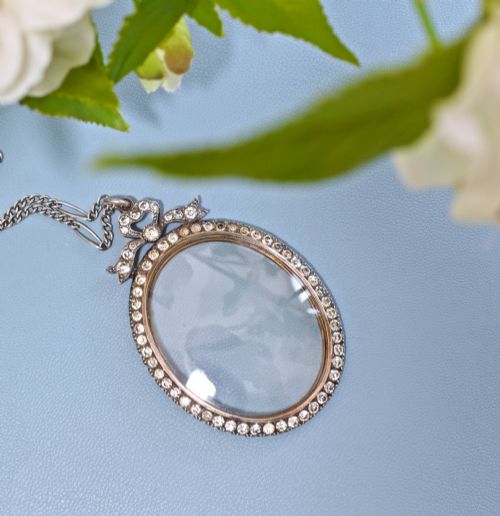
Surface decoration relied heavily on hand engraving, black enamel work, and applied gemstones such as seed pearls and paste stones. Interior frames often incorporated transparent glass panels designed to protect delicate paper photographs or painted miniatures.
Silver Photo Locket Retail Price Guide 2026
Typical asking prices for silver photo locket among the pieces listed under this phrase on Sellingantiques today, from the lower quarter to the upper quarter. They describe what is for sale here now, not the wider market.
Listings feature sterling silver, gold accents, glass, enamel, seed pearls, paste, and gemstones across Victorian and Edwardian periods.
Assessing quality
Quality in a silver photo locket rests upon the crispness of the hand-engraving and the structural integrity of the hinge and snap closure. Finer pieces display deep, detailed relief work depicting motifs like ivy leaves, swallows, or sunflowers rather than shallow, machine-pressed patterns.
The choice of supplementary materials elevates certain examples above standard production. The inclusion of genuine seed pearls, high-grade enamel, or secure glass bezels indicates a more ambitious commission from the maker.
MINSHULL & LATIMER·SAMPSON MORDAN
The Silver Photo Locket Glossary
- Sterling silver
- A silver alloy containing 92.5 percent pure silver and 7.5 percent other metals, usually copper, chosen for durability in jewellery. This standard metal appears across the vast majority of nineteenth-century lockets.
- Vesta case
- A small box or container originally designed for holding wax matches, occasionally adapted to incorporate a secret photograph frame. Several listed items combine this dual pocket function.
- Filigree
- Ornamental work consisting of fine wire, usually silver or gold, soldered together in delicate openwork patterns. This intricate technique creates a lace-like texture on specific antique pendant frames.
- Aesthetic Movement
- A late nineteenth-century design style that emphasised visual beauty over narrative or moral themes. Pieces from this period often display stylized natural subjects like swallows and asymmetrical arrangements.
Silver Photo Locket: Frequently Asked Questions
What size photographs fit inside?
Victorian and Edwardian lockets were made before standard photographic printing sizes, so portraits inside were usually trimmed by hand to fit the interior bezel. Miniature paper photographs or painted portraits on thin card are the traditional choice for these spaces.
To insert a new image, trace the shape of the interior metal rim onto your photograph using a pencil, then cut slightly inside the line with sharp scissors.
How do I date a silver locket?
Dating relies upon a combination of style, decorative motifs, and official hallmarks stamped into the metal. Victorian pieces often feature heavy floral engraving and black enamel, while Edwardian examples favour lighter paste stones and bow top rings.
Look for maker marks and assay office symbols stamped on the reverse or inside the rim. These registry marks can pinpoint the exact year of manufacture.
Can I wear a locket every day?
Wearing an antique silver locket daily is entirely possible with mindful care. Remove the pendant before swimming, showering, or participating in heavy physical work to protect the delicate hinges and glass panels.
Store the locket in a soft pouch away from other jewellery to prevent the engraved exterior from scratching against neighbouring chains.