

Silver Pedestal Centerpiece
A silver pedestal centerpiece anchors a dining table or sideboard with raised presence, displaying fruit, flowers, or fine wine.
Silver Pedestal Centerpiece
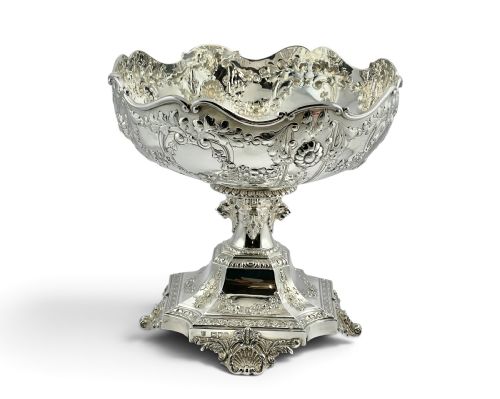
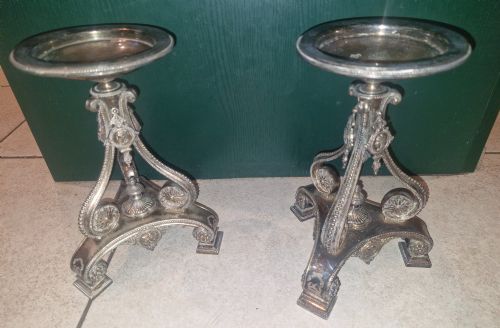
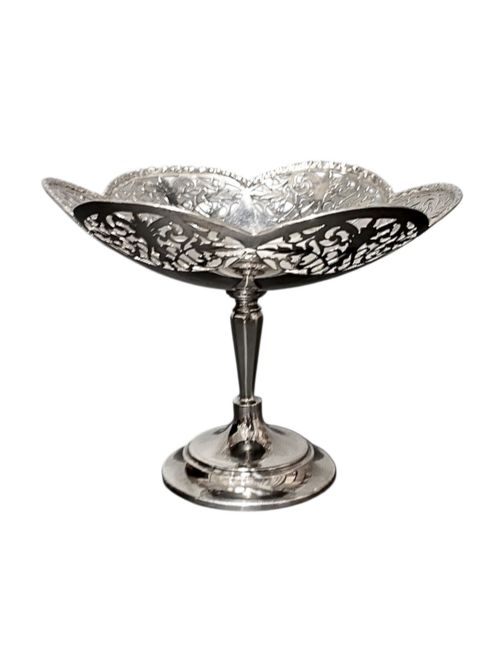
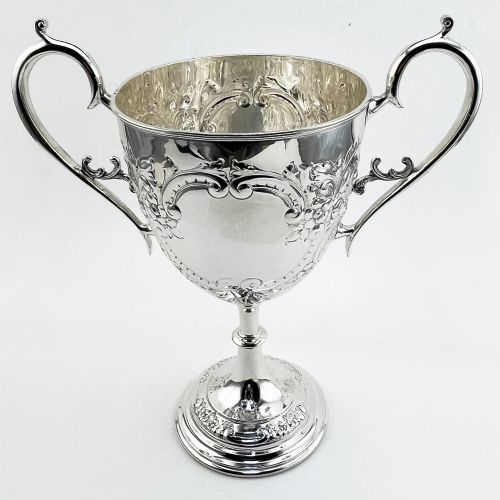
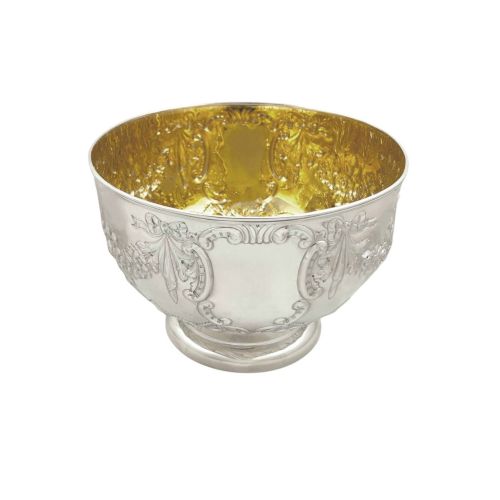
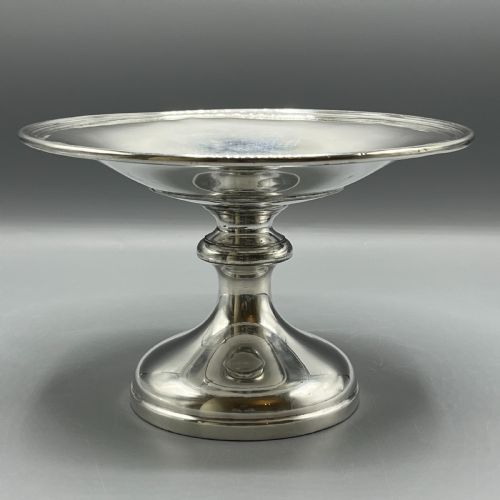
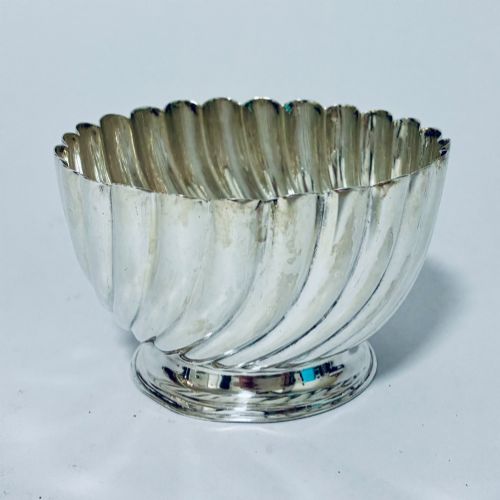
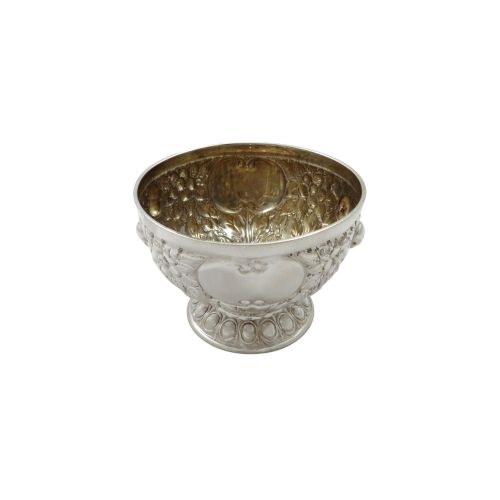
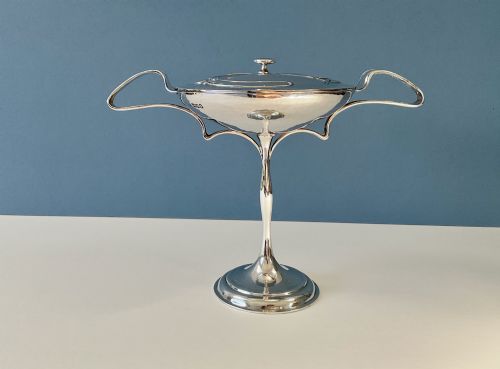
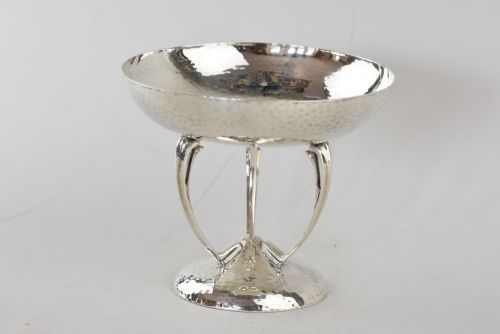
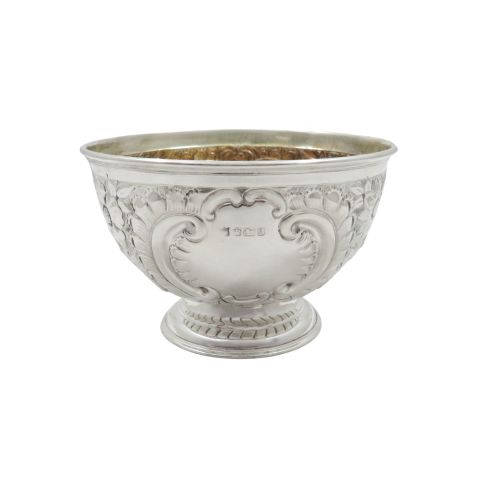
A silver pedestal centerpiece stands elevated upon a foot, stem, or base, functioning as a decorative vessel for fruit, flowers, or communal presentation. When searching for a silver pedestal centerpiece, buyers encounter varied forms spanning formal Victorian fruit baskets, Edwardian bowls, and Arts and Crafts tazzas.
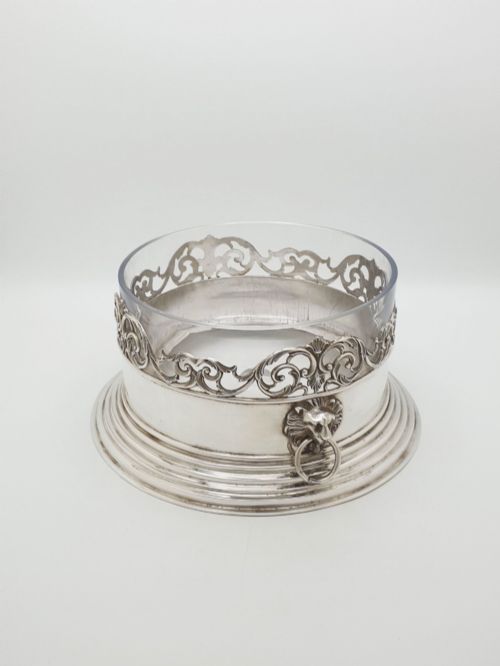
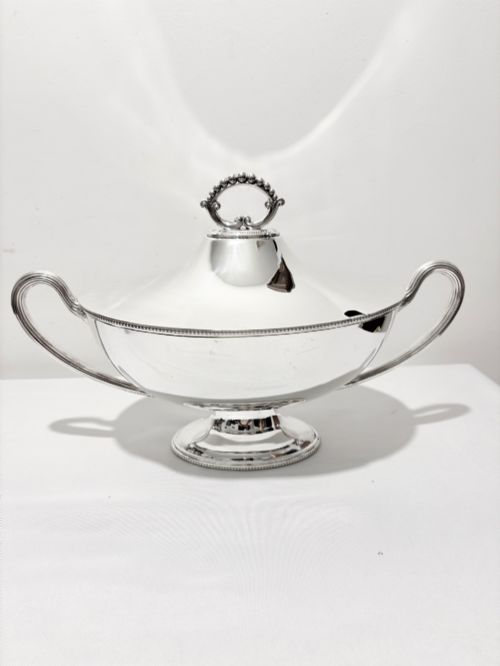
The selections on this page draw from 19th-century and 20th-century periods, capturing styles from Neo-Classical restraint to organic Art Nouveau and geometric Art Deco. Makers utilise diverse forms including tazzas, footed bowls, wine coolers, and handled fruit baskets raised above the surface.
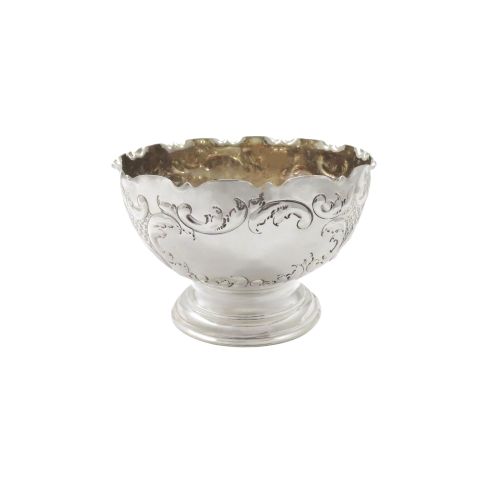
Victorian and Edwardian examples predominate, often decorated with pierced fretwork, embossed foliage, or chased repoussé detailing. These vessels served practical dining functions in period homes before evolving into purely decorative focal points.
How they were made
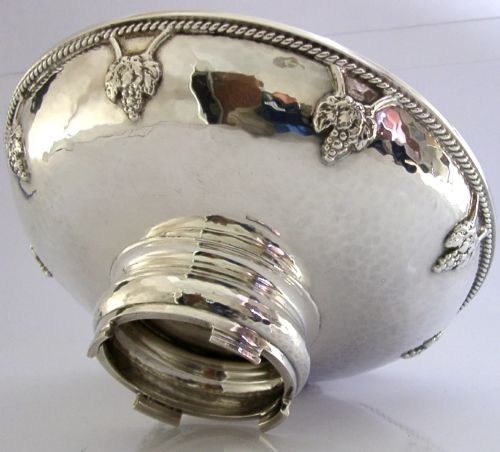
Silversmiths constructed these pieces using solid sterling silver or through plating techniques such as silver plating and electroplated nickel silver over base metals like copper and bronze. Master craftsmen employed hammering, piercing, and casting methods to shape the raised bowls and secure them firmly to weighted pedestal feet.
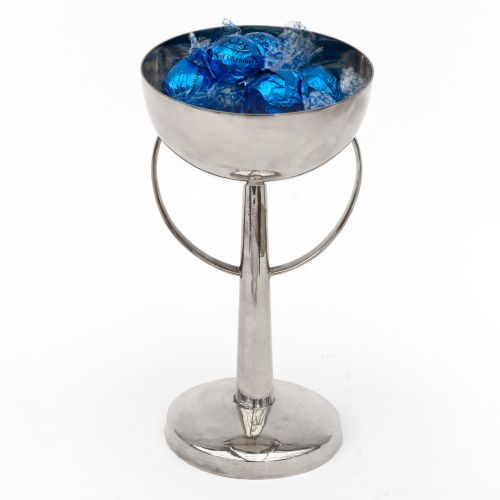
Decorative surfaces gained texture through hand-embossing, repoussé work, and intricate fretwork, sometimes complemented by fitted blue glass liners or internal gilding. Structural integrity required sturdy joins where the bowl met the central stem, ensuring balance for heavy contents like fruit or ice.
Silver Pedestal Centerpiece Retail Price Guide 2026
Typical asking prices for silver pedestal centerpiece among the pieces listed under this phrase on Sellingantiques today, from the lower quarter to the upper quarter. They describe what is for sale here now, not the wider market.
Some Edwardian punch bowls are so cavernous they could double as birdbaths, proving Victorians took their social gatherings very seriously indeed.
What varies in quality
Quality rests in the weight of the metal, the crispness of the chased or embossed detail, and the structural balance of the pedestal base. Substantial gauge silver or thick plate maintains structural integrity without bending under weight, whereas thinner vessels feel fragile to the touch.
Hand-finished ornamentation displays distinct depth and precision compared to mass-produced stamped decoration. Makers who invested time in pierced fretwork and clean solder joints created pieces that endure structurally and aesthetically over generations.
A E Jones·Goldsmiths and Silversmiths Company·George W. Scott and Sons Ltd·Nathan and Hayes·Charles Boyton·Joseph Rodgers·Mappin and Webb·Hammond, Creake and Co·James Deakin and Sons·Elkington and Co·Alexander Clarke and Co
The Silver Pedestal Centerpiece Glossary
- Tazza
- A shallow saucer-shaped dish or bowl mounted on a stem and foot. This form originates from Renaissance dining traditions and serves fruit or confectionery.
- Repoussé
- A metalworking technique where the artisan hammers the metal from the reverse side to form raised relief designs on the front. This method creates tactile, dimensional patterns of foliage and figures.
- Monteith
- A large bowl featuring a scalloped or notched rim historically used for chilling wine glasses. Glasses were hung by their bases in the notches with the bowls submerged in iced water.
- Electroplated Nickel Silver
- A base metal alloy of copper, nickel, and zinc coated with a layer of pure silver through electrolysis. This process provided an accessible alternative to solid sterling silver during the 19th century.
- Fretwork
- Ornamental design created by piercing or perforating sheet metal in intricate geometric or floral patterns. It lightens the visual weight of large silver baskets and bowls.
Silver Pedestal Centerpiece: Frequently Asked Questions
How were pedestal centerpieces used originally?
These vessels held fresh fruit, sweetmeats, or floral arrangements as the focal point of formal dining tables. Deeper versions functioned as wine coolers or punch bowls during large gatherings.
Hosts placed them centrally to display wealth and hospitality, often pairing them with matching side dishes or matching serving ladles.
How do I care for antique silver and silver plate?
Clean silver gently using a non-abrasive specialist polish and a soft cloth to remove tarnish without wearing away thin plating. Avoid harsh chemical dips that strip the natural patina accumulated over decades.
Store pieces in dry environments away from direct sunlight, and use cotton or flannel bags if storing them away for extended periods.
Can I use an antique pedestal bowl for serving food?
Solid silver and quality silver-plated bowls are generally safe for serving dry foods, fresh fruit, or wrapped sweets. Acidic foods like citrus fruits should not be left in contact with silver or plated surfaces for long periods.
Pieces with glass liners, such as cobalt inserts, offer practical containment for items that might otherwise react with the metal.