


Silver Novelty Barware
Silver novelty barware combines drinking vessels and bar tools with humorous or figurative forms that bring character to any collection.
Silver Novelty Barware
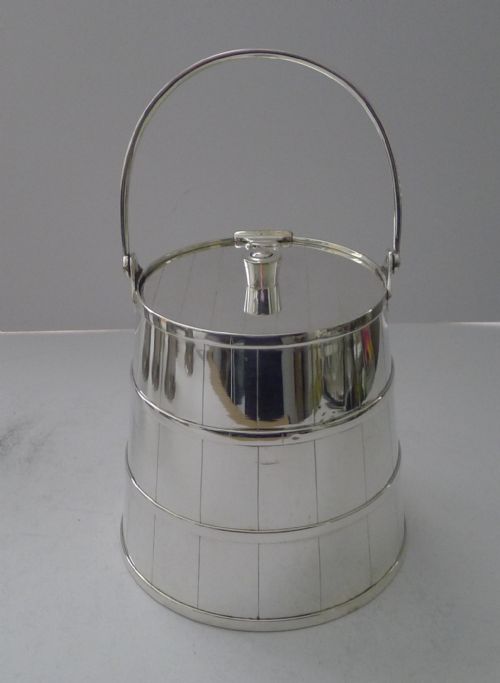
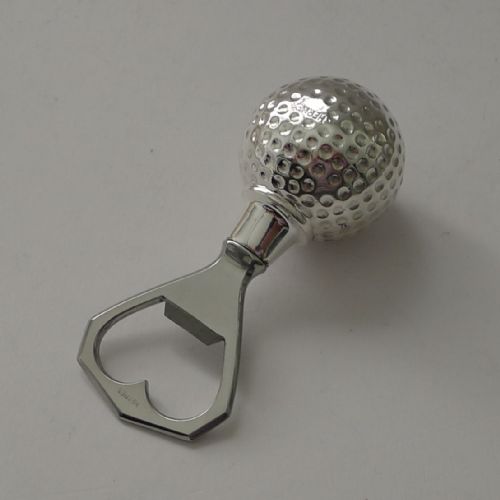
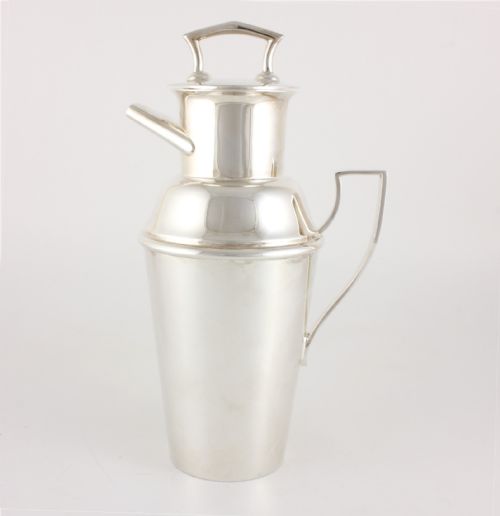
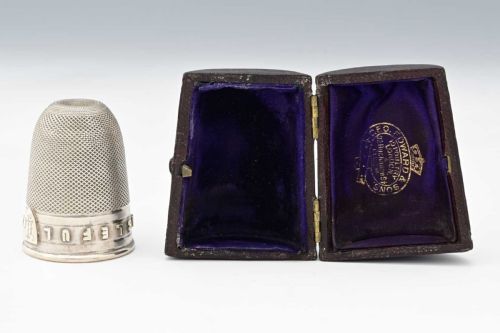
Silver novelty barware comprises functional items like cocktail shakers, ice buckets, bottle openers, decanters, and cocktail sticks shaped to resemble animals, everyday objects, and human figures. When exploring silver novelty barware, a buyer encounters pieces ranging from Victorian spirit barrels and thimble beakers to Art Deco milk churn cocktail shakers and golf ball bottle openers.
The selection draws on periods spanning the late nineteenth century through the mid-twentieth century, including Victorian, Edwardian, Art Deco, and Mid-Century Modern designs. Makers such as Asprey & Co, Hukin & Heath, Sudre, Valenti, and PH Vogel produced these imaginative objects in England, France, Italy, and Germany.
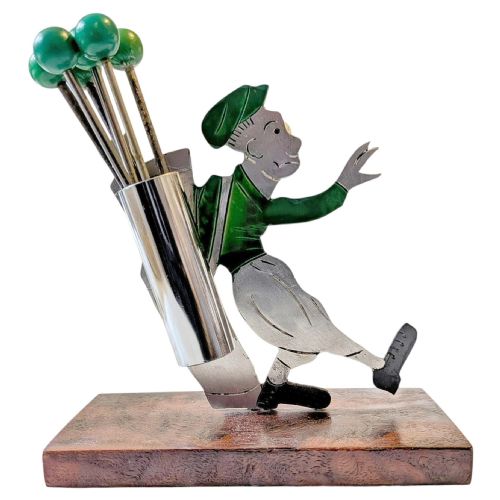
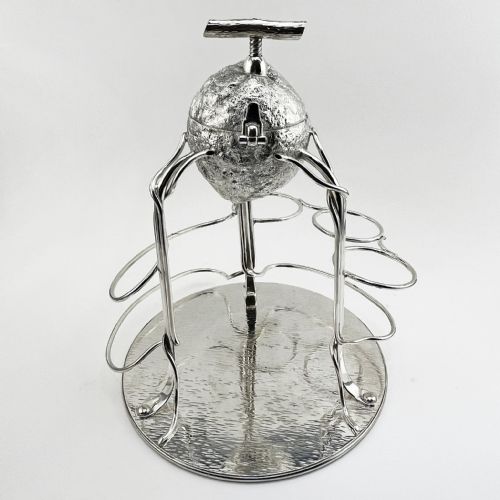
Forms vary from practical spirit barrels on carriages and cut-glass thistle decanters to whimsical cockerel cocktail shakers and comical golfer cocktail sticks. Each piece merges utility with sculptural wit, designed to serve drinks while sparking conversation.
Assessing Quality
Superior quality in these pieces rests upon the crispness of the casting and the ingenuity of the mechanism, whether it is a working spigot on a spirit barrel or the tight fit of a cocktail shaker lid. Finer examples display meticulous hand-chased detail on figurative elements like boars' heads, thimbles, and thistles rather than soft, mass-produced stamping.
The integration of mixed materials also dictates distinction, noting how securely glass barrels fit into their metal carriages and how cleanly enamel is applied to surfaces. Maker marks from established firms like Asprey or Hukin & Heath indicate superior workshop standards and enduring construction.
Listings in this category span eight decades, stretching from the Victorian era through Art Deco and Mid-Century Modern design.
Asprey & Co·Hukin & Heath·Sudre·PH Vogel·Valenti
The Silver Novelty Barware Glossary
- Silver Plate
- A base metal coated with a thin layer of silver through electroplating or older processes. This technique allowed makers to produce large figurative barware pieces at a more accessible cost than solid sterling silver.
- Barware
- Utensils and vessels used for preparing, serving, and storing alcoholic beverages. In this category, standard tools take whimsical shapes such as golf balls, thimbles, and bullets.
- Decanter
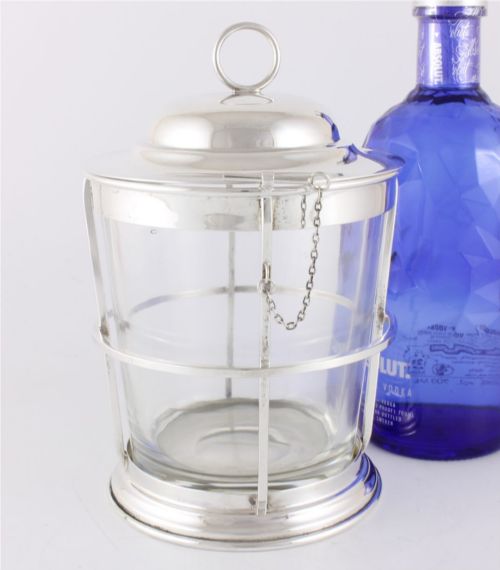
- A vessel used for holding and serving decanted liquids, particularly wine or spirits. Novelty versions often adopt forms like champagne bottles or Scottish thistles.
- Cocktail Sticks
- Small picks used for skewering garnishes such as olives or cherries in mixed drinks. They are frequently housed in novelty stands featuring comical figures or Bakelite and chrome holders.
- Tot Pail
- A small bucket or measure used for serving individual shots of spirits. They often accompany larger barrel dispensers in Victorian and Edwardian drink sets.
Silver Novelty Barware: Frequently Asked Questions
How were spirit barrels used?
Spirit barrels held liquors like whiskey, gin, and brandy, serving as table or sideboard dispensers in nineteenth and twentieth-century homes. They often rested on carriages or stands and featured small spigots for pouring individual measures into tot pails.
Multiple barrels were sometimes combined in triple spirit sets to offer guests a choice of different liquors from a single apparatus.
How do I date these pieces?
Dating relies on stylistic markers, materials, and maker marks stamped into the metal. Victorian pieces often feature naturalistic forms like thistles and barrels with elaborate engraving, while Art Deco items lean towards streamlined geometry, enamel, and stylised animal figures.
Mid-Century examples introduce materials like chrome and Bakelite alongside abstract or whimsical representations of animals and sports.
How do I clean silver plated barware?
Cleaning requires gentle care with a soft cloth and a specialised silver polish formulated for plated items to avoid wearing away the thin silver layer. Enamelled or glass components should be washed separately with mild soap and warm water, keeping moisture away from glued or fitted metal mounts.
Regular dusting and minimal polishing help preserve both the finish and any applied enamel details.