



Silver Mounted Stick
A silver mounted stick carries personal history in its metal collar and polished shaft, offering both daily support and distinct character.
Silver Mounted Stick
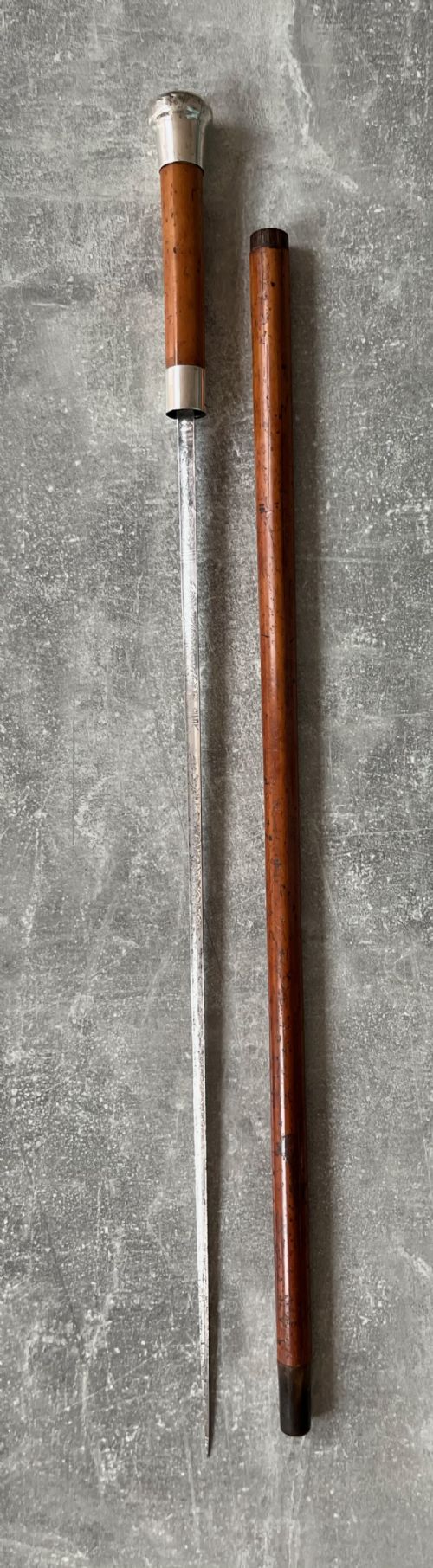
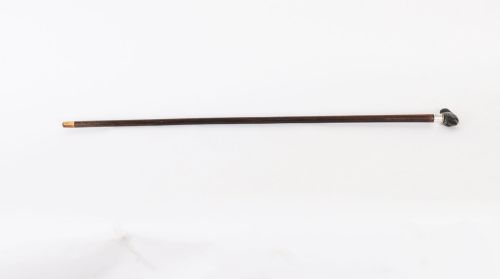
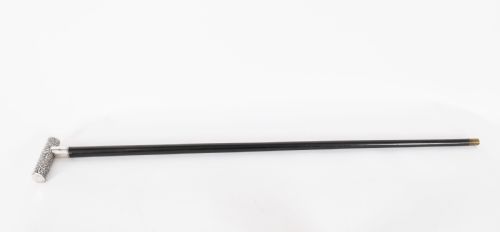
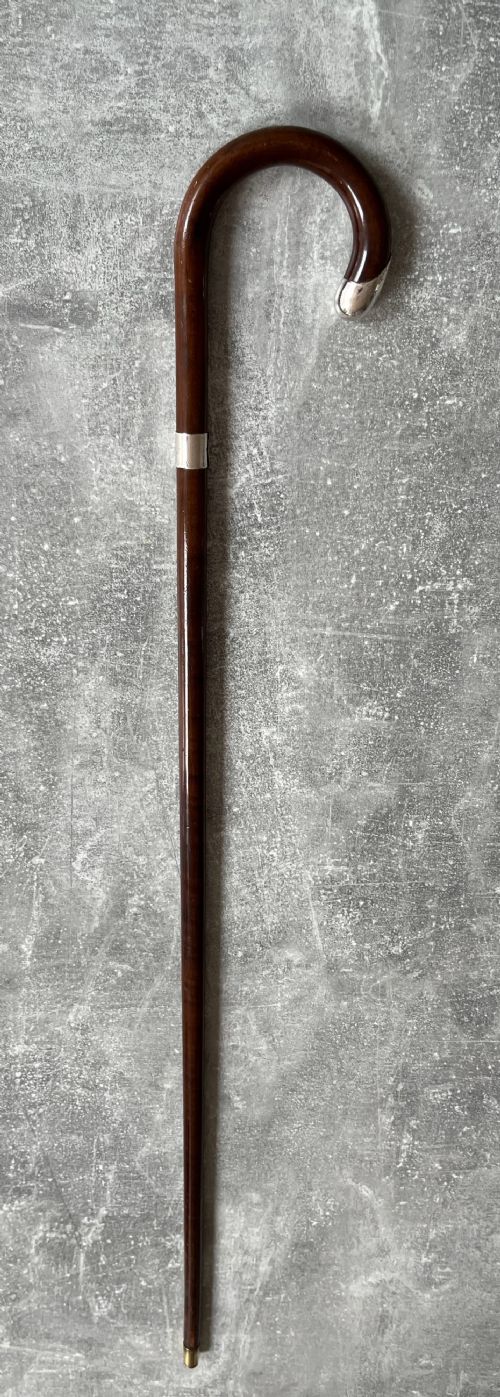
A silver mounted stick encompasses a diverse group of practical items, ranging from gentleman's walking canes and sword sticks to domestic barometers mounted on timber boards. You are most likely to encounter walking sticks and canes fitted with silver collars or knops, alongside Georgian and Regency mahogany stick barometers.
The selection spans the nineteenth century through the Edwardian era and the nineteen-thirties, reflecting both Victorian formal habits and later novelty designs. Materials include malacca, ebony, palm wood, chestnut, and mahogany, paired with silver, brass, and steel.
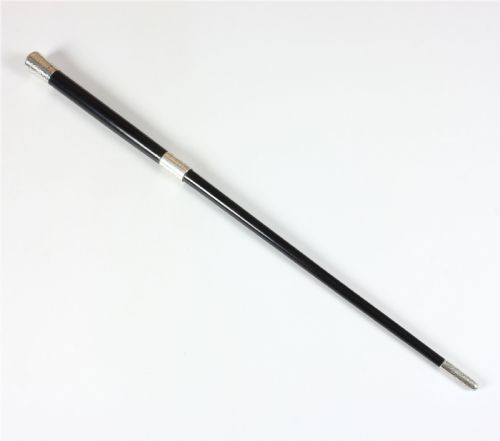
Beyond standard walking aids, the inventory includes specialised forms such as choir conductor batons, gadget canes with snuff box handles, and barometers signed by regional makers. Each piece demonstrates the integration of precious metal mountings with functional wooden shafts.
Materials and construction
The construction of a silver mounted stick relies on pairing dense hardwoods like mahogany, ebony, and malacca with fitted silver collars, knops, or handles. Metal mounts are often hallmarked to indicate the year and place of assay, securing the upper grip to the timber shaft.
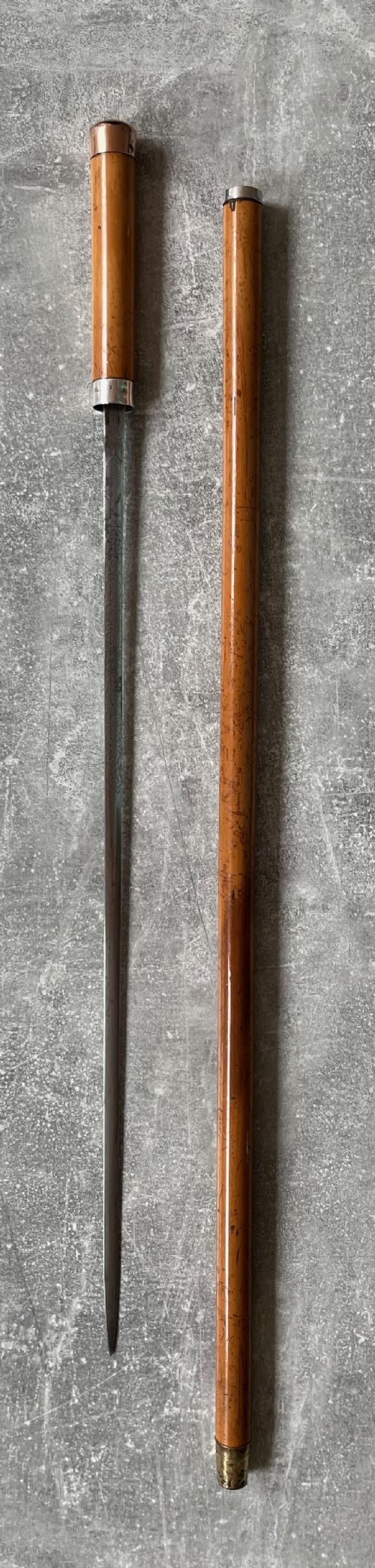
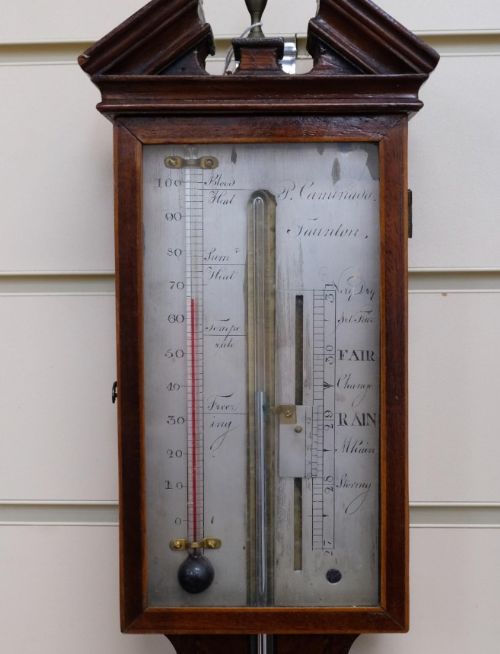
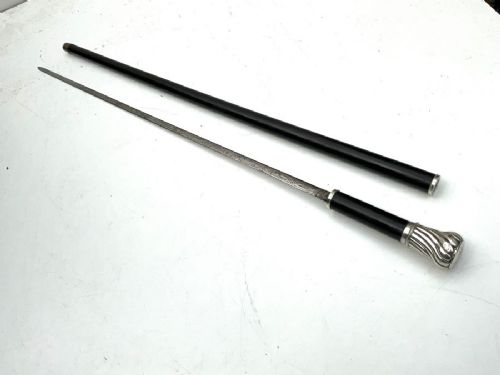
Blades housed within sword sticks utilise steel, frequently supplied by makers such as Wilkinson, fitted discreetly beneath the wooden exterior. Barometers employ glass tubes and mercury reservoirs mounted onto shaped mahogany cases, sometimes accompanied by brass indicators.
Several walking sticks double as secretive companions, hiding snuff boxes, four-leaf clover motifs, or carved parrot heads beneath their silver mounts.
Factors of quality
Quality in a silver mounted stick rests upon the weight and purity of the silver mount, the choice of timber for the shaft, and the integrity of any hidden mechanism. Substantial silver work and well-figured woods indicate superior workshop production.
Makers' signatures on barometer dials or etched sword blades elevate an example above anonymous domestic items. The precision of the joinery between metal collar and wooden shaft determines the overall durability and finish.
Wilkinson·P. Caminada·Sandrino·Malacrida
The Silver Mounted Stick Glossary
- Knop
- A rounded knob or handle at the top of a walking stick, often cast in silver. It provides the main gripping surface for the user.
- Sword stick
- A cane fitted with a concealed steel blade within the wooden shaft. These items combine the appearance of a standard walking aid with a hidden weapon.
- Stick barometer
- A domestic weather-measuring instrument featuring an open tube of mercury fixed to a vertical wooden board. Georgian and Regency examples often display arched or broken pediment tops.
Silver Mounted Stick: Frequently Asked Questions
What is a silver mounted stick?
A silver mounted stick is a walking cane, barometer, or baton featuring decorative or structural silver collars, handles, or mountings. These items combine utility with ornamental metalwork.
Most examples date from the nineteenth and early twentieth centuries, utilising hardwoods like malacca and mahogany paired with hallmarked silver elements.
How do I identify a sword stick?
A sword stick typically resembles a standard walking cane until the locking mechanism or collar is released to reveal an internal steel blade. Many of these blades carry maker marks near the hilt.
These pieces were carried by gentlemen for personal defence during the Victorian and Edwardian periods.
What woods were used for walking sticks?
Common timbers include dense tropical hardwoods such as malacca, ebony, and mahogany, alongside native woods like chestnut and palm. Natural root forms were also selected for rustic appeal.
The choice of wood governed the flexibility and weight of the cane during daily use.
How do stick barometers function?
Stick barometers measure atmospheric pressure using a column of mercury sealed within a glass tube attached to a mahogany backboard. A sliding vernier scale allows the user to read changes in pressure.
These instruments were mounted indoors in domestic halls or libraries to forecast weather conditions.