

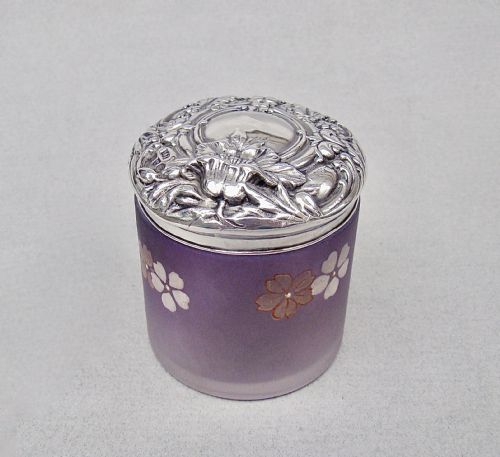


Silver Mounted Jar
A silver mounted jar brings together precious metal and glass or ceramic to hold everything from perfume to biscuits.
Silver Mounted Jar
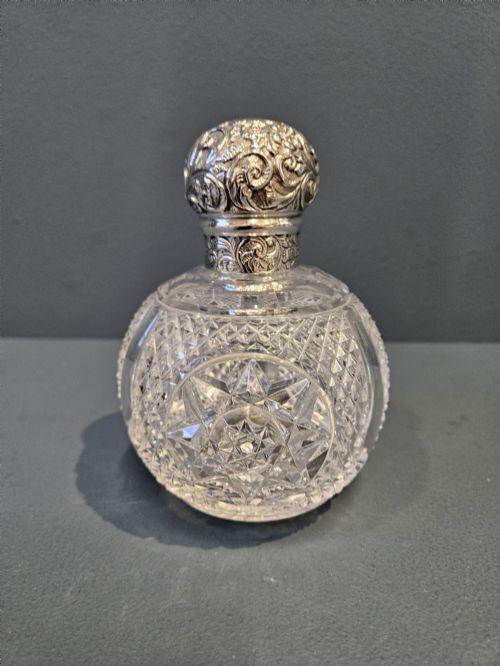
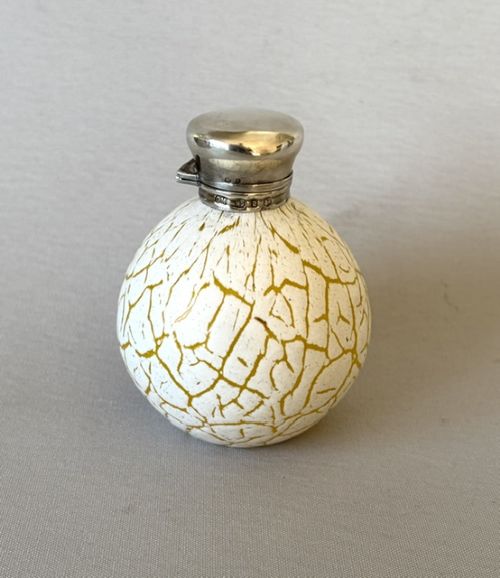
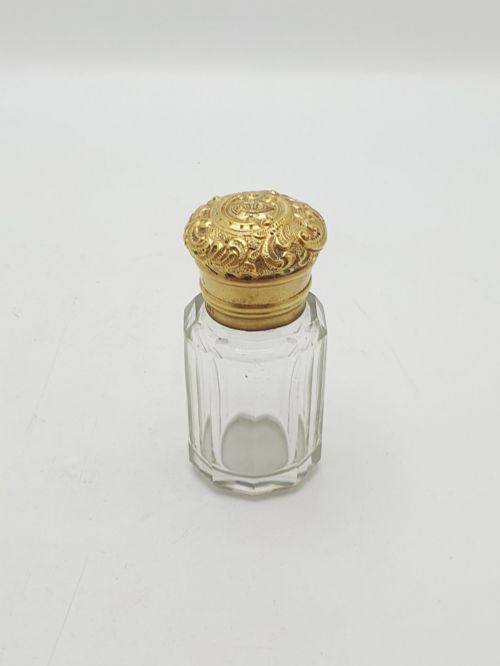
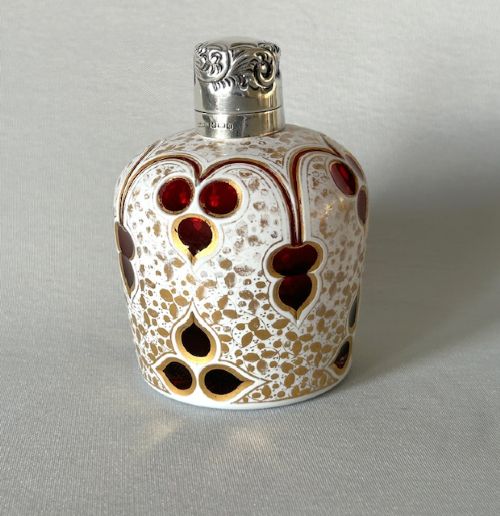
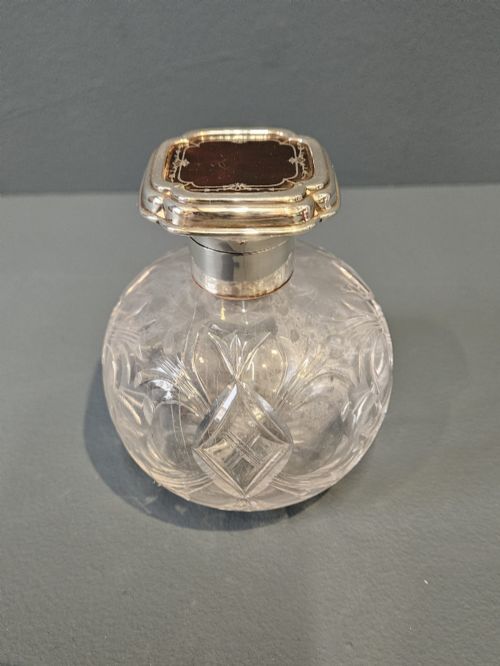
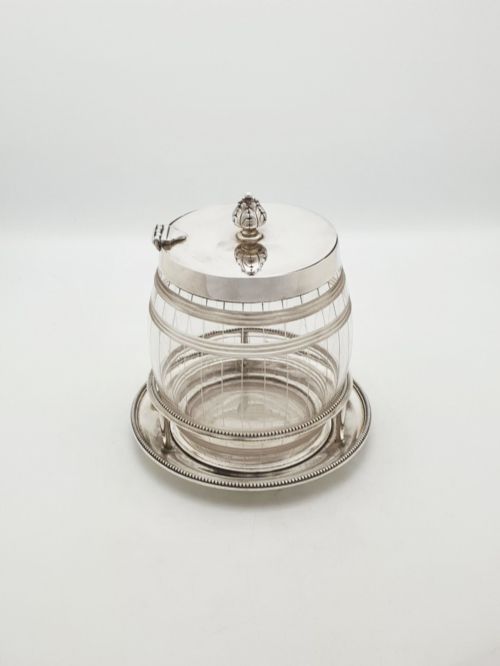
When you search for a silver mounted jar, you encounter a diverse group of containers designed for the dressing table, desk and dining room. The most common versions on this page combine cut glass or crystal bodies with sterling silver or silver plated lids, collars and mounts.
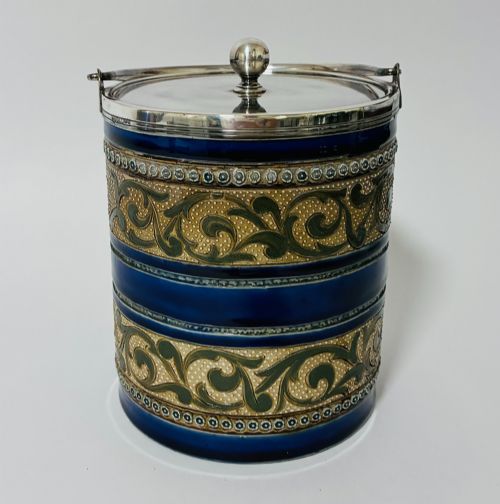
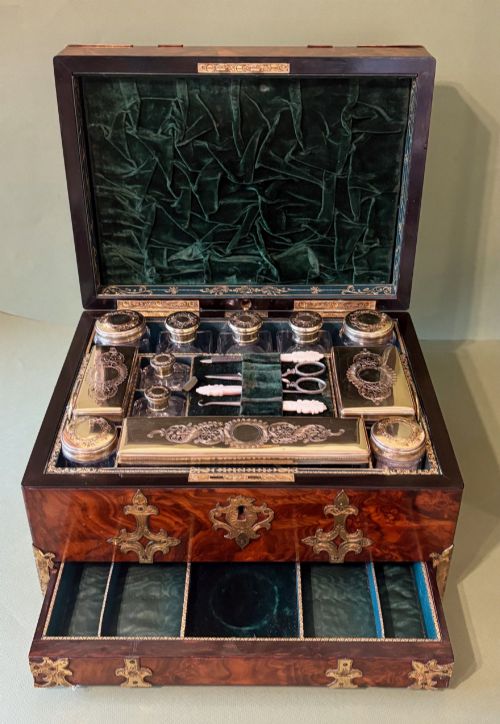
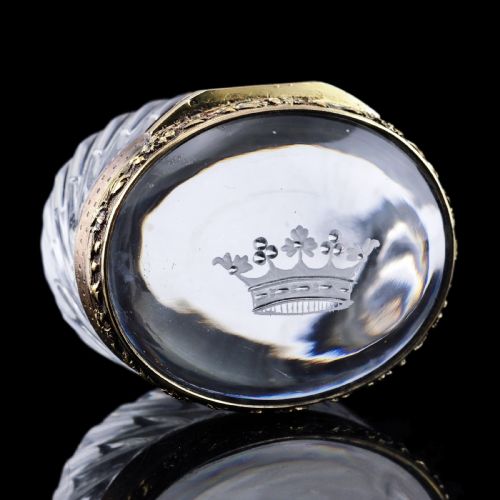
The selection spans scent bottles, vanity jars, biscuit barrels, trinket boxes and preserve jars from the Victorian, Edwardian and Art Deco periods. Alongside British examples from London, Birmingham and Chester, the listings include continental crystal boxes and terracotta vessels with metal mounts.
These items served practical functions in domestic life, housing cosmetics, tobacco, tea or food while displaying decorative craftsmanship. Their survival reflects the durability of thick glass bodies paired with sturdy metal collars.
How they were made
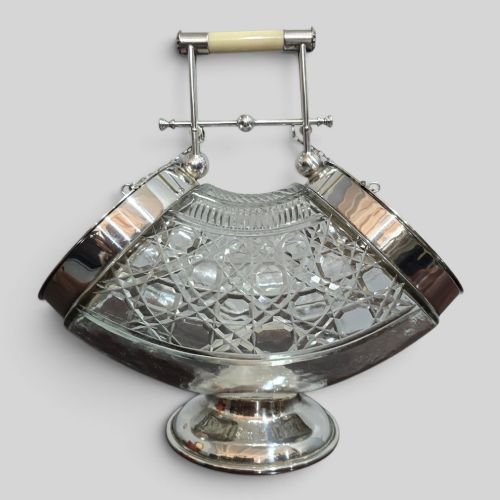
Makers utilised heavy mould-blown or hand-cut glass and crystal, often employing hobnail cutting or overlay techniques to create faceted surfaces that caught the light. Vessels were also formed from ceramic bodies such as Doulton Lambeth stoneware, terracotta and English oak.
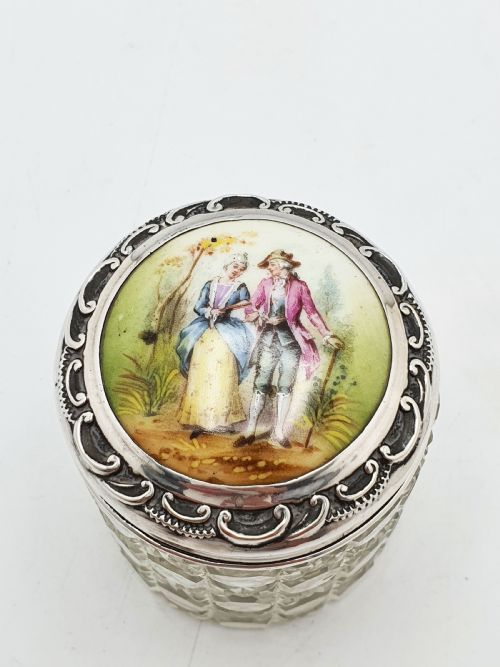
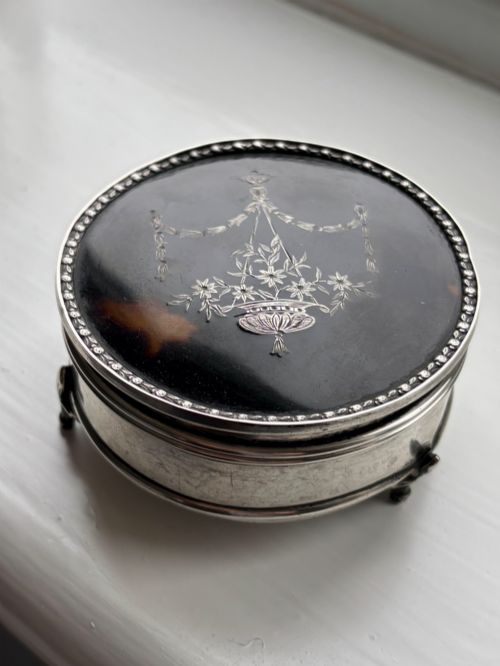
Silver mounts, collars and lids were shaped from sterling silver or silver plate, frequently bearing hallmarks that record the assay office and year of production. Artisans incorporated decorative elements including guilloche enamel, tortoiseshell panels, hand-painted porcelain plaques and brass cabochons.
Silver Mounted Jar Retail Price Guide 2026
Typical asking prices for silver mounted jar among the pieces listed under this phrase on Sellingantiques today, from the lower quarter to the upper quarter. They describe what is for sale here now, not the wider market.
Object forms span scent bottles, biscuit barrels, vanity jars, and preserve pots originating from British, French, and German makers.
What varies in quality
The distinction between standard domestic items and superior examples lies in the weight and depth of the glass cutting and the thickness of the metal mounts. Finer pieces display crisp facets on the crystal and substantial gauge silver rather than thin, easily dented plating.
Attention to secondary materials separates ordinary production from exceptional work. The inclusion of genuine tortoiseshell, complex guilloche enamel, hand-painted porcelain plaques or maker-marked silver elevates a piece beyond a simple utility container.
Ollivant and Botsford·Elkington·Hasset and Harper·Posen of Frankfurt and Berlin·Barnsley and Co·Adie Brothers Ltd
The Silver Mounted Jar Glossary
- Hallmark
- Official stamps pressed into precious metal indicating the assay office, standard of purity and year of manufacture. These marks provide precise dating for the silver mounts.
- Guilloche enamel
- Decorative metalwork covered with translucent enamel over an engine-turned geometric pattern. This technique adds vibrant colour and texture to lids and box tops.
- Hobnail cut
- A sharp, geometric glass-cutting pattern featuring rows of protruding diamond-shaped pyramids. It creates a heavily faceted surface common on Edwardian crystal.
- Silver plate
- A layer of silver fused or electroplated onto a base metal such as copper or brass. It offered an affordable alternative to solid sterling silver.
- Tortoiseshell
- The mottled brown and amber shell of the hawksbill turtle, utilised for inlay and lids on dressing table boxes. Its warm tones contrast with polished silver.
Silver Mounted Jar: Frequently Asked Questions
What were silver mounted jars used for?
These containers held personal grooming products, cosmetics, perfumes and foodstuffs in the home. Dressing table examples contained powders and liquids, while larger vessels served biscuits, tea and preserves.
Their placement ranged from the bedroom vanity to the dining sideboard, combining secure storage with decorative display.
How do I date a silver mounted jar?
The most reliable method is reading the hallmarks stamped into the metal mounts, which reveal the assay office and the exact year of production. Stylistic clues such as Art Deco geometric lines or Victorian floral engraving also help determine the era.
Glass cutting styles and secondary materials like tortoiseshell or enamel provide further confirmation of the period.
Are silver mounts solid silver?
Mounts on these pieces can be either solid sterling silver or silver plate over a base metal. Hallmarks with symbols like a lion passant on British pieces indicate solid sterling silver.
Items marked as silver plate utilise a thin coating of silver over a durable metal substructure, common in biscuit barrels and heavy utility containers.
How should I clean silver and glass?
Glass bodies benefit from warm soapy water and a soft cloth to restore clarity to cut facets. Care must be taken to keep moisture away from glued joints or organic elements like tortoiseshell and enamel.
Silver mounts require a gentle polish formulated for precious metals, applied carefully to avoid staining adjacent glass or enamel surfaces.