




Silver Metalware
Silver metalware spans centuries of domestic and decorative utility, encompassing everything from Georgian Old Sheffield plate to Art Nouveau pewter.
Silver Metalware
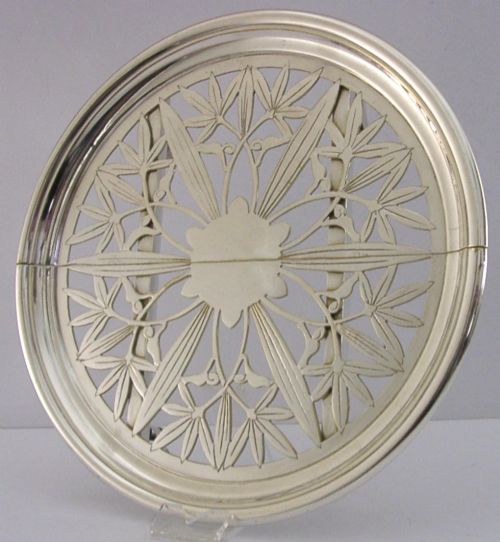
Silver metalware comprises functional and decorative objects created from solid silver, silver plate, Old Sheffield plate, pewter, copper, brass, and white metal. Buyers searching for silver metalware encounter a broad array of forms ranging from candlesticks and chargers to ewers, jugs, and flatware. The pieces date from the seventeenth century through the Art Deco era, reflecting distinct stylistic movements like Arts and Crafts, Art Nouveau, and Chinese Export.
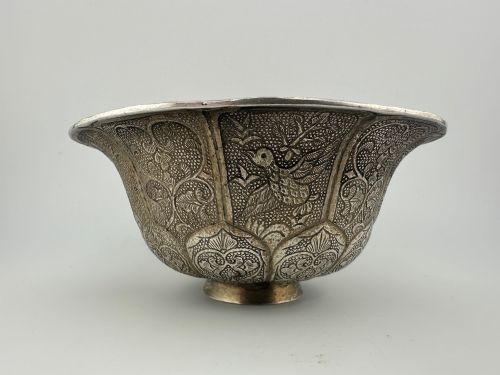
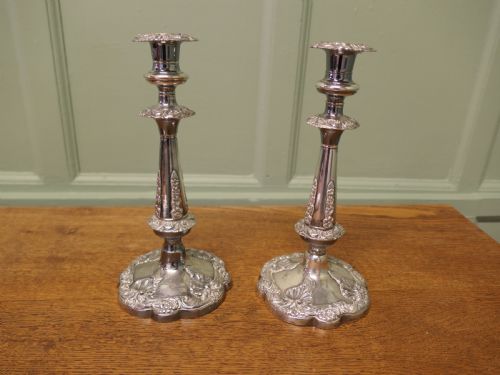
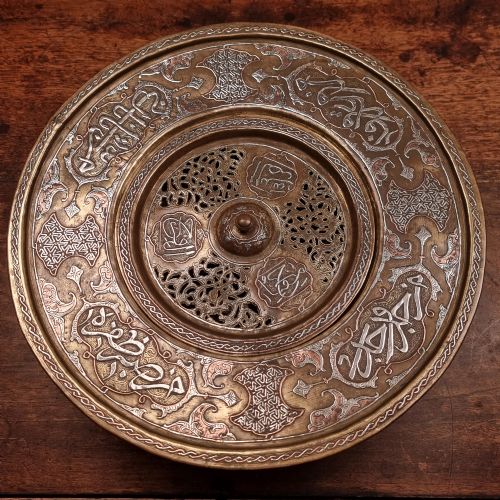
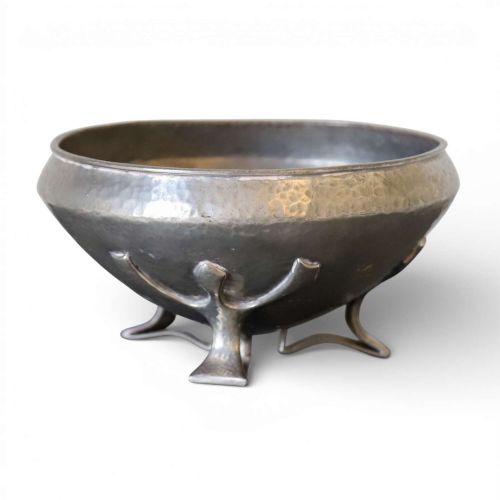
The most frequent items met on this page include Georgian Old Sheffield plate vessels, Victorian silver plated candlesticks, and continental or British pewter plates and chargers. Alongside these are specialised items such as Islamic silver inlaid copper dishes, Chinese white metal bowls, and Art Nouveau pewter pieces by makers like WMF. Each object demonstrates the dominant material techniques and aesthetic preferences of its specific period of production.
Materials and Techniques
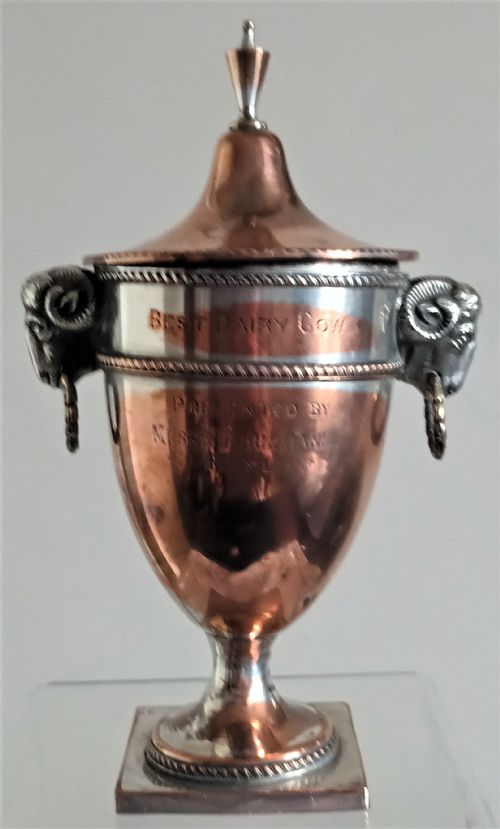
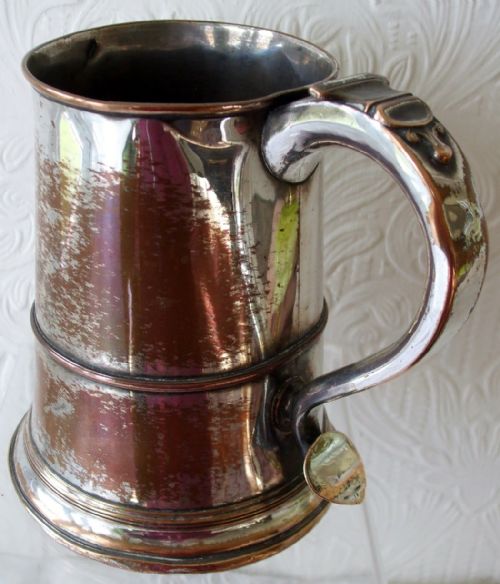
Old Sheffield plate was produced by fusing a sheet of silver to a thicker copper base, creating durable vessels and candlesticks with a rich metallic sheen. Pewter pieces were cast using tin alloys combined with lead, copper, or antimony, then hammered or turned on a lathe to achieve smooth finishes and plain rims. Silver plating on later items involved electroplating silver onto base metals such as Britannia metal or nickel copper.
Inlaid metalware utilised meticulous hand-chiselling on bronze, brass, or copper surfaces, followed by the insertion of fine silver and copper wire to form intricate decorative motifs. Paktong objects employed a copper-nickel-zinc alloy originating in China, prized for its bright silver-like appearance without the need for plating. Silversmiths and pewterers shaped these various alloys through casting, raising, and soldering, finishing surfaces with patination or burnishing.
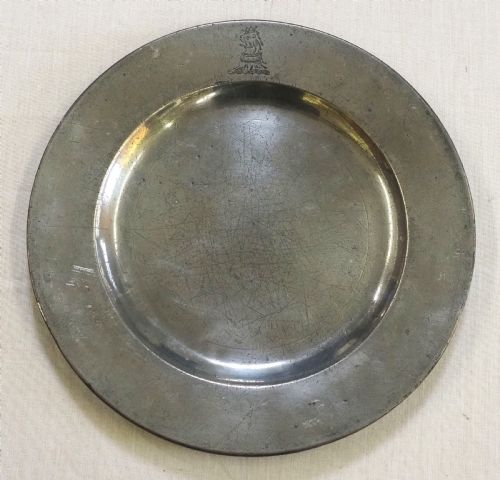
Several items retain detailed crests and coats of arms, suggesting previous owners wanted their dinnerware firmly marked as family property.
Evaluating Quality
Quality in silver metalware depends on the crispness of the original casting, the precision of hand-finishing, and the integrity of applied decoration such as wire inlay or crest engraving. Early pewter plates and chargers show superior quality when hammer marks are even and touchmarks are clear and legible. In Old Sheffield plate and electroplate, the primary distinction lies in how well the outer silver layer has resisted wear over the underlying base metal.
Design sophistication also dictates the standard of a piece, separating utilitarian wares from exhibition items produced by prominent firms and workshops. Art Nouveau and Arts and Crafts examples achieve distinction through sculptural fluidity in handles and mounts, such as cast maiden figures or organic plant motifs. Preserved original patination and minimal structural alteration elevate the desirability and historical standing of any item.
Christofle·Liberty & Co·Oliver Baker·James Spackman·Henry Bourne·Elkington Mason·WMF·Beldray Ltd·Thomas Templeman·Sue et Mare
The Silver Metalware Glossary
- Old Sheffield Plate
- A composite material made by fusing silver and copper together under heat, developed in the eighteenth century before the invention of electroplating.
- Paktong
- A historical copper-nickel-zinc alloy from China that mimics the appearance of solid silver and was used for items like eighteenth-century candlesticks.
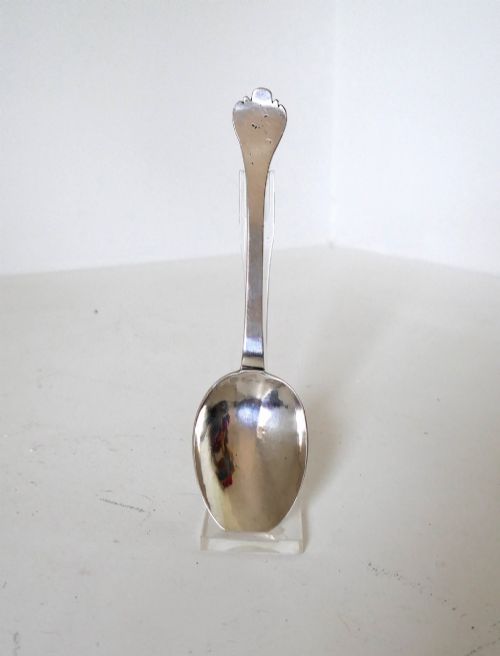
- Trefid Spoon
- An early form of eating spoon featuring a broad, notched flat handle, common during the late seventeenth century under Charles II.
- Electrotype
- A replica or object formed through the electrolytic deposition of silver or copper onto a mould, producing detailed relief work typical of the Victorian period.
- Cairoware
- Nineteenth and early twentieth-century brass, copper, and mixed metal vessels featuring intricate silver and red metal inlay, inspired by Islamic metalwork.
Silver Metalware: Frequently Asked Questions
What is Old Sheffield plate?
Old Sheffield plate is an early form of composite metal created by fusing a thin layer of sterling silver onto a thick copper core. This technique allowed makers to produce tableware and candlesticks with the appearance and durability of solid silver at a lower cost.
Items made this way often reveal a faint line of copper along exposed edges or wear points where the silver sheet has thinned over generations of polishing.
How do I care for pewter?
Pewter requires gentle cleaning with warm soapy water and a soft cloth to preserve its characteristic soft grey surface. Avoid harsh chemical polishes and abrasive pads, which can strip away the historical patination accumulated over centuries.
Store pewter in a dry environment to prevent corrosion and oxidation, ensuring it rests safely without bearing heavy loads that might distort its softer metal structure.
What is cairoware?
Cairoware describes nineteenth-century Middle Eastern and European Grand Tour metalware featuring dense silver and copper wire inlay on brass or copper surfaces. These pieces draw on Mamluk and Islamic design traditions, incorporating Arabic calligraphy and geometric scrollwork.
European firms and Middle Eastern workshops produced these decorative bowls and chargers for collectors seeking exotic decorative objects during the Victorian era.
How do I identify paktong?
Paktong is a traditional Chinese copper-nickel-zinc alloy that resembles silver but exhibits a harder, slightly colder metallic tone. It was exported to Europe primarily during the eighteenth century for the manufacture of luxury candlesticks and fire grates.
Unlike plated items, paktong maintains its silvery colour throughout its substance, though it develops a dark grey tarnish over time rather than the greenish hue associated with standard brass.