



Silver Metal Vases
Silver metal vases bring together diverse materials like bronze, silver plate, and pewter to create striking display pieces for any room.
Silver Metal Vases
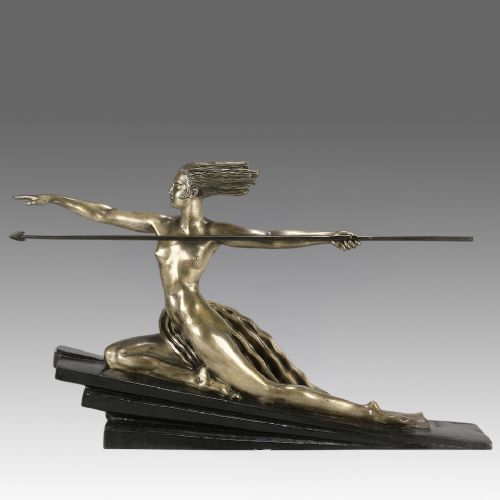
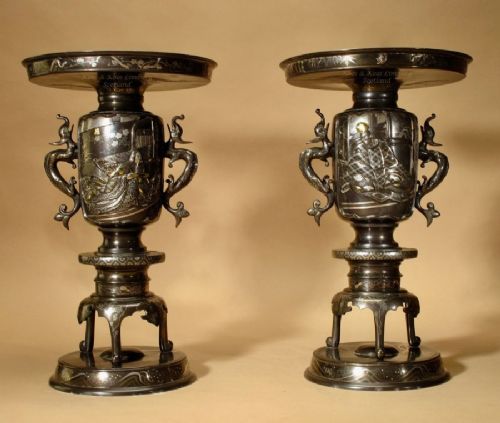
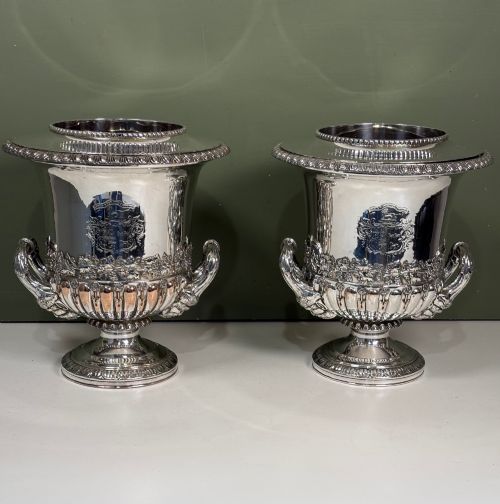
When you search for silver metal vases, you encounter a wide array of vessels spanning multiple centuries, from 18th-century Old Sheffield plate to Art Deco chrome and Japanese Meiji period bronzes. The forms range from standard vases and decorative urns to wine coolers, centerpieces, and brush pots.
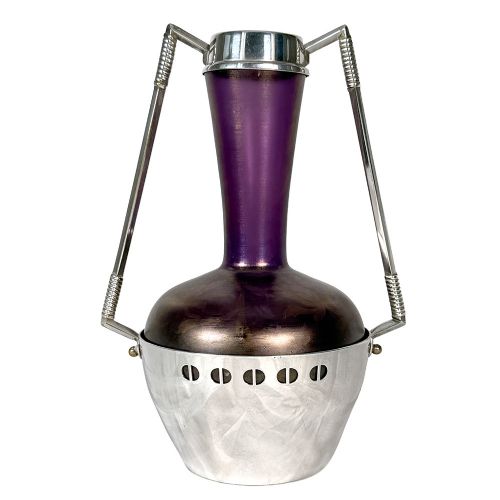
The version you are most likely to meet on this page is a 19th-century or early 20th-century piece, often featuring silver plating, bronze, or intricate cloisonne enamel work from Japanese workshops. European designs from the period also introduce pewter overlays, glass inserts, and Secessionist or Art Nouveau styling.
How they were made
Maker's workshops combined base metals like copper, bronze, and brass with surface treatments such as silver plating, Old Sheffield plating, and silver wire cloisonne enamel. Artisans applied mixed metal inlays, cherry wood combinations, and pewter overlays to enrich the textural contrast of the vessels.
Techniques varied from bas-taille ginbari enamelling and intricate wirework to cast bronze shaping and chrome plating. Workshops utilised glass inserts, opaque glass, and applied figural maiden motifs in pewter or ormolu to complete the decorative assemblies.
Silver Metal Vases Retail Price Guide 2026
Typical asking prices for silver metal vases among the pieces listed under this phrase on Sellingantiques today, from the lower quarter to the upper quarter. They describe what is for sale here now, not the wider market.
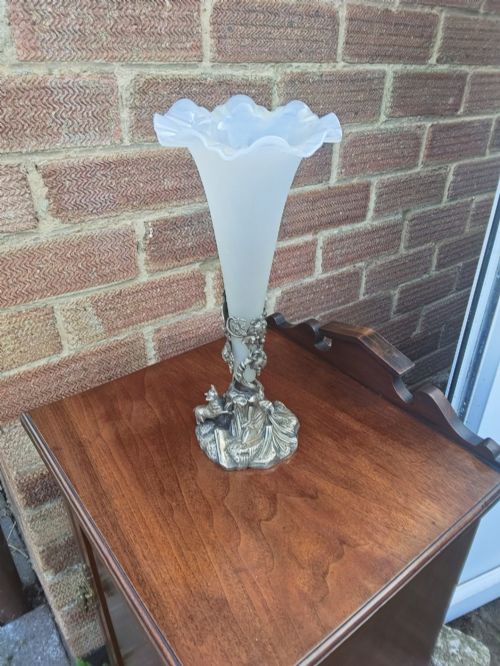
Foxes and grapes decorate an opaque glass epergne, proving that Victorian table ornaments enjoyed a taste for vineyard folklore.
What varies in quality
The distinction between ordinary production and superior craftsmanship rests in the crispness of the chasing, the precision of the silver wire in cloisonne work, and the depth of the metal patination. Signed examples from recognised makers demonstrate a higher grade of artistic execution in their inlays and enamel application.
Structural integrity and the preservation of original surface finishes determine the standing of each piece. Items retaining their unpolished patination, intact enamel without loss, and secure mixed metal elements command greater appreciation among collectors.
KANASAWA·Ando Jubei·WMF·Beldray Ltd·Ando
The Silver Metal Vases Glossary
- Cloisonne
- An enamel technique where metal wire is soldered to a base to form compartments filled with paste and fired. This method creates intricate patterns of birds, flowers, and geometric designs.
- Old Sheffield Plate
- A composite material formed by fusing a thin sheet of silver to a thicker copper base under heat. This process precedes modern electroplating methods.
- Jugendstil
- The German variant of Art Nouveau, prominent around 1900. It emphasises stylized organic forms and flowing linear designs.
- Ginbari
- A Japanese enamelling technique featuring a textured or foiled background beneath transparent enamel. It produces a distinctive shimmering depth of colour.
- Ormolu
- Finely ground high-carat gold applied to a bronze object using a mercury amalgam. The technique creates a rich golden finish on decorative mounts and urns.
Silver Metal Vases: Frequently Asked Questions
What materials make up silver metal vases?
These vessels incorporate solid silver, silver plate, Old Sheffield plate, copper, bronze, brass, pewter, and chrome. Many examples also integrate glass, wood, and enamel.
Makers frequently combined these base metals with contrasting overlays or inlays to achieve varied decorative effects.
How do I identify Meiji period Japanese vases?
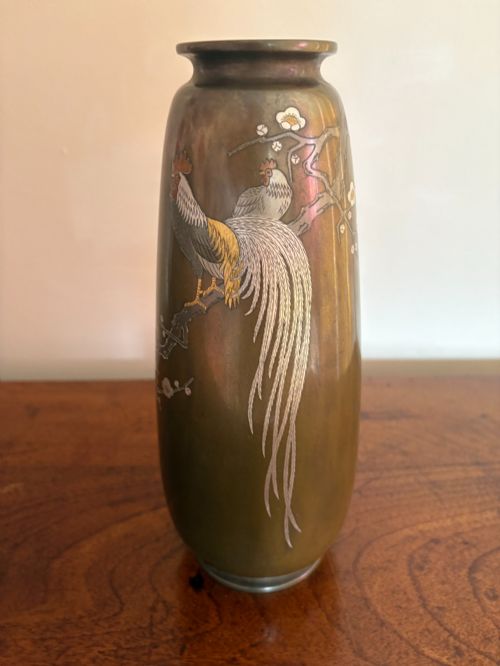
Meiji period pieces date between 1868 and 1912 and often display signature motifs such as birds, flowers, and dragons. They frequently utilise bronze, mixed metal inlays, or silver wire cloisonne.
Many of these items bear workshop signatures or artist marks on the base or body.
What is Old Sheffield plate?
Old Sheffield plate is an early form of silver plating produced by fusing silver and copper together through heating and rolling. Pieces made this way date primarily from the 18th and early 19th centuries.
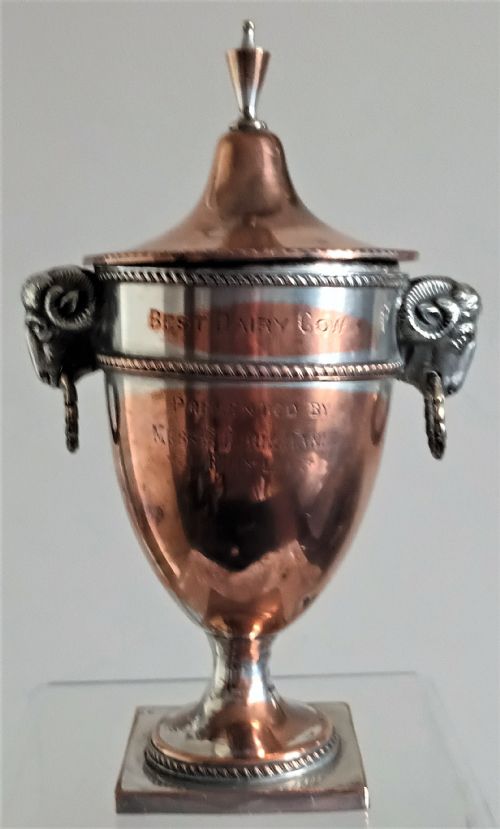
Under magnification, you may spot subtle traces of copper showing through where the silver layer has worn thin over generations.
How do I care for antique metal vases?
Keep these vessels away from direct moisture and harsh chemical cleaning products to preserve their original patination and surface finishes. Dust them gently with a soft, dry cloth.
Avoid aggressive polishing, particularly on silver-plated, bronze, or enameled surfaces, to maintain the historic integrity of the metal.