






Silver Metal Sculpture
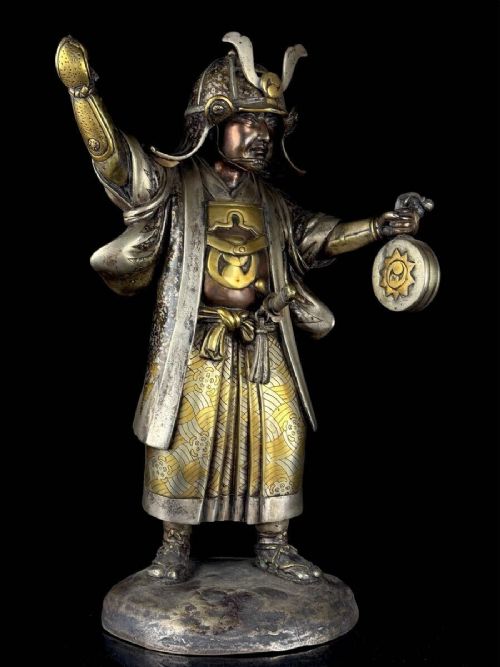
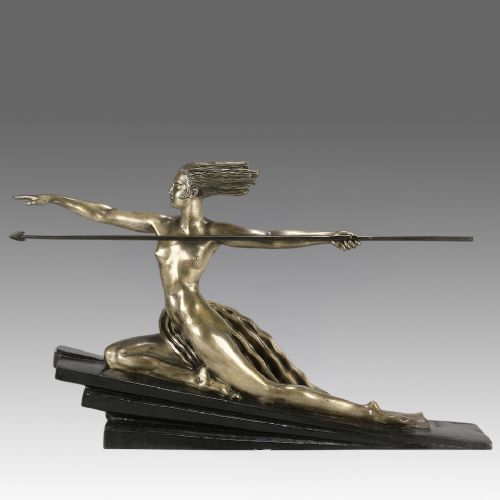
Silver metal sculpture gathers tactile figures and objects cast in bronze, spelter, aluminium, and silvered alloys across diverse global traditions.
Silver Metal Sculpture
When you search for silver metal sculpture, you meet a broad assortment of cast and moulded works spanning multiple centuries and continents. The selection includes European figures, desk accessories, and animal studies alongside Asian devotional bronzes and industrial forms. Many pieces reflect the streamlined aesthetics of the early twentieth century, while others date back to earlier periods.
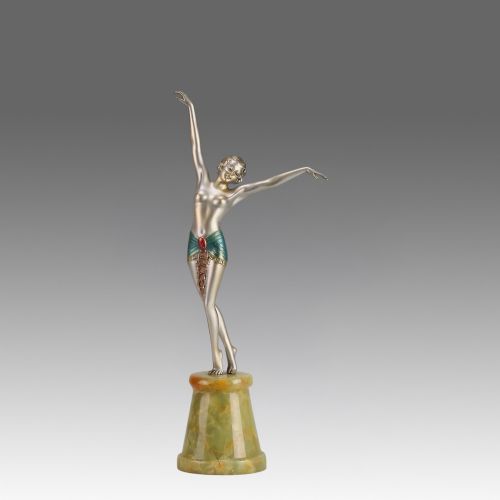
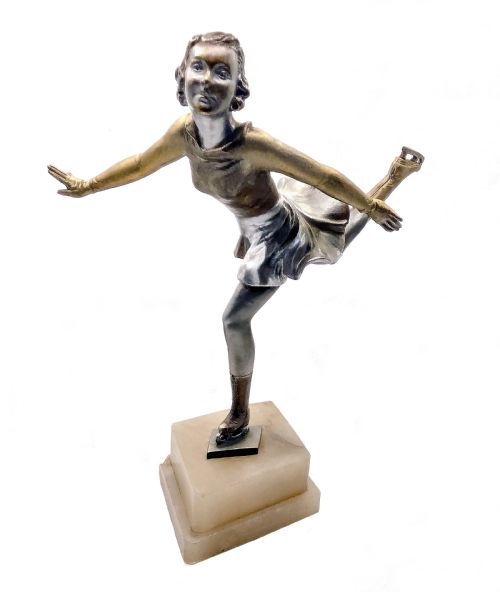
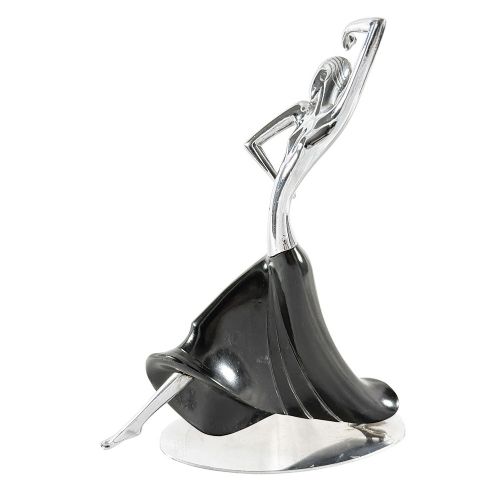
Spelter figures and silvered bronze dancer studies dominate the twentieth-century offerings, particularly pieces linked to the Art Deco period. Alongside these decorative items, the listings contain utilitarian items like millinery moulds and automotive mascots. Each object utilises metal casting techniques to achieve distinct textures and forms.
How they were made
Foundries produced many of the figurative works using traditional casting methods in bronze, copper alloy, or spelter, often finishing the surface with silver plating, cold-painting, or chemical silvering. Sculptors frequently mounted their metal casts onto bases of carved marble, onyx, or hardwood. Industrial items such as hat blocks and glove moulds relied on utilitarian aluminium casting rather than fine art foundries.
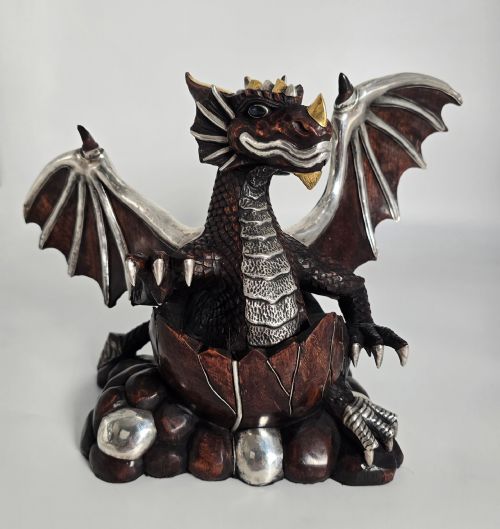
Makers applied patination and metal inlay, such as copper details on brass shrines, to enhance visual depth. Silvered finishes required careful application over base metals like bronze or spelter to simulate solid precious metal. Artisans of the Japanese Meiji period and Chinese workshops employed intricate metalworking traditions to shape complex dragons and human figures.
Silver Metal Sculpture Retail Price Guide 2026
Typical asking prices for silver metal sculpture among the pieces listed under this phrase on Sellingantiques today, from the lower quarter to the upper quarter. They describe what is for sale here now, not the wider market.
Materials documented across the inventory include bronze, spelter, onyx, aluminium, silvered bronze, and carved hardwood.
What varies in quality
The quality of the secondary materials, such as heavy veined marble plinths or bespoke hardwood mounts, contributes to the overall presence of the sculpture. Pieces retaining signature marks or attribution to recognised designers show greater adherence to period artistic standards. Wear on plated surfaces reflects the history of the object rather than its foundational manufacturing standard.
D. H. Chiparus·Josef Lorenzl·Pierre Le Faguays·Claire Colinet·Michel Decoux·Geo Maxim·Louis Lejeune
The Silver Metal Sculpture Glossary
- Spelter
- A zinc alloy commonly used as a cost-effective substitute for bronze in European decorative figures, particularly during the Art Deco era. It takes patination and silver paint readily.
- Animalier
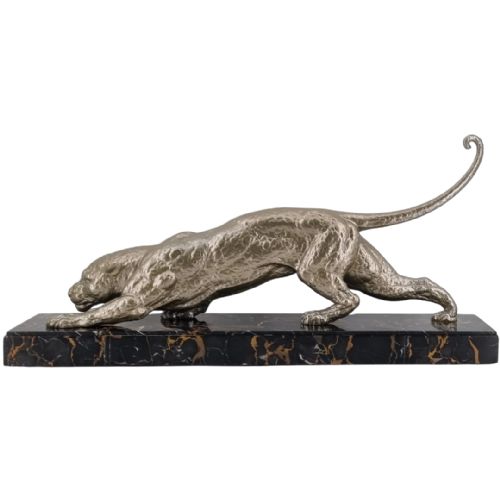
- A nineteenth-century artistic genre focused on the realistic portrayal of animals, frequently cast in bronze or silvered metal. Sculptors in this tradition studied anatomy closely.
- Cold-painted
- A technique where paint is applied to a metal sculpture without heat firing after the initial casting and plating process. It appears frequently on dancers and animal studies.
- Millinery mould
- A form used in hat-making, often cast in aluminium during the twentieth century. These industrial objects double as sculptural display pieces.
- Patina
- The surface coloration and sheen developed through age or chemical treatment on metals like bronze and copper. It protects the underlying material while adding aesthetic depth.
Silver Metal Sculpture: Frequently Asked Questions
What is spelter metal?
Spelter is a zinc-based alloy that European foundries utilised heavily for decorative figures and lamps during the early twentieth century. It allowed manufacturers to produce affordable alternatives to solid bronze.
Because spelter is softer than bronze, items made from it require careful handling to avoid surface dents and fractures. Many of these figures received bronze-toned or silvered finishes to mimic more expensive materials.
How do I clean silvered metal?
Silvered and silver-plated metal surfaces require gentle dusting with a soft, dry cloth to prevent the removal of thin metallic layers. Harsh metal polishes strip away historical finishes and expose the base metal underneath.
Store these sculptures away from high humidity and direct sunlight to minimise tarnishing and oxidation. Professional conservation is recommended if deep cleaning becomes necessary.
What is an animalier sculpture?
Animalier sculpture refers to realistic artistic representations of animals, popularized by nineteenth-century European sculptors. These works capture creatures in natural motion or repose.
Artists often cast these subjects in bronze or silvered bronze, mounting them securely on stone bases. The genre encompasses domestic pets, wildlife, and sporting animals.
Are millinery moulds art?
Millinery moulds were originally functional workshop tools used by hat makers to shape felt and straw. Their sculptural aluminium forms have since gained appreciation as decorative objects.
Collectors value their industrial aesthetic and clean geometric lines within modern interior settings. They represent a distinct intersection of utility and design.