




Silver Metal Platter
A silver metal platter serves as a versatile display or serving piece, spanning styles from Victorian ornamentation to clean Art Deco lines.
Silver Metal Platter
A silver metal platter encompasses serving trays, salvers, charger plates, and decorative dishes shaped from various base metals and plated surfaces. These items emerge from multiple centuries and regions, reflecting domestic dining practices and decorative arts.
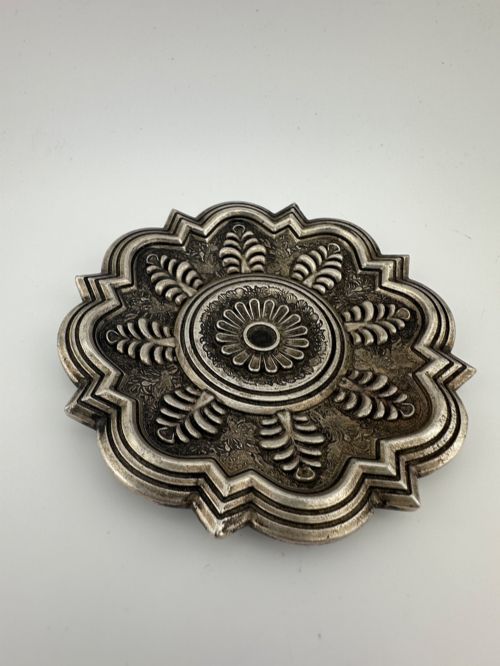
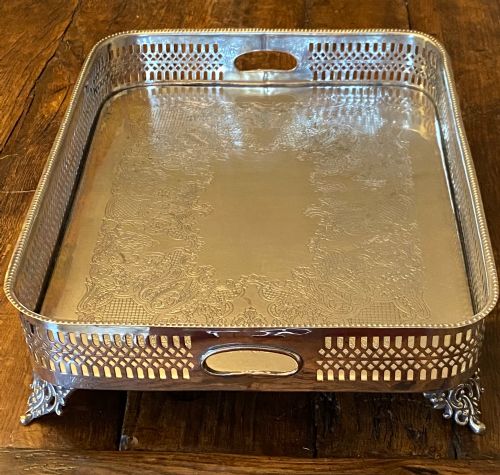
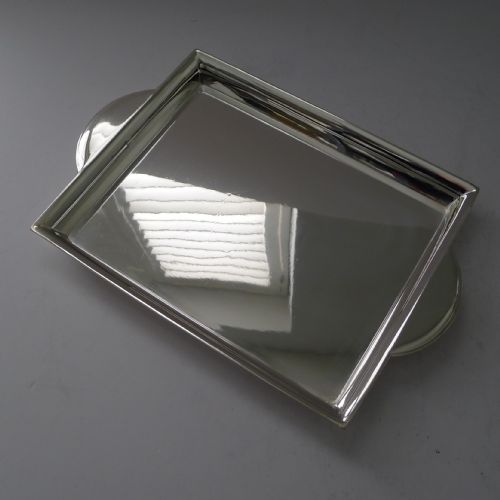
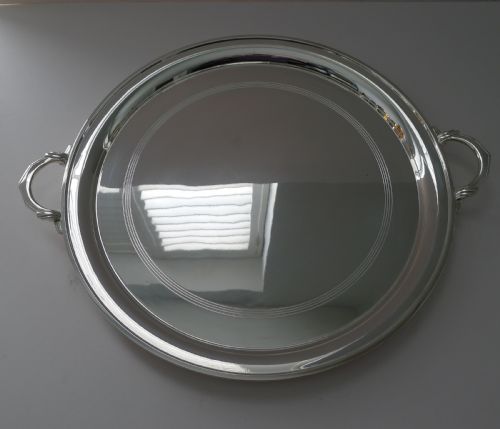
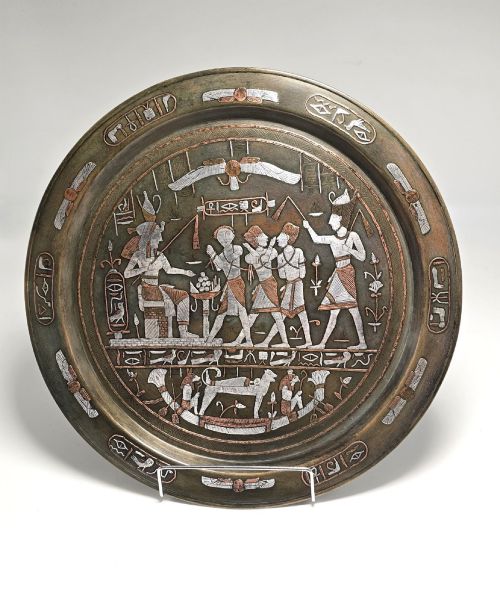
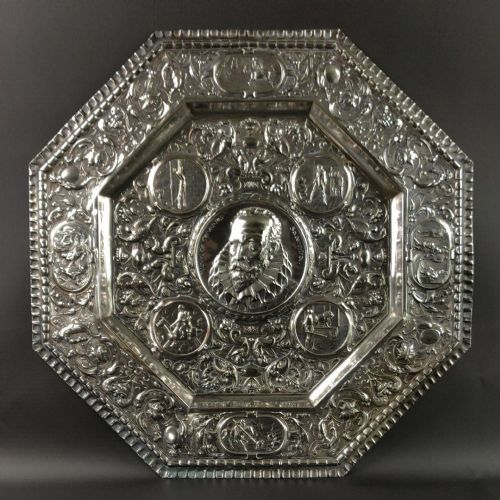
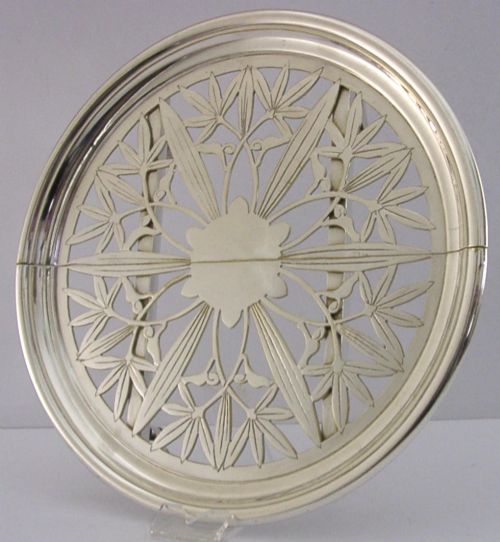
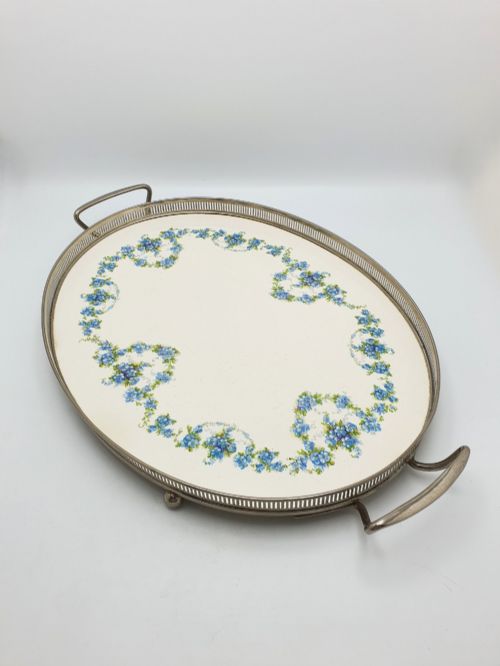
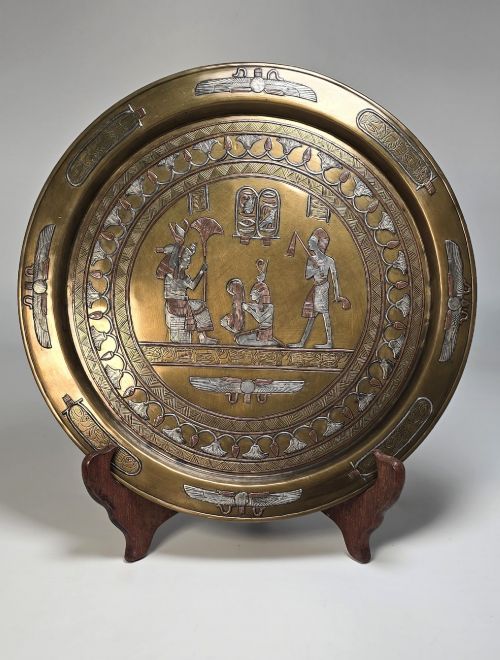
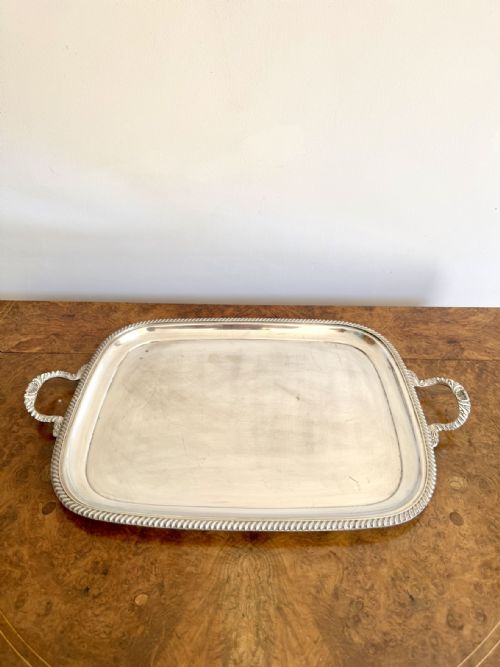
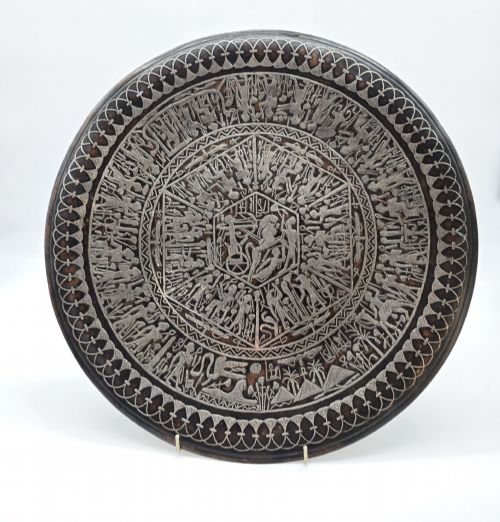
The pieces on this page appear in forms such as large wall chargers, cocktail trays, and oval serving dishes. Victorian and Edwardian examples sit alongside continental items, Art Deco designs, and Middle Eastern metalwork.
Makers and workshops across England, France, and Germany produced these items for formal dining, afternoon tea, and display. Buyers encounter everything from plain pewter chargers to heavily inlaid copper and brass plates.
Materials and Technique
Craftsmen shaped these items from copper, brass, pewter, bronze, and various silver-plated alloys, utilising techniques such as hammering, repoussé, and piercing. Old Sheffield Plate and electroplated nickel silver provide the reflective surfaces seen on many trays.
Makers applied surface ornamentation through engraving, silver inlay, and patination, particularly on Middle Eastern and Cairo Ware pieces. Heavy casting and hand-beaten construction define the structure of larger chargers and presentation trays.
Silver Metal Platter Retail Price Guide 2026
Typical asking prices for silver metal platter among the pieces listed under this phrase on Sellingantiques today, from the lower quarter to the upper quarter. They describe what is for sale here now, not the wider market.
Several trays served generations of churchgoers and local dignitaries before finding their way onto a modern marketplace shelf.
Assessing Quality
Quality rests in the crispness of chased or repoussé detail, the weight of the metal blank, and the integrity of the plated surface. Substantial gauge metal resists bending and provides a solid feel in daily use.
Artisanal execution distinguishes standard production items from pieces bearing maker marks or intricate hand-inlay work. The balance of the rim and the clarity of engraved patterns indicate the maker's level of skill.
Christofle·Mappin & Webb·Hukin & Heath·Elkington & Co
The Silver Metal Platter Glossary
- Charger
- A large ornamental or serving plate placed beneath other courses or displayed on a wall. These substantial plates often feature decorative rims or hand-hammered surfaces.
- Salver
- A flat tray, typically with feet, used for serving drinks or presenting cards and letters. Silver-plated examples frequently display engraved centre panels.
- Old Sheffield Plate
- A material created by fusing a thin sheet of silver to a thicker copper base before rolling. This early plating method produces a warm tone where the copper subtly shows through high points.
- Cairo Ware
- Metalwork originating from late nineteenth and early twentieth-century Egypt, featuring brass or bronze bodies inlaid with silver and copper calligraphy or geometric motifs.
- Repoussé
- A metalworking technique where the artisan hammers the design from the reverse side to raise relief patterns on the front. This method creates tactile depth on chargers and trays.
Silver Metal Platter: Frequently Asked Questions
How do I clean a silver metal platter?
Use a non-abrasive silver polish and a soft cloth for plated surfaces, taking care not to rub through thin plating on raised edges.
For patinated copper, brass, or pewter items, avoid chemical polishes and simply dust with a dry cloth to preserve the aged surface.
Can I use these trays for food service?
Many silver-plated and pewter trays function well for serving dry foods, drinks, or afternoon tea.
Items with extensive copper inlay or delicate patination suit decorative display rather than direct food contact.
What is Old Sheffield Plate?
Old Sheffield Plate involves a fused layer of real silver over a copper core, created before electroplating was invented.
Items made this way show a distinct copper edge where the two metals meet at the border.
How do I date a metal tray?
Examine the style of engraving, handle design, and shape alongside any stamped maker marks or registry numbers.
Georgian and Victorian pieces display different weight and decorative motifs compared to later Art Deco or modernist items.