
Silver Metal Plates
Silver metal plates and allied table wares bring domestic utility from past centuries into daily service.
Silver Metal Plates
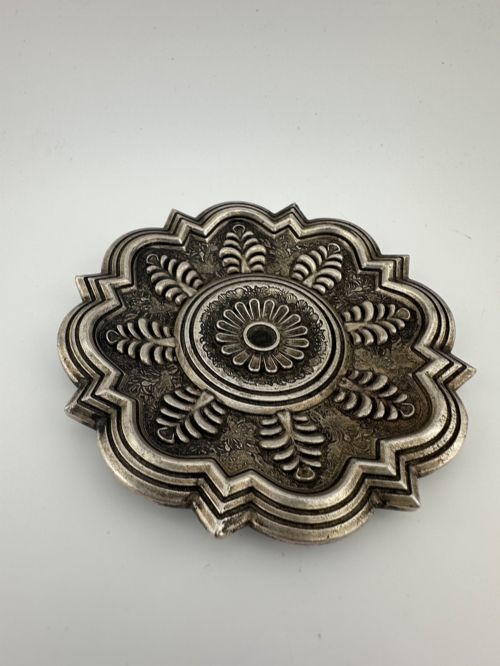
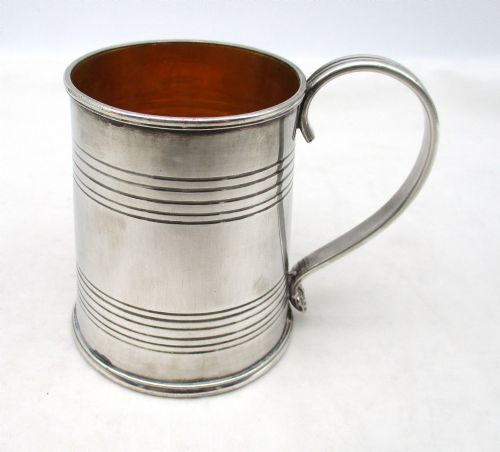
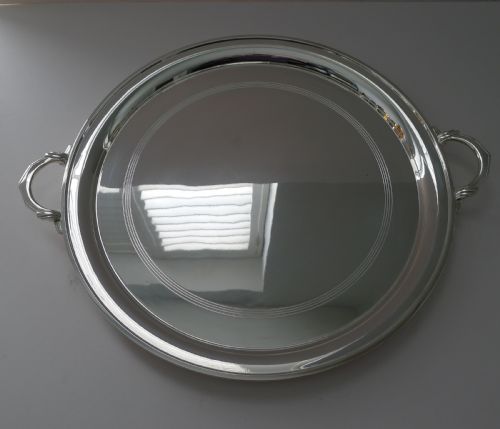
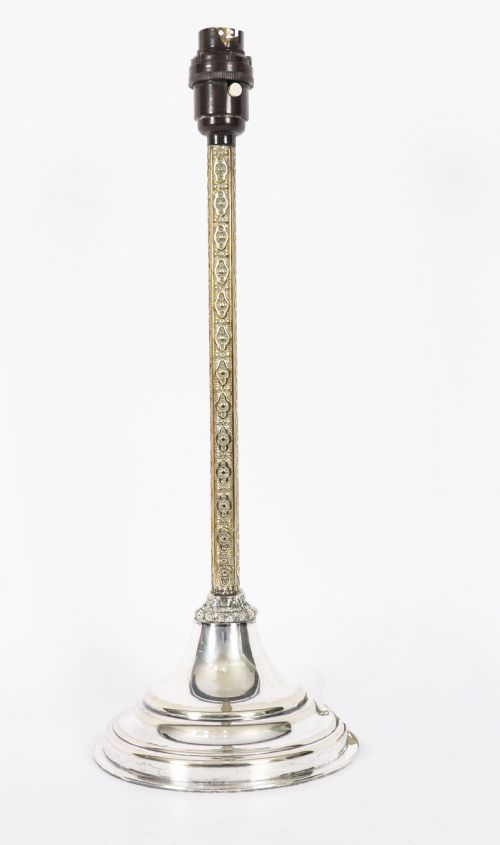
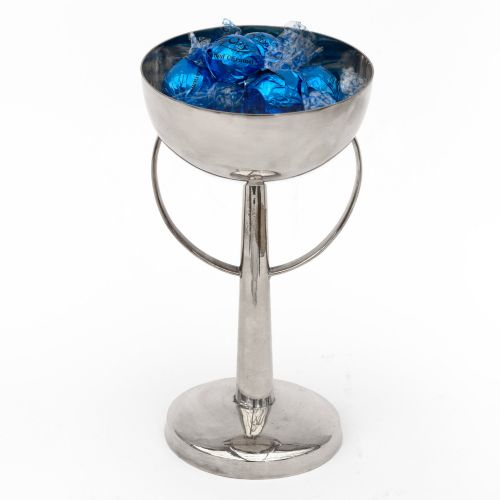
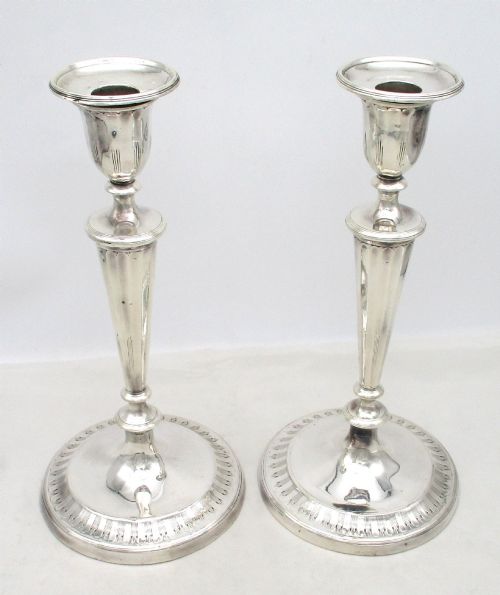
Silver metal plates gather various serving vessels, trays, chargers, and dishes produced across the eighteenth, nineteenth, and early twentieth centuries. These objects reflect domestic dining and display customs from Georgian elegance to Art Deco geometry, utilising base metals coated in precious layers.
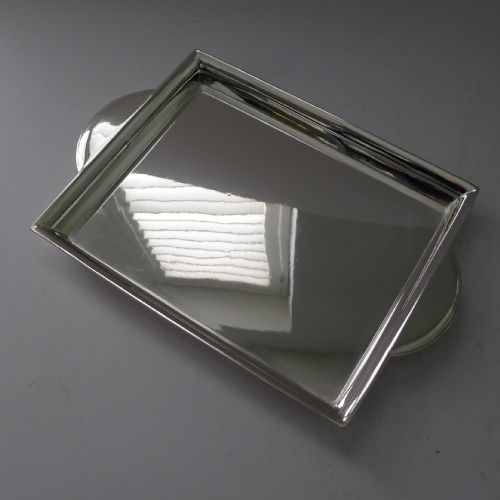
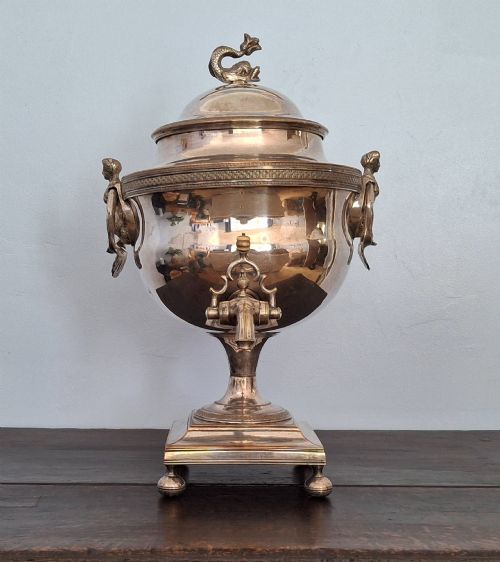
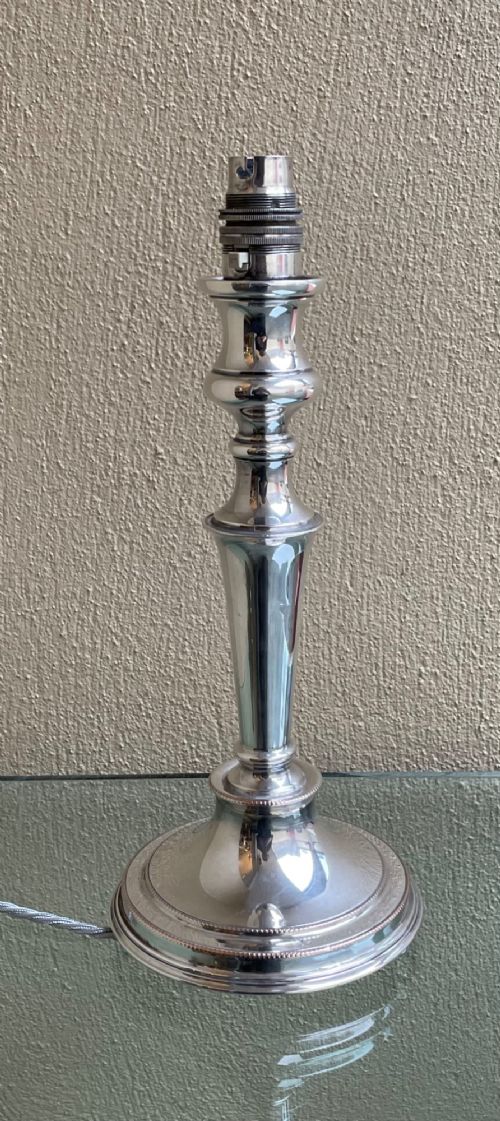
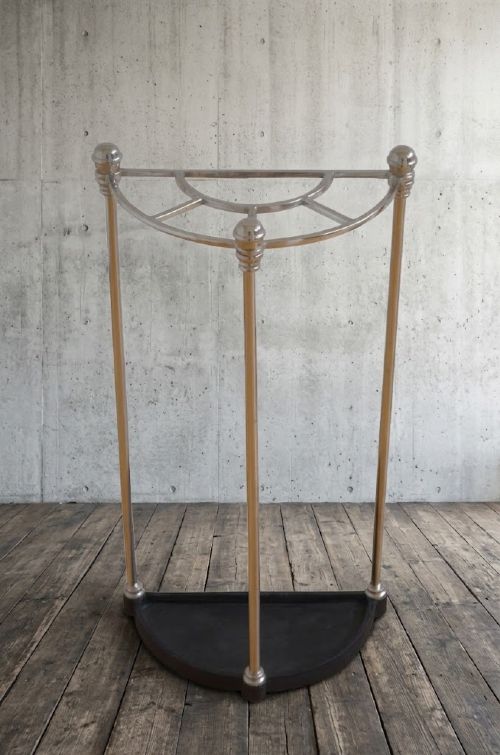
The assortment on this page relies heavily on nineteenth-century production alongside Edwardian and Art Deco pieces. Buyers meet serving trays, chambersticks, tea urns, and decorative dishes made in Britain, France, and wider Continental workshops.
While solid silver appears occasionally, the selections here lean towards plated wares, white metal, and Old Sheffield Plate. These items offer the visual weight and reflective sheen of solid silver through alternative metallurgical methods.
How they were made
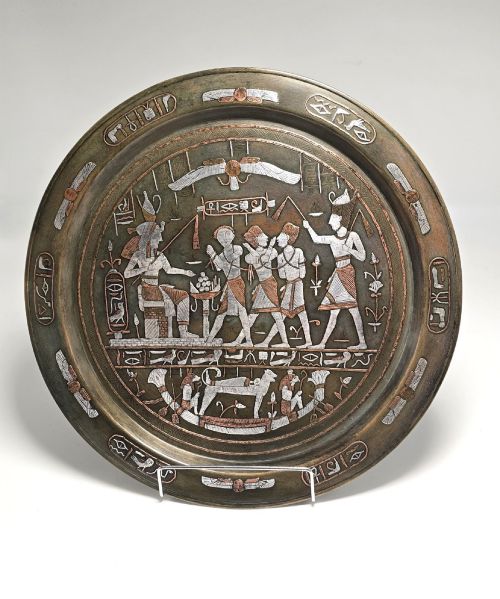
Makers utilised base metals such as copper, brass, nickel silver, and iron as the structural body for these wares. Artisans then applied silver plating, parcel gilding, or silver inlay to create the exterior finish.
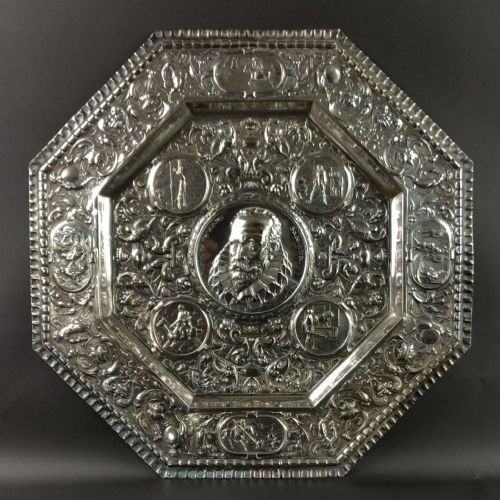
Old Sheffield Plate fused a thin sheet of silver to a copper core through heat and pressure, while later pieces adopted electroplating techniques. Surface decoration often involved repoussé work, embossing, and hand engraving.
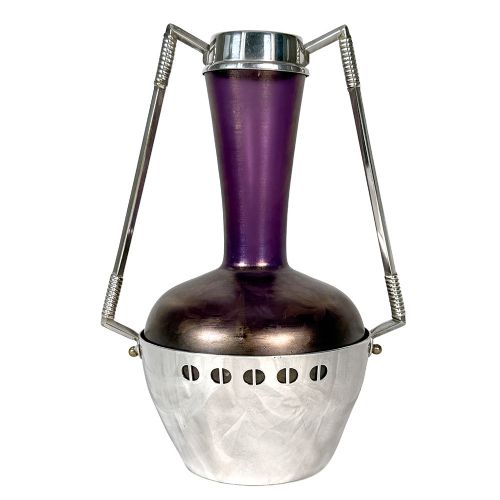
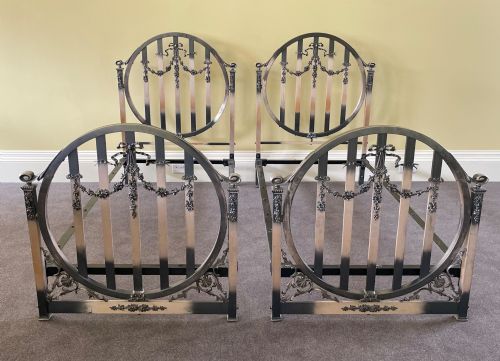
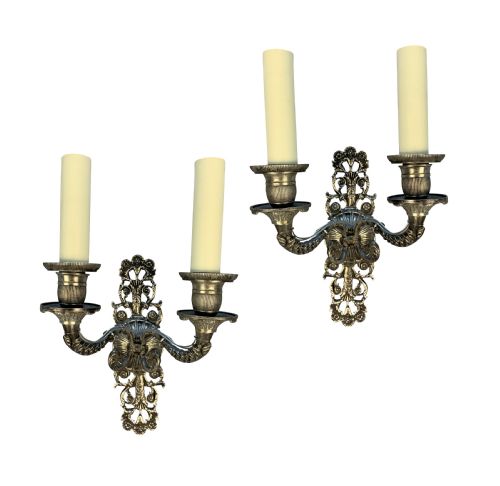
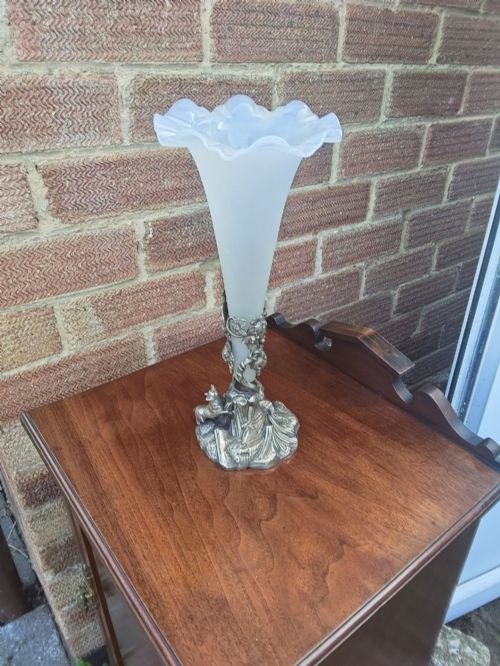
Specialist metalworkers combined glass inserts, patinated iron, and white metal alloys with silver plate mounts. These composite constructions required precise soldering, framing, and finishing by hand.
Materials represented include silver plate, copper, brass, nickel silver, and white metal.
What varies in quality
The standard of an item rests upon the crispness of its chased or embossed ornament and the durability of the underlying metal. Pieces displaying deep, hand-worked repoussé details separate themselves from simpler stamped examples.
Makers' marks and structural integrity indicate workshop proficiency, with heavier gauges of copper or nickel silver providing better longevity. Retained silver coverage across high-wear areas also distinguishes superior examples.
Christofle Paris·Mappin And Webb·Walker And Hall·G R Collis·F Abella And Sons
The Silver Metal Plates Glossary
- Old Sheffield Plate
- An early method of fusing silver and copper together before the invention of electroplating. This technique produces a distinctive warm tone as the underlying copper occasionally shows through years of polishing.
- Repoussé
- A metalworking technique where the artisan hammers the design from the reverse side to create a raised relief on the front. It requires considerable skill to maintain even metal thickness throughout the decoration.
- White Metal
- An alloy of various non-precious metals used as a base or standalone material for domestic objects. It offers a bright, silvery appearance without containing actual silver.
- Parcel Gilt
- A surface treatment where specific areas of an object are gilded with gold while the rest remains silver or base metal. This contrast highlights particular decorative motifs.
- Old Sheffield
- A term denoting items made by fusing silver sheet to a copper ingot. Collectors prize this method for its historical priority in silver plating.
Silver Metal Plates: Frequently Asked Questions
How do I clean old silver plate?
Use a soft cloth and a gentle, non-abrasive polish specifically formulated for silver plated items. Avoid harsh scrubbing that might wear through the thin silver layer to the base metal underneath.
Store pieces in dry conditions and handle them with clean hands to minimise tarnish accumulation over time.
What is Old Sheffield Plate?
Old Sheffield Plate is an early composite material made by fusing a thin sheet of silver to a thick copper base. This technique predates modern electroplating and creates a durable material with a characteristic warmth.
Items made this way often reveal faint traces of copper along high edges where generations of polishing have worn the silver layer.
Can I use these items daily?
Many of these metal plates and serving vessels remain entirely functional for modern dining and hospitality. Trays, dishes, and coasters adapt easily to contemporary table settings.
Hand washing with mild soap preserves the surface finishes better than mechanical dishwashers, ensuring the pieces survive for future use.
How do I identify the maker?
Look for stamped hallmarks, maker's marks, or factory initials usually located on the underside or rim of the piece. These small impressions record the workshop or silversmith responsible for the production.
Reference marks against historical trade directories to determine the approximate decade and geographical origin of the item.