




Silver Metal Cooler
These silver metal cooler pieces are functional vessels for wine and ice that bring period elegance to a dining room or bar.
Silver Metal Cooler
A silver metal cooler spans multiple decades of dining history, offering functional vessels designed to chill wine or hold ice. Buyers searching for a silver metal cooler will discover forms ranging from generous punch bowls and ice buckets to dedicated champagne and wine coolers.
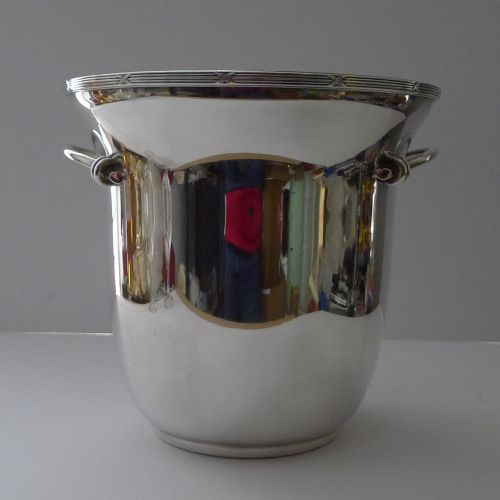
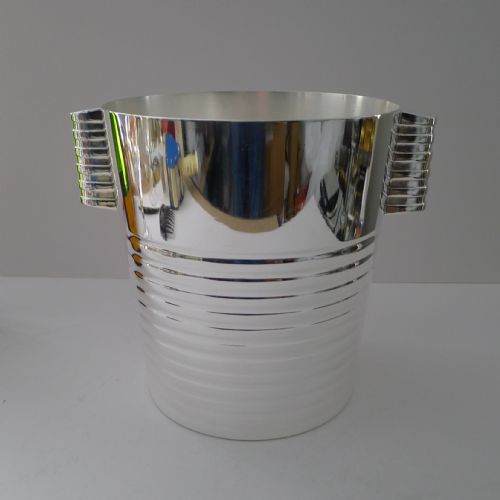
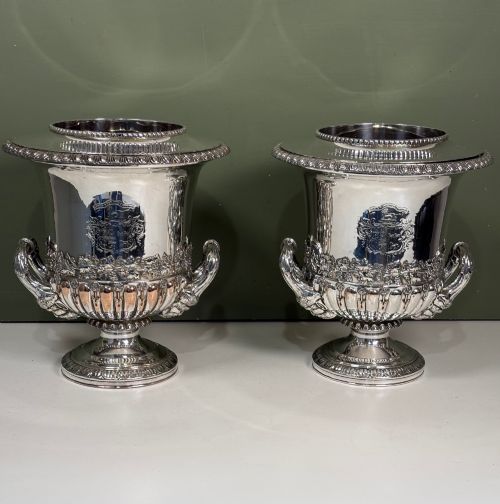
The pieces on this page draw from periods including the Victorian era, the nineteenth century, and the early decades of the twentieth century. Art Deco designs sit alongside traditional Victorian Rococo Revival and French bistro pieces.
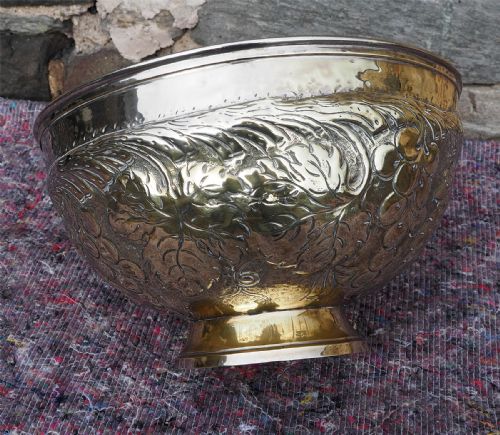
Makers and workshops from France, England, and Italy shaped these objects in silver plate, Sheffield plate, copper, brass, and chrome. The primary function remains holding wine or ice, executed through deep bowls, ring handles, and embossed bodies.
Assessing quality in metal coolers
Quality depends upon the weight of the metal used in the body and the crispness of any embossed or engraved detail. Heavier vessels maintain better thermal properties and structural integrity over decades of use.
The integrity of the plated surface determines visual appeal, where uniform coverage over copper or base metal distinguishes finer workshop production from standard utility items.
Silver Metal Cooler Retail Price Guide 2026
Typical asking prices for silver metal cooler among the pieces listed under this phrase on Sellingantiques today, from the lower quarter to the upper quarter. They describe what is for sale here now, not the wider market.
Some pewter champagne bowls carry the spirited provenance of a bustling Paris restaurant.
Luc Lanel for Christofle·Christofle Gallia·Elkington·Macabo
The Silver Metal Cooler Glossary
- Sheffield Plate
- An early composite material made by fusing a thin sheet of silver to a thicker copper ingot. This technique predates modern electroplating and leaves a distinctive edge where copper shows through wear.
- Silver Plate
- A thin layer of pure silver applied to a base metal substrate, usually through electroplating. This method allowed makers to produce luxurious tableware at a lower cost than solid silver.
- Art Deco
- A design style spanning the 1920s and 1930s characterised by stylised motifs, geometric symmetry, and sleek lines. Pieces from this movement often feature bold industrial forms.
- Rococo Revival
- A nineteenth-century style that revived the ornate, asymmetrical scrolls, shell motifs, and floral embellishments of the French Rococo period. It appears frequently on Victorian metalware.
- Punch Bowl
- A large, open-topped vessel designed for mixing and serving communal drinks. These bowls often double as expansive wine or champagne chillers.
Silver Metal Cooler: Frequently Asked Questions
How do I clean a silver plated cooler?
Clean silver plated items gently using a specialised non-abrasive silver polish and a soft cloth to preserve the thin plating over the base metal. Avoid harsh scrubbing that can wear away the silver layer.
After polishing, rinse the vessel with warm water and dry it thoroughly with a lint-free cloth to prevent water spots and tarnishing.
Can I use these coolers for daily dining?
These metal vessels were built for functional hospitality use, from Paris restaurants to domestic dining rooms, and remain entirely practical for holding ice and chilling bottles today. Their sturdy construction handles regular placement on tables and sideboards.
Take care to dry the interior after use to prevent moisture from sitting on the metal or plate over extended periods.
What is the difference between Sheffield plate and silver plate?
Sheffield plate involves physically fusing silver onto a copper base through heat and pressure before rolling it into sheets, an older technique seen around 1800. Standard silver plate uses an electrochemical process to bond silver to a base metal.
Examining the rim or worn areas can sometimes reveal the underlying copper layer unique to older fused methods.
How do I date an Art Deco champagne bucket?
Art Deco pieces generally date from the 1920s through the 1940s, identifiable by their geometric forms, stepped details, and association with designers like Luc Lanel. Maker marks stamped on the base often provide further confirmation of the production period.
Stylistic cues such as streamlined chrome or repetitive fluting point directly to this interwar design era.