



Silver Metal Chest
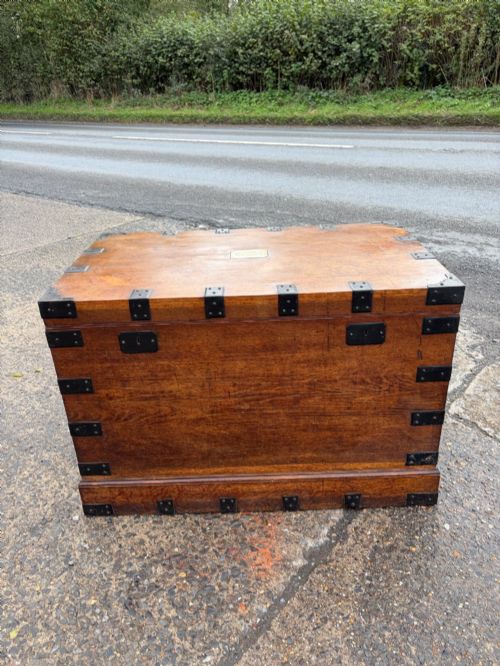
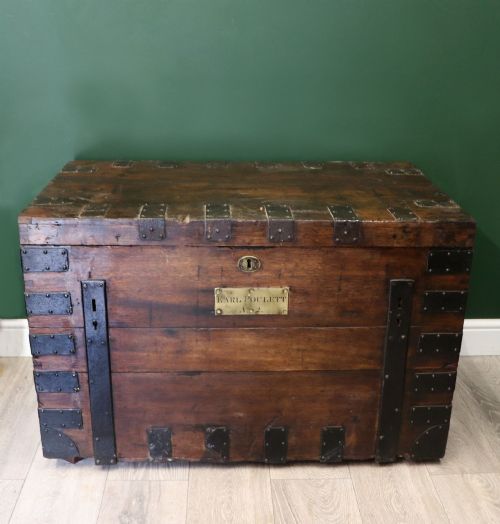
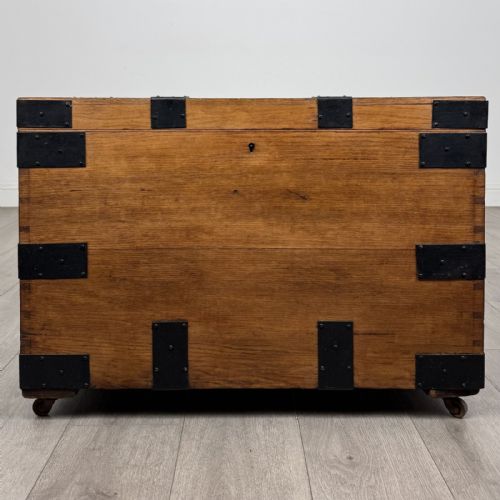
A silver metal chest is a sturdy container built for transporting and storing precious tableware, appearing frequently in robust oak mounted with iron or steel straps.
Silver Metal Chest
A silver metal chest serves primarily as a heavy-duty receptacle designed to safeguard valuable household silver during transit or domestic storage. These containers date predominantly from the 19th century, with Victorian examples appearing most frequently on this page alongside earlier 17th century strongboxes and later Edwardian variations.
The core form takes shape as a deep rectangular box intended for heavy loads, often partitioned internally to hold specific pieces of cutlery or hollowware securely. Alongside traditional shipping trunks and country house boxes, the selection includes specialised forms such as jewellery caskets and betal boxes.
Origins span English workshops producing oak and iron bound boxes to Continental makers working in aluminium, bronze, and silvered copper. Buyers encounter everything from utilitarian travel chests fitted with brass name plaques to ornate German Baroque strongboxes.
How they were made
Construction relies on dense timbers like English oak forming the primary carcass, joined to withstand the substantial weight of plate silver. Metal reinforcement is essential to the design, employing iron, steel, and brass straps, bands, and corner plates to secure the structure against heavy impacts during travel.
Surface treatments and finer details vary by origin, ranging from exposed metal banding on steamer trunks to intricate silver inlay on bronze or silvered copper finishes. Handles, lock plates, and name plaques are typically cast in brass or iron and fixed directly into the wood.
Silver Metal Chest Retail Price Guide 2026
Typical asking prices for silver metal chest among the pieces listed under this phrase on Sellingantiques today, from the lower quarter to the upper quarter. They describe what is for sale here now, not the wider market.
Materials span heavy structural iron and steel alongside decorative applications of silver, brass, aluminium, and bronze.
What varies in quality
Quality rests in the precision of the joinery and the substantial nature of the metal mountings that bind the chest together. Heavy iron or steel straps closely fitted to the timber denote superior utility, while well-preserved interior fittings such as baize-lined trays elevate the piece.
The distinction between a standard travel trunk and an exceptional object lies in the refinement of the metalwork, whether through delicate silver inlay or intricate locking mechanisms found on German strongboxes.
Mappin And Webb·Elkington And Co
The Silver Metal Chest Glossary
- Strongbox
- A heavily reinforced secure box designed for valuables, often utilising complex locking mechanisms and thick iron plates.
- Steamer trunk
- A luggage chest built with a flat or slightly rounded top specifically for the baggage holds of ocean liners during the 19th and early 20th centuries.
- Canteen
- Fitted interior partitioning or a separate case designed to hold a complete set of cutlery in dedicated slots.
- Strapwork
- Decorative or reinforcing bands of metal fixed across the exterior surface of a chest or box.
- Betal box
- A small container traditionally used in Southeast Asia for storing ingredients associated with betal nut chewing.
Silver Metal Chest: Frequently Asked Questions
What were silver chests used for?
These chests were constructed to store and transport family silver plate, protecting heavy cutlery and hollowware from damage and theft during travel between country houses and town residences.
They often included bespoke interior trays and partitions to keep individual forks, spoons, and serving dishes separated and secure.
How do I date a metal bound chest?
Dating relies on combining the timber species, the style of the metal banding, and any surviving hardware such as locks or brass name plaques. Victorian and 19th-century examples frequently utilise oak and iron straps, whereas earlier 17th-century pieces display heavier forged locking mechanisms.
Examining the construction methods of the internal compartments also provides clear indicators of the period of manufacture.
Are these chests suitable for modern storage?
The robust construction and deep proportions make these boxes well-suited for storing blankets, heavy linens, or contemporary items while serving as functional coffee tables or statement furniture.
Their substantial weight means they require adequate space and a solid floor surface to support them properly.
What is the difference between a trunk and a strongbox?
Trunks are generally built for travel and luggage transport using timber frames covered in canvas, metal, or leather, equipped with carrying handles on the sides. Strongboxes are heavier security containers forged primarily from iron or steel with sophisticated locking bolts designed to resist forced entry.